
Low oxygen levels in the elderly, known as hypoxemia, can silently compromise health, leading to fatigue, confusion, and increased risk of hospitalization. For seniors, maintaining optimal blood oxygen saturation is essential for brain function, heart health, and overall vitality. A normal reading ranges from 95% to 100%, but values below 94% signal concern, and levels under 90% require immediate medical attention.
Many older adults experience subtle declines in oxygenation due to age-related lung changes, chronic illnesses like COPD or heart failure, or lifestyle factors such as inactivity and poor air quality. The good news is that simple, evidence-based strategies can significantly improve oxygen levels even without medication. From targeted breathing exercises and daily movement to nutrition and environmental adjustments, small changes yield big results.
Recognize Low Oxygen Symptoms Early
Catching hypoxia early prevents serious complications. In older adults, symptoms may be subtle or mistaken for normal aging, making vigilance critical.
Mild Hypoxia Signs
Watch for these early warning signs that often go unnoticed. A senior might stop walking to the mailbox not because of joint pain but due to undiagnosed breathlessness.
The common indicators include shortness of breath during light activity or at rest, unexplained fatigue or muscle weakness, brain fog or trouble concentrating, morning headaches especially after poor sleep, and rapid heartbeat or breathing.
Severe Symptoms Requiring Emergency Care
These symptoms indicate dangerous oxygen deprivation. Call emergency services immediately if SpO₂ drops below 90% along with any of these signs.
Look for cyanosis appearing as bluish lips fingertips or nail beds, chest pain or pressure, confusion or agitation, gasping for air, and loss of consciousness.
Sleep-Related Red Flags
Sleep can reveal oxygen problems that daytime checks miss. These may indicate sleep apnea, a common but treatable cause of nighttime oxygen drops.
Watch for waking up gasping or choking, loud snoring with pauses in breathing, and excessive daytime drowsiness.
Optimize Breathing with Daily Exercises
Controlled breathing techniques strengthen lung function, improve oxygen uptake, and reduce breathlessness. These methods benefit seniors with COPD or heart disease especially well.
Practice Pursed-Lip Breathing
This simple method keeps airways open longer and slows breathing. Do this technique 4 to 5 times daily, with 5 to 10 minutes per session. The best times to practice are after sitting for long periods or during moments of shortness of breath.
To perform this breathing, inhale slowly through your nose for 2 counts, then purse your lips as if blowing out a candle, and exhale gently for 4 counts.
Use Diaphragmatic Belly Breathing
This technique strengthens the diaphragm and improves oxygen exchange. Practice for 5 to 10 minutes twice daily. It works well for seniors with chronic lung conditions or weak respiratory muscles.
To do this, lie down or sit comfortably, place one hand on your chest and one on your belly, breathe in deeply through your nose so your belly rises while your chest stays still, and exhale slowly through pursed lips.
Try Deep Breathing Routines
This routine enhances lung capacity over time. Do it best in the morning and before bed.
Sit upright in a quiet space, inhale deeply for 4 seconds, hold for 2 seconds, exhale slowly for 6 seconds, and repeat for 5 minutes.
Boost Oxygen Through Movement

Physical activity increases oxygen demand, prompting the body to improve delivery and utilization. This is key for aging lungs and hearts.
Recommended Exercises for Seniors
Different activities offer unique benefits for respiratory health. Walking improves circulation and strengthens lungs with 20 to 30 minutes 5 times per week. Water aerobics is low-impact and enhances breathing effort with 30 minutes 2 to 3 times per week. Tai Chi combines motion with breath control with 20 minutes daily. Yoga enhances flexibility posture and lung expansion 2 to 3 times per week. Light strength training supports chest and diaphragm muscles twice per week.
Safety Tips Before Starting
Always consult a doctor if your loved one has heart disease, COPD, or recent surgery. Start slow by beginning with 5 to 10 minutes and gradually increasing. Monitor SpO₂ using a pulse oximeter before and after exercise, and stop if saturation drops more than 4% or dizziness occurs.
Maintain Upright Posture for Better Breathing
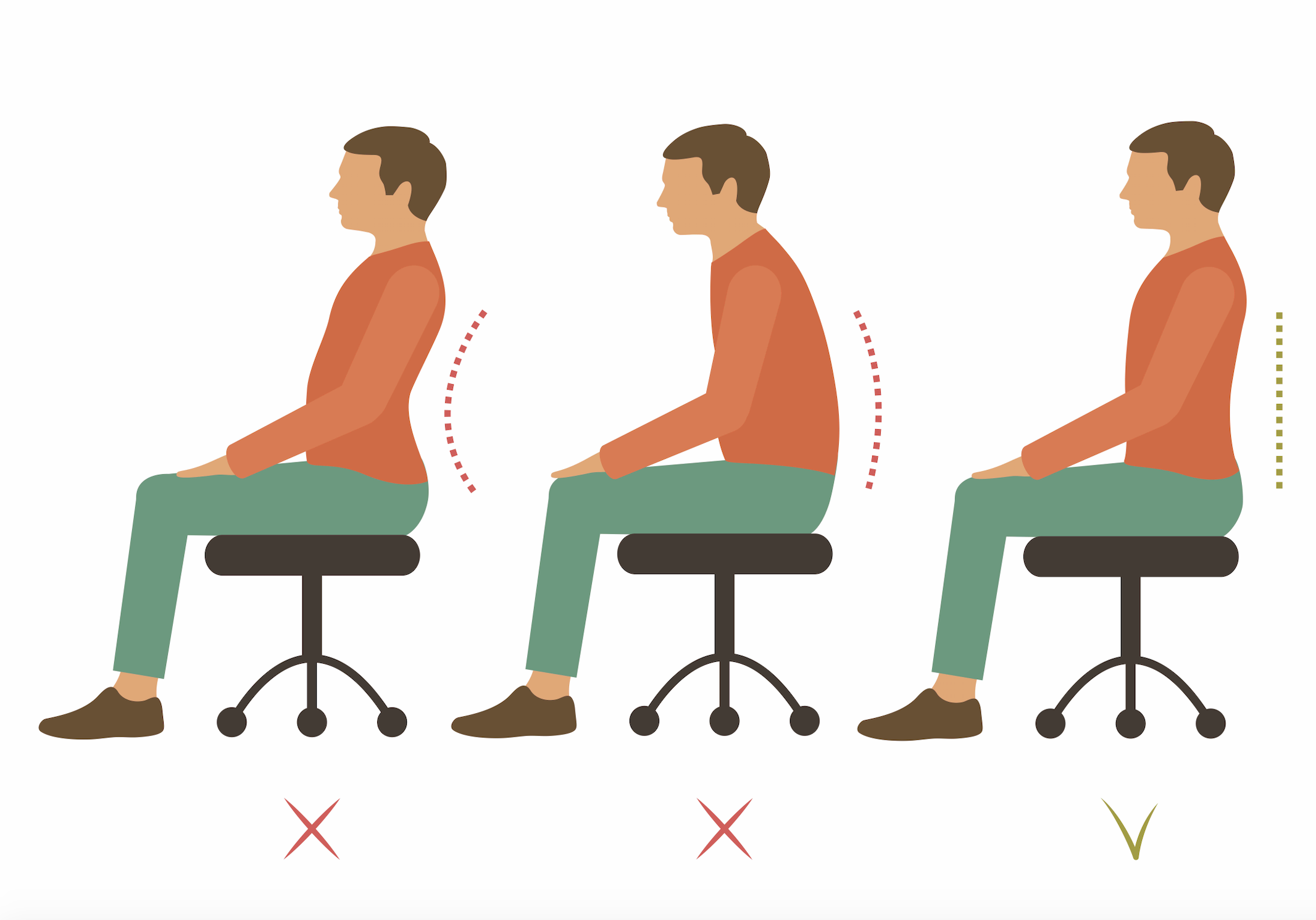
Slouching compresses the lungs and restricts diaphragm movement. This is common in seniors who spend hours sitting.
Why Posture Matters
Hunched shoulders reduce lung capacity by up to 30%. Poor alignment weakens respiratory muscle efficiency, making every breath less effective.
How to Improve Posture
Sit tall using chairs with lumbar support while keeping ears aligned over shoulders. Stand straight by imagining a string pulling your head upward. Avoid prolonged sitting by getting up every 30 minutes to stretch or walk.
Posture-Enhancing Stretches
Perform the chest opener by clasping hands behind back, gently lifting arms while opening the chest, holding for 15 to 20 seconds, and repeating 3 times. Do the neck and shoulder release by tilting head side to side slowly and rolling shoulders backward in circles. Perform these stretches 2 to 3 times daily to maintain chest expansion and ease breathing.
Breathe Cleaner Fresher Air
Indoor air can be 2 to 5 times more polluted than outdoor air. This harms lung function and oxygen uptake.
Increase Outdoor Time
Take 10 to 30 minute walks in parks or gardens daily. Sit outside during meals or reading time. Open windows for 15 to 30 minutes twice daily for ventilation. Morning air often has higher oxygen levels and lower pollution.
Improve Indoor Air Quality
Use HEPA air purifiers in bedrooms and living areas. Keep humidity between 30% and 50% with a humidifier since dry air irritates airways. Avoid aerosols, candles, and strong cleaners as they release VOCs. Ban smoking indoors since secondhand smoke damages lung tissue.
Add Air-Purifying Plants
While not a substitute for purifiers, certain plants help filter toxins. Snake plant releases oxygen at night. Spider plant removes formaldehyde. Peace lily reduces airborne mold. Keep these out of reach of pets since some are mildly toxic if ingested.
Stay Hydrated to Support Oxygen Flow
Water does not add oxygen directly, but it keeps blood thin and mucus loose. This improves circulation and lung clearance.
Why Hydration Helps
Thin blood flows more easily, delivering oxygen faster. Loose mucus clears from airways, preventing blockages. Dehydration thickens secretions, increasing infection risk.
Daily Fluid Goals
Aim for 8 cups or 64 ounces or about 2 liters of fluids daily. Monitor urine color as pale yellow indicates good hydration while dark urine means drink more.
Best Hydrating Drinks
Water serves as the primary source. Herbal teas like chamomile, ginger, or rooibos work well. Beetroot juice boosts nitric oxide for better blood flow. Green smoothies with spinach, cucumber, and celery provide hydration plus nutrients.
Limit These Fluids
Avoid coffee and black tea since they act as diuretics increasing fluid loss. Alcohol dehydrates and suppresses breathing. Sugary sodas promote inflammation.
Eat Oxygen-Boosting Foods
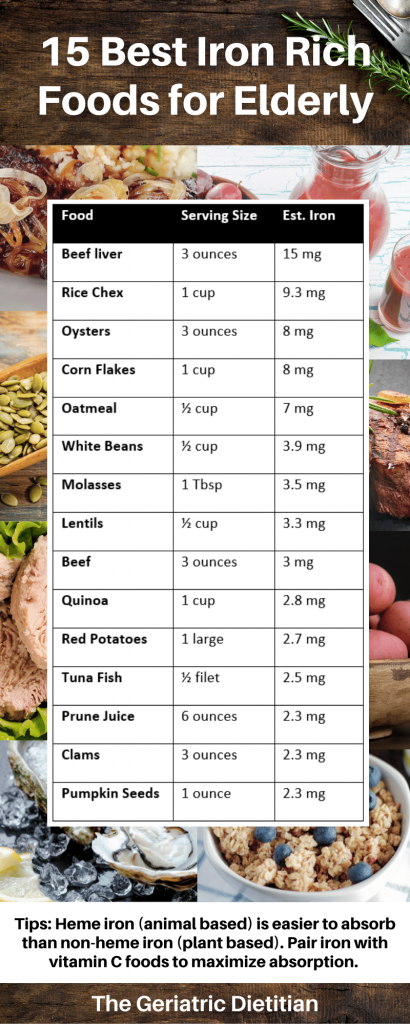
Nutrition directly impacts hemoglobin production, red blood cell health, and blood vessel function. These are critical for oxygen transport.
Iron-Rich Foods for Hemoglobin
Iron is essential for hemoglobin, the protein that carries oxygen in blood. Animal-based sources provide heme iron which absorbs better. These include lean red meat, chicken, turkey, and fish like salmon and tuna. Plant-based sources work when paired with vitamin C. These include spinach, lentils, beans, tofu, and fortified cereals. Eat with oranges, bell peppers, or strawberries to boost absorption.
Folate and B12 for Red Blood Cell Production
Deficiency causes anemia, reducing oxygen-carrying capacity. Folate sources include leafy greens like kale and spinach, broccoli, asparagus, lentils, and chickpeas. Vitamin B12 sources include eggs, dairy, fish, shellfish, and fortified nutritional yeast. Seniors often lack B12 due to reduced stomach acid, so ask your doctor about testing.
Antioxidant-Rich Foods to Protect Lungs
These fight oxidative stress and inflammation that impair lung function. Top choices include berries like blueberries and strawberries, citrus fruits like oranges and grapefruit, pomegranates and plums, nuts and seeds like almonds and flaxseeds, and vegetables like carrots, tomatoes, and sweet potatoes rich in beta-carotene. Eat a colorful plate daily to maximize protective benefits.
Nitrate-Rich Foods for Better Blood Flow
Nitrates convert to nitric oxide, which widens blood vessels and improves oxygen delivery. Best sources include beets and beetroot juice which are most effective, arugula and spinach, and celery and radishes. Drinking half a cup of beet juice daily improves exercise tolerance in older adults according to studies.
Use Supplemental Oxygen If Prescribed
When lifestyle changes are not enough, medical oxygen becomes essential.
When Oxygen Therapy Is Needed
Doctors prescribe oxygen therapy when resting SpO₂ is 88% or lower, when SpO₂ is 89% or lower during sleep or activity, or when signs of organ strain appear like swollen ankles or confusion. Only use oxygen under medical supervision since too much can be harmful.
Types of Oxygen Devices
Home concentrators work for daily use at home, plug in, and require low maintenance. Portable concentrators suit travel and walking, are battery-powered, and lightweight. Oxygen tanks serve short-term use but require refills and are less portable. Liquid oxygen addresses high needs but stores more oxygen and requires careful handling.
Using Oxygen Safely
Never smoke near oxygen equipment. Keep 5 feet from flames or heat sources like stoves and candles. Use a humidifier to prevent dry nose or throat. Clean the nasal cannula daily with mild soap. Follow prescribed flow rates which are usually 1 to 6 liters per minute.
Treat Underlying Health Conditions
Improving oxygen levels often depends on managing chronic diseases effectively.
COPD and Asthma
Use inhalers as directed including bronchodilators and steroids. Join a pulmonary rehab program. Avoid triggers like smoke, dust, and cold air.
Sleep Apnea
Use a CPAP machine every night. Lose weight if overweight. Sleep on your side to reduce airway collapse.
Heart Failure
Take diuretics to reduce lung fluid. Follow a low-sodium diet under 2,000 mg per day. Monitor weight daily since sudden gain means fluid buildup.
Anemia
Get tested for iron, B12, or folate deficiency. Take supplements if prescribed. Eat iron-rich meals regularly.
Respiratory Infections
Treat pneumonia with antibiotics if bacterial. Use antivirals early for Covid-19 like Paxlovid. Stay hydrated and rest.
Work with your doctor to optimize all conditions since better control means better oxygen.
Monitor Oxygen at Home Regularly
Early detection of declining SpO₂ prevents emergencies.
Use a Pulse Oximeter
This fingertip device gives instant SpO₂ and heart rate readings. Wash and warm your hand first. Place on a clean finger without nail polish. Wait 10 to 20 seconds for a stable number. Check at the same time each morning, after activity or exertion, and before bed to catch nighttime drops.
Track and Share Results
Keep a log of date, time, SpO₂, heart rate, and any symptoms. Call your doctor if SpO₂ is consistently below 94%, drops more than 4% during activity, or new symptoms develop.
Frequently Asked Questions About Improving Oxygen Levels in Elderly
What is a normal oxygen level for a 70-year-old?
A healthy saturation level for a 70-year-old is 95% to 100%. Readings around 95% may be acceptable with aging, but anything consistently below 94% should be evaluated by a doctor.
Does drinking water increase oxygen in the body?
Water does not directly add oxygen, but proper hydration improves blood flow and mucus clearance, enhancing oxygen delivery. Drinking 8 cups or 2 liters daily supports optimal lung and circulatory function.
Can vitamin D increase oxygen levels?
Vitamin D does not directly raise SpO₂, but it supports lung immunity and function. Deficiency is linked to increased respiratory infections and reduced lung capacity. Supplementation may benefit overall respiratory health.
What foods help put oxygen in the blood?
Foods that support oxygen transport include iron-rich foods like spinach, red meat, and lentils. Folate and B12 sources like leafy greens, eggs, and fortified grains help. Nitrate-rich vegetables like beets and arugula boost oxygen delivery. Antioxidant-rich fruits like berries, citrus, and pomegranates protect lung tissue.
What drink increases oxygen levels?
No beverage directly increases oxygen saturation, but beetroot juice may enhance oxygen efficiency through nitric oxide production. Water remains the most critical fluid for maintaining circulation and lung hydration.
Should I go to the hospital if my oxygen level is 92%?
A reading of 92% requires medical attention, especially if it is new or unexplained, accompanied by shortness of breath, chest pain, confusion, or cyanosis, occurs during rest or sleep, or you have underlying heart or lung disease. Contact a healthcare provider immediately or visit urgent care if symptomatic.
Key Takeaways for Improving Oxygen Levels in Elderly
Improving oxygen levels in the elderly is not about one big fix. It is the daily habits that add up. Breathing exercises like pursed-lip and diaphragmatic breathing reduce breathlessness and strengthen lungs. Movement through walking, water aerobics, or tai chi improves circulation and oxygen delivery. Staying upright maximizes lung space while good posture supports efficient breathing.
Hydration thins blood and clears mucus, helping oxygen move efficiently. Eating iron-rich foods, nitrates from beets, and antioxidant-packed fruits and vegetables supports oxygen transport at the cellular level. Fresh air and clean indoor environments reduce lung irritants. Treating underlying conditions like COPD, heart failure, anemia, and sleep apnea addresses root causes.
Monitor SpO₂ regularly and act immediately if readings drop below 94% at rest. Use supplemental oxygen only as prescribed, and never ignore new symptoms like confusion, chest pain, or bluish lips. Partner with your healthcare team to ensure safe, effective care. With the right approach, better oxygen and better quality of life are within reach.