You’re not imagining it, many older adults do sleep less as they age. But here’s the truth: seniors don’t need less sleep. Despite common belief, adults over 65 still require 7 or more hours of sleep per night, the same as younger adults. What changes with age isn’t the need for sleep, but the ability to achieve it.
If you or a loved one is waking up too early, struggling to fall asleep, or feeling unrested despite spending hours in bed, you’re not alone. Up to 50% of older adults report insomnia symptoms, and sleep becomes lighter, more fragmented, and harder to maintain. This guide breaks down exactly why these changes happen and what you can do about them.
Circadian Rhythm Changes in Older Adults
As people age, their internal body clock naturally shifts earlier, a phenomenon called phase advance. This means seniors often feel sleepy earlier in the evening, sometimes by 7 or 8 p.m., and wake up very early in the morning, often before 5 a.m. While this shift is normal, it can disrupt social routines and lead to frustration when sleep does not align with desired schedules.
Reduced Light Exposure Weakens Clock Signals
The brain’s suprachiasmatic nucleus, the master circadian clock, relies on daylight to stay synchronized. Older adults often spend more time indoors and are less physically active, reducing exposure to natural light. This weakens circadian entrainment, making it harder to maintain a stable sleep-wake rhythm.
Things that reduce light input to the brain include:
• Spending most time indoors
• Dim lighting in homes and care facilities
• Wearing sunglasses during the day
• Having cataracts that block light
Misaligned Sleep-Wake Drive
The balance between the circadian alerting system and the homeostatic sleep drive becomes less effective with age. The body no longer builds up sleep pressure as efficiently, and the evening wind-down signal is weaker. This leads to difficulty staying awake in the afternoon, earlier bedtime, and early, irreversible morning awakening.
Deep Sleep Decline with Age
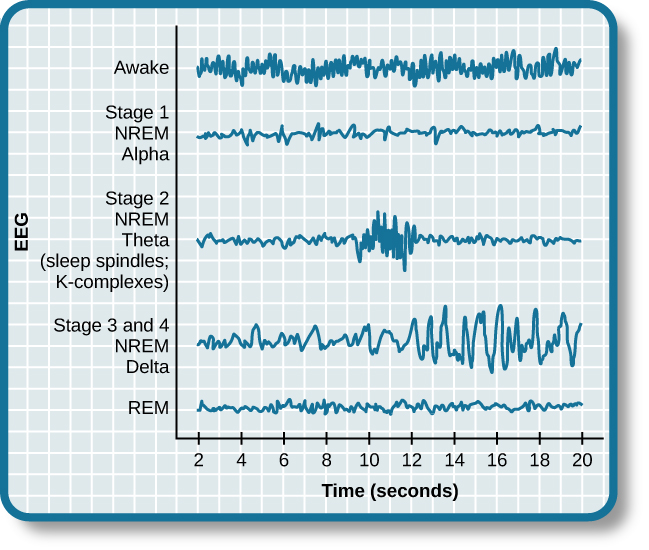
Sleep is not just about quantity. It is about quality. One of the most significant changes in aging is the loss of slow-wave sleep, also called N3 or deep sleep, which is the deepest and most restorative stage of sleep.
Less Time in Restorative Sleep
Deep sleep begins declining in the 20s and drops sharply by middle age. By age 60, many seniors spend very little time in N3 sleep. This leads to lighter, more fragile sleep that is easily disrupted by noise, pain, or movement.
More Light Sleep and More Awakenings
Older adults spend more time in N1 and N2 sleep, the lighter stages. While these are normal parts of the sleep cycle, too much light sleep means frequent nighttime awakenings. Older adults wake up an average of three to four times per night, with greater awareness of being awake and less recovery and physical restoration.
REM Sleep Becomes Shorter and Delayed
Rapid Eye Movement sleep, crucial for memory consolidation and emotional regulation, also changes with age. Total REM time decreases, and the first REM cycle starts later in the night. Sleep cycles, normally 90 minutes, become less regular.
Sleep Efficiency Drops After 60
Sleep efficiency, the percentage of time in bed actually spent sleeping, is the most reliable objective measure of sleep quality. After age 60, it declines steadily.
Normal sleep efficiency is 85% or higher. Many seniors fall below 80%, meaning over 20% of bedtime is spent awake. Efficiency drops by about 3% per decade after 60. This decline is due to longer time to fall asleep, more frequent and prolonged awakenings, and inability to return to sleep quickly.
Even if a senior spends 8 hours in bed, they may only get 6 hours of actual sleep, leading to non-restorative sleep and daytime fatigue.
Hormonal Changes Affecting Senior Sleep
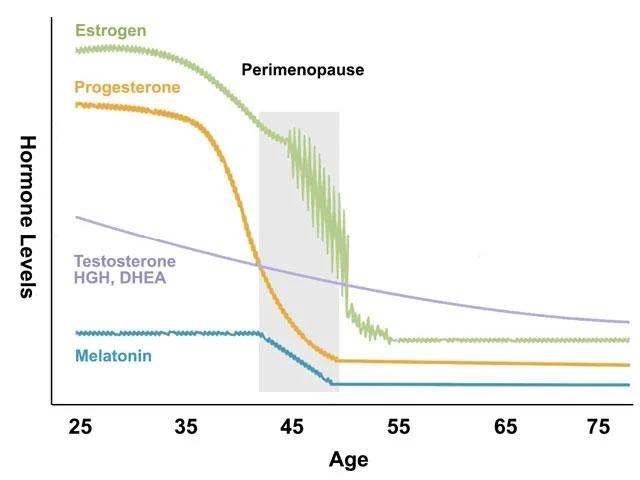
Hormonal changes play a major role in age-related sleep disruption.
Melatonin Decline Disrupts Timing
Melatonin, the hormone that signals darkness and promotes sleep, decreases significantly with age. Lower levels make it harder to fall asleep at night and weaken circadian rhythm alignment. Some seniors benefit from low-dose melatonin supplements, though product content can vary widely due to lack of FDA regulation.
Cortisol and Stress Hormones Rise at Night
Elevated evening cortisol, a stress hormone, delays sleep onset and reduces sleep quality. Chronic stress, anxiety, or medical conditions can keep cortisol levels high.
Sex Hormone Changes Affect Sleep
In women, menopause brings drops in estrogen and progesterone, leading to hot flashes and night sweats that affect up to 75% of menopausal women and cause waking multiple times per night. In men, declining testosterone is linked to reduced REM sleep, increased sleep fragmentation, and higher risk of sleep apnea.
Chronic Health Conditions That Disrupt Sleep
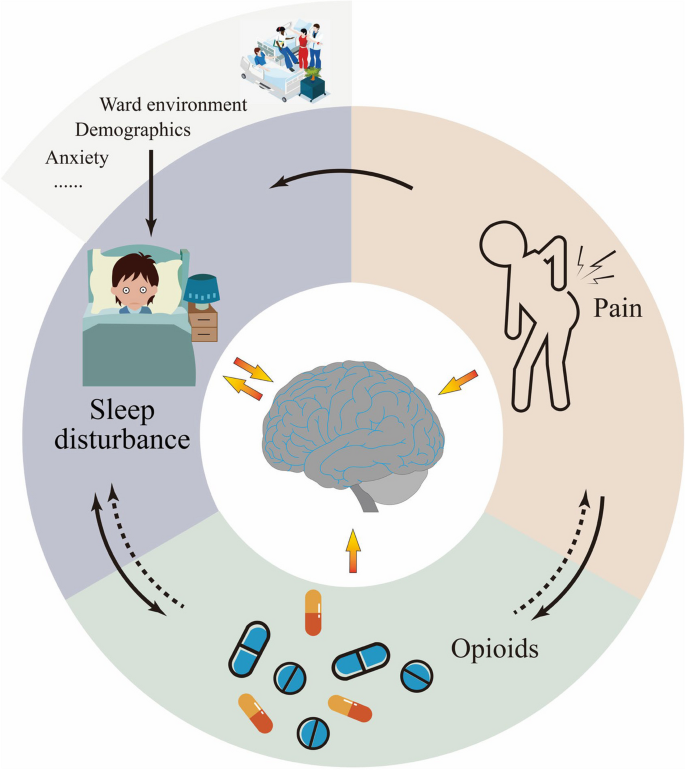
Many health conditions common in older adults directly interfere with sleep.
Pain and Mobility Issues
Arthritis, back pain, neuropathy, and other chronic pain conditions make it hard to fall and stay asleep. Frequent position changes due to discomfort increase awakenings.
Heart and Lung Conditions
Congestive heart failure can cause nocturnal dyspnea, waking up gasping for air. COPD and asthma worsen at night, leading to coughing and breathlessness. GERD flares when lying flat, and raising the head of the bed can help.
Neurodegenerative Diseases
Dementia and Alzheimer disease disrupt sleep-wake cycles, often causing sundowning and day-night reversal. Parkinson disease is linked to REM sleep behavior disorder and restless legs syndrome.
Nocturia: Frequent Nighttime Urination
Up to 80% of older adults wake up to urinate at least once per night. Causes include prostate enlargement in men, reduced bladder capacity in women, diuretic medications, and poor fluid management such as drinking too much late in the day.
Medications That Interfere with Sleep
Polypharmacy, taking multiple medications, is common in seniors and is a major contributor to poor sleep.
Common Sleep-Disrupting Drugs
• Diuretics cause nocturia
• Beta-blockers are linked to nightmares, insomnia, and reduced REM sleep
• Corticosteroids have stimulant effects that can delay sleep onset
• SSRI antidepressants may increase alertness or cause nighttime awakenings
• Stimulants for ADHD or Parkinson disease have obvious alerting effects
Avoid Over-the-Counter Sleep Aids
Products with diphenhydramine or doxylamine are widely used but not safe for older adults. They cause confusion, memory problems, urinary retention, constipation, increase fall risk, and lead to next-day drowsiness.
Common Sleep Disorders in Seniors
Several sleep disorders become more prevalent in later life.
Insomnia Affects Half of Seniors
Insomnia is defined as trouble falling or staying asleep occurring three or more nights per week for at least one month. Risk factors include female gender, widowhood, financial stress, and depression or anxiety. Persistent insomnia may be an early sign of depression.
Sleep Apnea Is Underdiagnosed
Sleep apnea affects 20 to 30% of older adults, especially those who are overweight. It causes breathing pauses during sleep, leading to oxygen drops, frequent micro-arousals, and loud snoring, gasping, or choking. Untreated, it increases risk of high blood pressure, stroke, heart failure, and cognitive decline.
Restless Legs and Limb Movements
Restless Legs Syndrome creates an urge to move the legs, worse at night. Periodic Limb Movement Disorder causes involuntary leg jerks during sleep. Both cause micro-awakenings and daytime fatigue. They are treatable with dopamine agonists or iron supplements if deficient.
Lifestyle Factors Hurting Older Adult Sleep
Retirement, reduced activity, and altered routines can destabilize sleep.
Inactivity Reduces Sleep Drive
Less physical movement means less build-up of sleep pressure. A sedentary lifestyle weakens circadian rhythm. Even light activity like walking or gardening improves sleep quality.
Poor Sleep Hygiene Worsens Problems
Common habits that sabotage sleep include using bed for TV, reading, or phone use, irregular sleep schedules, late-night screen exposure that suppresses melatonin, caffeine after noon, and alcohol before bed that disrupts REM and deep sleep.
Napping Habits Backfire
Long or late naps after 3 p.m. reduce nighttime sleep drive. While a short nap of one hour or less before 3 p.m. may help, habitual napping is linked to poorer nighttime sleep. Some seniors improve sleep by eliminating naps entirely.
Mental Health and Sleep in Older Adults
Mental health is tightly linked to sleep quality.
Insomnia as Symptom and Cause
Early morning awakening is a hallmark of depression. Chronic insomnia increases risk of developing depression. Anxiety leads to racing thoughts and hyperarousal at bedtime.
Worry About Sleep Makes It Worse
Spectatoring, obsessively watching the clock or monitoring sleep, increases anxiety. Fear of not sleeping creates a vicious cycle of sleeplessness. Misconceptions like needing exactly 8 hours or making up sleep by staying in bed lead to counterproductive behaviors.
CBT-I: The Gold Standard Treatment
Cognitive Behavioral Therapy for Insomnia is the most effective long-term treatment, more effective than sleeping pills.
How CBT-I Works
CBT-I combines several approaches. Sleep restriction limits time in bed to match actual sleep time, increasing sleep efficiency. Stimulus control reassociates bed with sleep, such as getting out of bed if not asleep within 15 minutes. Cognitive restructuring challenges unhelpful beliefs about sleep. Sleep hygiene education teaches healthy habits.
Typically 4 to 6 sessions with a trained therapist are needed. Online CBT-I programs are also effective and accessible.
Sleep Hygiene Strategies for Seniors
Small changes can make a big difference.
Optimize Your Sleep Environment
Keep bedroom cool at 60 to 67 degrees Fahrenheit, dark, and quiet. Use blackout curtains, white noise machines, or earplugs. Remove TVs, phones, and bright clocks.
Stick to a Sleep Schedule
Go to bed and wake up at the same time every day, even on weekends. Get up at your usual time even after a bad night. This strengthens circadian rhythm.
Use Bed Only for Sleep and Intimacy
No reading, eating, or screen use in bed. If awake for more than 15 minutes, move to another room and do something quiet until sleepy.
When to See a Sleep Specialist
Seek help if you take over 30 minutes to fall asleep, wake up frequently and cannot return to sleep, feel unrefreshed or sleepy during the day, snore loudly or gasp or choke at night, or have insomnia lasting 4 weeks or more.
Your doctor may take a detailed sleep history, recommend a sleep study, or refer you to a sleep clinic or CBT-I therapist.
Frequently Asked Questions About Senior Sleep
Do older adults need less sleep than younger people?
No. Older adults still need 7 or more hours of sleep per night, the same as younger adults. What changes is the ability to achieve this sleep, not the need for it.
Why do seniors wake up so early in the morning?
This is called phase advance, a normal shift in the circadian rhythm that happens with aging. The internal body clock shifts earlier, causing earlier sleepiness in the evening and earlier waking in the morning.
Is insomnia a normal part of aging?
No. While sleep changes are common with age, chronic insomnia is not inevitable. Poor sleep is more strongly associated with illness, medication use, poor sleep habits, and psychosocial stressors than with age itself.
Can seniors take sleeping pills safely?
Many sleeping pills, especially over-the-counter antihistamines and benzodiazepines, are not recommended for older adults due to risks of confusion, falls, urinary retention, and dependence. If medication is needed, short-term use of certain prescription sleep aids under doctor supervision may be appropriate.
Does exercise help older adults sleep better?
Yes. Regular physical activity, even light exercise like walking, improves sleep quality. However, vigorous exercise should be avoided within 3 hours of bedtime.
When should I worry about my aging parent’s sleep problems?
You should seek medical help if sleep problems persist for more than 4 weeks, if the person is excessively sleepy during the day, if there is loud snoring or gasping, or if poor sleep is affecting their mood, memory, or daily functioning.
Key Takeaways for Senior Sleep Improvement
Sleep quality is a critical indicator of overall health in older adults. While aging brings natural changes to sleep patterns, chronic insomnia and poor sleep are not normal and should never be accepted as inevitable.
The main factors contributing to reduced sleep in seniors include circadian rhythm shifts, loss of deep sleep, declining sleep efficiency, hormonal changes, chronic health conditions, medication effects, and lifestyle factors. Understanding these causes is the first step toward addressing them.
With the right strategies, most older adults can achieve better, more restful sleep. Light exposure in the morning, regular physical activity, cognitive behavioral therapy for insomnia, medication review, and treatment of underlying conditions are all effective approaches. Improving sleep enhances memory, mood, energy, and longevity. If you are struggling, take action. Talk to your doctor, try CBT-I, and make sleep a priority. Better rest is possible at any age.