You’ve shared countless walks, naps, and quiet moments with your Boston Terrier. But lately, you’ve noticed subtle changes—maybe they’re slower to rise in the morning, less eager to leap onto the couch, or sleeping a bit more. These small shifts could mean your pup is entering their golden years. A Boston Terrier is considered a senior starting at 7 to 8 years of age, even if they still act like a playful youngster. While this milestone varies slightly by individual, it marks the beginning of physiological aging that requires adjusted care.
Despite their compact size and typically long lifespan of 10 to 13 years—with some reaching their late teens—senior Bostons face unique health challenges. From joint stiffness and dental disease to cognitive changes and sensory decline, aging affects every system. This guide will walk you through the stages of seniorhood, key health concerns, nutrition needs, and practical steps to support your Boston Terrier’s comfort, mobility, and quality of life.
Senior Stages: 7 to 12+ Years
Boston Terriers age in distinct phases, each with its own care priorities. Recognizing where your dog falls helps tailor prevention and treatment.
Early Senior Years (7–9 Years)
At 7 to 9 years, your Boston Terrier may still seem youthful, but internal changes are underway. This stage is ideal for preventive care before symptoms appear. Watch for mild stiffness after rest, slight graying around the muzzle, reduced interest in high-energy play, and slower recovery after exercise.
Now is the time to transition to a senior-formulated diet, begin joint supplements, and schedule biannual vet check-ups. Early screenings for heart, eyes, and joints can catch issues before they become serious.
Middle Senior Years (9–11 Years)
Between 9 and 11, age-related conditions often emerge. Common signs include noticeable slowing on walks, difficulty jumping or climbing stairs, increased sleeping or napping, cloudy eyes from lenticular sclerosis, and hearing loss.
Veterinary monitoring becomes critical during this stage. Annual blood work, urinalysis, and blood pressure checks help detect kidney, liver, or thyroid issues early. Dental cleanings and eye exams should also be routine.
Super Senior Years (12+ Years)
Dogs reaching 12+ are in super senior territory. While many remain active, they often manage multiple health concerns. Focus shifts to comfort, pain control, and quality of life. Continue regular vet visits, but adapt expectations—shorter walks, more rest, and modified routines are normal.
Use tools like the HHHHHMM scale (Hurt, Hunger, Hydration, Hygiene, Happiness, Mobility, More good days than bad) to assess well-being objectively. When more days are difficult than joyful, it’s time to discuss end-of-life care with your vet.
Key Health Concerns in Aging Bostons
Senior Boston Terriers face several breed-specific and age-related health challenges. Early detection is key to managing them effectively.
Joint and Mobility Issues
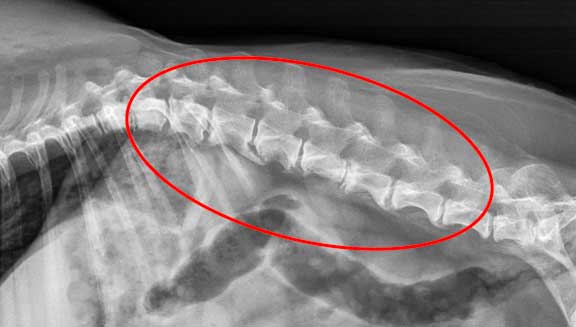
Boston Terriers are prone to joint problems that worsen with age. Common conditions include osteoarthritis causing pain and stiffness, patellar luxation common in small breeds, and intervertebral disc disease due to their compact build.
Signs to watch for include limping or favoring a leg, skipping gait where they suddenly lift a hind leg, hesitation to jump or climb, slow shuffling walk, and one leg appearing stuck during movement. Prevention and support strategies include using a front-clip harness instead of a collar to reduce neck strain, providing ramps or stairs for furniture access, adding non-slip rugs on hardwood or tile floors, maintaining ideal body weight since every extra pound stresses joints, and starting joint supplements (glucosamine, chondroitin, omega-3s) early.
Dental Disease
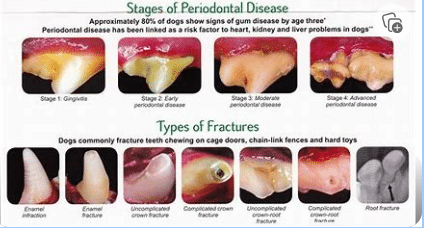
Dental issues are nearly universal in senior Bostons—and often hidden until severe. Warning signs include bad breath, dropping food while eating, bleeding gums or blood on toys, chewing on one side of the mouth, preference for soft food, and swollen face possibly indicating abscess.
Care plans should include professional dental cleaning every 1 to 3 years, dental X-rays during cleanings since 70% of disease hides below the gumline, daily tooth brushing as the best at-home method, VOHC-approved treats if brushing isn’t possible, and water additives or dental diets as supplements. Untreated dental disease can lead to heart, kidney, and liver damage.
Vision and Hearing Loss
Sensory decline is common but manageable with awareness. Vision changes to watch for include lenticular sclerosis (blue-gray clouding of the lens after 7 years), cataracts that may cause blindness and could be surgical, dry eye requiring lifelong treatment, and glaucoma as an emergency condition. Schedule annual eye exams with your vet or veterinary ophthalmologist.
Hearing loss signs include not responding to name or commands, startling easily when touched, and increased vocalization as compensation. Use hand signals, gentle taps, or vibration collars to maintain communication.
Cognitive Decline and Behavior Shifts
Senior Bostons may develop Canine Cognitive Dysfunction (CCD), similar to dementia in humans. Signs include wandering or getting stuck in corners, staring into space or walls, altered sleep-wake cycles with pacing at night, house soiling despite training, reduced interaction with family, and new anxiety or aggression.
Supporting brain health involves using puzzle toys and sniffing games for mental stimulation, maintaining a consistent daily routine, trying MCT oil or SAMe supplements (ask your vet first), considering prescription brain-support diets, and using Adaptil diffusers or anxiety wraps for stress. Never assume behavior changes are just aging—many stem from pain or medical issues.
Senior Nutrition: Feeding for Longevity
A Boston Terrier’s digestive system is sensitive, so diet must be high-quality and age-appropriate.
What Changes at 7 Years
As metabolism slows, seniors need fewer calories but still require high-quality nutrition. Reduced activity increases obesity risk, while muscle loss (sarcopenia) demands adequate protein. Digestive sensitivity means avoiding fillers and artificial ingredients.
Ideal senior diet features include high digestible protein to preserve muscle, lower fat content to prevent obesity, limited carbohydrates avoiding corn, wheat, and soy, joint-support nutrients like glucosamine and chondroitin, antioxidants (vitamins E and C for immunity), and prebiotics or probiotics for gut health.
Feeding Strategy
Transition to a small-breed senior formula at 6 to 7 years. Feed two smaller meals daily to aid digestion. Monitor body condition: ribs should be palpable but not visible, with waist visible from above. Avoid table scraps and high-fat treats.
Pro Tip: Warm food slightly to enhance aroma—this helps if your dog has reduced smell or appetite.
Preventive Vet Care: The 6-Month Rule
Senior dogs age faster than humans—one dog year equals 4 to 7 human years in later life. That’s why vet visits every 6 months are essential.
What happens at a senior check-up includes full physical exam (heart, lungs, joints, teeth, eyes), weight and body condition assessment, discussion of behavior appetite and mobility, and pain evaluation.
Recommended testing includes blood work (CBC, Chemistry) annually or biannually if ill to check liver, kidneys, blood sugar, and proteins; urinalysis annually to detect urinary infections and kidney issues; thyroid test (T4) annually after 7 years since hypothyroidism causes lethargy and weight gain; blood pressure as needed since high BP damages kidneys and eyes; and X-rays or ultrasound if symptoms arise to evaluate heart, lungs, joints, and abdomen.
Start annual blood panels at 7 years, even if your dog seems healthy. Early disease detection saves lives.
Pain Recognition: Subtle Signs Matter
Dogs hide pain instinctively. By the time limping or whining appears, discomfort may be severe.
Hidden signs of pain include reluctance to jump or climb stairs, licking a joint or paw obsessively, hunched posture or tucked belly, flinching when touched, avoiding slippery floors, eating softer food due to dental pain, withdrawal from family interaction, and aggression when lifted or handled.
Critical insight: A dog that still eats and wags its tail can still be in pain.
Pain management options include veterinary-prescribed NSAIDs (carprofen, meloxicam), gabapentin for nerve or chronic pain, laser therapy or acupuncture, physical rehabilitation (hydrotherapy, massage), and environmental adjustments (ramps, orthopedic beds). Never give human painkillers—many are toxic to dogs.
Daily Care Tips for Senior Bostons
Small changes at home make a big difference in comfort and safety.
Mobility support involves providing an orthopedic bed for joint support, using ramps for cars couches or beds, placing non-slip mats on floors, and using elevated food and water bowls to reduce neck strain.
Mental engagement strategies include using puzzle feeders and treat-dispensing toys, practicing short training sessions with new tricks to keep the brain active, playing scent games by hiding treats for nose work, and taking gentle leash walks with sniffing time.
Routine and comfort tips include sticking to consistent meal walk and bedtime schedules, keeping toys and water bowls easily accessible, providing quiet warm resting spots away from drafts, and using calming aids (Adaptil, ThunderShirt) if anxious.
When to Consider End-of-Life Care
The goal is quality, not just quantity of life. Use the HHHHHMM scale to guide decisions.
Healthy signs include pain controlled with medication, eating with interest or taking assisted feeding, staying hydrated without IV or subcutaneous fluids, maintaining cleanliness with no sores or incontinence odor, responding to family and enjoying moments, moving or being helped comfortably, and having more good days than bad.
If your Boston Terrier struggles in multiple categories despite treatment, talk to your vet about hospice care or humane euthanasia. It’s not giving up—it’s an act of love.
Frequently Asked Questions About Boston Terrier Senior Status
At What Age Does a Boston Terrier Become a Senior?
A Boston Terrier is considered a senior starting at 7 to 8 years of age. This marks the beginning of physiological aging, even if your dog still acts youthful and energetic. The transition typically progresses through early senior (7-9 years), middle senior (9-11 years), and super senior (12+ years) stages.
How Long Do Boston Terriers Typically Live?
The average lifespan of a Boston Terrier ranges from 10 to 13 years. With optimal care including proactive veterinary care, appropriate nutrition, healthy weight maintenance, and early detection of health issues, some individuals live into their late teens.
What Are the First Signs of Aging in Boston Terriers?
Early signs of aging include mild stiffness after rest, slight graying around the muzzle, reduced interest in high-energy play, and slower recovery after exercise. These subtle changes often appear during the early senior years (7-9) even when your dog seems otherwise healthy.
Should I Change My Boston Terrier’s Diet When They Turn 7?
Yes, transitioning to a senior small-breed formula around 6 to 7 years is recommended. Senior diets provide high-quality protein to preserve muscle, lower fat to prevent obesity, joint-support nutrients, and antioxidants. Feed two smaller meals daily and monitor body condition closely.
How Often Should Senior Boston Terriers See the Vet?
Senior Boston Terriers should visit the vet every 6 months for wellness exams. Annual blood work, urinalysis, thyroid testing, and blood pressure monitoring help detect age-related diseases early. Dental cleanings every 1 to 3 years are also essential.
What Are Common Health Problems in Senior Boston Terriers?
Common issues include joint problems (osteoarthritis, patellar luxation), dental disease, vision and hearing loss, and cognitive decline. Early detection through regular vet visits and monitoring for subtle behavior changes allows for timely management and better quality of life.
Key Takeaways for Caring for Your Senior Boston Terrier
A Boston Terrier becomes a senior at 7 to 8 years old, but with attentive care, many live joyfully into their teens. The most important actions you can take include scheduling biannual veterinary visits starting at age 7, transitioning to senior-formulated nutrition at 6 to 7 years, monitoring for subtle pain signs since dogs hide discomfort well, maintaining dental health through professional cleanings and daily brushing, providing joint supplements and environmental support (ramps, orthopedic beds), and using quality-of-life assessment tools regularly.
By recognizing the stages of aging, addressing health issues early, and adapting your Boston Terrier’s environment and routine, you can ensure your loyal companion’s later years are as comfortable, dignified, and loving as the first. Your attentive care during this life stage makes all the difference in their well-being.