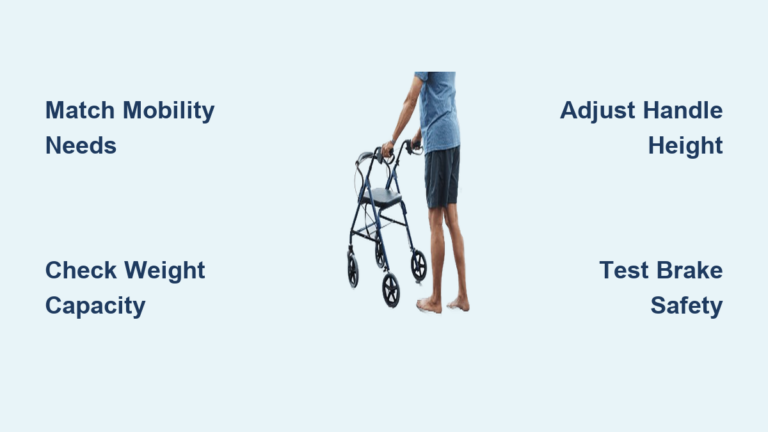
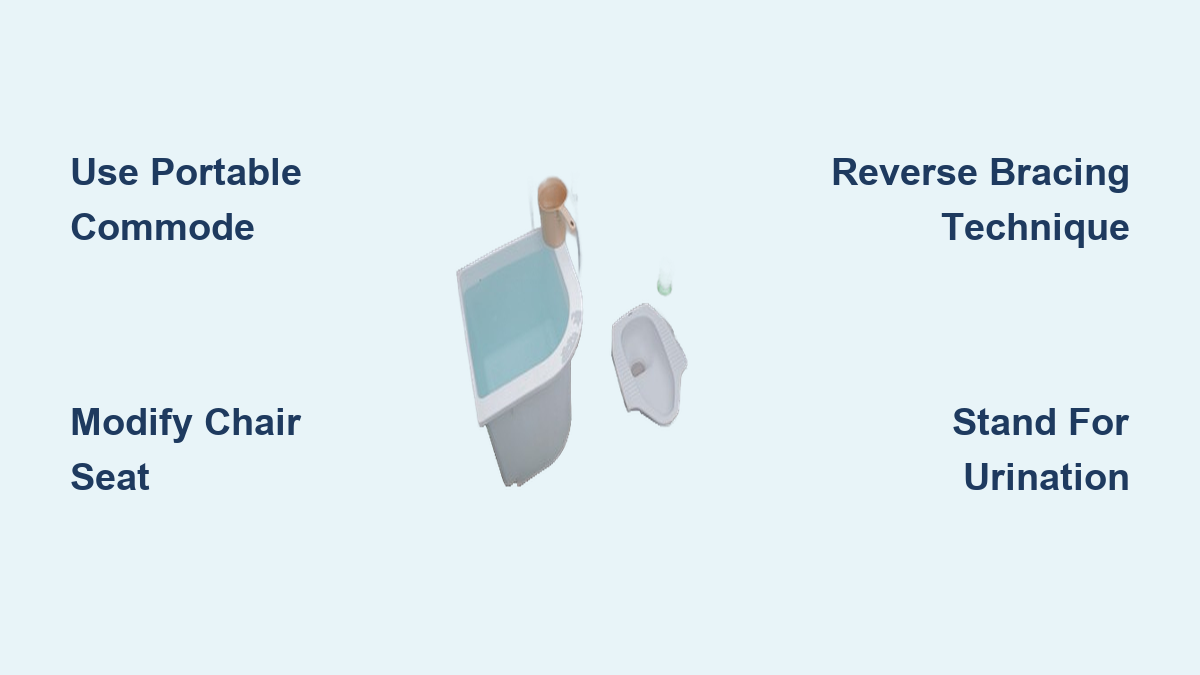
For many elderly individuals, using a squat toilet can feel daunting or even impossible. Common in Asia, the Middle East, Africa, and parts of Europe, these fixtures require balance, flexibility, and leg strength that often decline with age. Knee pain, hip replacements, weak core muscles, and fear of falling make the full squat position a serious challenge. Yet millions of older adults navigate these toilets daily using smart adaptations and assistive tools.
This guide delivers practical, tested strategies for elderly users, caregivers, and travelers. You will learn how to safely sit, brace, or stand over a squat toilet using portable devices, modified furniture, and body techniques that preserve dignity and hygiene.
Portable Commodes for Raised Seating
One of the most effective ways elderly users adapt to squat toilets is by converting them into seated toilets using portable camping commodes. These lightweight, foldable chairs fit directly over the squatting pan, allowing users to sit comfortably instead of squat.
Choose a Bagless Commode Model
Many portable commodes come with waste-collection bags, but for use over real plumbing, removing the bag is key. The open-bottom design lets waste drop directly into the toilet below, eliminating the need to carry or dispose of filled bags.
Benefits of portable commodes:
• Turns any squat toilet into a raised seat
• Stable four-leg base reduces fall risk
• Easy to clean with disinfectant wipes
• Reusable across multiple locations
• Compact enough to fit in luggage
Top Pick: Reliance Products Foldable Commode — lightweight, rust-resistant, and compact enough for travel.
Pro Tip: Test the commode at home first. Ensure it fits securely over a similar-sized opening and supports your weight without wobbling.
DIY Chair Modification Over Squat Toilets
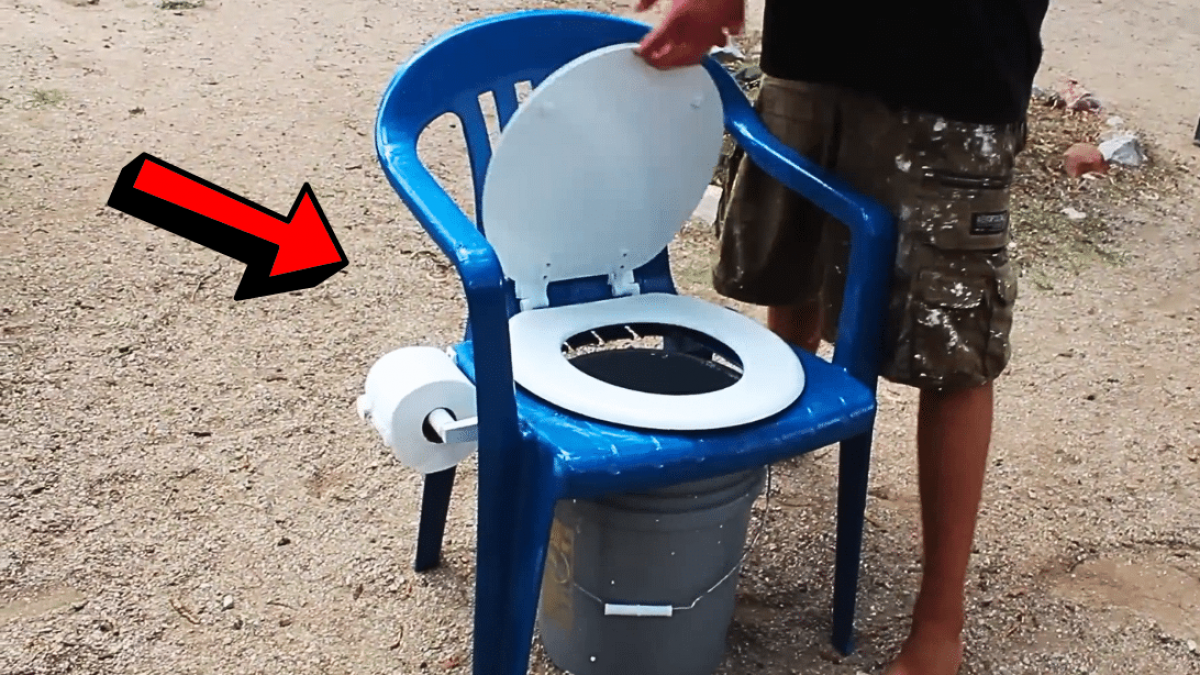
When commercial products are not available, a modified plastic chair offers a low-cost, permanent solution. This method is widely used in rural India, Vietnam, and Southeast Asia where squat toilets dominate.
How to Build a Modified Toilet Chair
- Select a sturdy plastic chair with short legs and a solid seat, such as a garden or utility chair.
- Cut an 8–10 inch diameter opening in the center of the seat using a jigsaw or hole saw.
- Shorten the legs if needed so the chair sits flat over the toilet recess without tipping.
- Add non-slip pads by attaching rubber feet or anti-slip tape under each leg for stability.
Place the chair directly over the squat toilet. The user sits as they would on a regular toilet.
Real-World Example: A 76-year-old man in rural Vietnam uses a permanent modified chair after hip replacement surgery. His family secured it with non-slip mats and added a handrail nearby.
Caution: Always test stability before full use. Avoid flimsy or wobbly chairs that could collapse under weight.
Reverse Bracing Technique for Partial Support
For those who can partially squat but need balance help, the reverse bracing technique provides critical support. This method requires no equipment and works in most public stalls.
How to Use Wall Bracing Safely
- Face the back wall of the cubicle, away from the flush mechanism.
- Place both hands on the wall at shoulder height for support.
- Position feet on the foot platforms on either side of the toilet pan.
- Lower slowly into a partial squat, using arm strength to control descent.
- Push through arms and legs to stand back up.
This technique reduces knee strain and improves balance during entry and exit.
Best For:
• Mild mobility issues
• Post-surgery recovery
• Overweight users needing extra stability
Pro Tip: Wear loose clothing to allow easier movement and quicker access.
Standing Method for Urination Only
For male users or women managing light bathroom needs, standing over the squat toilet is a viable workaround, especially when squatting is not possible.
How to Stand Safely Over a Squat Toilet
- Straddle the toilet pan with legs wide apart.
- Bend one leg slightly, usually the stronger or uninjured side, to improve aim.
- Hold undergarments aside with one hand.
- Use the flush mechanism to clean any splatter afterward.
Case Example: A woman wearing a leg cast in France used this method for urination over three summers. She noted that the flush handles cleanup and accuracy is not perfect, but it gets the job done.
Limitations:
• Not suitable for bowel movements
• Requires some balance and leg mobility
• May feel undignified to some users
Commercial Assistive Tools for Elderly Users
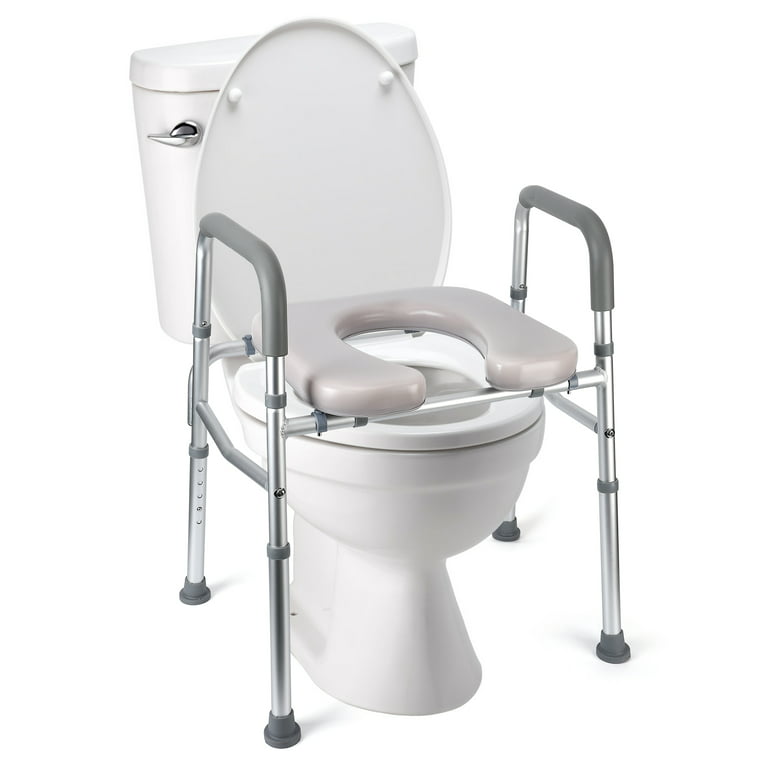
Beyond DIY hacks, several market-ready products enhance safety and comfort on squat toilets.
Available Products
Travel Toilet Seat Risers: Lightweight plastic seats that elevate the sitting position. Some include armrests for support. Must be paired with a stable platform to work over floor-level toilets.
Portable Toilet Frames with Handles: Metal or plastic frames that sit over any toilet type. Feature side handles for gripping during sit-to-stand transitions. Often used in home care settings.
Collapsible Commodes with Open Bottom: Designed for camping but perfect for travel. No waste bag required when used for direct flush compatibility. Folds flat for easy storage.
Price Guide (2024):
• Basic model: $25–$40 (Amazon, REI)
• Heavy-duty with armrests: $50–$80
Pro Tip: Pack disinfectant wipes to clean the seat before and after use. Many public squat toilets lack hygiene supplies.
Home and Facility Modifications for Safety
In households with elderly members, permanent changes can make squat toilets safer and more accessible.
Install a Fixed Elevated Seat
A modified chair or custom-built seat mounted over the toilet provides a permanent solution. Secure it with non-slip padding or brackets and remove only for cleaning.
Example: Families in Indonesia install permanent plastic seats with removable lids over squat toilets for visiting seniors.
Add Non-Slip Flooring and Grab Bars
Apply textured mats or anti-slip coatings around the toilet area to prevent slips on wet tile or concrete. Wall-mounted grab bars near the toilet provide balance support, especially helpful when lowering into or rising from a squat.
Warning: Avoid placing grab bars on flimsy walls. Use reinforced anchors for safety.
Pre-Trip Planning for Elderly Travelers
Traveling to countries with squat toilets requires preparation to avoid bathroom emergencies.
Essential Pre-Travel Steps
- Test equipment before you go: Buy and practice using a portable commode at home. Ensure it fits in your bag and sets up quickly.
- Pack smart clothing: Choose elastic-waist pants or quick-release garments. Avoid buttons, zippers, or layered clothing that slows undressing.
- Carry hygiene essentials: Toilet paper (many squat toilets do not provide it), hand sanitizer, and disposable seat covers.
- Locate accessible restrooms in advance: Major airports, train stations, and tourist sites in Japan, China, and Turkey often have Western-style toilets. Use apps like Flush Toilet Finder (Japan) or SitOrSquat to locate sit-down options.
- Get travel insurance with mobility coverage: Covers rental of temporary aids or emergency medical care, essential for post-surgery or rehab travelers.
Real User Scenarios and Proven Success
Case 1: Post-Surgery Traveler (58-Year-Old Woman)
After lumbar surgery, she could not sustain a squat for more than 10 seconds. She brought a foldable camping commode without a bag and used it independently in Japan and Thailand with no incidents and full confidence.
Case 2: 76-Year-Old Man in Rural Vietnam
After hip replacement five years prior, he had limited squat depth. His family installed a permanent cutout chair over the toilet with a non-slip mat. He regained full bathroom independence at home.
Case 3: Overweight Traveler with Knee Pain
Struggling with balance and deep squatting, this user practiced the reverse bracing technique and wore loose shorts. They managed public toilets across India with minimal stress.
These cases demonstrate that with the right tools and practice, elderly and mobility-limited users can adapt successfully.
Limitations and Cultural Considerations
Despite available solutions, challenges remain that users should anticipate.
Common Obstacles
Space Constraints in Public Stalls: Many cubicles are too narrow for portable commodes. Limited room exists to maneuver with walkers or canes.
Cultural Norms and Hygiene Perceptions: Placing personal items over shared toilets may be seen as unhygienic. Some facilities discourage or prohibit foreign objects.
Lack of Standardization: Squat toilet sizes vary by country and installation age. A commode that fits in Thailand may not fit in Turkey.
Privacy and Dignity Concerns: Bracing or standing techniques may feel awkward or expose more than desired. Users report anxiety about being seen or judged.
There is no one-size-fits-all fix, but awareness and preparation go a long way.
Final Tips for Caregivers and Families
Supporting an elderly person around squat toilets requires thoughtful planning and empathy.
Best practices:
• Discuss bathroom needs early. Do not wait until travel or crisis occurs.
• Purchase and test adaptive tools together.
• Encourage practice at home to build confidence.
• Prioritize dignity. Choose solutions that empower, not embarrass.
• Advocate for accessibility in community spaces when possible.
Frequently Asked Questions About Elderly Use of Squat Toilets
Can elderly people use squat toilets safely without assistance?
Yes, with the right tools and preparation. Portable commodes, modified chairs, and body techniques allow elderly users to maintain independence. Testing equipment at home builds confidence and ensures safety.
What is the easiest assistive device for elderly travelers using squat toilets?
A foldable camping commode without a waste bag is the most recommended option. It converts any squat toilet into a seated toilet, provides stable support, and packs easily in luggage.
Are there any quick solutions for sudden mobility issues while traveling?
The reverse bracing technique requires no equipment. Face the wall, place hands at shoulder height, and use arm strength to control descent and ascent. This works in most public stalls.
How do caregivers help elderly individuals prepare for regions with squat toilets?
Start by discussing needs well in advance. Purchase adaptive tools together and practice using them at home. Choose quick-release clothing and carry hygiene supplies. Locate accessible restrooms at destinations before arrival.
What should elderly travelers pack for destinations with squat toilets?
Pack a foldable commode, disinfectant wipes, toilet paper, hand sanitizer, elastic-waist pants, and any prescribed mobility aids. Travel insurance with mobility coverage is also essential.
Do squat toilet adaptations work in all countries?
Not always. Squat toilet dimensions vary significantly by region and installation age. Always test equipment at home over a similar fixture and carry multiple options if possible.
Key Takeaways for Using Squat Toilets as You Age

Elderly individuals can use squat toilets safely and independently with proper support. Whether through a portable commode, a modified chair, or a smart body technique, dignified bathroom access is achievable. The most effective solutions include foldable commodes for raised seating, DIY chair modifications for permanent home installations, and the reverse bracing technique for public stalls. Planning ahead, testing equipment at home, and choosing quick-release clothing make a significant difference. By preparing in advance, older adults and caregivers can turn a potential obstacle into a manageable routine, no matter where they are in the world.