
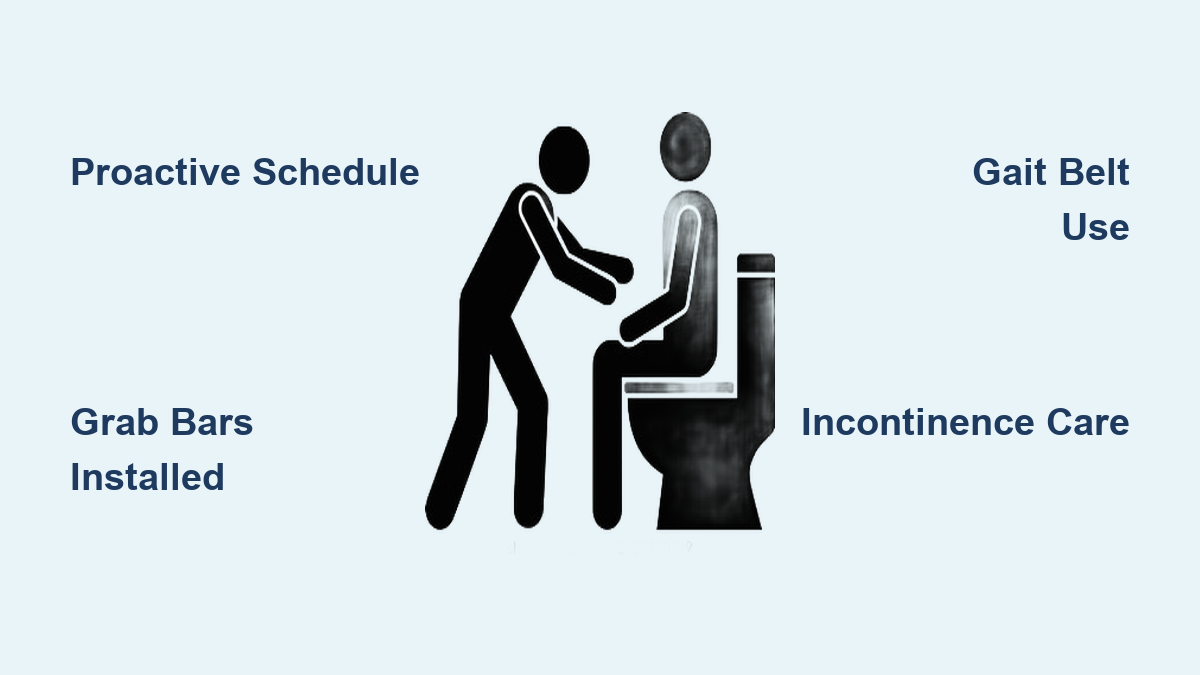
Helping an elderly person with toileting is one of the most intimate and essential caregiving tasks. As mobility declines, cognition changes, or chronic conditions progress, many older adults require support to use the bathroom safely and maintain hygiene. Knowing how to assist elderly with toileting without compromising their dignity or your safety requires knowledge, preparation, and empathy. This guide provides a clear, step-by-step approach to toileting assistance that prioritizes safety, independence, and respect.
You will learn how to recognize when help is needed, adapt the bathroom for accessibility, use proper transfer techniques, manage incontinence with compassion, and protect yourself from injury. Whether you are a family caregiver or a professional, these practical strategies will help you provide better care for seniors with dementia, arthritis, stroke recovery, or nighttime disorientation.
Recognize Toileting Needs Early
Many elderly individuals cannot verbally express their need to use the bathroom, especially those with dementia or communication impairments. Waiting for a direct request often leads to accidents, skin irritation, and emotional distress. Instead, caregivers must observe behavioral cues and establish proactive routines.
Watch for Non-Verbal Signs
Look for these common indicators that an older adult needs to toilet:
- Pacing or circling near bathrooms or corners
- Tugging at clothing, especially around the waist or groin
- Fidgeting, restlessness, or sudden agitation
- Touching or scratching the genital area
- Hiding in private spaces or attempting to undress inappropriately
- Unexplained confusion or vocalizations
For individuals with Alzheimer’s or other dementias, these behaviors may be the only signal that they need help.
Identify Physical Limitations
Mobility issues often prevent timely access to the toilet. Watch for:
- Difficulty standing from a chair or bed
- Hesitation before walking to the bathroom
- Frequent urinary accidents or bowel incontinence
- Signs of discomfort, fullness, or straining
- Poor hygiene after using the toilet
Prompt recognition allows for early intervention, reducing falls, infections, and embarrassment.
Establish a Proactive Toileting Schedule
Relying on verbal requests is unreliable, especially for cognitively impaired seniors. A structured toileting routine prevents accidents, supports bladder and bowel health, and promotes independence.
Follow a Consistent Schedule
Guide the person to the toilet every:
- Two hours during waking hours if they have dementia or incontinence
- Three to four hours if they have mild mobility issues
- After meals, since digestion stimulates bowel movement
- Before bedtime to reduce nighttime urination
- Upon waking and before naps
Avoid asking “Do you need to go?” Many seniors will say no even when they do. Instead, say: “It is time to try the bathroom now. Let us go together.”
Personalize the Schedule
Track patterns using a care log. Note when the person typically urinates or has bowel movements. Adjust timing based on fluid intake, medications, or observed behaviors. Use calendars or apps to share information with other caregivers. Over time, a consistent routine can help retrain the bladder and reduce incontinence episodes.
Modify the Bathroom for Safety
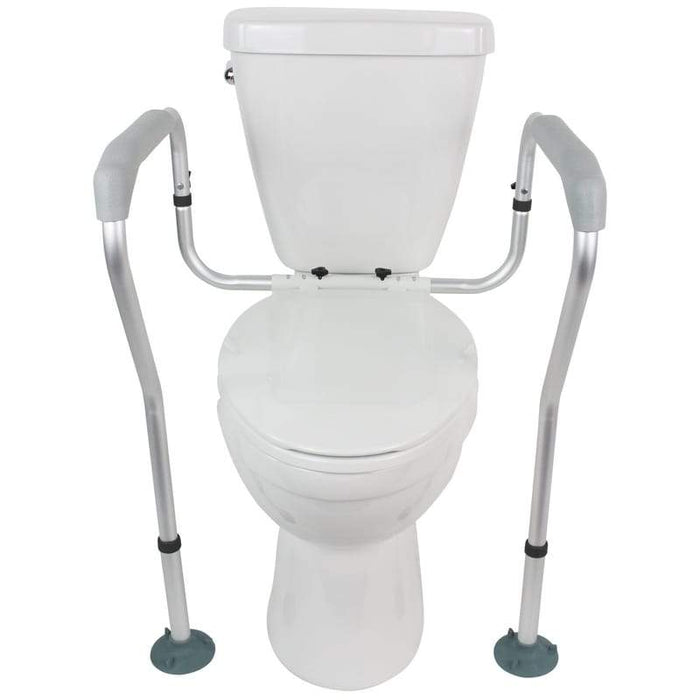
The bathroom is the most dangerous room in the house for older adults. Over 80 percent of falls occur in the bathroom due to wet surfaces, poor lighting, and lack of support. Simple modifications dramatically improve safety and independence.
Install Key Safety Equipment
Essential upgrades include:
- Raised toilet seat, two to six inches higher, to ease sitting and standing
- Toilet safety rails or grab bars near the toilet and in the shower
- Non-slip flooring or secured anti-slip mats, avoiding loose rugs
- Motion-activated nightlights along the path to the bathroom
- Adequate daytime lighting of at least 100 lumens
Grab bars should be wall-mounted into studs, not towel racks, for maximum support.
Optimize Toilet Visibility
For seniors with dementia, use a high-contrast toilet seat, such as red or blue on a white bowl. Keep the bathroom door open so the toilet is visible. Add a picture of a toilet on the door as a visual cue. Minimize visual distractions like patterned floors or cluttered countertops. These cues reduce confusion and help the person locate the toilet independently.
Choose Adaptive Clothing for Quick Access
Clothing that is hard to remove increases the risk of accidents and caregiver strain. Simple changes make a big difference.
Use Easy-Access Garments
Recommended clothing features include:
- Elastic or Velcro waistbands
- Front-opening shirts or pullover styles
- Side-snap pants or zipperless designs
- Slip-on shoes with non-skid soles
Avoid buttons, zippers, belts, and layered outfits that slow down undressing.
Label Clothes if Needed
For individuals with cognitive decline, label clothing with pictures or words. Use color-coded systems to support independence and reduce frustration during dressing and undressing.
Prepare Supplies and Hygiene Aids
Having everything within reach streamlines the process and maintains dignity.
Stock a Toileting Kit
Keep a basket near the toilet containing:
- Toilet paper
- Incontinence wipes or moist cleansing cloths
- Disposable gloves
- Barrier cream such as zinc oxide
- Clean underwear or protective pads
- Scented disposal bags
Use Assistive Hygiene Tools
Helpful devices include toilet tissue aids with long handles for self-wiping. Bidet attachments or portable spray bottles provide gentle cleaning. Over-the-toilet hygiene caddies organize supplies within reach. These tools promote independence and reduce caregiver involvement in intimate tasks.
Assist with Transfers Safely
Transferring from a wheelchair, walker, or bed to the toilet requires proper technique to prevent falls for both the senior and the caregiver.
Use Proper Body Mechanics
To avoid back injury, bend your knees, not your back. Stand with feet shoulder-width apart. Keep your back straight and core engaged. Use your leg muscles to lift or support. Never pull on arms or shoulders, since they are not designed to bear weight.
Support with a Gait Belt
A gait belt provides secure support during transfers. Wrap it snugly around the person’s waist. Hold the belt handles while guiding them to stand or sit. This prevents pulling on clothing or limbs. Always ensure the belt is clean and free of tears before use.
Guide the Transfer Step-by-Step
Use calm, clear instructions. First, tell them to stop and turn around until they feel the seat behind them. Second, ask them to place their hands on your forearms for balance. Third, instruct them to lean forward, then lower themselves slowly. Stand in front of them, offering counterbalance as they sit.
Position Correctly on the Toilet
Proper posture improves elimination and reduces straining.
Encourage Forward-Leaning Posture
Instruct the person to sit fully on the seat and lean slightly forward. Resting elbows on knees helps. Keeping feet flat on the floor or a footrest aligns the pelvic floor and aids bladder and bowel emptying.
Allow Time to Finish
Let them sit for three to five minutes, even if no immediate output occurs. This helps re-engage natural bodily cues, especially in dementia patients. Avoid rushing or showing impatience.
Help with Clothing Management
Assist just enough to maintain independence while preventing delays.
Guide, Do Not Do Everything
Ask “Can you pull your pants down?” If no response, place your hand over theirs and guide the motion. Use tactile cues like touching the waistband to prompt action.
Use Verbal Prompts
Short, simple commands work best. Use phrases like “Pull down,” “Push down,” or “Lift your leg.” Wait five to ten seconds after each prompt to allow processing time.
Ensure Thorough and Safe Clean-Up
Incomplete hygiene leads to infections, odor, and skin breakdown.
Wipe Front to Back
For women, always wipe from front to back to prevent urinary tract infections. Use incontinence wipes or moistened cloths for better cleaning.
Check for Cleanliness
Inspect the area visually or with a tissue. Re-wipe if needed. Offer partial assistance if the person can initiate but not finish.
Dry Skin Completely
Moisture causes rashes and sores. Pat dry thoroughly, especially in skin folds. Apply barrier cream to protect sensitive skin.
Assist with Handwashing
Help turn on the faucet, apply soap, and dry hands. Use warm water and mild, pH-balanced soap. If the sink is out of reach, use alcohol-free hand wipes.
Handle Incontinence with Compassion

Incontinence affects up to half of older adults in care settings, but it is manageable with dignity.
Use Appropriate Products
Choose based on needs. Light leakage requires absorbent pads or panty liners. Moderate cases need protective underwear. Heavy incontinence requires adult briefs with tabs for easy changes. Ensure proper fit to prevent leaks and chafing.
Change Promptly
Check every two hours if the person is nonverbal or bedbound. Change immediately after soiling to prevent skin breakdown and urinary tract infections.
Protect Skin and Prevent Sores
After each change, cleanse gently with no-rinse wipes. Dry thoroughly. Apply zinc oxide or dimethicone-based cream. Monitor for redness, rash, or pressure sores. Inspect the sacrum, buttocks, and groin daily.
Reassure Emotionally
Say “This happens to many people. It is nothing to be ashamed of.” Avoid scolding, rushing, or making jokes, even if well-intended.
Assist with Bedpan Use When Needed
For bedridden individuals, the bedpan allows toileting without moving.
Prepare the Environment
Close curtains or door for privacy. Explain each step calmly. Raise the head of the bed to 30 to 45 degrees if possible.
Position the Bedpan Correctly
Ask the person to lift their hips while you slide the bedpan under. If unable, roll them to one side, place the pan with the curved edge toward the feet, then roll back. Cover the lap with a towel for modesty.
Remove and Clean Safely
After use, ask them to lift hips while you remove the pan. If immobile, roll to side and remove carefully. Empty contents into the toilet. Wash the bedpan with hot, soapy water and dry. For men, a urinal may be easier for nighttime use.
Support Dementia-Related Challenges
Cognitive decline changes how individuals perceive and respond to toileting needs.
Use Simple Cues
Break tasks into small steps: “Sit down,” “Pull down,” “Wipe,” “Stand up.” Give one instruction at a time.
Demonstrate Actions
Use mirroring. Show what to do by mimicking the action. For example, pretend to pull down your own pants while saying “Pull down.”
Redirect Gently
If the person resists, stay calm and avoid arguing. Step away and return in five minutes. Try a different approach. For example, say “Let us wash your hands,” then lead to the toilet. Resistance often stems from fear or confusion, not defiance.
Ensure Nighttime Safety
Falling at night is a leading cause of injury. Nocturia and disorientation increase risk.
Reduce Fall Hazards
Place a bedside commode within arm’s reach. Use motion-sensor floor lights to illuminate pathways. Keep the bathroom door open and light on.
Limit Evening Fluids
Reduce intake one to three hours before bed, especially caffeine, alcohol, and diuretic medications. Ask the doctor about timing.
Monitor with Technology
Consider bed exit alarms that alert when the person stands. Motion sensors in hallways or bathrooms provide additional safety. Wearable monitors work for high-risk individuals.
Prioritize Caregiver Safety
You cannot care for others if you are injured. Protect your body and mental well-being.
Prevent Back Strain
Always bend your knees, not your back. Use gait belts, transfer benches, or mechanical lifts when needed. Never lift alone if the person is heavy or uncooperative.
Use Assistive Devices
Recommended tools include transfer benches for shower access, shower chairs with back support, lift chairs for rising from seated position, and ceiling lifts for full dependency. Consult an occupational or physical therapist for training.
Know When to Seek Help
Call for professional support if you experience back pain or fatigue, if the person requires full assistance, if there are frequent falls or aggressive behaviors, or if you feel overwhelmed or emotionally drained. Hiring a trained home health aide provides respite and ensures safe care.
Tailor Care to Specific Conditions
Different health issues require customized approaches.
For Late-Stage Dementia
Focus on routine, touch, and tone over words. Use rhythmic cues like “one, two, stand” to guide movement. Allow extended sit-time to reconnect with bodily signals. Maintain non-verbal reassurance through gentle touch, eye contact, and calm voice.
For Mobility Issues
Allow extra time for each step. Encourage partial independence by saying “You do what you can, I will help the rest.” Use adaptive equipment like raised seats and grab bars.
For Urinary Tract Infections
Sudden changes may signal infection. Watch for cloudy or foul-smelling urine, fever, confusion, or increased agitation. Contact a healthcare provider immediately, since urinary tract infections can escalate quickly in older adults.
Frequently Asked Questions About Assisting Elderly with Toileting
How often should I take an elderly person to the toilet?
Take them every two to four hours during waking hours, regardless of whether they ask. Also take them after meals, before bedtime, upon waking, and before naps. This proactive schedule prevents accidents and supports bladder and bowel health.
What is the proper way to help someone transfer to the toilet?
Stand with your feet shoulder-width apart and bend your knees. Have the person place their hands on your forearms for balance. Guide them to turn around until they feel the toilet behind them. Support their trunk or hips, never pull on their arms or shoulders. Use a gait belt for additional safety.
How do I maintain dignity while assisting with toileting?
Close doors and use towels for coverage. Explain each step before doing it. Encourage independence by letting them do what they can. Use positive reinforcement and avoid shame or scolding. Respect their privacy by minimizing exposure.
What should I do if the person resists help?
Stay calm and avoid arguing. Step away and return in five minutes. Try redirecting their attention, such as suggesting handwashing first. Resistance often stems from fear or confusion, not defiance.
How can I prevent falls during nighttime toileting?
Place a bedside commode within arm’s reach. Install motion-sensor lights along the pathway. Keep the bathroom door open and light on. Limit fluids one to three hours before bedtime. Consider bed exit alarms for high-risk individuals.
When should I seek professional help for toileting assistance?
Seek help if you experience back pain or physical strain. Call a professional if the person requires full dependence for transfers, has frequent falls, or shows aggressive behaviors. Consider hiring a home health aide if you feel overwhelmed.
Key Takeaways for Helping Elderly with Toileting
Assisting an elderly person with toileting requires a balance of safety, dignity, and compassion. The most important elements include establishing a consistent toileting schedule every two to four hours, modifying the bathroom with grab bars, raised seats, and non-slip mats, and using proper body mechanics to protect yourself from injury.
Recognize non-verbal cues like pacing, fidgeting, or tugging at clothing, since many elderly individuals cannot verbally express their needs. Handle incontinence with appropriate products, prompt changes, and skin protection. For dementia patients, use simple instructions, visual cues, and gentle redirection.
With the right tools, techniques, and mindset, you can turn a challenging task into a moment of connection and respect. By applying these strategies consistently, you ensure safer, more comfortable, and more humane care for your loved one or client every single day.