Creating a safe bedroom for an elderly loved one requires more than just comfortable furniture. Falls are the leading cause of injury among older adults, with 36 million falls occurring annually in the United States. The bedroom, where seniors spend significant time resting and moving at night, must be carefully designed to prevent accidents, support medical needs, and preserve dignity. This guide provides step-by-step instructions on how to set up bedroom for elderly spaces using evidence-based strategies that reduce fall risk, ease caregiving tasks, and promote independence.
By following these recommendations, you can transform any bedroom into a secure, functional environment that supports aging in place or recovery after hospitalization. Each section addresses critical safety considerations, from room selection to smart technology integration.
Choose the Right Room Location for Safety
The first and most important decision is selecting which room will serve as the bedroom. Room placement directly impacts fall risk and daily convenience.
Prioritize Ground-Floor Bedrooms
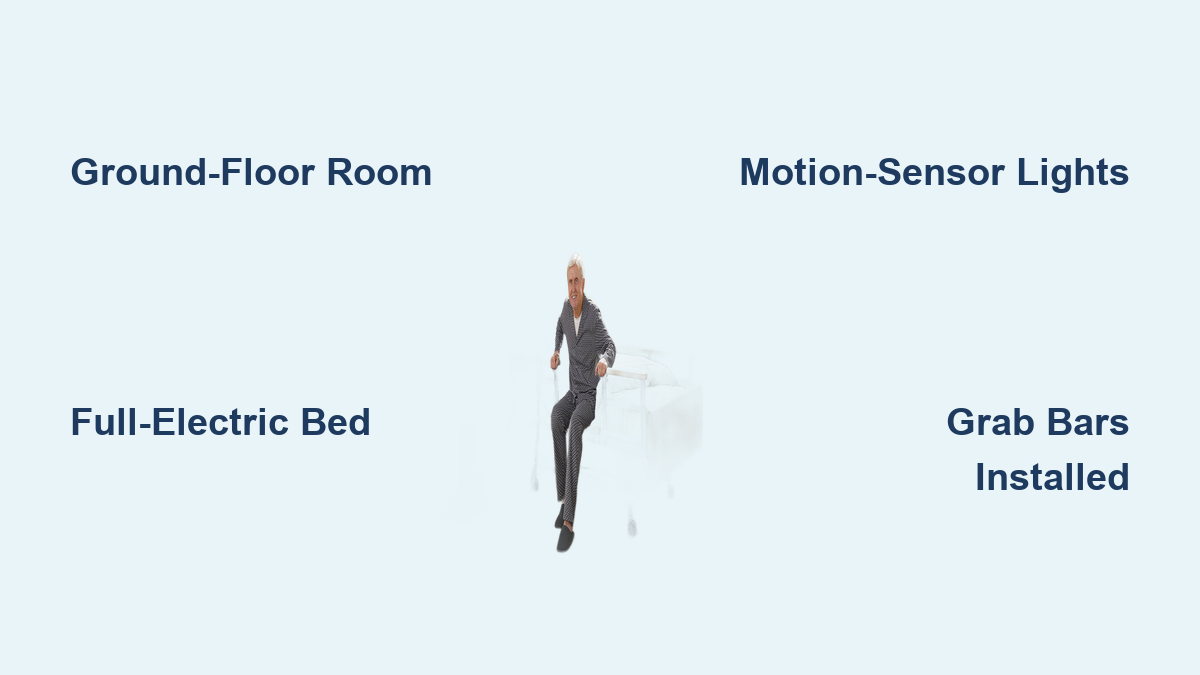
Stairs present one of the greatest dangers for older adults, especially during nighttime bathroom trips when balance may be impaired. A ground-floor bedroom eliminates the need to navigate stairs repeatedly, significantly reducing fall risk. If your only available bedroom is upstairs, consider installing a stair lift or converting a ground-floor space like a den or formal dining room into a bedroom. For individuals recovering from surgery or illness, sleeping on the main level is essential for safe navigation during early recovery.
Position the Room Near the Bathroom
The ideal elderly bedroom is located within 10 feet of a bathroom to minimize the distance traveled during frequent nighttime trips. If relocating is not possible, install a bedside commode or portable toilet to reduce the risk of falls on the way to the bathroom. This solution works as both a temporary measure during recovery and a permanent setup for those with significant mobility limitations.
Ensure Adequate Doorway Clearance
Standard doorways measuring 30 inches may not accommodate wheelchairs, hospital beds, or patient lifts. Aim for minimum 32-inch clearance for basic wheelchair passage, with 36 inches being ideal for bariatric equipment and ceiling lift rails. You can gain 1 to 2 inches by installing offset hinges without major renovation. For a permanent solution, consider widening doorways or replacing swing doors with sliding or pocket doors.
Select the Proper Bed Type and Height
The bed is the most critical piece of equipment in an elderly bedroom. Choosing the right type directly affects safety, comfort, and caregiver efficiency.
Opt for Full-Electric Hospital Beds
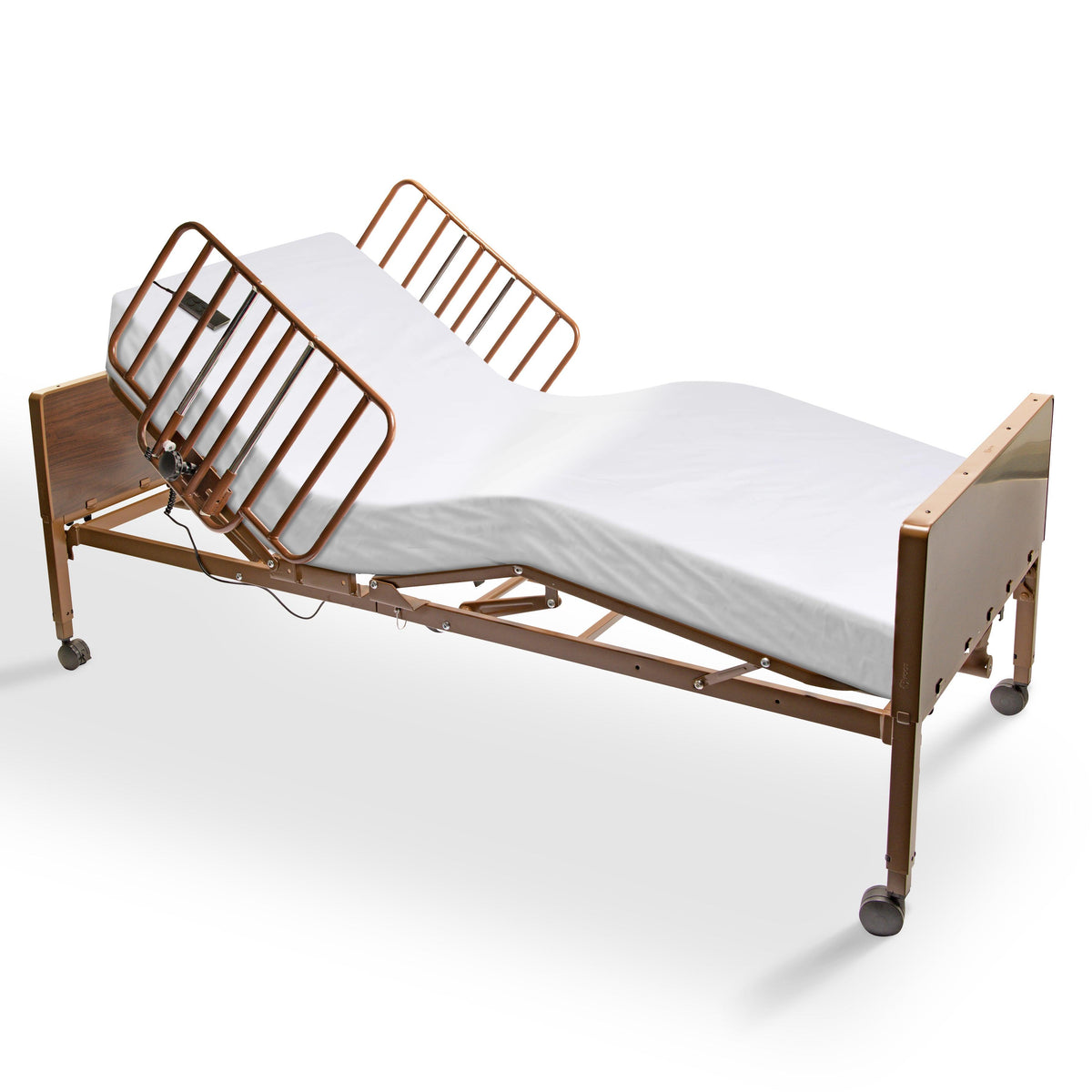
For individuals with limited mobility or those requiring caregiver assistance, full-electric hospital beds provide the best combination of safety and functionality. These beds offer remote-controlled adjustment for head, knee, and height positions, making repositioning effortless. Key benefits include ultra-low platform heights as low as 10 inches to reduce fall impact, weight capacities up to 500 pounds for bariatric users, and pre-programmed positions for safe transfers and emergency CPR access.
Full-electric beds reduce caregiver strain significantly compared to manual crank or semi-electric models. The ability to adjust all functions electronically means caregivers no longer need to physically crank mechanisms, which commonly causes injury and frustration.
Match Bed Height to Transfer Needs
Optimal bed height aligns with the user’s knee level when seated in a chair. This typically means 19 to 21 inches from floor to mattress top. Measuring correctly prevents strain during transfers and reduces fall risk. Sit the person in their preferred chair and measure from the floor to the back of their knee, then adjust the bed to match this dimension. Use the pre-programmed transfer mode on electric beds for consistent, safe positioning every time.
Consider Adjustable Beds for Independent Seniors
If the individual can transfer safely without assistance, a residential adjustable bed offers benefits like reflux relief, improved circulation, and lumbar support. These beds blend with home décor and support aging in place without the clinical appearance of hospital equipment.
Pick the Right Mattress to Prevent Pressure Injuries
Prolonged immobility increases the risk of pressure ulcers, which affect 2.5 million Americans annually and cost billions in healthcare. Selecting the appropriate mattress is essential for skin integrity.
Choose High-Spec Foam for Moderate Risk
For individuals who can shift their weight with some assistance, a high-density memory foam mattress with cooling gel and fluid-proof covers provides adequate pressure redistribution. Look for reversible designs that offer both firm and soft options to accommodate changing preferences and needs.
Use Alternating Pressure Mattresses for High Risk
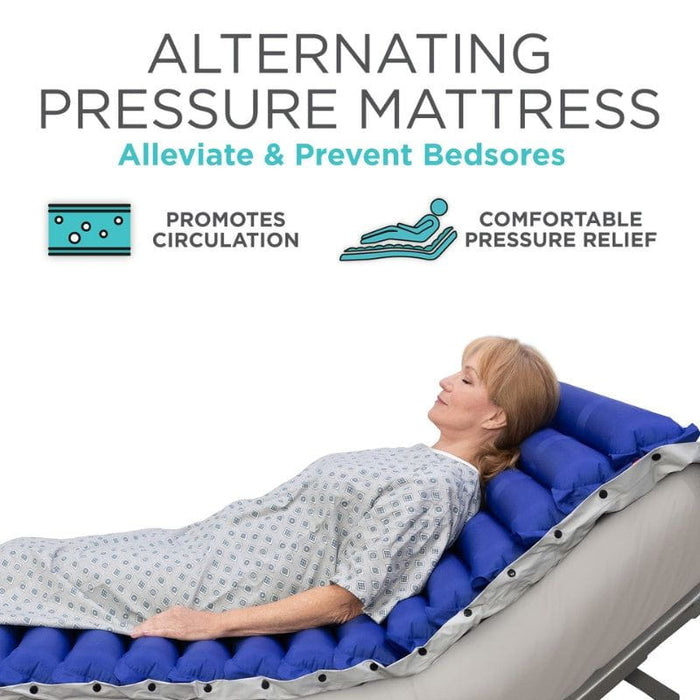
Those who cannot reposition independently or have a history of skin breakdown require an alternating pressure air mattress with 18 or more air cells. The pump cycles pressure every few minutes to prevent sustained tissue compression, aligning with international wound care guidelines. Even with advanced mattresses, routine repositioning every two hours during the day and as tolerated at night remains critical. Include regular skin inspections and moisture management as part of daily care.
Install Essential Transfer and Mobility Equipment
Transfers between bed, wheelchair, and bathroom are the most physically demanding caregiving tasks. Proper equipment reduces injury risk for both the senior and caregiver.
Use Ceiling Lifts for Long-Term Care
Ceiling-mounted lifts represent the gold standard for long-term care because they require no floor space, reduce caregiver back and shoulder injuries, and encourage consistent use due to ease of operation. These lifts support full-body transfers for non-weight-bearing individuals and can be used independently with minimal training. Professional installation is required, but the investment pays off in safety and independence.
Choose Floor Lifts for Short-Term Needs
Mobile Hoyer lifts are portable and rentable, making them ideal for post-surgery recovery, temporary mobility loss, or budget-conscious families. These devices require floor space for operation and caregiver training, but they provide essential transfer support during short-term needs.
Add Transfer Aids for Safer Movement
Essential transfer tools include gait belts worn around the waist to give caregivers a secure grip, transfer boards that slide users from bed to wheelchair for those with upper body strength, and trapeze bars or bed assist rails that allow self-repositioning. Ensure a clear 36-inch transfer path between the bed and wheelchair, bed and bathroom, or bed and commode. Remove throw rugs, electrical cords, and furniture obstacles that create tripping hazards.
Optimize Room Layout and Clearance
Smart furniture placement enhances safety and independence while allowing caregivers adequate access.
Maintain 36-Inch Clearance Zones
Leave at least 36 inches on both sides of the bed and at the foot to accommodate patient lift operation, caregiver access, and linen changes without obstruction. This clearance also allows for emergency response if needed.
Use Accessible Furniture Strategically
Position a bedside table within arm’s reach to keep phone, water, medications, and remote controls accessible. An overbed table serves meals, reading, and activities. If overnight monitoring is needed, include a caregiver recliner. Avoid bulky dressers that consume floor space; instead, use wall-mounted shelves or built-in wardrobes to preserve clear pathways. Choose low-profile furniture with minimal overhangs to prevent tripping.
Maximize Lighting for Nighttime Safety
Aging eyes require more light and less glare. Proper lighting dramatically reduces nighttime fall risk and supports safe navigation.
Install Layered Lighting
Use multiple lighting types for different needs. Overhead fixtures provide bright, even illumination for general activities. Bedside lamps offer soft ambient light for relaxing. Reading lights should be dimmable and adjustable for task lighting. Night lights are essential for nighttime navigation without bright light that disrupts sleep.
Use Smart and Motion-Activated Lights
Motion-sensor LEDs installed along the path from bed to bathroom reduce nighttime falls by 34 percent in care settings. Under-bed lighting provides gentle guidance, while smart bulbs compatible with Alexa or Google Home allow hands-free voice control. These systems are particularly valuable for individuals with arthritis or limited dexterity.
Choose Warm-White Bulbs
Avoid cool blue light at night, which disrupts sleep and causes eye strain. Use warm-white bulbs in the 2700K to 3000K range. Shield bulbs with diffusers or shades to reduce glare from direct exposure.
Select Safe Flooring and Eliminate Fall Hazards
Flooring directly impacts mobility and fall risk. The wrong flooring creates dangerous obstacles, while the right choice supports safe movement.
Choose Non-Slip Flooring Options
Vinyl plank flooring offers waterproof, slip-resistant surfaces that are comfortable underfoot. Low-pile carpet provides cushioning while remaining wheelchair-friendly. Cork delivers warmth and slight shock absorption. Sealed hardwood with traction strips is durable but requires careful maintenance. Avoid high-gloss finishes that create slippery surfaces.
Remove All Loose Rugs
Rugs are a leading cause of falls among elderly individuals. If rugs are used, choose flat-weave, low-shag styles secured with double-sided tape or rubber grippers. Avoid runners near the bed and any rug that does not lie completely flat. Consider wall-to-wall carpeting instead of area rugs for the safest option.
Add Grab Bars and Support Systems
Wall-mounted grab bars provide stability during transfers and are essential for safety in the bedroom and attached bathroom.
Install Load-Bearing Bars in Key Locations
Install grab bars rated for 250 pounds or more beside the bed if space allows, and in the toilet and shower areas. Use both horizontal and vertical bar configurations to assist with standing, sitting, and pivoting movements. Never substitute towel bars or suction-cup grab bars, as these are not load-bearing and can detach under pressure, creating fall hazards.
Create an Emotionally Comforting Space
A clinical-looking room harms dignity and mental health. Preserving the bedroom’s homelike character supports emotional well-being.
Avoid Hospital Room Aesthetics
Choose furniture-grade hospital beds with wood finishes and neutral tones that blend with home décor. The SonderCare Aura Premium exemplifies how medical function can integrate with residential aesthetics. Avoid sterile white equipment that creates an institutional feel.
Personalize With Meaningful Items
Include family photos, favorite artwork, personal mementos, familiar bedding, and curtains that reflect the individual’s taste and history. Position the bed to see outdoor views, add plants or nature-themed art, and maximize natural daylight to support circadian rhythm and mood. These touches help the room feel like a sanctuary rather than a medical ward.
Prepare for Hospital Discharge
When a loved one is returning home with sudden mobility needs, follow this priority checklist to ensure safety from day one.
Before Leaving the Hospital
Request an occupational therapist or physical therapist assessment to determine equipment needs and obtain insurance documentation. Get written prescriptions for a full-electric hospital bed, appropriate mattress type, and patient lift if needed. Receive hands-on transfer training from hospital staff before discharge.
At Home Before Arrival
Contact the durable medical equipment supplier with prescriptions and confirm delivery dates before the patient arrives. Prepare the room by clearing 36-inch pathways, removing all rugs and clutter, and testing electrical outlets. Install motion-activated night lights, a bedside commode if bathroom access is difficult, and ensure a phone is within reach.
After Arrival
Schedule a home occupational therapy visit within 48 to 72 hours for real-world setup tuning. Review insurance and rental paperwork to understand monthly costs and confirm the 20 percent patient responsibility under Medicare Part B. Ask if rental payments can apply toward eventual purchase.
Navigate Insurance and Funding Options
Essential equipment represents a significant investment, but multiple funding sources can help manage costs.
Understand Medicare Coverage
Medicare Part B covers semi-electric hospital beds as durable medical equipment when a doctor orders them for medical necessity. Patients pay 20 percent after meeting the deductible. Full-electric beds are typically covered only when specific medical criteria are met. Always verify coverage details with your insurance provider before purchasing.
Explore Alternative Funding Sources
Medicaid Home and Community-Based Services waivers, VA benefits for veterans, and condition-specific grants from organizations like the ALS Association or National MS Society provide additional funding. ModestNeeds.org offers adaptive home repair assistance. Hospital social workers can refer you to local programs.
Consider Rent-to-Own Options
Rental offers lower upfront costs ideal for short-term needs, while purchase provides long-term savings and may include installation. Some suppliers offer rent-to-own arrangements that apply rental payments toward eventual purchase price.
Add Smart Technology and Emergency Systems
Modern technology enhances safety and independence while providing peace of mind for caregivers.
Integrate Voice-Activated Controls
Amazon Echo, Google Nest, and similar devices allow hands-free control of lights, thermostats, blinds, and emergency calls. Voice commands like “Alexa, call for help” provide immediate assistance without reaching for a phone.
Install Safety Monitoring Devices
Fall detection sensors, both wearable and floor-based, alert caregivers when a fall occurs. Bed exit alarms notify when the person leaves the bed, particularly useful for dementia patients. Motion sensors can alert if no movement is detected overnight. Wi-Fi cameras with privacy controls enable remote monitoring.
Keep Communication Tools Accessible
Maintain a cordless phone or mobile device charged and within reach at all times. Install a two-way intercom or video doorbell for easy communication with visitors and caregivers without getting up.
Key Takeaways for Setting Up Your Elderly Bedroom
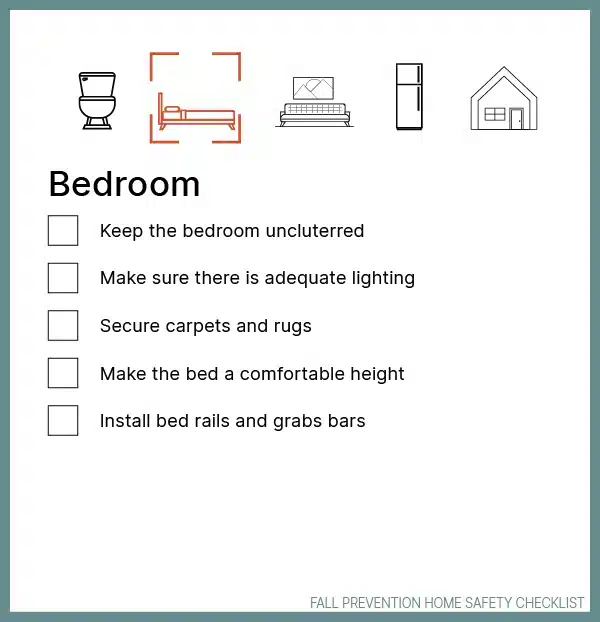
Creating a safe bedroom for an elderly person involves careful attention to room location, bed selection, mattress choice, transfer equipment, layout, lighting, flooring, and emotional comfort. Prioritize a ground-floor room near the bathroom with adequate doorway clearance. Choose a full-electric hospital bed matched to the user’s height for safe transfers. Select appropriate pressure-relief mattresses based on mobility level and follow repositioning schedules. Install ceiling or floor lifts for non-weight-bearing individuals, and add transfer aids like gait belts and boards. Maintain 36-inch clearance throughout the room, use layered lighting with motion sensors, and select non-slip flooring while eliminating all loose rugs. Add grab bars, personalize the space with meaningful items, and prepare with a discharge checklist if returning from the hospital. Explore Medicare, Medicaid, and grant options to manage equipment costs. Integrate smart technology for voice control and emergency monitoring.
With thoughtful planning and the right equipment, you can create a bedroom that protects your loved one from falls and pressure injuries while preserving dignity and independence. Start by assessing the current room setup against these guidelines, then prioritize the most critical changes based on immediate safety concerns and budget constraints.
Frequently Asked Questions About Setting Up a Bedroom for Elderly
What is the most important factor when setting up a bedroom for an elderly person?
Room location is the most critical factor. Choose a ground-floor bedroom within 10 feet of a bathroom to minimize stair navigation and reduce nighttime fall risk. If this is not possible, install a stair lift or bedside commode to address the safety gap.
What type of bed is best for elderly individuals with mobility issues?
A full-electric hospital bed provides the best safety features, including remote-controlled height adjustment, ultra-low positioning to reduce fall impact, and pre-programmed transfer modes. These beds reduce caregiver strain and support safe repositioning for those with limited mobility.
How often should an elderly person change position in bed?
Repositioning should occur every two hours during the day. Nighttime repositioning should be done as tolerated with caregiver assistance. Even with pressure-relief mattresses, routine repositioning remains essential for preventing pressure injuries.
What lighting reduces nighttime falls in elderly bedrooms?
Motion-sensor LEDs installed along the path from bed to bathroom reduce nighttime falls by 34 percent. Use warm-white bulbs in the 2700K to 3000K range, and implement layered lighting with overhead, bedside, and night light options.
Does Medicare cover hospital beds for home use?
Medicare Part B covers semi-electric hospital beds as durable medical equipment when prescribed for medical necessity. Patients pay 20 percent after the deductible. Full-electric beds are covered only when specific criteria are met.
How can I make an elderly bedroom feel less clinical?
Choose furniture-grade hospital beds with wood finishes, add personal items like family photos and artwork, use familiar bedding and curtains, position the bed to see outdoor views, and incorporate natural elements like plants. These changes preserve dignity and emotional comfort.