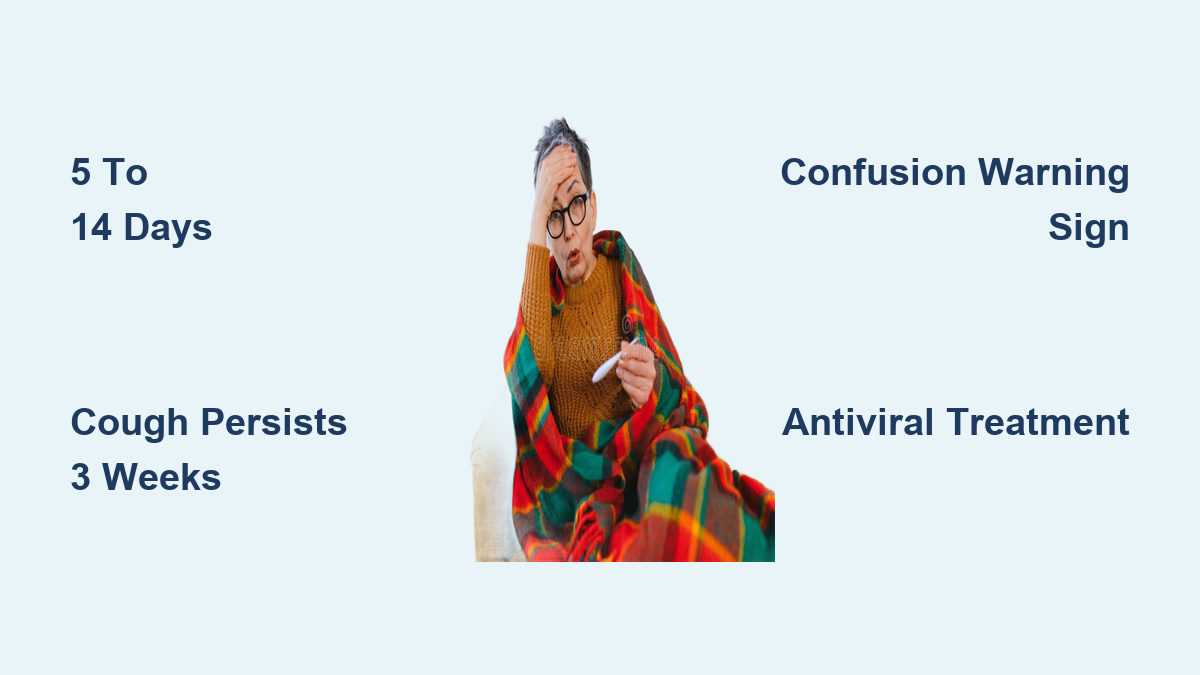
For older adults, the flu is far more than an uncomfortable cold. It is a serious health threat that can linger for weeks, often leading to dangerous complications that require hospitalization. While most healthy adults recover from influenza in about a week, seniors aged 65 and older typically experience symptoms for 5 to 14 days, with cough and fatigue often persisting for up to three weeks. In severe cases, full recovery can stretch into weeks or even months due to physical deconditioning and complications from the virus.
This extended timeline stems from age-related changes in the immune system, underlying health conditions, and atypical symptom presentation that often delays diagnosis. The stakes are high: 70% to 85% of flu-related deaths occur in seniors. This guide covers exactly how long the flu lasts in seniors, warning signs that require immediate care, and proven strategies to protect aging loved ones through recovery.
Flu Duration Timeline for Older Adults
Most seniors experience flu symptoms for one to two weeks, though the exact timeline depends on overall health, vaccination status, and how quickly treatment begins. Unlike younger adults who may bounce back in a few days, older adults face a slower and more unpredictable recovery path.
The initial acute phase typically peaks within the first three to seven days. During this time, seniors may experience fatigue, body aches, chills, and respiratory symptoms. Fever may be absent or only mildly elevated, which makes early recognition difficult. After the acute phase subsides, most symptoms begin to improve gradually.
What to expect during recovery:
• Most symptoms start improving after day 7
• Cough and exhaustion often persist for up to 21 days
• Physical recovery lags behind viral clearance
• Prolonged bed rest leads to muscle loss and reduced stamina
• After hospitalization, regaining pre-illness function can take several weeks to months
Seniors living alone or lacking support often recover more slowly due to reduced access to care and assistance with daily tasks.
Why Seniors Experience Longer Flu Recovery

Weakened Immune Defense
As people age, their immune systems undergo a process called immunosenescence. This natural decline reduces the body’s ability to fight off the flu virus effectively, resulting in longer viral shedding, slower recovery, and higher complication rates.
Many older adults also experience inflammaging, a state of chronic low-grade inflammation that disrupts immune regulation. This imbalance increases vulnerability to infections and delays healing, making even mild flu cases more dangerous for seniors.
Atypical Symptoms Delay Diagnosis
Seniors often do not show classic flu signs like high fever or severe cough. Research shows that 26% of older adults hospitalized with the flu have no traditional symptoms at all. Instead, they may present with confusing signs that are easily mistaken for other conditions.
Common atypical symptoms in seniors include:
• Mental confusion or sudden delirium
• Dizziness or unexplained falls
• Loss of appetite or nausea
• Worsening of chronic conditions like heart failure or diabetes
• Generalized weakness without other obvious signs
For example, a 78-year-old with no fever but sudden confusion and poor appetite might be assumed to have a urinary tract infection when they actually have the flu. This misdiagnosis means many seniors do not receive antiviral treatment in time, increasing their risk of pneumonia, hospitalization, or death.
Warning Signs of Serious Complications
The flu can trigger life-threatening complications in seniors. Knowing when to seek emergency care can mean the difference between recovery and severe outcomes.
Pneumonia
Pneumonia is the most common and dangerous flu complication in older adults. It can be caused by the flu virus itself or by secondary bacterial infections like Streptococcus pneumoniae.
Seek immediate care if your loved one shows:
• Worsening cough with colored or bloody mucus
• Chest pain that worsens with breathing
• High fever returning after initial improvement
• Shortness of breath even while resting
Pneumonia often requires hospitalization and can lead to respiratory failure, especially in those with pre-existing lung disease.
Heart Problems and Stroke
The flu places significant stress on the cardiovascular system. Heart attack risk increases 3 to 5 times during the first two weeks of infection. Stroke risk doubles or triples. This happens because inflammation can destabilize plaque in arteries, triggering blood clots.
Warning signs include:
• Chest pressure, tightness, or pain
• Shortness of breath
• Sudden weakness on one side of the body
• Slurred speech or confusion
• Severe headache
These cardiovascular risks remain elevated for weeks after recovery, contributing to long-term mortality.
Sepsis
Sepsis occurs when the body’s response to infection causes widespread inflammation and organ damage. It can develop rapidly in seniors with the flu and requires immediate hospitalization.
Symptoms include:
• Confusion or altered mental status
• Rapid, shallow breathing
• Low blood pressure
• Cool, clammy skin
• Decreased urination
Sepsis is a medical emergency. Call 911 immediately if you notice these signs.
Worsening of Chronic Diseases
The flu can destabilize existing health conditions. COPD or asthma may cause increased wheezing and breathlessness. Heart failure may worsen with fluid buildup and leg swelling. Diabetes can cause dangerous blood sugar swings due to illness stress.
These flare-ups may require emergency care or hospital admission.
How Flu Symptoms Unfold in Seniors
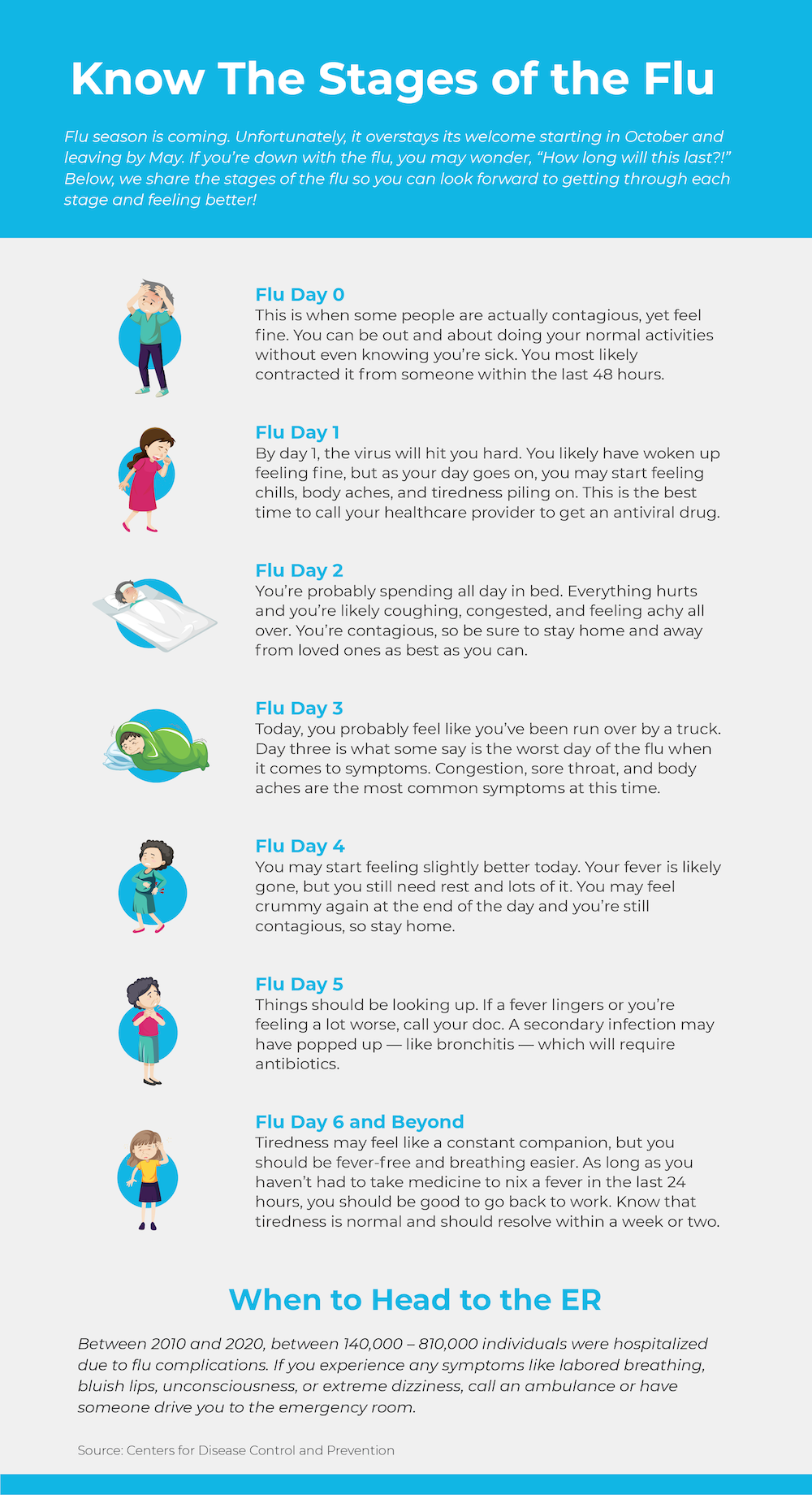
Acute Phase (Days 1 to 7)
Symptoms usually begin suddenly and include fatigue, muscle aches, chills, dry cough, sore throat, and headache. Fever may be mild below 100.4°F or completely absent, especially in frail seniors.
During this phase:
• Peak symptoms occur within days 3 to 5
• Mobility may decline rapidly, increasing fall risk
• Respiratory symptoms like shortness of breath are common
• Appetite often decreases significantly
Recovery Phase (Days 7 to 14)
Most symptoms gradually improve, but cough and tiredness often linger. Many seniors feel weak and lack energy even after other symptoms resolve. Premature return to activity can lead to relapse or complications.
Post-Viral Weakness (Up to 3 Weeks)
Persistent fatigue is common. Seniors may struggle with basic tasks like dressing, walking, or cooking. This weakness stems from deconditioning due to bed rest, not ongoing infection.
Key concerns during this phase:
• Muscle mass can decline by 5 to 10% per week of inactivity
• Balance and coordination may be impaired
• Appetite may remain low, delaying nutritional recovery
Full Functional Recovery (Weeks to Months)
After hospitalization, full recovery can take months. Physical therapy is often necessary to rebuild strength and independence. Many seniors need help with basic mobility tasks like getting out of bed, using the bathroom, or standing up from a chair.
Treatment Options That Speed Recovery
Antiviral Medications: Start Early
All seniors with suspected or confirmed flu should receive antiviral medications, regardless of vaccination status. These drugs are most effective when started within 48 hours of symptom onset, but treatment can still help if begun later, especially in high-risk patients.
Common antiviral options include:
• Oseltamivir (Tamiflu): Oral pill taken twice daily for 5 days
• Baloxavir (Xofluza): Single-dose treatment for influenza A and B
• Zanamivir (Relenza): Inhaled medication, not recommended for those with COPD or asthma
Benefits of antiviral therapy:
• Shortens illness by 1 to 2 days
• Reduces complications like pneumonia
• Lowers hospitalization and death risk
Supportive Care at Home
Rest is critical for immune function and recovery. Seniors should stay in bed until fever-free for 24 to 48 hours without medication. Even light activity can worsen fatigue during the acute phase.
Hydration is equally important. Seniors should drink water, broth, herbal tea, or electrolyte drinks. Aim for 6 to 8 cups of fluids daily. Watch for signs of dehydration like dry mouth, dark urine, dizziness, and confusion.
For nutrition:
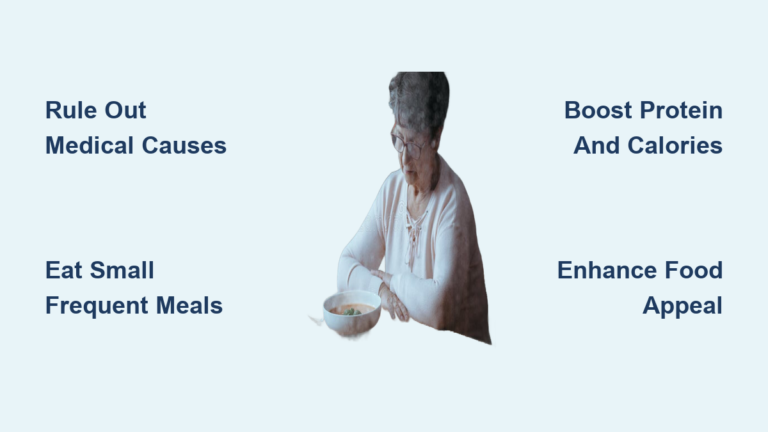
• Eat small, frequent meals
• Choose easy-to-digest foods like toast, rice, bananas, and applesauce
• Include protein like eggs, yogurt, or chicken to prevent muscle loss
• Use nutritional supplements like Ensure if appetite remains poor
Symptom Relief: Use with Caution
Acetaminophen (Tylenol) is safe for fever and aches in most seniors. Ibuprofen should only be used if kidney function is normal. Cough suppressants or expectorants can help with persistent coughing.
Avoid multi-symptom cold remedies that may contain decongestants raising blood pressure or interacting with other medications. Always consult a doctor before giving OTC drugs to seniors on multiple prescriptions.
Supporting Seniors Through Flu Recovery
Gradual Return to Activity
After fever breaks, seniors should start with light movement. Walk around the house for 5 to 10 minutes. Do seated stretches or chair yoga. Increase duration slowly based on tolerance.
Warning: Pushing too hard too soon causes relapse or falls. Many seniors need to restart slowly and rebuild stamina gradually over weeks.
Physical Therapy for Strength Loss
Many seniors lose significant strength during illness, especially after hospitalization. A physical therapist can help rebuild muscle and endurance, improve balance and coordination, prevent falls, and restore ability to perform daily tasks.
Physical therapy is especially important after hospital stays when seniors may struggle with basic mobility.
Watch for Delayed Complications
Even after feeling better, seniors remain at risk. Seek medical help if symptoms worsen after day 3 or 4, fever returns after improvement, chest pain or trouble breathing occurs, confusion or extreme drowsiness develops, or signs of dehydration appear.
These could signal pneumonia, sepsis, or heart problems.
Preventing Severe Flu in Older Adults
Annual Flu Vaccination
The single most effective way to prevent severe flu in seniors is annual vaccination, ideally by the end of October. Older adults should receive age-appropriate enhanced vaccines designed to produce stronger immune responses.
Recommended vaccines for seniors:
• Fluzone High-Dose: Contains four times more antigen than standard vaccines
• Fluad Quadrivalent: Includes an adjuvant to boost immune response
• Flublok Quadrivalent: Egg-free, high-antigen vaccine
Benefits of vaccination:
• Reduces flu risk by 40% to 60%
• Cuts hospitalization risk by 20% to 40%
• Lowers chances of severe illness and death
• Even if vaccinated seniors get the flu, symptoms are usually milder and recovery faster
Other Essential Vaccines
Seniors should also receive:
• Pneumococcal vaccine: Protects against pneumonia, bloodstream infections
• RSV vaccine: Recommended for ages 75+ or 60+ with risk factors
• Updated COVID-19 vaccine: Reduces severe illness from SARS-CoV-2
Daily Prevention Habits
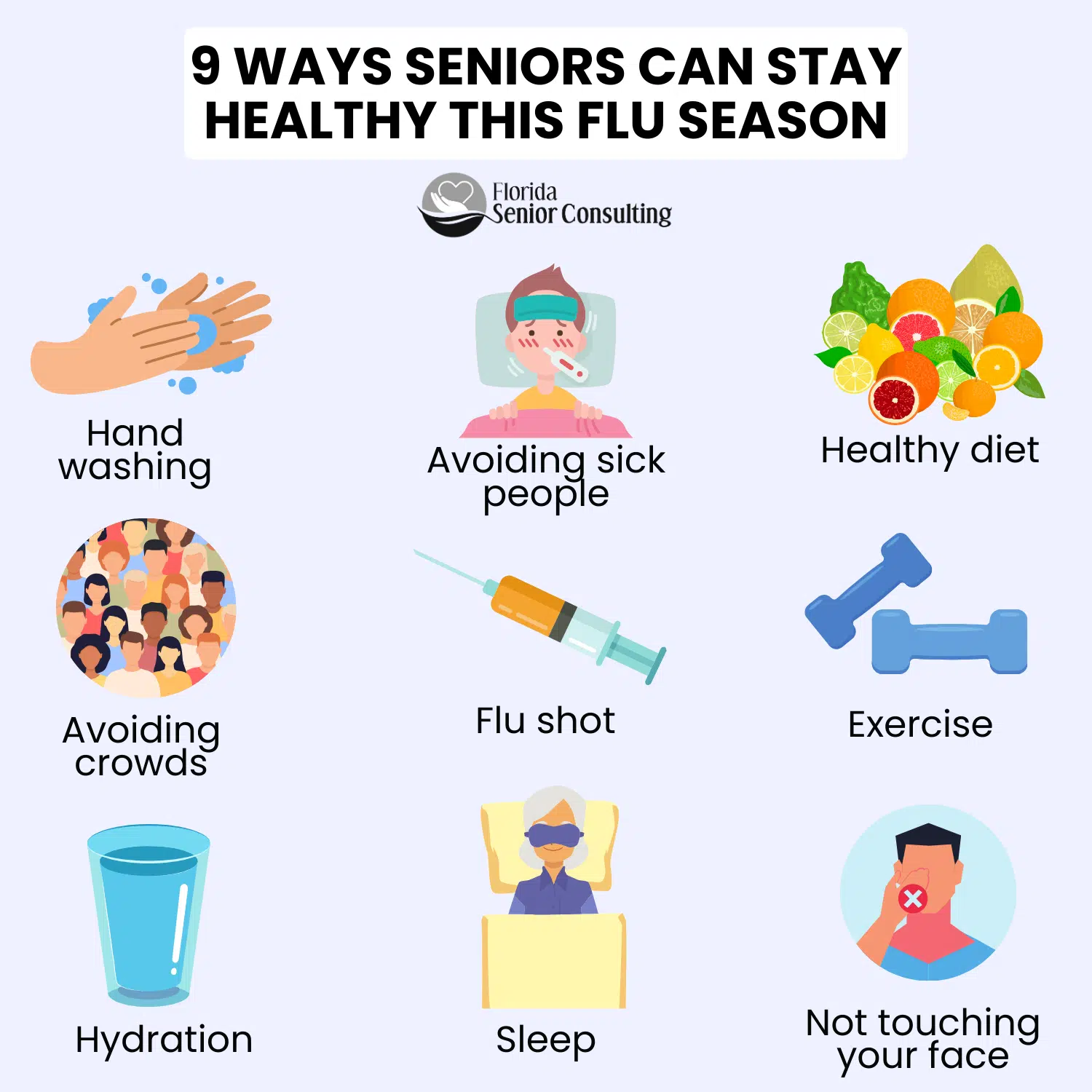
Wash hands frequently with soap and water. Use hand sanitizer when soap is not available. Avoid close contact with sick people. Wear a mask in crowded indoor spaces during flu season. Disinfect high-touch surfaces like phones, doorknobs, and remotes. Stay home when ill to avoid spreading the virus.
Frequently Asked Questions About Flu Duration in Seniors
How long does the flu normally last in someone over 65?
The flu typically lasts 5 to 14 days in seniors, with fatigue and cough often persisting for up to three weeks. Full recovery after severe cases or hospitalization can take weeks to months due to physical deconditioning.
Why does the flu last longer in older adults?
Seniors have weakened immune systems due to immunosenescence, which reduces the body’s ability to fight the virus effectively. Many also have chronic conditions that complicate recovery, and atypical symptom presentation often delays diagnosis and treatment.
What are the warning signs that the flu is serious in seniors?
Watch for high fever returning after improvement, chest pain or difficulty breathing, confusion or altered mental status, inability to keep fluids down, or symptoms that worsen after initial improvement. These signs require immediate medical attention.
When should I take my senior parent to the hospital for the flu?
Go to the emergency room if your loved one has difficulty breathing, chest pain, sudden confusion, inability to stay awake, or signs of dehydration they cannot manage at home. Sepsis and pneumonia require immediate treatment.
Can the flu cause long-term health problems in seniors?
Yes. The flu can increase heart attack and stroke risk for weeks after recovery. Hospitalized seniors may experience prolonged weakness, mobility issues, and loss of independence that requires weeks of rehabilitation to overcome.
How can I help my senior loved one recover faster at home?
Ensure they rest adequately, stay hydrated, and eat nutritious foods. Monitor symptoms closely and seek prompt antiviral treatment. Help with gentle movement as they recover. Watch for complications and follow up with their doctor.
Key Takeaways for Protecting Seniors From Flu
The flu typically lasts 5 to 14 days in seniors, with fatigue and cough persisting up to three weeks. Full recovery, especially after hospitalization, can take weeks or months due to muscle loss and deconditioning.
Seniors often have atypical symptoms like confusion or weakness instead of classic flu signs, leading to delayed diagnosis. Pneumonia, heart attacks, stroke, and sepsis are serious complications requiring urgent care.
Antiviral treatment within 48 hours reduces severity and complications, but it should still be used even if started later. Annual flu vaccination with high-dose or adjuvanted vaccines is the best way to prevent severe illness.
Hydration, nutrition, rest, and gradual rehabilitation are essential for full recovery. Caregivers and family members play a critical role in monitoring symptoms, encouraging rest, and seeking care early.
Prioritize prevention, stay alert for warning signs, and never dismiss subtle changes like confusion or weakness as normal aging. It could be the flu, and prompt action saves lives.