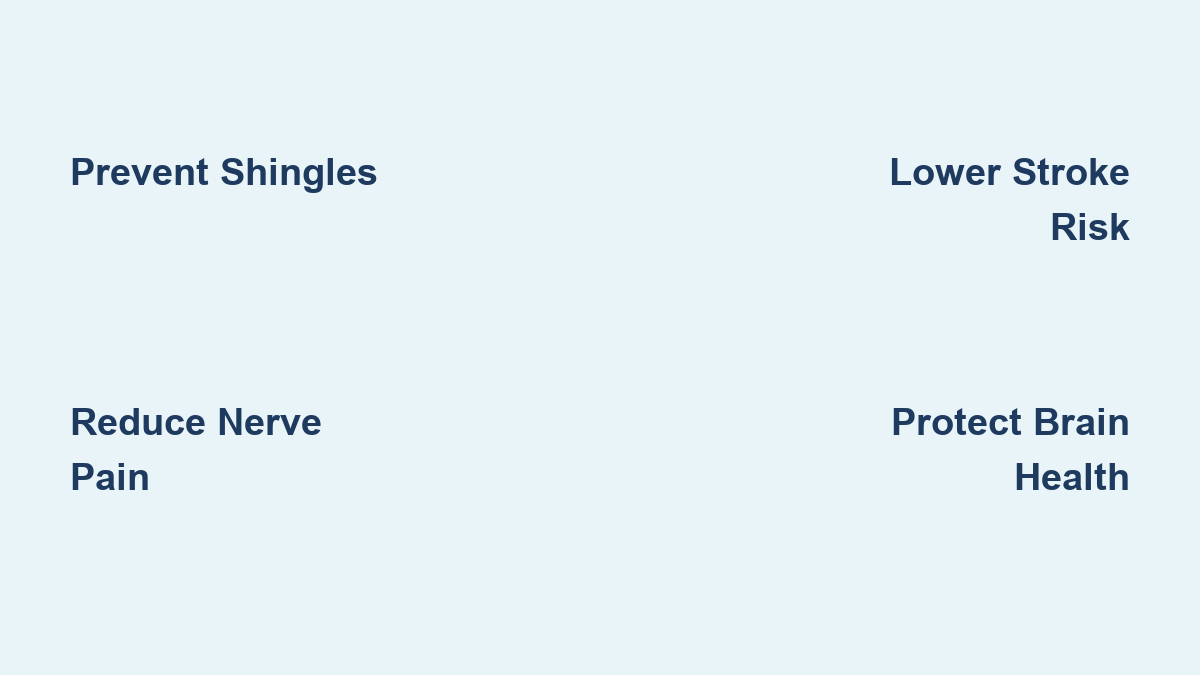
Shingles in the elderly is far more than a painful rash. It is a potentially debilitating condition that can lead to chronic nerve pain lasting months or years, vision loss, and even increased risk of stroke or dementia. The varicella-zoster virus reactivates due to age-related immune decline, and older adults bear the heaviest burden with nearly half of all cases occurring in those over 60.
This guide explains the serious health risks shingles poses to older adults, outlines the warning signs and complications, and provides actionable steps for prevention and treatment. Whether you are caring for an elderly loved one or planning ahead, understanding these risks helps you make informed decisions about protection and care.
Why Shingles Is More Dangerous in Older Adults
Age is the single biggest risk factor for severe shingles. The older you are, the more likely you are to experience intense symptoms and long-term complications that can fundamentally alter your quality of life.
Immune Decline Increases Risk
As people age, their immune system naturally weakens through a process called immunosenescence. This decline reduces the body’s ability to keep the dormant varicella-zoster virus in check. By age 50, T-cell activity drops significantly, making viral reactivation more likely. By age 70, most people who had chickenpox face a substantially elevated risk for shingles.
Higher Viral Load and Slower Response
Elderly patients often experience more severe manifestations of shingles compared to younger individuals. The rash tends to be more extensive with greater blistering, and healing times extend to five weeks or longer. The delayed immune response allows the virus to cause more nerve damage before being controlled, which increases both the intensity and duration of illness and raises the odds of complications like postherpetic neuralgia.
Early Signs of Shingles in the Elderly
Recognizing shingles early is critical for prompt treatment, yet symptoms often begin before the characteristic rash appears, making diagnosis tricky for healthcare providers and families.
Pain Before the Rash
Many elderly patients report burning, tingling, or sharp pain in a specific area one to five days before the rash shows. This pain is often mistaken for heart problems, kidney stones, sciatica, or gastrointestinal issues. Because the rash has not yet appeared, treatment may be delayed, reducing the effectiveness of antiviral drugs.
Systemic Symptoms Mimic Other Illnesses
Older adults may also experience fever, headache, fatigue, nausea, and general malaise. These flu-like symptoms can be misattributed to common infections, especially in frail or chronically ill seniors who often have multiple overlapping health conditions.
Most Common Complication: Postherpetic Neuralgia
Postherpetic neuralgia is the leading long-term consequence of shingles in older adults and can be devastating for daily life and overall health.
What Is Postherpetic Neuralgia?
Postherpetic neuralgia is defined as nerve pain lasting more than 90 days after the rash appears. It results from nerve damage caused by viral inflammation, creating abnormal pain signaling in the nervous system.
Who Is at Greatest Risk?
Up to 20 percent of shingles patients over 60 develop postherpetic neuralgia, and nearly 50 percent of patients over 85 experience this complication. The risk rises with age, severity of initial pain, and delayed treatment. This makes early intervention critically important for older adults.
Impact on Daily Life
The pain is often described as burning, stabbing, or electric shock-like. It can lead to severe sleep disruption, weight loss, depression and anxiety, social isolation, and difficulty with basic activities like dressing, walking, or cooking. The pain and related medication side effects also significantly increase fall risk in elderly patients.
Vision-Threatening Ocular Shingles

When shingles affects the eye, the consequences can be severe and permanent, making immediate medical attention essential.
Herpes Zoster Ophthalmicus
Ocular shingles affects up to 20 percent of all shingles cases and involves the ophthalmic branch of the trigeminal nerve. Signs include blisters on the forehead, nose (Hutchinson’s sign), or around the eye, along with eye redness, pain, swelling, light sensitivity, and blurred vision.
Serious Eye Complications
Without prompt treatment, ocular shingles can cause keratitis, glaucoma, uveitis, corneal scarring, and permanent vision loss or blindness. An ophthalmologist should evaluate any suspected eye involvement within 72 hours, as delayed treatment dramatically increases the risk of irreversible visual impairment.
Neurological Dangers in the Elderly
Shingles can spread to the brain or spinal cord, particularly in frail or immunocompromised seniors, leading to potentially life-threatening complications.
Encephalitis
Brain inflammation from viral spread causes confusion, seizures, altered mental status, and possibly coma. This condition requires hospitalization and intravenous antivirals and can be fatal.
Ramsay Hunt Syndrome
This condition results from facial nerve involvement and presents a characteristic triad of ear pain, blisters in the ear canal, and facial droop. It may also cause hearing loss and vertigo, further complicating recovery.
Heart and Stroke Risks After Shingles

Emerging research confirms shingles significantly increases the risk of major cardiovascular events, transforming this condition from a simple skin rash into a systemic health threat.
Stroke Risk Increases Significantly
A 2017 study found a substantially higher risk of ischemic or hemorrhagic stroke within one year of shingles. The risk remains elevated for up to 12 months, with ocular shingles carrying the highest stroke risk. Viral inflammation damages blood vessels, promoting clot formation and atherosclerosis.
Higher Heart Attack Risk
A 2022 study of over 200,000 adults found an almost 30 percent increased risk of heart attack, angina, and other cardiovascular events. These findings demonstrate shingles is not merely a skin condition but a systemic inflammatory event capable of harming the heart and brain.
Dementia and Cognitive Decline Link
Shingles may accelerate brain aging and increase dementia risk, adding another layer of concern for older adults and their families.
Research Findings
A 2017 study found older adults with ocular shingles had a nearly threefold higher risk of developing dementia. Another study showed a 20 percent higher long-term risk of cognitive decline in shingles patients. The varicella-zoster virus may trigger inflammation of cerebral arteries, reducing blood flow, while chronic neuroinflammation may mimic Alzheimer’s-like processes.
Vaccination May Protect the Brain
UK researchers found that Shingrix recipients had a 17 percent lower dementia rate than those who received the older Zostavax vaccine. The effect was stronger in women, suggesting immune-boosting effects of vaccination may offer neuroprotection.
Infection and Other Systemic Risks
Older adults face heightened vulnerability to secondary complications that can worsen outcomes significantly.
Bacterial Superinfection
Common due to slow healing and weakened immunity, bacterial superinfection often involves Staphylococcus aureus or Streptococcus pyogenes. Signs include increasing redness, pus, fever, and spreading redness beyond the original rash site.
Life-Threatening Complications
Rare but possible in immunocompromised elderly patients are pneumonia from disseminated zoster, hepatitis, and sepsis. These complications are more likely to be fatal in seniors with multiple health issues or poor baseline health.
Mortality: Can Shingles Be Fatal?
While shingles itself is rarely listed as the direct cause of death, its complications can be deadly in elderly patients.
Direct vs. Indirect Causes
Direct fatalities are extremely rare, with fewer than one death per one million people where shingles is the underlying cause. However, indirect causes are more common in frail or chronically ill seniors, including encephalitis, pneumonia, sepsis, stroke, or heart attack. These complications are more likely to prove fatal in elderly patients with multiple comorbidities.
Treatment: What Works for Elderly Patients
Prompt treatment is essential for reducing severity and preventing long-term problems in older adults.
Antivirals Must Start Early
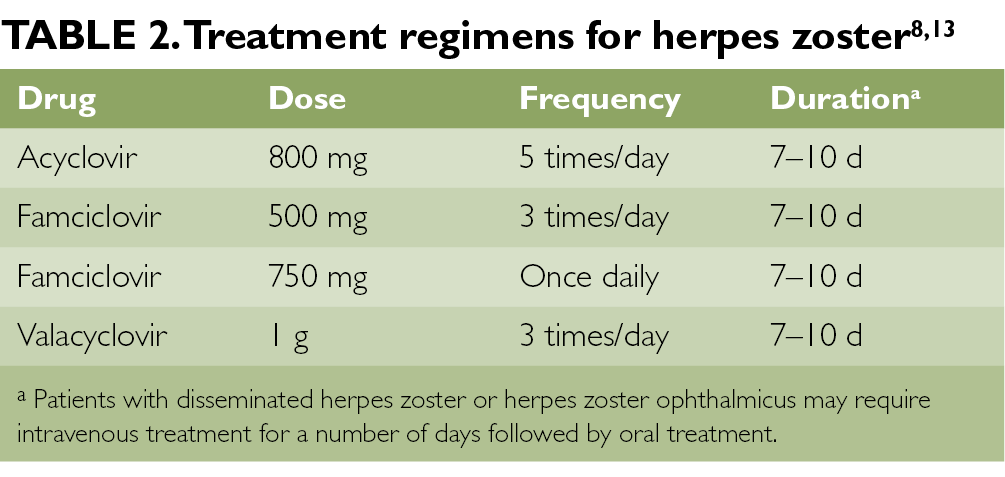
Antiviral medications like valacyclovir (1000 mg three times daily for seven days), famciclovir (500 mg three times daily for seven days), or acyclovir (800 mg five times daily for seven to 10 days) must begin within 72 hours of rash onset to reduce pain, rash duration, and postherpetic neuralgia risk by up to 50 percent.
Pain Management Strategies
Over-the-counter options like acetaminophen are safer for kidneys but offer limited pain relief. NSAIDs like ibuprofen require caution due to bleeding, kidney damage, and heart risks. Prescription options include tramadol for moderate pain and opioids for severe acute pain, though both carry fall and addiction risks. Topical treatments like lidocaine patches, capsaicin cream, and calamine lotion provide localized relief with minimal side effects.
Neuropathic Pain Treatment
Gabapentin starting at 300 mg at bedtime (titrated upward) helps manage nerve pain but causes drowsiness and dizziness with high fall risk in elderly patients. Pregabalin at 75 mg twice daily also works but may cause weight gain and swelling. Tricyclic antidepressants like nortriptyline are effective but should be avoided in seniors with heart issues or cognitive impairment due to anticholinergic effects.
Prevention: The Shingrix Vaccine
Vaccination remains the best defense against shingles and its potentially devastating complications.
Who Should Get Vaccinated
All adults aged 50 and older should receive Shingrix, regardless of prior shingles history. Immunocompromised adults aged 19 and older should also get vaccinated.
Vaccine Effectiveness and Safety
The two-dose vaccine (given two to six months apart) is over 90 percent effective at preventing shingles and postherpetic neuralgia, with protection lasting at least seven years. Since it contains no live virus, it cannot cause shingles. Common side effects include sore arm, fatigue, headache, and muscle pain, typically lasting two to three days and far less severe than shingles itself.
Insurance Coverage
Medicare Part D covers Shingrix, with most beneficiaries paying zero out-of-pocket. Private insurers typically cover it with low or no copay. Patients should verify coverage before scheduling.
Debunking Shingles Vaccine Myths
Misinformation prevents many seniors from getting protected, so understanding the facts is essential.
Myth: The vaccine can give me shingles
Fact: Shingrix contains no live virus and cannot cause shingles.
Myth: I have already had shingles, so I do not need it
Fact: CDC recommends vaccination even after shingles to prevent recurrence and postherpetic neuralgia.
Myth: It is too expensive
Fact: Most insurance plans cover it fully or partially. Check your benefits.
Contagiousness and Prevention
Understanding transmission helps protect vulnerable individuals in your community.
How Shingles Spreads
Shingles itself is not contagious, but the virus in blister fluid can spread to someone who has never had chickenpox or been vaccinated. That person would develop chickenpox, not shingles. Transmission occurs through direct contact with blister fluid or, less commonly, airborne inhalation.
Protecting Others
The contagious period lasts until all blisters crust over, typically seven to 10 days. Avoid close contact with pregnant women, newborns, immunocompromised individuals, and unvaccinated children until scabs form. Cover the rash, wash hands frequently, and do not share towels or clothing.
Frequently Asked Questions About Shingles in the Elderly
How likely is an elderly person to develop complications from shingles?
Complications are very common in older adults. Up to 20 percent of shingles patients over 60 develop postherpetic neuralgia, and nearly 50 percent of those over 85 experience this debilitating nerve pain. Ocular shingles affects up to 20 percent of all cases and can cause permanent vision loss. Stroke and heart attack risks also increase significantly after infection.
Can shingles lead to death in elderly patients?
While shingles itself is rarely fatal, its complications can be. Elderly patients with multiple health conditions face increased risk of encephalitis, pneumonia, sepsis, stroke, or heart attack following shingles infection. These indirect causes of death are more common in frail or immunocompromised seniors.
How effective is the shingles vaccine for people over 70?
Shingrix is over 90 percent effective at preventing shingles and postherpetic neuralgia in adults over 70. Protection lasts at least seven years, making vaccination one of the most powerful tools for protecting older adults from serious complications.
What is the fastest way to treat shingles in the elderly?
The fastest approach is starting antiviral medication (valacyclovir, famciclovir, or acyclovir) within 72 hours of rash onset. This reduces symptom duration, lessens pain intensity, and cuts the risk of postherpetic neuralgia by up to 50 percent. Pain management with topical treatments and appropriate medications should begin simultaneously.
Is the shingles vaccine covered by Medicare?
Yes, Medicare Part D covers Shingrix. Most beneficiaries pay zero out-of-pocket, though some plans may require small cost-sharing. Private insurance typically covers the vaccine with minimal or no copay. Always verify coverage with your provider before scheduling.
Key Takeaways for Protecting Older Adults From Shingles
Shingles in the elderly is a medically serious condition that extends far beyond a painful rash. The combination of age-related immune decline, high complication rates, and potential for long-term morbidity makes shingles a critical health concern for older adults. Postherpetic neuralgia affects up to half of patients over 85 and can persist for years, while ocular shingles risks permanent blindness and shingles overall increases stroke, heart attack, and dementia risk.
The good news is that shingles is preventable and treatable. The Shingrix vaccine is over 90 percent effective and recommended for all adults over 50. Early antiviral treatment within 72 hours of rash onset dramatically reduces severity and complication risk. If you are over 50 or caring for an elderly loved one, prioritize vaccination and seek immediate medical care at the first sign of shingles symptoms. Protecting older adults from shingles preserves their health, independence, and quality of life.