
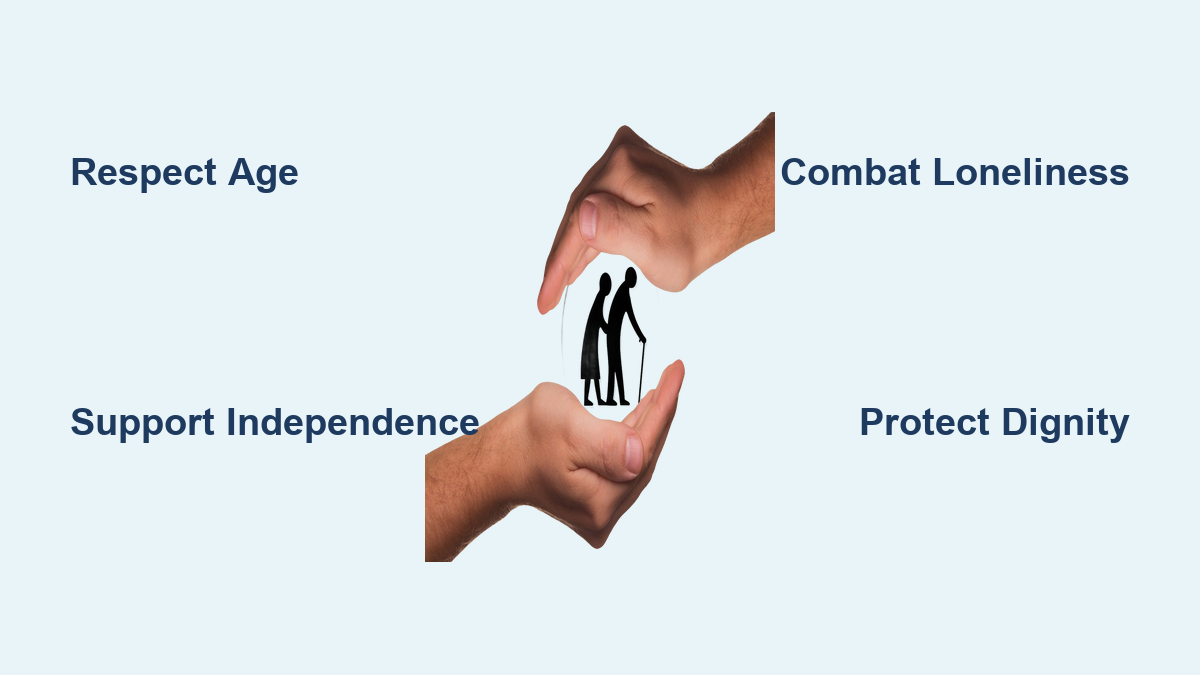
Treating the elderly with dignity, care, and respect isn’t just a moral duty, it is essential for their health, happiness, and sense of self-worth. As global populations age, how we treat older adults reflects the values of our families, communities, and societies. The elderly are not burdens. They are keepers of wisdom, history, and resilience. Yet ageism, isolation, and neglect remain widespread. This guide reveals how to treat the elderly in ways that honor their autonomy, protect their well-being, and enrich their lives physically, emotionally, and socially.
Respect as the Foundation
Challenge Ageism in Daily Life
Ageism, stereotyping or dismissing older adults, is shockingly common. It shows up in healthcare settings, workplaces, and even family conversations. Research from the World Health Organization reveals that seniors who feel disrespected may die 7.5 years earlier than those who feel valued. Avoid assumptions like “they cannot learn new things” or “they are too old to matter.” Instead, treat elders as capable individuals. Speak directly to them, not through their children. Use respectful tone and body language. Recognize that every older person has unique strengths, preferences, and life experience.
Value Their Wisdom and Experience
Elders carry decades of knowledge about relationships, work, survival, and change. Invite them to share stories. Ask questions like, “What was life like when you were young?” or “How did you handle hard times?” Listening validates their identity and strengthens intergenerational bonds. Their insights can guide younger family members through career choices, parenting, and personal growth. When elders feel heard, they are more likely to engage, cooperate, and contribute meaningfully.
Prevent Regret Through Dignified Care
Many caregivers look back with guilt, wishing they had been more patient, kind, or present. Even seniors with dementia can sense tone, facial expressions, and emotional energy. Rushing them, speaking sharply, or making decisions without consultation can cause silent distress. Treating them with gentleness, especially in difficult moments, brings peace to both the elder and the caregiver. Dignified care today becomes a legacy of love tomorrow.
Communicate With Dignity
Avoid Patronizing Language
Talking down to older adults, using “baby talk” or exaggerated clarity, is demeaning. Do not say, “Let us go eat now, sweetie,” or “This is how phones work today.” Instead, speak clearly and naturally. Offer help only when needed. If they struggle with technology, ask, “Would you like me to show you how this works?” rather than taking over. Respect their intelligence. Assume understanding until proven otherwise.
Ask, Do Not Assume Their Needs
Many conditions like arthritis, hearing loss, and chronic pain are invisible. One elder may need help dressing but want to cook independently. Another may prefer assistance with bathing but manage finances alone. Always ask, “What would help you most today?” Observe body language. Respect their choices, even if they differ from your expectations. Autonomy builds confidence and reduces resistance to care.
Listen Actively and Seek Advice
One of the greatest gifts you can give is attention. Sit down. Make eye contact. Listen without interrupting. Ask open-ended questions like what they are most proud of in their life, what advice they would give their younger self, or what something they have always wanted to try. This is not just conversation. It is connection. It reminds them they matter. And it gives you insight into their values, fears, and hopes.
Support Independence Thoughtfully
Adapt the Living Environment

A safe home promotes independence and prevents accidents. Focus on key areas. In bathrooms, install grab bars, non-slip mats, and raised toilet seats. For stairways, add handrails and bright lighting. Consider a stair lift for multi-level homes. In bedrooms, use hospital beds or recliner chairs with lift mechanisms. For kitchens, replace knobs with lever handles and provide easy-grip utensils and microwave-safe cookware. Generally, reduce clutter, improve lighting, and keep essentials within reach. These changes let elders do more for themselves, preserving dignity and reducing reliance on others.
Use Technology to Empower
Technology is not just for the young. Older adults can benefit from smart speakers like Alexa to set reminders, play music, or call for help. Video calls through Zoom or WhatsApp help them stay connected with family. Online banking and shopping help maintain financial control. Medical alert systems with fall detection provide safety. Introduce tools gradually. Offer training. Celebrate small wins. Technology, when used right, boosts confidence and independence.
Assist With ADLs Without Taking Over
Activities of Daily Living, bathing, dressing, eating, toileting, and mobility require support as people age. But the goal is not to do everything for them. It is to help them do as much as they can. Let them dress slowly, even if it takes time. Offer a grab bar in the shower but let them bathe themselves. Serve meals but let them feed themselves when possible. Use adaptive tools like long-handled sponges, button hooks, and non-spill cups to maintain control. Independence is not about perfection. It is about participation.
Promote Physical and Mental Health
Encourage Regular Movement
Physical activity slows aging, improves balance, and lifts mood. Recommended options include daily walks for 10 to 30 minutes. Chair yoga or tai chi provides flexibility and relaxation. Water aerobics reduces joint strain. Gardening or light household tasks offer functional exercise. Even small movements count. The key is consistency. Movement builds strength, prevents falls, and boosts self-esteem.
Stimulate the Mind Daily
Cognitive decline is not inevitable. Mental engagement helps protect brain health. Encourage puzzles, crosswords, or card games. Support learning a new skill like a language, instrument, or art. Provide reading materials or audiobooks. Host family storytelling sessions. Ask for their opinion on family decisions. Involve them in planning events. Keep their mind active and their sense of purpose strong.
Manage Medications Safely

Many seniors take multiple prescriptions. Mistakes can be dangerous. Help them use a pill organizer labeled by day and time. Set phone alarms or smart speaker reminders. Schedule regular medication reviews with a doctor to avoid overuse. Store medications in a dry, visible place away from children. If needed, involve a nurse or caregiver to supervise dosing. Safety prevents hospitalizations and keeps elders at home longer.
Provide Nutritious, Enjoyable Meals
Aging bodies need high-fiber, low-sodium, protein-rich foods. Key nutrients include protein to prevent muscle loss, calcium and vitamin D for bone strength, and fiber for digestive health. Accommodate dietary needs like diabetes or heart disease without sacrificing taste. Include favorite foods to spark appetite. Cook together when possible. It is bonding and empowering. If cooking becomes hard, explore meal delivery services or home care support.
Nurture Emotional Well-Being
Combat Loneliness and Isolation
One in three adults over 50 feels isolated. Loneliness increases risks of depression, heart disease, and early death. Fight it with regular visits or calls. Even short check-ins help. Encourage senior centers or community groups, religious or hobby-based. Consider pet companionship if appropriate. A pet provides love and routine. Foster neighborhood friendships through coffee chats or walks. Isolation is not solved overnight. But consistent connection makes a difference.
Recognize Signs of Depression
Depression is not a normal part of aging. It is often overlooked because symptoms mimic aging like fatigue, sleep changes, and low energy. Watch for persistent sadness or irritability. Notice loss of interest in hobbies. Watch for withdrawal from family. Listen for expressions like “I am a burden” or “I have lived long enough.” If you notice these, encourage a doctor is visit. Therapy, medication, and social support can help. Never dismiss emotional pain as just getting old.
Help Them Find Purpose
Purpose extends life and improves quality of life. Seniors with a sense of purpose are less likely to develop dementia. They have lower rates of heart attacks. They report greater happiness. Help them find meaning through volunteering like reading to kids, mentoring, or crafting for hospitals. Encourage teaching skills like knitting, woodworking, or cooking. Support caring for grandchildren or pets. Include them in family decisions. Purpose is not about productivity. It is about feeling needed and valued.
Ensure Dignity in Care
Protect Privacy at All Times
Privacy is a basic human right. Elders deserve control over their personal space and information. Knock before entering their room. Close doors during bathing or dressing. Avoid discussing medical or financial issues in public. Respect their right to private conversations. Bodily privacy is especially critical. Always explain what you are doing during personal care. Offer choices like, “Would you like a sponge bath or a shower?” Dignity starts with respect for boundaries.
Include Them in Decisions
Even with cognitive decline, elders can express preferences. Use simple choices like blue shirt or gray, tea or coffee, morning walk or afternoon. Involve them in care planning, living arrangements, and medical decisions. Use advance directives and power of attorney forms early. Person-centered care means the elder leads the plan, not the caregiver or doctor.
Make Room for Fun and Joy
Joy is not optional. It is essential. Laughter, music, and play boost mood and connection. Encourage activities they enjoy like watching favorite movies or sports. Support playing board games or cards. Enjoy dancing to old songs. Encourage gardening or birdwatching. Plan outings to parks, museums, or cafes. Ask, “What would you like to do?” instead of assuming. Fun is not childish. It is human.
Support the Caregiver
Prevent Caregiver Burnout
Over 6 million people in the UK are unpaid caregivers. Many face exhaustion, stress, and isolation. Signs of burnout include constant fatigue, irritability or anger, neglecting personal health, and feeling trapped or resentful. Caregiving is a marathon, not a sprint. Without support, burnout harms both caregiver and elder.
Practice Self-Care Without Guilt
Caregivers must prioritize their own health. Eat regular meals. Get enough sleep. Exercise, even a 10-minute walk helps. Take time for hobbies or relaxation. Guilt is common, but self-care is not selfish. It is necessary. A rested caregiver provides better care.
Use Respite Care Strategically
Respite care offers temporary relief whether a few hours or several days. Options include in-home care by a professional, adult day programs with activities and meals, or short-term residential stays. Respite lets caregivers rest, travel, or attend to personal needs. It also tests long-term care options. Regular breaks prevent burnout and improve care quality.
Explore Professional Care Options
Choose the Right Type of Home Care
When family care is not enough, professional support ensures safety and dignity. Hourly or domiciliary care involves visits for bathing, meals, or companionship. It is ideal for mild needs. Live-in care means a caregiver lives in the home providing 24/7 support. It is best for dementia, post-surgery recovery, or high-care needs. Both options allow elders to age in place, surrounded by memories and comfort.
Know What Services Are Available
Professional carers can provide personal hygiene and dressing, medication management, meal preparation and feeding, light housekeeping and laundry, companionship and social engagement, and specialized care for dementia, Parkinson, or stroke recovery. They are trained to support both physical needs and emotional well-being.
Understand Funding and Costs
Care can be funded through healthcare funding if medical needs are present like after surgery, social care funding means-tested by local authorities, self-funding through savings, property, or insurance, or hybrid models combining public and private funding. Explore options early. Financial planning prevents last-minute stress and ensures continuity of care.
Frequently Asked Questions About Treating the Elderly
Why is it important to treat the elderly with respect?
Respect is foundational to humane care. Research shows seniors who feel disrespected may die 7.5 years earlier than those who feel valued. Respect fosters cooperation, improves health outcomes, and strengthens family relationships. It honors a lifetime of contribution and preserves the elder’s dignity.
How can I avoid patronizing language when speaking to older adults?
Speak clearly and naturally without using baby talk or exaggerated clarity. Assume understanding until clarification is needed. Offer help only when requested. Ask before taking over tasks like technology. Respect their intelligence and life experience.
What are simple ways to support an elderly person’s independence?
Adapt the home with grab bars, better lighting, and non-slip mats. Let them do tasks at their own pace. Use adaptive tools like easy-grip utensils. Ask what help they want rather than assuming. Include them in decisions about their care.
How can I help an elderly person combat loneliness?
Schedule regular visits or calls. Encourage senior centers or community groups. Facilitate friendships with neighbors. Consider pet companionship if appropriate. Even short check-ins make a difference for isolated seniors.
What are signs of caregiver burnout?
Signs include constant fatigue, irritability or anger, neglecting personal health, and feeling trapped or resentful. Caregivers must recognize these signs early and seek support to prevent burnout from harming both themselves and the elder.
Key Takeaways for Treating the Elderly With Dignity

Treating the elderly well requires respect, empathy, and thoughtful action. First, challenge ageism by speaking to elders directly, valuing their wisdom, and avoiding patronizing language. Second, support independence through home adaptations, technology, and allowing them to do what they can for themselves. Third, nurture emotional well-being by combating loneliness, recognizing depression, and helping them find purpose. Fourth, protect their dignity through privacy, decision-making inclusion, and creating opportunities for joy. Finally, support caregivers through self-care and respite to prevent burnout. The way we treat our elders today reflects the kind of society we wish to be tomorrow. By listening, adapting, and caring with compassion, we honor their lives and prepare for our own aging.