Norovirus strikes fast and hard, especially in older adults. For those aged 65 and above, what might seem like a short-lived stomach bug in younger people can quickly spiral into severe dehydration, hospitalization, or even death. Each year, norovirus causes over 21 million illnesses in the United States, and up to 90% of related deaths occur in seniors. In nursing homes and assisted living facilities, outbreaks spread rapidly due to close contact and shared spaces. This guide delivers actionable steps to treat norovirus in the elderly, prevent complications, and protect vulnerable populations.
Recognize Early Symptoms in Seniors
Norovirus symptoms appear 12 to 48 hours after exposure, often suddenly. While nausea, vomiting, and diarrhea are classic signs, older adults may not follow the typical pattern.
Atypical Signs in the Elderly
Many seniors show non-GI symptoms that can be mistaken for other conditions:
• Confusion or disorientation
• Dizziness or unexplained falls
• Lethargy or extreme fatigue
• Loss of appetite without obvious gastrointestinal symptoms
These non-specific signs can be mistaken for urinary tract infections, stroke, or dementia flare-ups, which delays diagnosis. Always consider norovirus during community or facility outbreaks.
Visual cue: A senior who suddenly becomes confused or dizzy after eating should be checked for dehydration, even if vomiting is not ongoing.
Monitor Illness Duration Closely
Most healthy adults recover within 1 to 3 days, but recovery takes significantly longer in older adults.
Extended Symptom Timeline
Several factors extend illness duration in seniors:
• Diarrhea can persist up to 9 days, especially in those over 85
• Non-gastrointestinal symptoms like headache, thirst, and vertigo may linger for up to 19 days
• Virus shedding continues for up to 2 weeks post-recovery, meaning contagiousness outlasts symptoms
Pro tip: Even after vomiting stops, maintain isolation and hygiene for at least 48 hours, longer if the person lives with others at risk.
Understand Why Seniors Are High-Risk
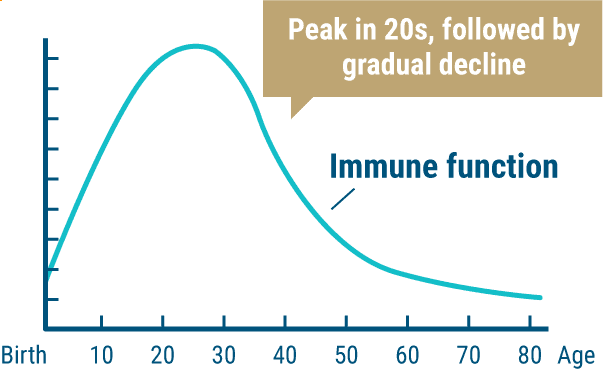
Age-related changes and chronic conditions make norovirus far more dangerous for the elderly.
Key Risk Factors
Multiple factors combine to increase danger:
• Weakened immunity, known as immunosenescence, reduces ability to fight infection
• Chronic diseases including diabetes, heart failure, and kidney disease increase complication risks
• Medications such as diuretics, ACE inhibitors, and beta-blockers worsen fluid loss
• Cognitive impairment means dementia patients may not report thirst or nausea
• Living conditions in nursing homes enable rapid transmission via shared bathrooms, meals, and care routines
Expert note: A senior on blood pressure medications who develops vomiting is at immediate risk for dangerous drops in blood pressure and falls.
Prevent Life-Threatening Dehydration
Dehydration is the number one complication, and it progresses faster in older adults than in younger populations.
Spot Dehydration Early
Watch for these warning signs:
• Dry mouth or tongue
• No urination for 8 or more hours
• Dark yellow or amber urine
• Sunken eyes
• Rapid pulse or low blood pressure
• Confusion, drowsiness, or irritability
Red flag: Lightheadedness when standing, especially in someone on blood pressure medication, demands urgent evaluation.
Hydration Treatment Plan
Oral Rehydration First
Start small and frequent with fluids:
• Give 1 to 2 teaspoons of fluid every 5 to 10 minutes
• Use oral rehydration solutions including Pedialyte, DripDrop ORS, or WHO-recommended ORS packets
Why ORS beats sports drinks: Balanced sodium, potassium, and glucose improve absorption. Gatorade and Powerade are high in sugar, which can worsen diarrhea.
When IV Fluids Are Needed
Seek emergency care if the person cannot keep any liquids down for 12 to 24 hours, shows moderate-to-severe dehydration including no urine, rapid pulse, or confusion, or has underlying kidney or heart disease. Intravenous normal saline or lactated Ringer solution may be required.
Time estimate: IV hydration typically takes 2 to 4 hours in the emergency room, but frail seniors may need observation or admission.
Reintroduce Food Safely
Wait until vomiting has stopped for at least 4 to 6 hours before offering food.
Start with Bland, Low-Fiber Foods
These foods are gentle on the stomach:
• Saltine crackers
• Plain toast
• Boiled rice
• Bananas
• Applesauce
• Clear broths or soups
Avoid: Dairy, fatty foods, spicy dishes, caffeine, and sugary snacks. These can trigger nausea or worsen diarrhea.
Use the BRAT Diet Cautiously
Bananas, Rice, Applesauce, and Toast are gentle on the stomach but lack protein and nutrients. Use this approach for only 1 to 2 days, then add soft proteins like scrambled eggs or chicken broth.
Progression tip: Let tolerance guide advancement. If a food causes cramping or loose stools, pause and retry later.
Manage Symptoms with Care
No antiviral cures exist for norovirus. Treatment focuses on symptom relief and safety.
Control Nausea and Vomiting
Ondansetron, known as Zofran, is a prescription anti-nausea drug highly effective in elderly patients. It is often used in hospice, home health, and nursing homes during outbreaks. The medication helps retain fluids and reduces dehydration risk.
Pro tip: Administer ondansetron before meals or fluid intake to improve tolerance.
Avoid OTC anti-nausea medications: Many cause drowsiness or interact with other drugs.
Reduce Diarrhea With Caution
Loperamide, known as Imodium, can reduce bowel frequency but use it only under these conditions:
• No fever or bloody stool present, as these suggest bacterial infection
• Patient does not have dementia or take sedatives, due to risk of constipation or ileus
• Maximum dose of 2 mg after each loose stool, not exceeding 8 mg per day
Warning: Never use loperamide in suspected C. difficile or bacterial gastroenteritis. It can cause toxic megacolon.
Treat Fever and Pain
Acetaminophen, known as Tylenol, is the safest choice for fever or body aches. The typical dose is 650 to 1000 mg every 6 to 8 hours. Check liver function if the patient has chronic use.
Avoid NSAIDs including ibuprofen and naproxen. These increase risk of gastrointestinal bleeding and can cause acute kidney injury in dehydrated seniors.
Visual cue: A senior with low urine output should never take ibuprofen.
Know When to Seek Medical Help
Elderly patients can decline rapidly. Do not wait to seek care.
Seek Care Immediately If
Contact healthcare providers or go to the emergency room if any of these occur:
• Cannot drink fluids for more than 12 to 24 hours
• Has no urine in 8 or more hours
• Develops confusion, dizziness, or rapid heartbeat
• Vomiting lasts over 2 days
• Diarrhea continues beyond 3 days
• Blood appears in vomit or stool
• Fever exceeds 101.5 degrees Fahrenheit unresponsive to Tylenol
• Chronic conditions worsen, such as heart failure or diabetes
In nursing homes: Activate outbreak protocols at the first suspected case. Notify public health authorities within 24 hours.
Stop Norovirus from Spreading
Norovirus is highly contagious and survives on surfaces for days. Prevention saves lives.
Handwashing Beats Hand Sanitizer
Soap and water for 20 or more seconds is the gold standard. Alcohol-based sanitizers do not kill norovirus effectively. Wash hands after using the toilet or changing briefs, after assisting with personal care, and before food preparation or eating.
Pro tip: Sing Happy Birthday twice while scrubbing. This ensures 20 seconds of proper handwashing.
Disinfect Surfaces with Bleach
Use EPA-registered disinfectants effective against norovirus. Alternatively, make a homemade solution of 5 to 7.5 tablespoons of bleach per gallon of water, or approximately three-quarters to one cup. Clean toilets, faucets, door handles, bed rails, call buttons, light switches, eating trays, and kitchen counters.
Wear gloves and dispose of cleaning cloths after each use.
Isolate and Cohort in Care Facilities
Move symptomatic residents to private rooms immediately. Group infected individuals together through cohorting. Suspend communal dining and group activities. Restrict visitors during outbreaks.
Staff protocol: Wear gloves and gowns for all contact with infected residents.
Food Safety Rules
Wash fruits and vegetables thoroughly. Cook oysters and shellfish completely. No food preparation by sick staff or visitors for at least 48 hours after symptoms stop.
Fact: One infected food handler can trigger an entire nursing home outbreak.
Support Recovery and Prevent Relapse
Recovery does not end when symptoms stop.
Post-Illness Timeline
During days 1 to 3, focus on hydration and bland foods. During days 4 to 7, gradually resume normal diet. During week 2, monitor for fatigue, dizziness, or poor appetite.
Warning: The virus remains in stool for up to 2 weeks. Continue hand hygiene and avoid close contact with vulnerable people.
Long-Term Considerations
Some seniors report fatigue, vertigo, or appetite loss for weeks after recovery. Immunity is strain-specific and temporary, meaning repeat infections are possible. No vaccine is available yet, though several are in development.
Caregiver tip: Track weight daily for 1 to 2 weeks. Sudden loss exceeding 5% of body weight suggests unresolved dehydration or malnutrition.
Outbreak Management in Nursing Homes
Long-term care facilities bear the brunt of norovirus outbreaks.
Immediate Actions
Take these steps when an outbreak occurs:
• Isolate symptomatic residents
• Double cleaning frequency with bleach-based disinfectants
• Monitor all residents and staff daily for nausea, vomiting, or diarrhea
• Restrict new admissions and transfers
• Report to local health department within 24 hours
Staffing note: Expect increased workload. Cross-train team members to cover sick calls.
Prevent Recurrence
Train staff quarterly on infection control. Post handwashing signs in restrooms and dining areas. Use dedicated equipment such as thermometers and blood pressure cuffs for infected cohorts. Audit cleaning logs during and after outbreaks.
Data point: Facilities with routine bleach disinfection have 50% lower outbreak rates.
Frequently Asked Questions About Treating Norovirus in Elderly
How long does norovirus last in elderly patients?
Most healthy adults recover within 1 to 3 days, but older adults often experience longer illness. Diarrhea can persist up to 9 days, especially in those over 85. Some seniors have symptoms lasting 2 to 3 weeks, including non-gastrointestinal issues like headache and vertigo.
What is the biggest danger of norovirus in seniors?
Dehydration is the primary danger. It progresses rapidly in older adults due to reduced physiological reserves. Severe dehydration can lead to hospitalization, kidney injury, electrolyte imbalances, falls, and death. Seniors on blood pressure medications are at especially high risk.
Should I use Imodium to treat diarrhea in elderly patients?
Use loperamide with caution and only under medical guidance. Do not use it if fever or bloody stool is present, as this suggests bacterial infection rather than norovirus. Avoid it entirely in dementia patients or those on sedatives due to risk of constipation or ileus.
How do I prevent norovirus from spreading in my home?
Wash hands frequently with soap and water for at least 20 seconds. Disinfect surfaces with bleach solutions, not alcohol-based sanitizers. Isolate the sick person in a separate bathroom if possible. Continue hygiene practices for at least 48 hours after symptoms stop, as the virus remains in stool for up to 2 weeks.
When should I take an elderly person with norovirus to the hospital?
Seek emergency care immediately if the person cannot keep fluids down for 12 to 24 hours, has no urine output for 8 or more hours, shows signs of confusion or dizziness, experiences persistent vomiting over 2 days or diarrhea beyond 3 days, has blood in vomit or stool, or develops a fever above 101.5 degrees Fahrenheit.
Can elderly patients die from norovirus?
Yes, norovirus can be fatal in elderly patients. Up to 90% of norovirus-related deaths in the United States occur in individuals aged 65 and older. Most deaths result from severe dehydration, electrolyte imbalances, or complications like aspiration pneumonia.
Key Takeaways for Treating Norovirus in Elderly
Norovirus in the elderly is not just a stomach bug. It is a medical emergency that requires vigilant monitoring, aggressive hydration, and strict infection control. The majority of norovirus outbreaks occur in nursing homes and long-term care facilities, where close living quarters and hands-on care enable rapid transmission.
The most critical action is preventing dehydration through small, frequent sips of oral rehydration solution every 5 to 10 minutes. Watch for atypical symptoms including confusion, dizziness, and lethargy, which often appear before classic gastrointestinal signs. Avoid NSAIDs like ibuprofen, which can damage kidneys and gastrointestinal tracts in dehydrated seniors.
Handwashing with soap and water remains the most effective prevention. Alcohol-based sanitizers do not kill norovirus. Use bleach-based disinfectants on all surfaces, and maintain isolation for at least 48 hours after symptoms resolve, as the virus remains contagious in stool for up to 2 weeks.
Whether you are a family caregiver or a healthcare professional, your awareness and rapid response can save lives. Start with handwashing, stay alert for atypical symptoms, and never underestimate the power of a teaspoon of Pedialyte given every few minutes.