
Bathing is a basic part of personal care, but for seniors, the answer to how often should seniors bathe isn’t one-size-fits-all. As we age, skin becomes thinner, drier, and more sensitive, making frequent showers potentially harmful. At the same time, poor hygiene can lead to infections, discomfort, and social isolation. So what’s the right balance?
Research and expert guidance agree: most seniors only need to bathe two to three times per week. Full showers or baths can be supplemented with daily spot-cleaning of key areas like the face, underarms, groin, and feet. This approach maintains cleanliness while protecting fragile skin. For bedridden or cognitively impaired seniors, daily sponge baths and consistent routines are essential, even if full immersion is rare.
Recommended Bathing Frequency for Seniors
For most older adults, bathing two to three times per week is sufficient to maintain hygiene and prevent odor. This recommendation comes from dermatologists, geriatricians, and senior care experts who emphasize skin protection over routine washing.
Why Two to Three Baths Weekly Works Best
Aging skin loses natural oils and moisture, making it prone to dryness, itching, and cracking. Full-body immersion too often strips away essential lipids, increasing the risk of infection and discomfort. Limiting full baths helps preserve the skin’s protective barrier.
Daily hygiene can still be achieved through targeted cleansing with a warm washcloth on high-risk zones. Focus on the face, underarms, groin and genital area, feet, and skin folds under breasts or abdomen. This hybrid method keeps seniors fresh without over-drying their skin.
When Seniors Should Bathe Less Frequently
Some seniors may only need a full bath once or twice weekly, especially if they are sedentary or homebound, have limited mobility, live in cooler climates, or suffer from severe dry skin or eczema. As long as daily spot-cleaning is performed, infrequent full baths do not compromise health.
For those with arthritis, balance issues, or fatigue, even weekly bathing may require assistance or adaptive equipment.
When Seniors Should Bathe More Often
Seniors who are physically active, sweat regularly, or live in hot, humid environments may benefit from bathing up to four times per week. However, daily showers are still not recommended unless medically necessary.
Over-bathing, even with lukewarm water, can damage the skin’s acid mantle, leading to increased bacterial growth and irritation. Even active seniors should focus on partial washing between full baths.
Factors That Affect Senior Bathing Needs

Understanding how aging affects hygiene needs helps families and caregivers create safe, dignified routines. Each senior’s bathing schedule should be personalized based on their specific situation.
How Aging Skin Changes Impact Bathing
As skin ages, it undergoes several key changes. The epidermis becomes thinner, sebum production reduces, cell turnover slows, and barrier function weakens. These factors make older skin vulnerable to chronic dryness, itching, flaking and scaling, skin tears and fissures, and bacterial and fungal infections.
Hot water and alkaline soaps worsen these issues by stripping natural oils. The result is itchy, cracked skin that heals slowly. Use lukewarm water and pH-balanced, fragrance-free cleansers instead of traditional bar soaps.
Mobility Issues and Bathing Ability
Over 1.6 million seniors aged 65 and older need help with bathing due to physical limitations. Conditions like arthritis, stroke, Parkinson’s disease, or muscle weakness make standing in a shower difficult or dangerous.
Bathrooms are among the highest-risk areas for falls in the home. Fear of falling can cause seniors to skip baths altogether. Effective solutions include shower chairs or bath benches, grab bars near toilet and tub, handheld showerheads, walk-in bathtubs with built-in seats, and first-floor bathroom access.
How Dementia Alters Bathing Behavior
Seniors with Alzheimer’s or other forms of dementia often resist bathing, not because they don’t need it, but because the experience can be confusing or frightening. Common challenges include forgetting how to bathe or why it’s needed, sensory overload from fear of water noise or bright lights, misinterpreting caregiver actions as threats, and anxiety or agitation during the process.
Despite general recommendations for less frequent bathing, daily bathing may actually help some dementia patients if done as part of a calm, consistent routine. Success depends on routine, communication, and emotional safety, not frequency.
Tips for Bathing Seniors with Dementia Calmly
Set a predictable schedule, such as every Tuesday and Friday morning. Use simple, reassuring words and break tasks into small steps. Offer choices like “Would you like to wash your arms now?” Use distractions such as music or conversation. Demonstrate with visual cues showing how to use a washcloth. Reschedule if resistance is strong.
Incontinence Demands Daily Cleaning
Seniors with incontinence must clean the genital and perineal areas immediately after each episode to prevent skin breakdown, rashes, urinary tract infections, and fungal infections. While full-body baths may occur once or twice per week, daily perineal care is non-negotiable.
Use gentle, no-rinse wipes or washcloths, and apply barrier creams like zinc oxide to protect skin.
Diabetes Requires Special Foot Care
Seniors with diabetes face unique risks including peripheral neuropathy, poor circulation, slow wound healing, and high risk of foot ulcers. Daily foot washing and inspection are crucial, but full baths should be limited to avoid over-softening of skin, which can lead to cracks and infection.
Water temperature must be carefully monitored. Use a thermometer or test with the inner forearm.
Medications That Dry Out Skin
Many common medications increase skin sensitivity and dryness, including diuretics, antihistamines, antidepressants, chemotherapy drugs, and antipsychotics. These reduce skin hydration, making frequent washing risky. Use soap-free cleansers and apply thick moisturizers daily.
Risks of Bathing Too Often
Understanding the dangers of over-bathing helps caregivers find the right balance for their loved ones.
How Excessive Washing Damages Skin
Daily showers, especially with hot water and harsh soaps, remove the skin’s natural oils. This leads to dry, flaky skin, itching and irritation, increased risk of micro-tears, and entry points for bacteria.
The skin’s acid mantle protects against pathogens. Alkaline soaps disrupt this barrier, increasing susceptibility to infection.
Thermal Stress Dangers
Hot water can cause dizziness, low blood pressure, or fainting in frail seniors, especially those with heart conditions or on blood pressure medication. Cold water poses risks too, potentially leading to hypothermia in weak or ill individuals.
Risks of Bathing Too Infrequently
Finding the right balance also means avoiding the problems that come with inadequate hygiene.
Social and Health Consequences
Poor hygiene causes body odor, which can lead to embarrassment, low self-esteem, and withdrawal from social activities. Infrequent cleaning allows bacteria and fungi to build up in skin folds, groin, and underarms, raising the risk of fungal infections, bacterial dermatitis, and urinary tract infections.
Bedridden seniors who aren’t cleaned regularly are at high risk for pressure ulcers and skin breakdown. Daily sponge baths help prevent these complications.
Best Bathing Practices for Seniors
Following proper techniques ensures seniors stay clean without harming their skin.
Safe Water Temperature Guidelines

Use water between 35 and 40.5 degrees Celsius, or 95 to 105 degrees Fahrenheit. Water above 41 degrees Celsius can cause burns in seconds, especially in seniors with thin skin or reduced sensation.
Set household water heater to 49 degrees Celsius maximum. Use a bath thermometer and test water with the inner forearm or elbow. Install anti-scald devices on faucets.
Choosing the Right Cleansers
Choose products that protect, not damage, aging skin. Recommended options include fragrance-free, soap-free cleansers, pH-balanced formulas around 5.5, and moisturizing ingredients like glycerin, ceramides, and hyaluronic acid.
Avoid alkaline bar soaps and products with alcohol, dyes, or strong fragrances.
Moisturizing After Bathing
After bathing, pat skin dry rather than rubbing. Apply thick moisturizer within three minutes while skin is still damp. Focus on dry-prone areas including lower legs, elbows, hands, and feet.
Alternative Cleansing Methods for Seniors
When full baths aren’t practical, these methods maintain hygiene effectively.
Daily Sponge Baths for Bedridden Seniors
For seniors who cannot get into a shower, daily sponge baths are essential. Use warm, damp washcloths or no-rinse cleansing cloths. Clean one area at a time, covering exposed areas to retain warmth. Reposition the person to prevent pressure sores.
Partial Showers Save Energy
Instead of full immersion, focus on key zones including face, underarms, groin, buttocks, and feet. Quick and less tiring, partial showers maintain hygiene without physical strain.
No-Rinse Cleansing Systems
Pre-moistened cloths or foams clean without water. These are ideal for travel, illness recovery, cognitive impairment, or limited mobility.
Creating a Safe Bathing Environment
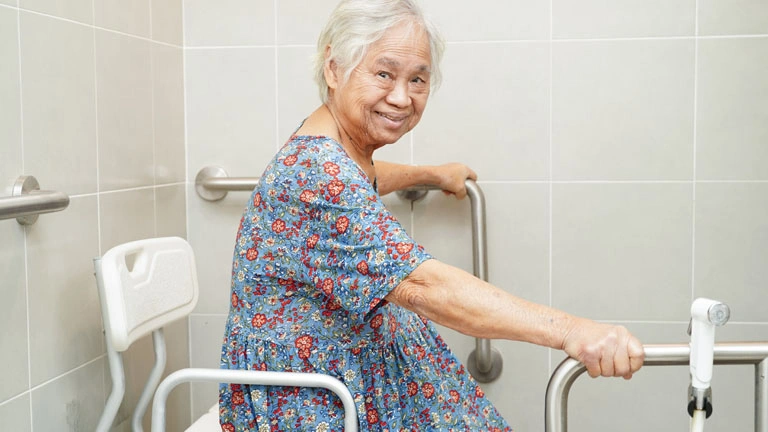
Preventing falls and building confidence starts with the right bathroom modifications.
Essential Safety Upgrades
Install non-slip mats inside and outside the shower. Add grab bars near the toilet and tub. Use a shower chair or bench. Choose a handheld showerhead. Consider a walk-in bathtub with door and seat. Install anti-scald devices. Ensure first-floor bathroom access.
Comfort and Dignity Features
Enhance the experience with heated seats in walk-in tubs, built-in audio systems, easy-to-wear robes with Velcro closures, and towels within reach. Keep the room warm and well-lit, and let the senior control the pace.
Signs a Senior Needs Bathing Help
Watch for early warning signs of hygiene decline to intervene promptly.
Physical Warning Signs
Look for oily, matted, or unwashed hair, persistent body odor, dirty or stained clothes, visible dirt in skin folds, rashes or redness in groin or underarms, and fungal infections between toes or under breasts.
Behavioral Warning Signs
Notice if the senior avoids the bathroom, refuses to change clothes, shows confusion about personal care, has difficulty handling soap or faucets, experiences frequent falls in the bathroom, or cannot dry or dress after bathing.
How to Handle Bathing Resistance
Understanding why seniors resist bathing helps caregivers find effective solutions.
Common Reasons for Resistance
Seniors may resist due to fear of falling, cold bathroom temperatures, loss of privacy, sensory overload from noise and lights, cognitive confusion, or past embarrassment or trauma.
Strategies to Encourage Cooperation
Preserve privacy using towels with Velcro or aprons in showers. Use a handheld showerhead to reduce noise and give control. Stick to a routine for predictability. Encourage independence by letting them do what they can. Adjust timing to bathe when most alert, often midday. Consider involving a professional caregiver, as many seniors accept help better from trained staff.
Professional Care Services Available
In-home caregivers play a vital role in senior hygiene, especially when safety, mobility, or cognitive issues are present.
What Caregivers Provide
Professional caregivers assist with showers, sponge baths, and hair washing. They help apply lotion, deodorant, and barrier creams. They support dressing and grooming, monitor skin health and hygiene, and follow personalized care plans.
Reputable agencies include Helping Hands, Senior Home Care By Angels, JFS Care, and CareWorks Health Services.
Key Takeaways for Senior Bathing Frequency
Finding the right bathing frequency for seniors balances cleanliness, skin health, safety, and dignity. For most older adults, two to three baths per week with daily spot-cleaning is ideal. Customize routines based on mobility, cognition, and medical needs.
Aging skin requires gentle handling. Use lukewarm water, pH-balanced cleansers, and moisturize immediately after bathing. With the right tools, adaptive equipment, and professional support when needed, seniors can maintain hygiene safely and comfortably throughout aging.
Frequently Asked Questions About Senior Bathing
How often should seniors bathe in winter?
Once per week is often enough during winter months. Indoor heating and cold air dry out skin significantly. Use sponge baths or partial cleaning on other days to avoid over-drying.
Is daily bathing unhealthy for seniors?
Yes, daily showers strip natural oils, leading to dryness, itching, and skin damage. Unless medically required, daily bathing is unnecessary and potentially harmful for most seniors.
Can seniors shower instead of taking baths?
Yes, showers are safer than baths for older adults. With a shower chair and grab bars, showers reduce fall and drowning risk significantly. Avoid deep tubs.
How often should seniors with dementia bathe?
Once or twice weekly is sufficient for most dementia patients. Success depends on calm, structured routine and patient communication. Forcing a bath can cause trauma. Focus on comfort and essential hygiene.
How often should bedridden seniors bathe?
Daily sponge baths are recommended for bedridden seniors. Include cleaning of back, buttocks, skin folds, and genital area. Reposition during care to prevent pressure sores.
What is the best water temperature for seniors?
The ideal range is 35 to 40.5 degrees Celsius, or 95 to 105 degrees Fahrenheit. Never exceed 41 degrees Celsius. Test with a thermometer or inner forearm before use.