

Preparing meals for elderly individuals requires more than following recipes. It demands understanding how aging affects appetite, digestion, and physical abilities so you can create nutritious meals that support health and independence. Whether you are a caregiver, family member, or a senior cooking for yourself, knowing how to prepare meals for elderly loved ones can prevent malnutrition, reduce hospital visits, and improve daily quality of life. This guide covers everything from assessing nutritional needs to batch cooking strategies, adapting for medical conditions, and knowing when to seek help.
Assess Nutritional Needs Before Planning Meals
Before grocery shopping or firing up the stove, understand what an aging body truly needs. Nutritional requirements shift after 60, and ignoring these changes leads to muscle loss, weakened immunity, and fatigue.
Why Protein Becomes Critical After 60
Muscle loss accelerates with age, making protein the most important nutrient for seniors. Without adequate protein, strength declines, balance suffers, and recovery from illness slows. Aim for 1.0 to 1.5 grams of protein per kilogram of body weight daily. Easy sources include Greek yogurt, eggs, cottage cheese, canned tuna, shredded rotisserie chicken, and tofu.
Add powdered milk to mashed potatoes or blend silken tofu into scrambled eggs for extra protein without changing texture or flavor.
Fighting Hidden Dehydration
Seniors often do not feel thirsty even when dehydrated. Chronic dehydration causes confusion, fatigue, and urinary problems. Offer fluids every two hours. Keep water, herbal tea, and broth within reach. Serve hydrating foods like watermelon, cucumbers, oranges, and soups throughout the day.
Key Nutrients That Decline With Age
Certain vitamins and minerals become harder to absorb or obtain through diet alone as the body ages.
Vitamin B12 supports brain and nerve function. Eggs, fortified cereals, and nutritional yeast provide steady amounts. Vitamin D strengthens bones and is found in fatty fish, fortified milk, and sunlight exposure. Calcium prevents fractures and comes from yogurt, kale, and sardines with bones. Fiber prevents constipation and is abundant in oats, apples, lentils, and rye crisps.
Avoid ultra-processed foods high in sodium and sugar. These increase risks for hypertension, diabetes, and inflammation in seniors.
Design Senior-Friendly Menus Using the Plate Method
A well-planned menu makes mealtime predictable, nutritious, and enjoyable. Use the MyPlate method to build balanced meals without counting calories or measuring portions.
How to Apply the Plate Method
Divide the plate into three sections. Fill half with vegetables and fruit such as steamed carrots, roasted zucchini, or fresh berries. Dedicate one quarter to lean protein like baked salmon, turkey patty, or eggs. Reserve the final quarter for whole grains including quinoa, brown rice, or whole wheat toast. Add a dairy portion on the side such as milk, yogurt, or cheese.
This balance provides sustained energy, supports digestion, and strengthens immune function without overwhelming the system.
Plan for Small, Frequent Meals
Many seniors eat less per sitting due to reduced appetite or energy. Instead of three large meals, aim for five to six mini-meals throughout the day.
A sample day might include overnight oats with chia seeds and blueberries for breakfast, cottage cheese with peach slices as a morning snack, a tuna salad wrap in a soft tortilla for lunch, a hard-boiled egg with a banana for an afternoon snack, baked chicken with mashed sweet potatoes and green beans for dinner, and warm milk with a rye crisp before bed.
This pattern maintains stable blood sugar, prevents energy crashes, and improves nutrient absorption.
Essential Kitchen Tools for Elderly Meal Prep

The right equipment reduces strain, prevents injury, and makes cooking manageable for seniors with arthritis, limited strength, or reduced mobility.
Must-Have Equipment for Aging Hands
An electric kettle boils water safely in seconds without hovering over a stovetop. A slow cooker lets you set meals and walk away, ideal for soups and stews. An immersion blender purees soups directly in the pot without transferring hot liquid to a countertop blender. A jar opener eliminates the frustration of stuck lids. A non-slip cutting board prevents slips and cuts. A food thermometer ensures meat reaches safe temperatures without guessing.
Avoid glass containers because they are heavy and shatter-prone. Use BPA-free plastic or stainless steel instead. Label all containers with the name of the dish, date prepared, and reheating instructions such as “add one tablespoon milk when reheating” to prevent confusion and food waste.
Build a 36-Meal Freezer System for Easy Cooking
Maximize variety while minimizing daily effort using a mix-and-match batch prep model. This system produces 36 possible meal combinations from just a few prepared components.
How the System Works
Prepare three starch bases, four proteins, and three side dishes. Each component freezes in eight-ounce portioned containers. Combine one item from each category to create a complete meal.
Starch bases include instant mashed potatoes enriched with butter and sour cream, buttered egg noodles cooked with bouillon, and mac and cheese enhanced with extra cheddar.
Proteins include slow-cooked barbecue pulled pork, baked chicken in lemon cream sauce, chicken with gravy made from shredded rotisserie chicken and gravy packets, and creamed tuna sauce without peas for easier digestion.
Side dishes include creamed spinach sautéed in bacon fat, brown sugar carrots made from canned carrots with cinnamon, and baked apples using Pink Lady apples with sugar and butter.
This setup takes approximately seven hours once per week and costs roughly $50 to $70. The result is no daily cooking, no decision fatigue, and no repetitive meals.
Using the System Effectively
Pick one item from each category. Reheat in the microwave, adding liquid if the food appears dry. Combine on a plate. Rotate selections weekly to avoid flavor fatigue.
Adapt Meals for Common Health Conditions
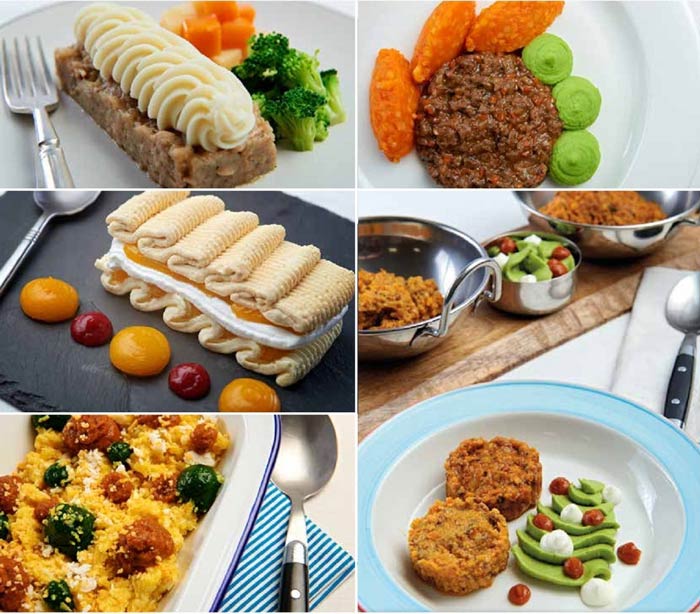
One-size-fits-all meal planning does not work for seniors with medical conditions. Customize based on specific health needs.
Diabetes: Control Blood Sugar Spikes
Choose low-glycemic carbohydrates such as steel-cut oats, quinoa, and berries. Always pair carbs with protein to stabilize blood sugar. Avoid white bread, sugary cereals, and fruit juices.
A sample plate might include scrambled eggs with sautéed spinach and half a whole grain English muffin.
Heart Disease: Lower Sodium and Saturated Fat
Use herbs like rosemary and thyme, lemon juice, and garlic instead of salt. Replace butter with olive oil. Choose skinless poultry, fish, and beans over red meat.
A safe swap replaces fried chicken and mashed potatoes with grilled salmon, quinoa, and steamed broccoli.
Swallowing Difficulties: Modify Texture Safely
For dysphagia or dental issues, avoid dry, crumbly, or tough foods. Safe options include scrambled eggs, applesauce, mashed bananas, yogurt, and pureed soups blended until smooth.
Avoid raw vegetables, nuts and seeds, dry bread, tough meats, and sticky rice or peanut butter unless thinned with broth or milk.
Quick Breakfast Ideas for Seniors
Morning meals set the tone for the day. Keep these options simple, nutrient-dense, and easy to prepare.
Overnight oats combine oats, milk, chia seeds, yogurt, and berries. Mix everything in a jar the night before and refrigerate overnight. Egg muffins whisk eggs with cheese and spinach, then bake in a muffin tin for 30 minutes at 300 degrees Fahrenheit. Power toast uses whole grain bread topped with almond butter and banana slices.
For seniors with weak hands, use pre-sliced bread, single-serve nut butter packets, and fruits that require no peeling.
Simple Lunch Options Requiring Minimal Effort
Lunch should provide energy without requiring extensive cooking.
A tuna salad wrap mixes canned tuna with Greek yogurt and celery, then rolls the mixture in a soft tortilla. A quinoa bowl combines pre-cooked quinoa with frozen mixed vegetables, canned chickpeas, and olive oil. Cottage fries sauté parboiled potatoes with cheese and leftover vegetables. Soup with toast pairs low-sodium vegetable soup with whole grain toast or a grilled cheese on soft bread.
Steam or sauté vegetables in olive oil instead of boiling to preserve nutrients.
Dinner Recipes That Freeze Well
Evening meals benefit from advance preparation. These dishes reheat well and provide complete nutrition.
Baked salmon wrapped in foil with tomato, onion, garlic, and basil bakes at 300 degrees Fahrenheit for 15 minutes. Shrimp and pasta sauté shrimp with garlic and tomatoes, then serve over pre-cooked pasta. Lamb and potatoes brown ground lamb with garlic and serve over parboiled potatoes. Beans and rice heat black beans with brown rice and salsa, keeping the dish warm in a crockpot.
Use extra virgin olive oil or avocado oil for cooking. Avoid canola oil due to potential cognitive risks suggested in research.
Smart Snacks to Keep Energy Stable
Frequent snacking prevents weight loss and energy crashes between meals.
Smart snack options include hummus with pre-cut carrot sticks, Greek yogurt with honey and berries, cottage cheese with pineapple, rye crisp with guacamole or Swiss cheese, a hard-boiled egg with an apple, a small handful of unsalted almonds if chewable, banana pudding made from instant pudding mix with milk and bananas, or a smoothie blending milk, banana, oats, and a handful of spinach.
Avoid dry crackers, sticky candies, and raw broccoli because these are difficult to chew or digest. Keep snacks visible and within reach. Use labeled bins marked “Morning,” “Afternoon,” and “Evening” to guide intake.
Follow Strict Food Safety Rules
Older adults are more vulnerable to foodborne illness. One spoiled meal can lead to hospitalization.
Wash hands before and after handling food. Sanitize surfaces and cutting boards, using separate boards for meat and produce. Cook poultry to 165 degrees Fahrenheit, ground meat to 160 degrees Fahrenheit, fish to 145 degrees Fahrenheit, and all reheated food to 165 degrees Fahrenheit. Cool large batches quickly by dividing into shallow containers and refrigerating within two hours of cooking.
Refrigerate cooked meals at 40 degrees Fahrenheit or below and consume within three to four days. Freeze at zero degrees Fahrenheit or below for two to three months. Thaw in the refrigerator, in cold water, or in the microwave. Never thaw food at room temperature.
Discard food with off smells, mold, slime, or freezer burn.
Save Time With Weekly Batch Prep
Conserve physical and mental energy by preparing staple ingredients once per week.
Wash and chop vegetables and store them in airtight containers. Cook grains like quinoa, rice, and barley in bulk. Boil eggs, which last up to one week in the shell. Roast a tray of root vegetables including carrots and sweet potatoes.
Use frozen vegetables because they are just as nutritious, pre-cut, and require no washing. Rinse canned beans to reduce sodium. Use pre-cooked grains that microwave in 90 seconds. Shred rotisserie chicken for salads, wraps, and soups.
Best foods for reheating include quinoa, lentils, carrots, broccoli, and bell peppers. Add a splash of water when microwaving to restore moisture.
Know When to Seek Alternative Meal Solutions
Monitor for warning signs that a senior needs help beyond meal prepping.
Watch for burnt pots or forgotten stove burners, expired or moldy food in the refrigerator, empty pantry or unopened groceries, shaky hands during cutting, or unexplained weight loss or fatigue. These are not signs of laziness but rather indicators of declining physical or cognitive ability.
Alternative solutions include Meals on Wheels, which delivers hot meals daily along with a wellness check. Services like Silver Cuisine and MagicKitchen ship frozen, diet-specific meals nationwide. Senior centers offer free or low-cost group meals with social benefits. In-home caregivers can shop, cook, and clean, allowing family members to focus on care rather than chores.
Eating with others boosts appetite and mental health. Encourage community meals whenever possible.
Frequently Asked Questions About How to Prepare Meals for Elderly
How much protein does an elderly person need daily?
Seniors should aim for 1.0 to 1.5 grams of protein per kilogram of body weight daily to prevent muscle loss and support immune function. Good sources include eggs, Greek yogurt, cottage cheese, lean poultry, fish, and legumes.
What are the best foods for seniors with difficulty swallowing?
Soft foods work best for swallowing difficulties. Options include scrambled eggs, applesauce, mashed bananas, yogurt, pureed soups, and moistened foods with gravy or broth. Avoid tough meats, raw vegetables, nuts, seeds, and dry bread.
How can I prevent dehydration in elderly individuals?
Offer fluids every two hours throughout the day. Keep water, herbal tea, and broth within easy reach. Serve hydrating foods like watermelon, cucumbers, oranges, and soups. Use marked cups with time goals to track intake.
What are quick meal options for seniors with limited energy?
Quick options include overnight oats prepared the night before, egg muffins baked in advance, tuna salad wraps, pre-cooked quinoa with frozen vegetables, and slow cooker meals that require minimal active preparation.
How long do homemade freezer meals last?
Cooked meals stored in the freezer at zero degrees Fahrenheit or below last two to three months. Soups and stews can last up to three months. Label all containers with contents and date to track freshness.
When should I consider meal delivery services for seniors?
Consider delivery services when you notice warning signs like forgotten stove burners, expired food, unexplained weight loss, or difficulty with kitchen tasks. Meals on Wheels and private services like MagicKitchen provide nutritious, prepared meals for seniors who can no longer cook safely.
Key Takeaways for Preparing Meals for Elderly
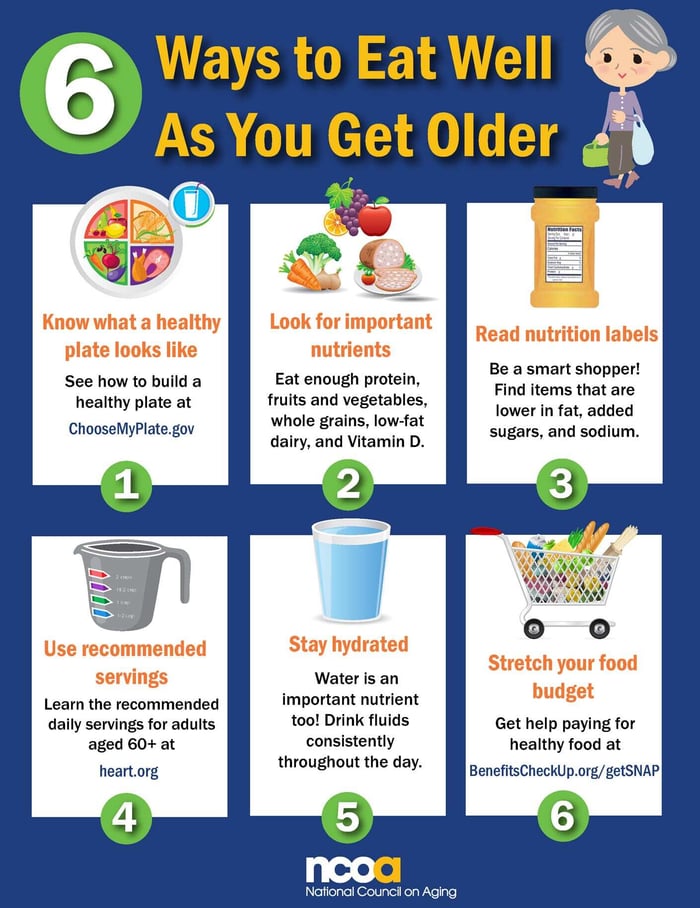
Mastering how to prepare meals for elderly individuals involves understanding their unique nutritional needs, adapting meals for medical conditions, and using systems that reduce daily effort. Prioritize protein to combat muscle loss, keep seniors hydrated with frequent fluid offerings, and use the plate method to build balanced meals. Invest in ergonomic kitchen tools and consider batch cooking or freezer systems to minimize daily cooking demands. Always follow strict food safety rules because older adults are more vulnerable to foodborne illness. When cooking becomes unsafe or overwhelming, explore meal delivery services, senior community programs, or in-home caregivers to ensure continued access to nutritious food. One well-planned meal at a time, you are nurturing independence, dignity, and quality of life for the seniors you care for.