

Bathing a senior can feel overwhelming, especially if you’re worried about falls, resistance, or causing discomfort. Whether you’re caring for a parent, spouse, or client, knowing how to bathe a senior safely and respectfully transforms this daily challenge into a comfortable ritual that protects their health and preserves their dignity.
This guide covers everything you need: the right bathing frequency, safety equipment, step-by-step techniques for different mobility levels, and strategies for handling resistance. You’ll learn how to clean sensitive areas properly, protect aging skin, and adapt your approach for seniors with dementia or limited mobility.
Understanding Proper Bathing Frequency for Seniors
Seniors don’t need daily showers. In fact, bathing too often harms aging skin, which becomes thinner and loses natural oils. Most seniors stay clean with 2 to 3 full baths or showers per week, supplemented by daily targeted cleaning of high-risk areas.
Targeted daily cleaning works better than full baths for many seniors. Focus on these areas every day: underarms, groin, skin folds under the breasts or abdomen, neck, and feet. Use a warm washcloth with mild soap or fragrance-free wipes. This approach prevents odor and skin breakdown without the risks of over-bathing.
Certain factors may require more frequent full baths. Hot weather, excessive sweating, use of incontinence products, or active outdoor lifestyles may increase bathing needs. Conversely, fragile skin, open sores, limited mobility, or dementia-related resistance may mean fewer full baths and more reliance on sponge baths or no-rinse alternatives.
Preparing the Bathroom Safely
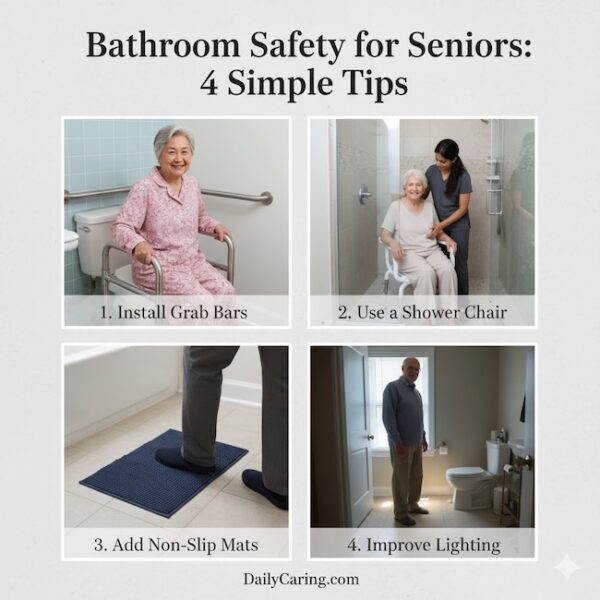
A warm, safe bathroom environment reduces fall risks and eases anxiety. Set the room temperature to 75 to 80 degrees Fahrenheit before starting. Cold air causes shivering and increases resistance. Close doors and windows to eliminate drafts, and consider using a portable heater.
Test water temperature with the back of your hand or inner wrist. The ideal range is 100 to 105 degrees Fahrenheit. Install an anti-scald valve to prevent sudden temperature spikes, and never leave the senior unattended while water runs.
Essential safety equipment prevents falls. Non-slip mats go inside and outside the tub or shower. Grab bars must be mounted securely into wall studs near the toilet and tub. Towel racks cannot support body weight and are not safe substitutes. Additional equipment includes a shower chair or transfer bench for seated bathing, a handheld showerhead for controlled water direction, and a long-handled sponge for reaching feet and back without bending.
Bright lighting matters, especially for dementia patients. Shadows can appear threatening or like holes. Use high-contrast non-slip mats, such as bright yellow on white floors, to improve visibility and reduce fear.
Gathering All Required Supplies
Being unprepared forces rushed movements, breaks privacy, and increases caregiver strain. Gather everything before starting and keep supplies within arm’s reach.
Essential supplies include mild fragrance-free soap, no-rinse or tear-free shampoo, 4 to 6 soft washcloths, large absorbent towels, fragrance-free moisturizer, cornstarch for skin folds, incontinence wipes or perineal cleanser, clean easy-to-wear clothing, a waterproof underpad for bed baths, and optionally a lotion applicator.
Wear non-slip rubber-soled shoes as a caregiver. Caregiver injuries during bathing are common, and protecting yourself ensures you can continue providing care.
Choosing the Right Bathing Method
Match the method to the senior’s mobility, cognition, and safety needs. Three main options work for most situations.
Showering with support suits seniors who can stand with help or sit on a shower chair. Pre-warm the bathroom and test water. Place non-slip mats inside and outside the shower. Guide the senior to a seated position on the shower chair. Encourage self-washing of accessible areas like chest and arms. Wash hair last by having them tilt their head forward, shielding eyes with a damp washcloth, and using low-pressure water. Rinse thoroughly to remove all soap residue, then dry immediately after exiting.
Tub bathing with a transfer bench only works if the senior can sit safely and transfer with support. Fill the tub with only 3 to 6 inches of warm water. Use a transfer bench so they don’t step over the tub wall. Stay within arm’s reach and never leave unattended. Limit time to 10 to 15 minutes to prevent dizziness. Dry thoroughly, especially between toes and in skin folds.
Bed baths work for bedbound seniors or those who cannot transfer safely. Supplies needed include two basins for soapy and rinse water, warm water at 100 to 105 degrees Fahrenheit, mild or no-rinse cleanser, 4 to 6 washcloths, towels, a waterproof underpad, lotion, and cornstarch. Warm the room and ensure privacy. Adjust bed height to avoid caregiver back strain. Place a waterproof pad under the hips. Drape a blanket over the senior and expose only one area at a time. Start with face and neck using a clean damp washcloth without soap. Move to upper body, then wash private areas last using a fresh cloth and cleaning front to back for women. Help roll to the side for back and buttocks. Wash legs and feet last, drying between toes. Replace cold water as needed. Apply lotion and dust skin folds with cornstarch when finished.
Cleaning Private Areas Properly
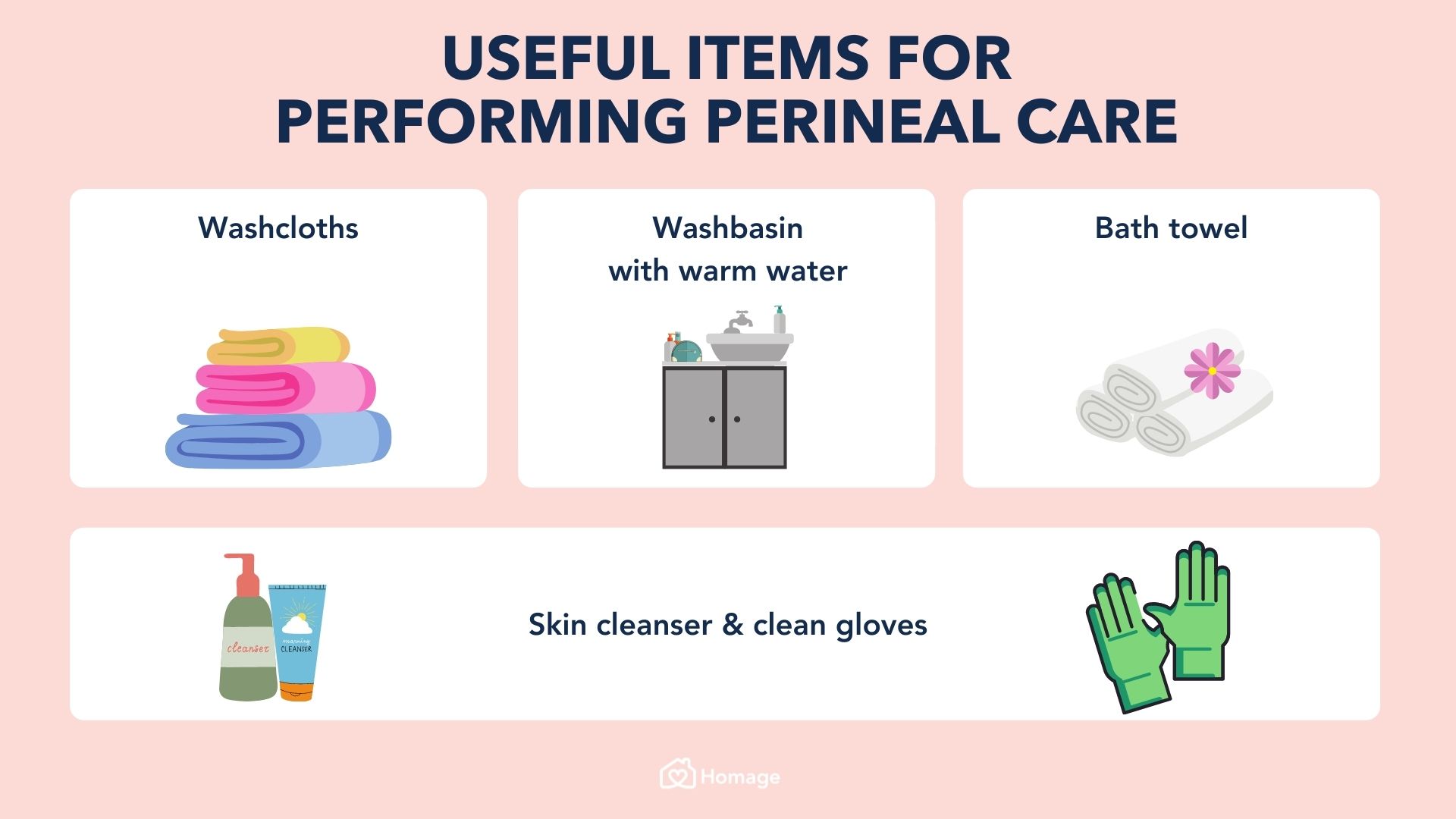
Proper hygiene in private areas prevents infections, odor, and skin breakdown. This care is non-negotiable, even on non-bathing days.
Clean underarms, groin, and skin folds with warm water and mild soap or fragrance-free wipes every day. Use a fresh washcloth or wipe for each pass. For women, always wipe front to back to prevent bacteria from entering the urethra. Thoroughly dry all areas, as moisture breeds fungal infections. Pat dry or apply cornstarch to absorb remaining moisture.
Choose skin-safe products carefully. Test any wipe on your own skin first, as some hypoallergenic brands still cause stinging. Reusable washcloths laundered after each use work well. No-rinse cleansing lotions and medical-grade perineal cleansers are good options. Avoid harsh soaps and use mild formulas or baby shampoo instead.
Encourage independence whenever possible. Let the senior hold the wipe or wash the front of their body. Use verbal cues like “Now let’s clean under your arms” and consider using distraction through music, conversation, or light humor.
Protecting Skin, Hair, and Nails
Bathing time is ideal for checking skin condition and maintaining overall hygiene.
Protect aging skin by moisturizing daily with fragrance-free lotion after every bath. Massage gently and towel off excess. Prevent rashes by dusting skin folds with cornstarch, changing incontinence products at least twice daily, and applying barrier cream to areas prone to moisture. Treat existing rashes early: fungal rashes in skin folds may need clotrimazole cream, and increasing cleaning frequency helps until healing occurs.
Wash hair once weekly, which is sufficient for most seniors. Keep them seated, use a handheld showerhead on low pressure, and shield their eyes with a washcloth. Dry shampoo in foam or spray form refreshes hair between washes and works well for bedbound seniors.
Care for nails by filing weekly to smooth edges and prevent scratches. Cut nails straight across to avoid ingrown toenails. Use rounded clippers and push back cuticles gently with a towel rather than cutting them. Inspect regularly for signs of fungal infection like thickening or discoloration, or poor circulation indicated by blue or pale color.
Maintaining Dignity and Emotional Comfort
Bathing is an intimate activity that impacts mental well-being. How you handle it matters as much as the physical care.
Respect autonomy by letting the senior do whatever they can, even holding a washcloth. Maintain privacy by draping a towel over the lap during private care, closing doors and curtains, and uncovering only the area being washed. Use humor thoughtfully and only if it matches their personality. Some seniors respond to light jokes like “Time to freshen up the girls” or “You’ll be clean enough to eat off of.” When in doubt, skip humor.
Communicate with confidence rather than awkwardness. Say “We’re going to wash your back now, okay?” instead of simply announcing the action. Reassure them: “Everyone needs help sometimes. It’s nothing to feel bad about.” Your calmness reassures them.
Managing Resistance and Refusal
Refusal is common, especially with dementia, fear of falling, or loss of dignity. Understanding the cause helps you respond effectively.
Common reasons seniors refuse include fear of water or slipping, cold bathroom temperatures, loss of control or dignity, confusion about why they need to bathe, and depression or apathy.
Proven strategies encourage cooperation without forcing. Talk to the doctor, as a physician’s recommendation often carries more weight than a caregiver’s request. Set a routine by bathing at the same time weekly to reduce anxiety. Offer choices like “Shower in the morning or after lunch?” Praise their effort: “You did great today!” Reframe the task as a “freshen-up” or “cool rinse” rather than bathing. Break it into steps, washing arms today and legs tomorrow. Use distraction with favorite music or conversation about happy memories.
Never force bathing, as this can cause trauma, aggression, and long-term refusal.
Adapting Techniques for Dementia Patients
Seniors with dementia may not understand why they need to bathe or may perceive helpers as threats.
Use show and tell communication. Say “Let’s wash your arms” and demonstrate on your own arm. Guide their hand to the washcloth. Use simple words like “Wet. Wash. Rinse.”
Reduce environmental stress by closing the shower curtain before turning on water, as running water may scare them. Use high-contrast mats so they can see floor edges. Avoid sudden movements and move slowly and calmly.
Pick the right time to bathe when they’re most alert, usually morning or early afternoon. Avoid bathing when they’re tired, hungry, or agitated. Some caregivers succeed by entering the bathroom first and pretending to bathe, prompting imitation.
Exploring No-Rinse and Alternative Methods
When traditional bathing is unsafe or refused, these options maintain hygiene.
No-rinse bathing solutions work well for bedbound seniors or those with dementia who fear water. No-rinse body wash applies with a cloth and doesn’t require rinsing. Dry shampoo in foam or spray absorbs oil and refreshes hair without water. Pre-moistened cleansing cloths like Freshness or Medline Remedy Cares offer quick freshening. Waterless foams spray on and wipe off.
For grooming, electric shavers are safer for self-use. Safety razors should only be used by caregivers. Shave with the grain to prevent irritation and ingrown hairs.
Dressing Safely After Bathing
Wet floors and tired muscles increase fall risk during dressing. Choose easy-wear clothing to simplify the process.
Recommended items include elastic waist pants, Velcro shoes instead of laces, front-opening shirts or pullovers, and slip-on shoes with non-slip soles. Avoid tight jeans or stiff fabrics, small buttons or complicated zippers, and high-top lace-up shoes unless medically required.
Dressing strategies help maintain safety. Lay out clothes in the order they’ll be worn. Let them sit on a bench or toilet while dressing. Allow plenty of time and don’t rush. Put on non-slip shoes before standing up.
When to Seek Professional Help
Caregiving shouldn’t come at your health or safety’s expense.
Signs you need support include the senior being bedbound or unable to transfer safely, experiencing back pain or strain, bathing triggering aggression or panic, skin rashes or infections that won’t heal, and feeling overwhelmed or isolated.
Professional options include home health aides who provide full baths 1 to 2 times per week, nurse visits to assess skin and hygiene, and bathing services with mobile units or professional teams.
Caregiver self-care matters. Use proper lifting techniques and never lift alone if the senior is heavy. Take breaks to prevent burnout. Join support groups like AgingCare.com. Ask for training from a home health nurse. If you cannot safely support their weight, do not attempt the transfer.
Key Takeaways for Safe Senior Bathing
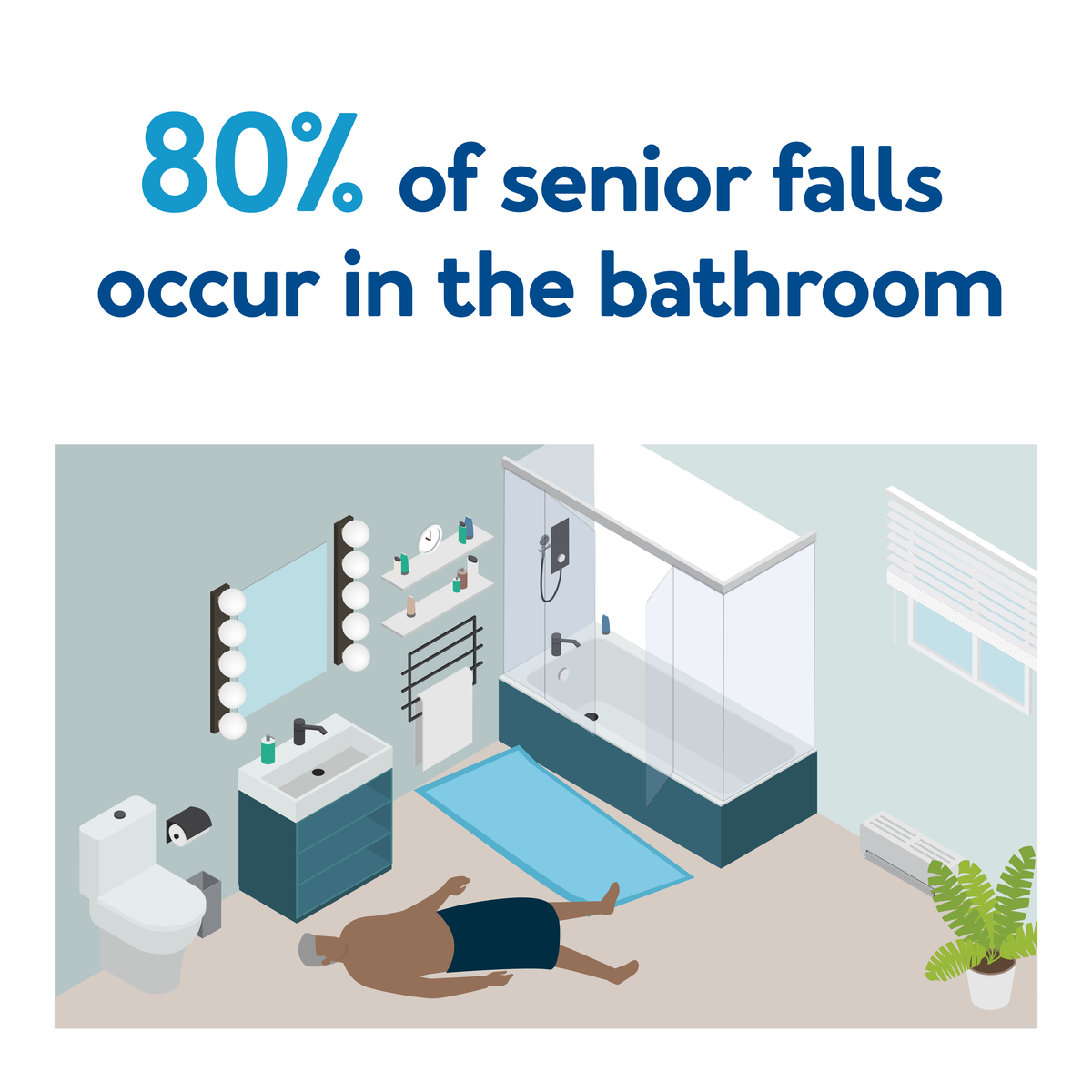
Bathing a senior isn’t about perfection. It’s about safety, comfort, and respect.
Focus on frequency over thoroughness. Two to three full baths per week with daily spot-cleaning works for most seniors. Test water with your wrist and keep it between 100 and 105 degrees Fahrenheit. Use a shower chair, grab bars, and non-slip mats every single time. Clean private areas front to back and dry thoroughly. Moisturize after every bath and use cornstarch in skin folds. Preserve dignity by draping the lap, uncovering only what’s needed, and allowing independence where possible. Use no-rinse alternatives when water is unsafe or refused. Adapt your approach for dementia patients using simple cues, routines, and calm communication. Ask for professional help when the task exceeds your physical ability or causes overwhelming stress.
When in doubt, slow down, ask for help, and remember: you’re not just cleaning skin. You’re honoring a person.
Frequently Asked Questions About How to Bathe a Senior
How often should I bathe a senior?
Most seniors need 2 to 3 full baths or showers per week. Daily spot-cleaning of underarms, groin, skin folds, and feet maintains hygiene between full baths. Over-bathing dries out aging skin and can cause irritation or cracking.
What is the safest water temperature for bathing a senior?
The ideal water temperature is 100 to 105 degrees Fahrenheit. Test with the back of your hand or inner wrist, which are more sensitive than fingertips. Always install an anti-scald valve to prevent sudden temperature changes.
How do I give a bed bath to a bedbound senior?
Warm the room to 75 to 80 degrees Fahrenheit. Use two basins, one with soapy water and one with rinse water. Keep the senior covered with a blanket and expose only one area at a time. Wash from clean to dirty, finishing with private areas. Clean front to back for women. Dry thoroughly and apply lotion.
What should I do if the senior refuses to bathe?
Never force bathing. Try warming the bathroom first, offering choices like “morning or afternoon,” creating a consistent routine, using distraction with music or conversation, or reframing it as a “freshen-up.” Consult their doctor, as a physician’s recommendation often helps. Consider no-rinse alternatives if resistance continues.
How do I clean private areas without causing infection?
Clean daily even on non-bathing days. Use fragrance-free wipes or a warm washcloth. Always wipe front to back for women to prevent bacteria from entering the urethra. Pat dry thoroughly or apply cornstarch to absorb moisture. Avoid harsh soaps that irritate sensitive skin.
What equipment prevents falls during bathing?
Essential equipment includes non-slip mats inside and outside the tub, grab bars mounted securely into wall studs, a shower chair or transfer bench, a handheld showerhead, and non-slip footwear for the caregiver. Never rely on towel racks for support, as they cannot bear weight.