
Many older adults find themselves losing strength, feeling fatigued, or struggling to recover after illness. Often, they don’t realize a simple nutritional fix could help. One of the most overlooked yet powerful tools for healthy aging is adequate protein intake. As we age, our bodies become less efficient at using protein, making it harder to maintain muscle, heal from injuries, and stay active. While whole foods should always come first, protein shakes can play a smart, strategic role for seniors who aren’t meeting their needs through diet alone.
The reality is that most seniors don’t eat enough protein. The standard recommendation of 0.8 grams per kilogram of body weight is outdated for older adults, who actually need 1.0 to 1.5 grams per kg daily to combat age-related muscle loss. Without enough protein, seniors face higher risks of frailty, falls, slow healing, and loss of independence. This guide breaks down exactly when protein shakes help, which types work best, how much to take, and what to avoid.
When Protein Shakes Help Seniors
Protein supplements are not for everyone, but for certain older adults, they are a practical solution to real-world challenges. The key is knowing when they are truly beneficial.
Low Appetite or Weight Loss
As people age, appetite often declines due to changes in taste, smell, digestion, or medications. This can lead to unintentional weight loss, which is a red flag that shouldn’t be ignored. When meals become too small to meet protein needs, a shake between meals can provide essential nutrients without requiring a large portion.
• A 30-gram protein shake adds substantial nutrition in just one drink
• Helps stabilize weight and energy levels
• Prevents muscle breakdown during calorie deficits
Chewing or Swallowing Difficulties
Dental problems, dry mouth, or conditions like dysphagia make eating solid food hard. In these cases, smooth, drinkable protein sources are safer and more comfortable than tough meats or fibrous foods.
• Thickened shakes can match medical consistency requirements
• Easier to consume than chewed meals
• Reduces risk of choking or aspiration
Recovery from Illness or Surgery
After hospitalization, surgery, or infection, the body needs extra protein to repair tissues and rebuild strength. During recovery, protein needs may jump to 1.5 to 2.0 grams per kg per day, a level difficult to reach without supplementation.
• Speeds wound healing and immune recovery
• Helps prevent post-hospital weakness
• Supports faster return to independence
How Much Protein Do Seniors Really Need
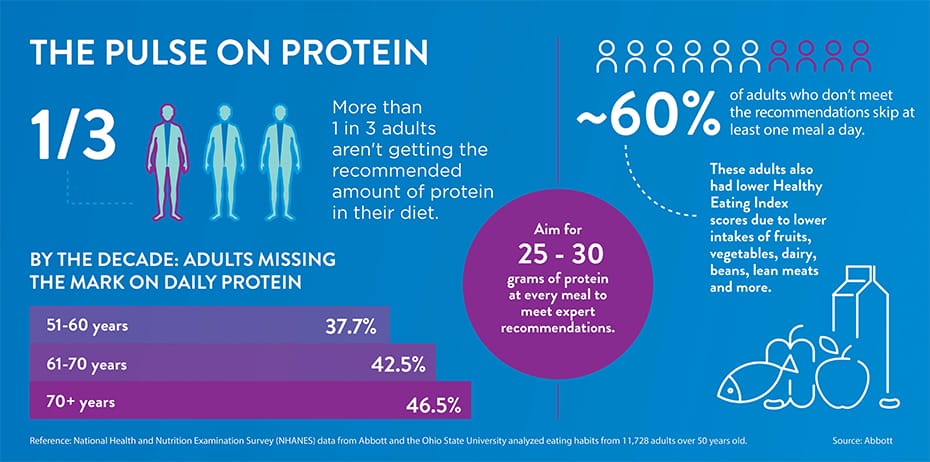
The old rule of 0.8 grams per kilogram doesn’t cut it for older adults. Research shows higher intake is needed to maintain muscle and function.
Daily Targets by Health Status
| Health Status | Protein Needs (g/kg/day) | Example (150 lb / 68 kg) |
|---|---|---|
| Healthy senior | 1.0–1.2 | 68–82 grams |
| With chronic illness | 1.2–1.5 | 82–102 grams |
| Recovering from surgery/illness | 1.5–2.0 | 102–136 grams |
Many seniors eat only 50 to 70 grams daily, well below the minimum for muscle maintenance. Experts suggest aiming for at least 90 grams per day as a practical target for most older adults.
Spread Protein Across Meals
It is not just total protein that matters. Timing and distribution are crucial. Due to anabolic resistance, seniors need 25 to 30 grams per meal to trigger muscle building.
• Breakfast: Most older adults eat less than 15g. Adding a shake helps close the gap.
• Lunch and Dinner: Should each include a strong protein source.
• Evening Snack: A casein shake before bed supports overnight muscle repair.
Eating all protein at dinner is not effective. Spreading it out maximizes muscle synthesis throughout the day.
Best Protein Sources for Older Adults
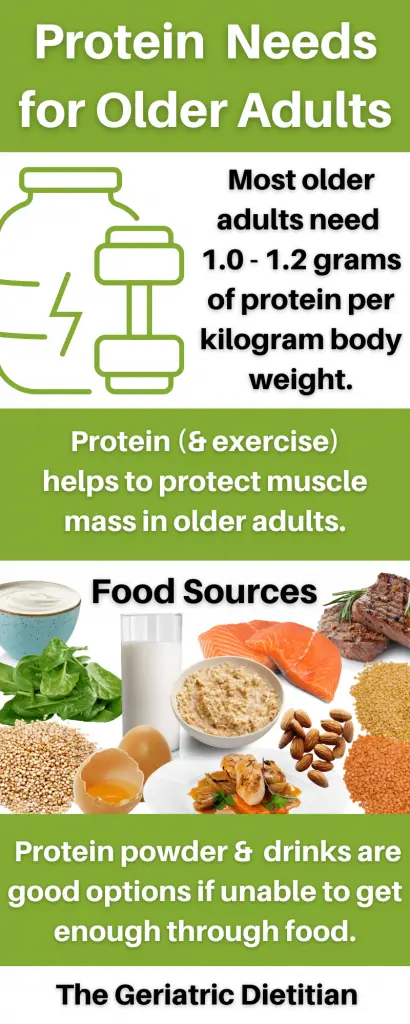
Whole foods should be the foundation of any senior’s diet. They offer more than protein, including fiber, vitamins, healthy fats, and antioxidants that support overall health.
Top Whole Food Options
Animal-Based Complete Proteins
• 3 oz chicken breast: ~28g
• 6 oz Greek yogurt: ~18g
• ½ cup cottage cheese: ~14g
• 3 oz salmon: ~22g
• 1 large egg: ~6g
These provide all nine essential amino acids, especially leucine, which directly activates muscle growth.
Plant-Based Proteins
• ½ cup lentils: ~9g
• Tofu (½ cup): ~10g
• Quinoa (1 cup): ~8g
• 2 tbsp peanut butter: ~8g
Plant proteins are rich in fiber and heart-healthy compounds but often lack one or more essential amino acids. Combining sources like beans plus rice ensures full coverage.
When to Use Protein Shakes
Shakes should not replace meals, but they can fill critical nutritional gaps.
Ideal Uses
• Breakfast boost: Add powder to oatmeal or smoothies
• Between-meal snack: When hunger is low but protein is needed
• Post-exercise recovery: Within 60 minutes of strength training
• Before bedtime: Casein shake for slow-release overnight support
Common Mistakes to Avoid
• Replacing two or more meals daily with shakes
• Using high-sugar commercial drinks regularly
• Taking supplements without checking medication interactions
Samantha Gallo of Mount Sinai Hospital warns that using shakes as meal replacements can backfire, leading to lower overall nutrient and calorie intake over time.
Choosing the Right Protein Powder
Not all protein shakes are created equal. Some are packed with sugar and additives, while others are clean and effective.
Whey Protein Isolate
Derived from milk, whey isolate is the most effective protein for muscle preservation in seniors.
• High in leucine, triggers muscle synthesis
• 95% pure protein, low in lactose and fat
• Rapidly absorbed
• Proven in studies to outperform other types
Best pick: Optimum Nutrition Gold Standard (24g protein per scoop, minimal ingredients)
Casein Protein
Digests slowly, releasing amino acids over hours, ideal for overnight muscle repair.
• Take 20 to 40g before bed
• May improve morning strength and recovery
• Thicker texture, less palatable for some
Plant-Based Proteins
Blends of pea, rice, or soy offer alternatives for those avoiding dairy.
• Soy protein is complete and well-studied
• Pea protein is high in leucine but lacks methionine
• May cause gas or bloating in sensitive individuals
Recommended brands include Garden of Life Raw Organic and Orgain Organic Protein Powder.
Collagen Peptides
Supports connective tissues, tendons, and skin elasticity.
• Dissolves easily in coffee or tea
• Not a complete protein, missing tryptophan
• Best combined with other protein sources
Top pick: Vital Proteins Collagen Peptides
What to Look for on Labels
Choosing a quality shake means reading beyond the front label.
Key Criteria
| Factor | What to Look For |
|---|---|
| Protein per serving | At least 20–30g |
| Added sugars | Less than 5g |
| First ingredient | Should be whey protein or pea protein, not sugar |
| Artificial additives | Avoid sucralose, acesulfame K, artificial colors |
| Digestive support | Enzymes or probiotics help tolerance |
Avoid products where water, maltodextrin, or sugar is listed first. These are often low-quality, high-carb options.
Homemade vs. Store-Bought Shakes
You do not need a commercial drink to get the benefits of protein supplementation.
Why Homemade Is Better
Blending your own smoothies gives you control over ingredients, taste, and nutrition.
Basic Formula
• 1 cup milk or kefir (adds calcium and probiotics)
• 1 scoop protein powder (20–25g protein)
• 1 cup frozen fruit (fiber and antioxidants)
• Optional boosters: spinach, chia seeds, nut butter, turmeric
Sample Recipes
• Green Machine: spinach, banana, pineapple, protein, almond milk
• Berry Boost: mixed berries, Greek yogurt, protein, flaxseed
• Chocolate Banana: banana, cocoa, milk, protein, peanut butter
• Immunity Smoothie: orange, ginger, turmeric, kefir, protein
These deliver more fiber, vitamins, and phytonutrients than most store-bought versions.
Commercial Shakes
Only choose ready-to-drink options when convenience is essential.
Best Choices
• Premier Protein: 30g protein, 1g sugar, low glycemic
• Glucerna: Designed for diabetics, controlled carbs
• Ensure Plus: 16g protein, 350+ calories, good for weight gain
Avoid sugary brands like Muscle Milk or SlimFast, which can spike blood sugar.
Risks and Side Effects to Watch For
Even helpful supplements can cause problems if used incorrectly.
High Sugar Content
Some popular shakes contain 20-plus grams of sugar per bottle, nearly as much as soda.
• Causes blood sugar spikes
• Worsens insulin resistance
• Undermines diabetes management
Fix: Choose sugar-free or low-glycemic options like Glucerna or Premier Protein.
Digestive Issues
Bloating, gas, or diarrhea are common complaints.
Causes
• Lactose intolerance, common in older adults
• Artificial sweeteners like sucralose or acesulfame K
• High fat or fiber content
Solutions
• Use whey isolate (lactose-free)
• Try collagen or plant-based proteins
• Choose products with digestive enzymes
Medication Interactions
Some shakes contain high levels of vitamins that interfere with drugs.
• Vitamin K in some formulas can reduce warfarin effectiveness
• Potassium or phosphorus may be dangerous for kidney patients
Always tell your doctor or pharmacist about any supplements you are taking.
Kidney Disease Warning
Seniors with chronic kidney disease should not increase protein without medical approval.
• Excess protein can worsen kidney function
• Individualized plans are essential
• Consult a renal dietitian before starting any supplement
Medicare may cover nutrition counseling for those with kidney disease or diabetes. Ask your provider.
Signs You Might Need More Protein
Your body sends signals when protein intake is too low.
Common Warning Signs
• Muscle weakness or shrinking arms and thighs
• Fatigue even after rest
• Slow healing of cuts or bruises
• Swelling in feet or hands (edema)
• Thinning hair, brittle nails, dry skin
• Frequent colds or infections
These symptoms overlap with other conditions, so see a healthcare provider for proper diagnosis.
Special Considerations by Health Condition
For Diabetic Seniors
• Choose low-glycemic, sugar-free shakes
• Pair with fiber like berries or chia to slow absorption
• Monitor blood sugar after trying a new product
• Consider Medicare-covered nutrition counseling
For Vegetarian or Vegan Seniors
• Combine plant proteins (beans plus grains)
• Use soy or blended protein powders
• Ensure adequate B12, iron, and leucine from other sources
For Those with Dysphagia
• Use thickened shakes or pudding-like textures
• Work with a speech therapist to determine safe consistency
• Commercial supplements often offer pre-thickened versions
Final Answer: Should Seniors Drink Protein Shakes
Yes, but only when needed and used correctly.
Protein shakes are not a daily necessity for healthy, well-fed seniors. But for those struggling with appetite, illness, recovery, or difficulty chewing, they can be a lifesaving nutritional boost.
Use Shakes If You
• Are not hitting 90-plus grams of protein daily
• Are losing weight or muscle
• Have low appetite or swallowing issues
• Are recovering from surgery or hospitalization
• Exercise and need post-workout support
But Only If
• You choose high-quality, low-sugar products
• You use them as a snack or supplement, not a meal replacement
• You mix them with whole foods like yogurt, fruit, or oats
• You check with your doctor, especially if on medications
• You have no kidney disease or other contraindications
As Stuart Phillips, protein expert at McMaster University, puts it: skip the ready-made shakes. Just blend some yogurt, blueberries, and a scoop of powder. That is real food with a boost.
Key Takeaways
• Seniors need more protein than the standard RDA. Aim for 1.0 to 1.5 g/kg/day.
• Distribute protein evenly across meals, 25 to 30g per meal including breakfast.
• Whole foods first, shakes only as a supplement.
• Whey isolate is the best-studied option for muscle health.
• Avoid high-sugar, ultraprocessed commercial drinks.
• Homemade smoothies with protein powder are superior.
• Never replace meals with shakes long-term.
• Check with your doctor if you have kidney disease, diabetes, or take medications.
With smart choices, protein shakes can help seniors stay strong, active, and independent longer, not by replacing real food, but by making it easier to get the nutrition they need.
Frequently Asked Questions About Seniors and Protein Shakes
Can seniors over 70 benefit from protein shakes?
Yes, seniors over 70 often benefit significantly from protein shakes. As we age, anabolic resistance makes it harder to build and maintain muscle, requiring higher protein intake. Protein shakes help bridge the gap between what seniors eat and what their bodies need, especially when appetite decreases or chewing becomes difficult.
Are protein shakes safe for seniors with kidney disease?
Protein shakes may not be safe for seniors with kidney disease without medical supervision. Excess protein can strain compromised kidneys. Anyone with kidney disease should consult a nephrologist or renal dietitian before adding protein supplements to their diet.
How many protein shakes should a senior drink per day?
Most seniors should limit protein shakes to one or two per day as supplements, not meal replacements. Overconsumption can lead to excessive protein intake, which may strain kidneys and displace whole foods from the diet. One shake containing 20 to 30g protein is typically sufficient to complement a balanced diet.
What is the best protein powder for seniors?
Whey protein isolate is generally considered the best protein powder for seniors. It is highly bioavailable, rich in leucine (the amino acid that triggers muscle synthesis), and low in lactose. For those who are dairy-free or vegan, blended plant proteins or soy protein are good alternatives.
Do protein shakes help seniors recover faster after surgery?
Yes, protein shakes can help seniors recover faster after surgery. Elevated protein intake supports wound healing, tissue repair, and immune function. During recovery, protein needs may reach 1.5 to 2.0 grams per kg per day, which can be difficult to achieve through food alone. Shakes provide a convenient way to meet these increased demands.
Can protein shakes cause digestive problems in seniors?
Yes, protein shakes can cause digestive problems in some seniors. Common issues include bloating, gas, and diarrhea, often due to lactose intolerance, artificial sweeteners, or high fiber content. Choosing whey isolate, plant-based options, or products with digestive enzymes can help minimize these symptoms.