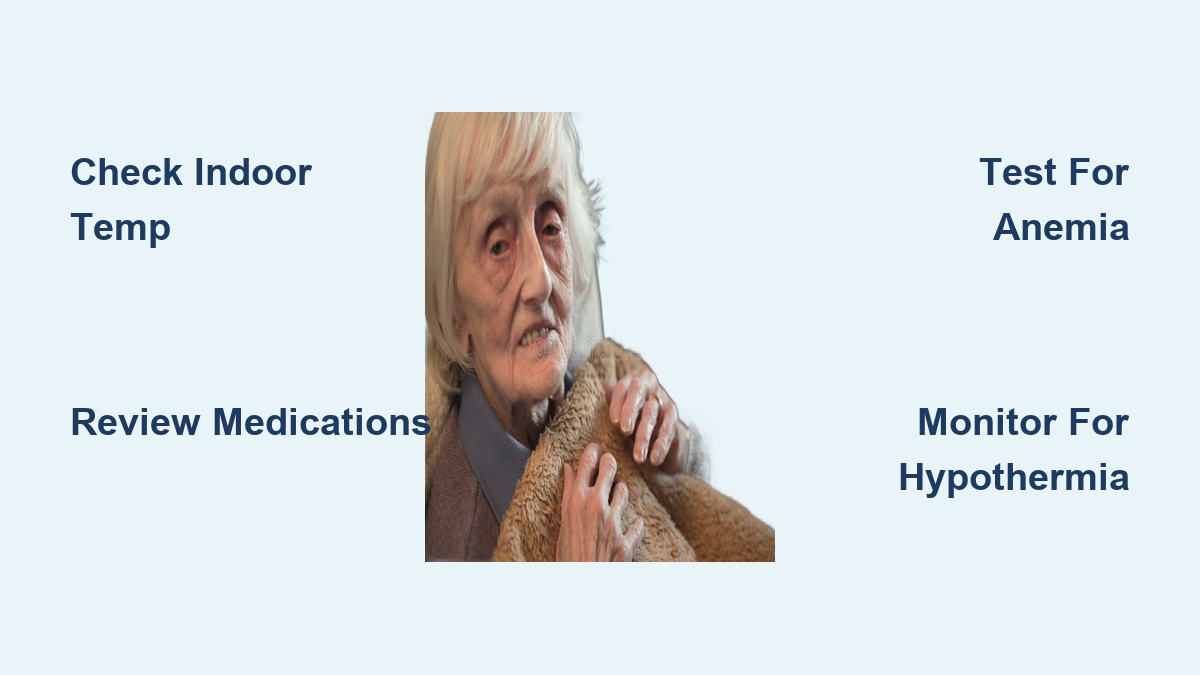
Feeling cold is more than just a minor discomfort in older adults. It can be a critical warning sign of underlying health issues. While aging naturally affects the body’s ability to regulate temperature, persistent cold sensitivity in the elderly often signals serious morbidity. Unlike younger individuals, older adults may not shiver effectively, have reduced fat insulation, or notice temperature changes due to diminished sensory perception. This means a constant feeling of cold, even indoors, should never be dismissed as just getting older.
Research and clinical data show that cold intolerance in seniors correlates strongly with increased hospitalization, cardiovascular events, respiratory infections, and higher mortality rates, especially during winter months. This guide explores the physiological causes, linked diseases, risks, and actionable steps caregivers and clinicians can take to protect elderly individuals from the hidden dangers of feeling cold.
Age-Related Thermoregulation Decline
As people age, their bodies become less efficient at maintaining core temperature, making cold sensitivity increasingly common.
Reduced Heat Production and Retention
The body’s ability to generate and conserve heat diminishes due to several interrelated changes.
- Slower metabolism: Basal metabolic rate drops with age, reducing internal heat generation.
- Loss of subcutaneous fat: Thinning fat layers under the skin decrease natural insulation.
- Lower muscle mass: Less skeletal muscle reduces shivering capacity, a key mechanism for warming up.
- Poor circulation: Blood vessels respond more slowly to cold, limiting warm blood flow to hands and feet.
These changes mean older adults cool down faster and struggle to rewarm without external support.
Impaired Temperature Sensing
The hypothalamus, which regulates body temperature, becomes less responsive over time. This delay in detecting cold environments increases the risk of prolonged exposure before any action is taken. Additionally, many seniors experience blunted thirst signals, leading to dehydration, a condition that worsens poor circulation and further disrupts thermal balance.
Without intervention, these physiological shifts create a dangerous vulnerability to cold stress, even in mildly cool rooms.
Medical Conditions Linked to Cold Intolerance
Persistent coldness in warm settings often reflects an undiagnosed or poorly managed medical condition. Identifying the root cause is essential for reducing morbidity.
Heart Disease and Poor Circulation
Cardiovascular problems are among the most common causes of cold extremities in the elderly.
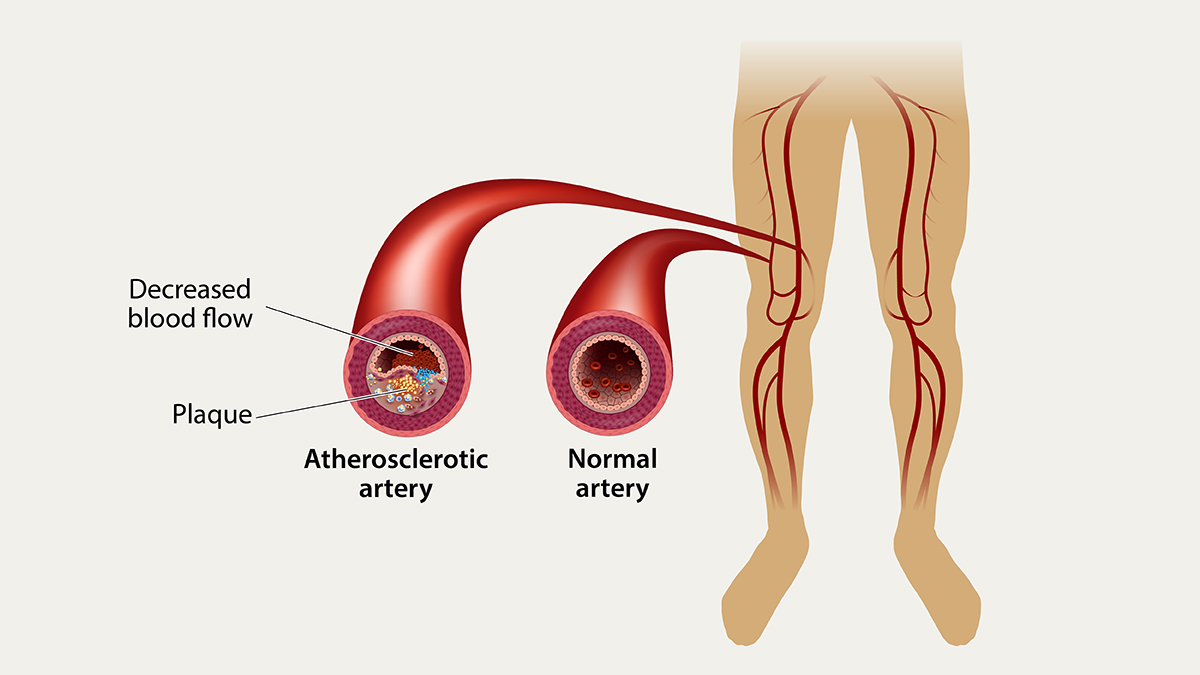
- Peripheral artery disease: Narrowed arteries reduce blood flow to limbs, causing cold feet, leg pain when walking, and slow-healing sores. This condition significantly raises the risk of heart attack and stroke.
- Heart failure: Weakened cardiac output means less warm blood reaches peripheral tissues. Patients may complain of constant chilliness despite adequate room heating.
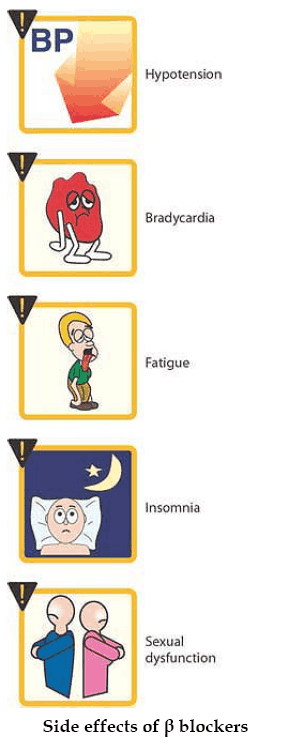
Beta-blockers, often prescribed for hypertension or arrhythmias, can worsen cold sensitivity by slowing heart rate and constricting blood vessels.
Anemia: Low Oxygen Equals Low Heat
Anemia impairs the blood’s ability to carry oxygen, directly affecting metabolic heat production.
- Iron deficiency from poor diet or gastrointestinal bleeding.
- Chronic kidney disease.
- Inflammation-related anemia from cancer or autoimmune disorders.
Patients may report generalized coldness alongside fatigue, paleness, and shortness of breath. A simple blood test can confirm diagnosis and guide treatment.
Hypothyroidism Slows Metabolism
An underactive thyroid gland reduces metabolic activity, leading to systemic cold intolerance.
- Unexplained weight gain.
- Dry skin and brittle hair.
- Constipation.
- Depression or cognitive slowing.
Even subclinical hypothyroidism, where lab values are borderline, can cause noticeable cold discomfort. Thyroid function tests should be part of routine screening in cold-sensitive elders.
Diabetes and Nerve Damage
Diabetes contributes to cold sensations through two main pathways.
- Diabetic neuropathy: Nerve damage alters temperature perception. Patients may feel cold even when skin is warm. Loss of sensation increases injury risk, especially in feet.
- Microvascular disease: Small blood vessel damage limits circulation to extremities. Cold, pale feet with poor healing indicate advanced vascular compromise.
Seniors with diabetes must inspect their feet daily and avoid direct heat sources that can cause burns due to reduced sensation.
Kidney Disease Disrupts Balance
Chronic kidney disease affects thermoregulation through multiple mechanisms.
- Anemia: Reduced red blood cell production lowers oxygen delivery.
- Fluid and electrolyte imbalances: Interfere with normal cellular function.
- Uremic toxins: Accumulated waste products may impair hypothalamic function.
CKD patients often feel cold despite warm surroundings, and this symptom tends to worsen as kidney function declines.
Medications That Cause Cold Sensitivity
Many drugs prescribed to older adults unintentionally impair the body’s ability to stay warm.
Beta-Blockers Constrict Blood Vessels
Used for high blood pressure, heart disease, and migraines, beta-blockers reduce heart rate and cardiac output. They cause peripheral vasoconstriction, limiting blood flow to hands and feet. Studies show increased reports of cold extremities in up to 50% of long-term users. Alternatives or dose adjustments may be needed if cold intolerance impacts quality of life.
Antipsychotics and Antidepressants Alter Thermoregulation
Certain psychiatric medications interfere with central temperature control.
- Tricyclic antidepressants such as amitriptyline.
- SSRIs like fluoxetine, though less commonly.
- Typical and atypical antipsychotics including haloperidol and olanzapine.
These can blunt shivering response or induce autonomic instability, increasing hypothermia risk, especially during sleep or sedation.
Diuretics and Sedatives Increase Risk
Diuretics promote fluid loss, raising dehydration risk. They reduce blood volume and impair circulation. These medications are commonly used for heart failure and hypertension.
Sedatives and benzodiazepines depress central nervous system activity. They suppress shivering and behavioral responses to cold. This heightens danger during overnight temperature drops.
A medication review every fall can help identify and mitigate cold-inducing side effects.
Recognizing Dangerous Cold Symptoms
Not all cold feelings are equal. Some signs point to early hypothermia or serious illness.
Physical Warning Signs
Watch for these red flags.
- Persistent cold hands and feet despite warm clothing.
- Pale, blue, or mottled skin on fingers, toes, ears.
- Shivering that stops suddenly, a dangerous sign indicating worsening hypothermia.
- Slow pulse or breathing.
- Slurred speech or confusion.
In frail seniors, shivering may be absent altogether. Never shivering in a cold environment is a medical emergency.
Behavioral Clues Caregivers Should Notice
Elderly individuals may not verbalize discomfort. Look for wearing multiple sweaters indoors. Watch for sitting close to heaters for long periods. Notice refusal to leave heated rooms. Look for appearing drowsy or disoriented in cool environments.
Cognitive impairment can mask awareness of cold, making observation by others crucial.
Hypothermia: Silent Killer in Seniors
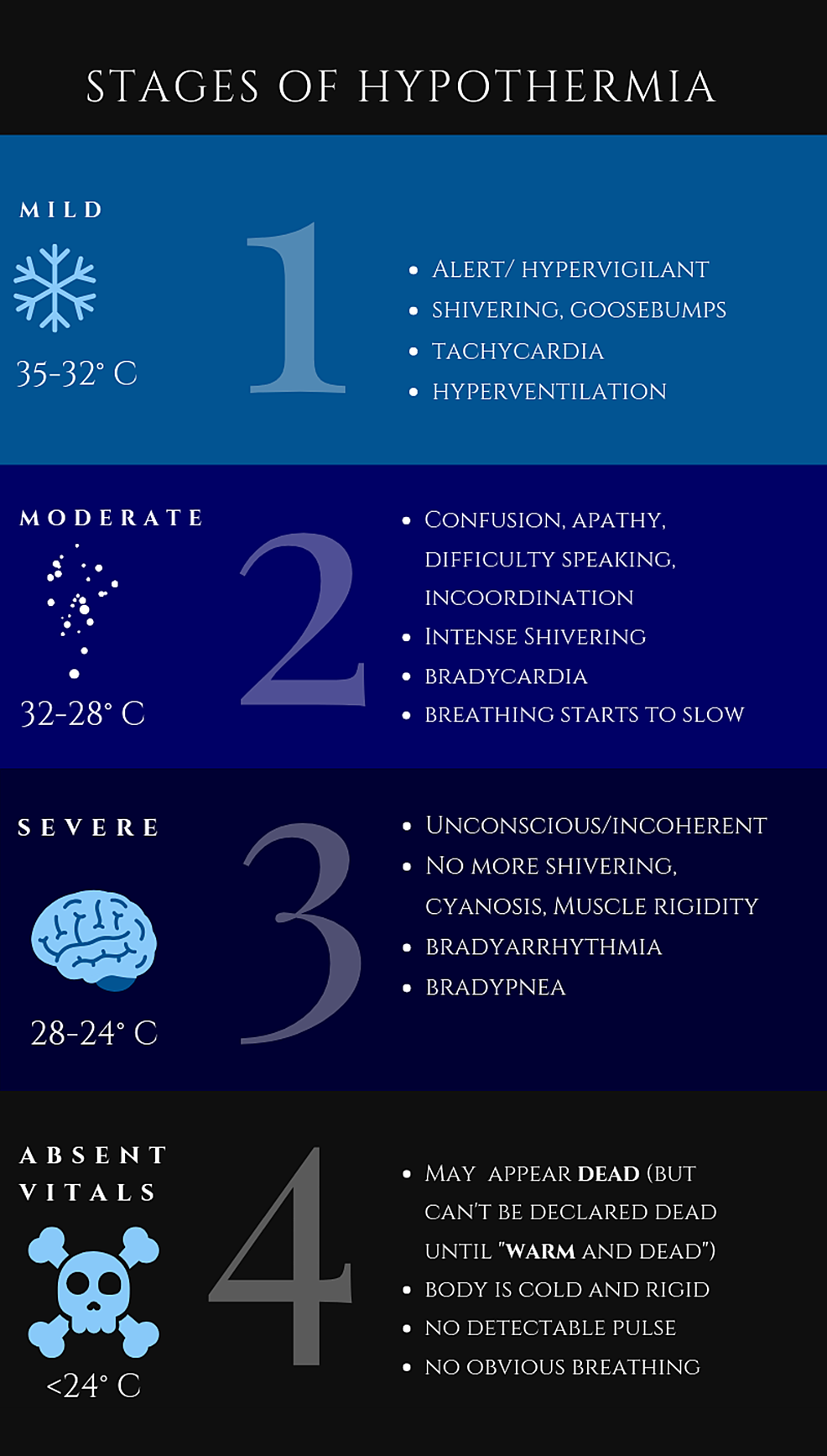
Hypothermia occurs when core body temperature falls below 95°F. It kills more older adults annually than heatstroke, but often goes unrecognized.
Why the Elderly Are at High Risk
- Impaired thermoregulation.
- Lower body fat and muscle mass.
- Chronic illness and polypharmacy.
- Living alone with inadequate heating.
Hypothermia can develop indoors at temperatures as mild as 65°F if exposure is prolonged.
Stages of Hypothermia
- Mild (90-95°F): Shivering, fatigue, confusion, cold skin.
- Moderate (82-90°F): Shivering stops, slurred speech, slow breathing, weak pulse.
- Severe (Below 82°F): Unconsciousness, rigid muscles, irregular heartbeat, coma.
Once shivering stops, survival time shortens rapidly. Immediate medical care is essential.
Emergency Response Steps
If hypothermia is suspected, take these actions immediately.
- Call emergency services.
- Move person to warm area.
- Remove wet clothes and wrap in dry blankets.
- Apply warm compresses to chest, neck, armpits.
- Offer warm, sweet drinks if alert and able to swallow.
- Do not rub limbs or use direct heat, which can trigger cardiac arrest.
Hospital treatment includes IV warming, cardiac monitoring, and oxygen support.
Preventing Cold-Related Health Risks
Proactive strategies can dramatically reduce morbidity linked to cold sensitivity.
Maintain Safe Indoor Temperatures
Keep home temperatures above 68°F year-round.
- Use programmable thermostats to avoid nighttime drops.
- Seal drafts around windows and doors.
- Install insulation in attics and walls.
- Use thermal curtains to retain heat.
The World Health Organization recommends at least 64°F for older adults, but 68-72°F is safer for those with chronic conditions.
Dress for Thermal Safety
Layering is the most effective way to stay warm.
- Base layer: Moisture-wicking fabric like synthetic or merino wool.
- Middle layer: Fleece or down for insulation.
- Outer layer: Windproof and water-resistant.
Always cover extremities. Wear hats because up to 30% of body heat escapes through the head. Use gloves or mittens. Choose thick socks and insulated, non-slip shoes.
Avoid tight footwear or clothing that restricts blood flow.
Support Metabolism with Nutrition
Food fuels internal heat production.
- Hearty soups and stews.
- Whole grains, lean proteins, healthy fats.
- Warm beverages like herbal tea or warm milk.
Encourage small, frequent meals if appetite is low. Avoid alcohol because it dilates blood vessels and promotes heat loss.
Promote Gentle Daily Movement
Physical activity boosts circulation and heat generation.
- Chair yoga.
- Arm circles and leg lifts.
- Walking in place.
- Stretching routines.
Even 10 minutes of movement every few hours helps maintain warmth and mobility.
Caregiver and Clinical Roles in Protection
Both family caregivers and healthcare providers play vital roles in preventing cold-related morbidity.
Caregiver Monitoring Checklist
Check daily for signs of cold stress including pale skin, lethargy, and confusion. Check room temperature and heater function. Verify adequate fluid and food intake. Ensure proper use of heating devices.
Ensure smoke and carbon monoxide detectors are working, especially with space heaters.
Clinical Screening and Interventions
Doctors should screen for cold sensitivity during routine visits. Test for anemia, thyroid dysfunction, and vitamin deficiencies. Review medications annually for thermoregulatory side effects. Recommend flu and pneumococcal vaccines to prevent winter infections.
Personalized care plans should address mobility, nutrition, housing, and medication safety.
Frequently Asked Questions About Cold Sensitivity and Morbidity in the Elderly
Why do elderly people feel cold even when others are warm?
Older adults have reduced thermoregulation due to slower metabolism, less subcutaneous fat, decreased muscle mass, and impaired circulation. These physiological changes make it harder for seniors to generate and retain heat, even in environments that feel comfortable to younger people.
What medical conditions cause persistent cold sensitivity in seniors?
Several serious conditions link to cold intolerance. Heart disease and peripheral artery disease restrict blood flow. Anemia reduces oxygen delivery to tissues. Hypothyroidism slows metabolic heat production. Diabetes causes nerve damage and circulation problems. Chronic kidney disease disrupts temperature regulation. These conditions require medical evaluation.
Can medications make elderly people feel colder?
Yes, many common prescriptions cause cold sensitivity. Beta-blockers constrict blood vessels. Antipsychotics and antidepressants interfere with temperature regulation. Diuretics promote fluid loss. Sedatives suppress shivering response. A medication review with a doctor can identify alternatives if cold intolerance becomes problematic.
At what temperature does an elderly person risk hypothermia?
Hypothermia can occur at temperatures as mild as 65°F indoors, especially with prolonged exposure. Seniors should maintain indoor temperatures above 68°F. Those with chronic conditions benefit from keeping temperatures between 68-72°F.
How can caregivers prevent cold-related health problems?
Caregivers should monitor daily for signs of cold stress. Maintain indoor temperatures above 68°F. Ensure proper layering with hats, gloves, and socks. Encourage warm meals and adequate hydration. Review medications seasonally. Schedule regular medical check-ups to manage underlying conditions.
Key Takeaways for Addressing Cold Sensitivity in the Elderly
Persistent cold sensitivity in the elderly is not a harmless part of aging. It is a clinically significant indicator of morbidity linked to cardiovascular disease, metabolic disorders, medication effects, and increased mortality risk. By treating coldness as a symptom requiring investigation, caregivers and clinicians can prevent hypothermia, reduce hospitalizations, and improve quality of life.
The most important action steps include maintaining indoor temperatures above 68°F, ensuring proper layered clothing with extremity coverage, reviewing medications for cold-inducing side effects, and screening for underlying conditions like anemia, thyroid dysfunction, and circulation problems. Simple actions like maintaining warm homes, reviewing medications, and ensuring proper nutrition can save lives.
Early recognition and proactive management turn a subtle warning into a powerful tool for healthier aging. Schedule a comprehensive evaluation with a healthcare provider if an elderly person consistently feels cold despite warm surroundings.