High blood pressure affects over 70% of adults aged 65 and older, making it one of the most common and dangerous health conditions in seniors. Often symptom-free, hypertension silently increases the risk of heart attack, stroke, kidney damage, and cognitive decline. The good news? Blood pressure can be effectively managed at any age with simple, science-backed strategies.
For seniors, lowering blood pressure is not about extreme diets or intense workouts. It is about consistent, sustainable changes that support heart health. From diet and movement to sleep and medication adherence, small daily habits add up to big results. Research shows that combining lifestyle adjustments with proper medical care can reduce systolic blood pressure by up to 11 points, rivaling the effects of some medications.
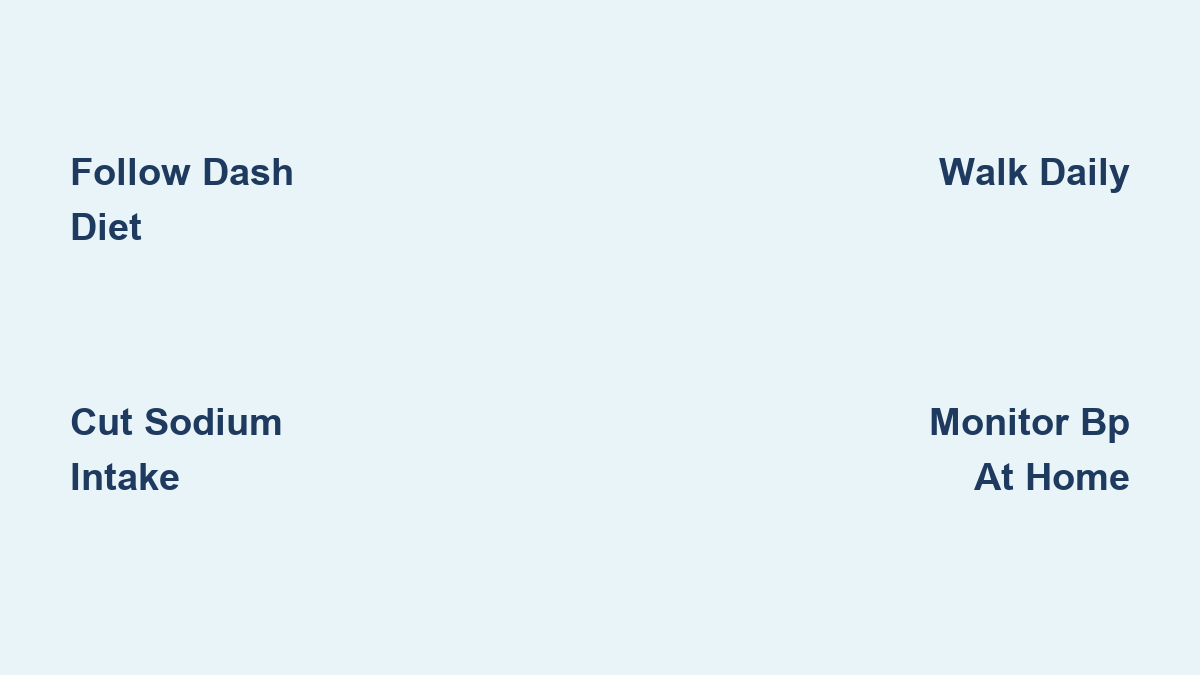
Follow the DASH Diet
The DASH diet is the gold standard for lowering blood pressure in seniors. Designed with heart health in mind, it emphasizes whole foods rich in potassium, fiber, and calcium while minimizing processed ingredients.
Focus on Blood-Pressure-Friendly Foods
Include these foods in your daily meals:
- Fruits and vegetables: Aim for 4 to 5 servings each per day. Leafy greens, bananas, berries, and sweet potatoes are especially high in potassium.
- Whole grains: Choose oats, brown rice, quinoa, and whole-wheat bread over refined grains.
- Low-fat dairy: Include fat-free or low-fat milk, yogurt, and cheese for calcium without excess saturated fat.
- Lean proteins: Opt for skinless poultry, fish, beans, and nuts. Limit red meat.
- Healthy fats: Use olive oil, avocados, and nuts in moderation.
Avoid processed meats, canned soups, frozen meals, and sugary snacks, which are common sources of hidden sodium and unhealthy fats.
Make It Senior-Friendly
- Use frozen or canned vegetables (no-salt-added) when fresh produce is not available.
- Flavor meals with garlic, lemon, rosemary, or cumin instead of salt.
- Follow the plate method: half vegetables, one-quarter lean protein, one-quarter whole grains.
Adopting the DASH diet can reduce systolic blood pressure by up to 11 mmHg, especially when paired with reduced sodium intake.
Cut Back on Sodium
Excess sodium causes the body to retain fluid, increasing pressure in the blood vessels. For seniors, even small reductions in salt intake can make a meaningful difference.
Know Your Sodium Limits
- Ideal goal: 1,500 mg per day
- Maximum safe level: 2,300 mg per day
Most Americans consume over 3,400 mg daily, largely from processed foods.
Reduce Sodium in Simple Steps
- Read labels carefully. Look for low sodium (140 mg or less per serving) or no salt added options.
- Skip the salt shaker entirely. Taste buds adjust within a few weeks.
- Cook at home more often. Preparing meals gives you full control over ingredients.
Avoid canned soups, deli meats, instant noodles, flavored snacks, and cheese. These are major sodium culprits that sneak into daily diets.
Cutting sodium to 1,500 mg per day can lower systolic blood pressure by 5 to 7 points within months.
Walk More Every Day
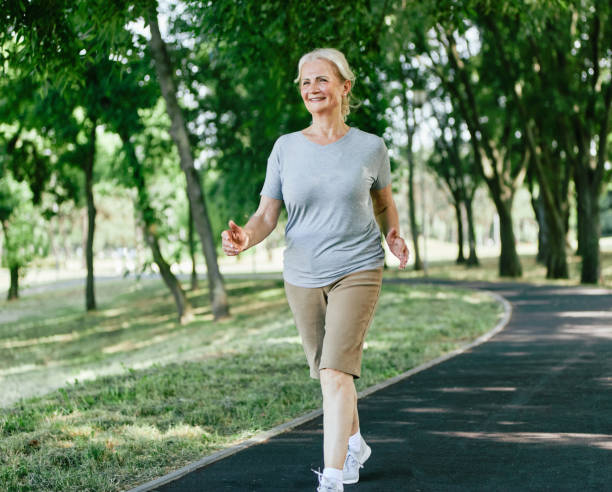
Physical activity is one of the most effective and accessible ways for seniors to lower blood pressure. Walking is ideal because it is low-impact, free, and easy to start at any fitness level.
How Much Walking Helps
- Aim for 150 minutes per week of moderate activity, which equals about 30 minutes five days a week.
- Research shows increasing daily steps by 3,000 can drop systolic pressure by 11 mmHg.
- Even 10-minute walks after meals improve circulation and reduce post-meal blood pressure spikes.
Best Walking Tips for Seniors
- Start with 10 to 15 minutes and gradually increase duration.
- Walk in safe, flat areas such as parks, malls, or sidewalks.
- Wear supportive shoes and use a cane or walker if needed for stability.
- Track steps with a pedometer or smartphone app to stay motivated.
Other senior-friendly options include swimming, stationary cycling, tai chi, and gentle aerobics. The key is consistency, not intensity.
Lose Excess Weight
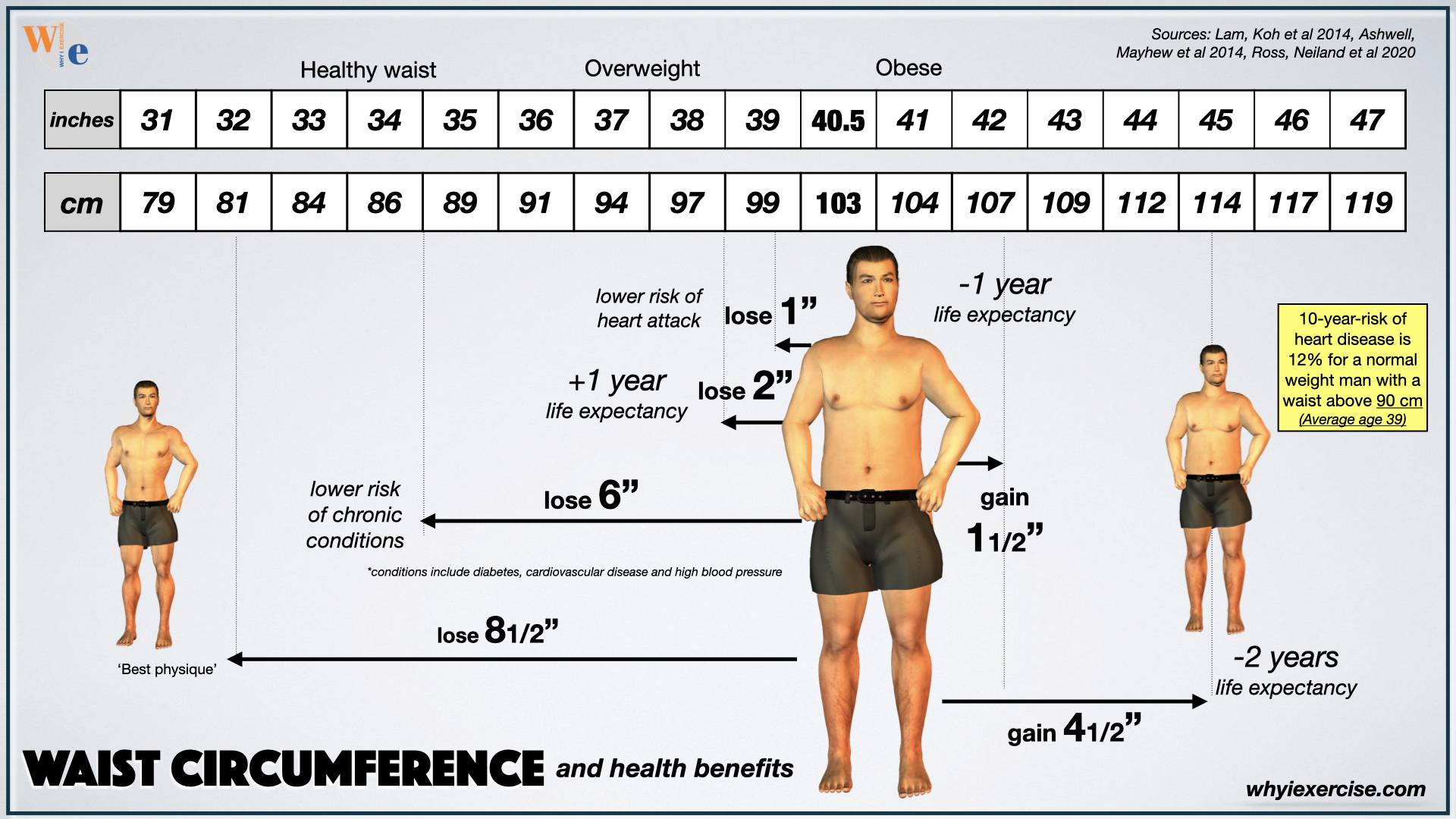
Carrying extra weight, especially around the waist, forces the heart to work harder. For seniors, even modest weight loss can significantly improve blood pressure.
How Weight Loss Lowers BP
- Every 2.2 pounds (1 kg) lost reduces blood pressure by about 1 mmHg.
- Losing 7.7 pounds (3.5 kg) can halve the risk of developing hypertension.
Target Waist Size
- Men should aim for under 40 inches.
- Women should aim for under 35 inches.
Visceral fat, the deep belly fat, is strongly linked to insulin resistance and high blood pressure.
Healthy Weight-Loss Strategies
- Combine the DASH diet with daily walking for best results.
- Eat slowly and stop when you feel 80% full.
- Use smaller plates to naturally reduce portion sizes.
- Stay hydrated because thirst can mimic hunger.
Focus on sustainable habits rather than rapid weight loss. A loss of 1 to 2 pounds per week is safe and effective for seniors.
Breathe Deeply and Relax Daily
Chronic stress keeps the body in fight-or-flight mode, raising heart rate and constricting blood vessels. Deep breathing activates the parasympathetic nervous system, helping blood vessels relax and pressure drop.
Try This Simple Breathing Routine
- Sit comfortably with your back straight and feet flat on the floor.
- Inhale through your nose for 4 seconds.
- Hold your breath for 4 seconds.
- Exhale slowly through your mouth for 6 seconds.
- Repeat for 5 to 10 minutes.
Practice this once or twice daily, especially during stressful moments or before bed.
Other Relaxation Techniques That Work
- Mindful meditation: Focus on your breath or surroundings without judgment.
- Guided imagery: Visualize calming scenes like a beach or forest to reduce tension.
- Gentle yoga or tai chi: Combines movement, breath, and mindfulness.
Research published in Hypertension Research found that regular breathing and meditation can lead to clinically meaningful reductions in both systolic and diastolic pressure.
Monitor Blood Pressure at Home
Guessing is not good enough. Home monitoring helps seniors and caregivers track progress, catch problems early, and share accurate data with doctors.
Choose the Right Monitor
- Use an upper arm cuff model, which is more accurate than wrist or finger devices.
- Pick a model with a large display and memory function.
- Check if Medicare covers monitors with a doctor is prescription.
Best Practices for Accurate Readings
- Sit quietly for 5 minutes before measuring.
- Keep your arm at heart level on a table.
- Keep feet flat on the floor with back supported.
- Avoid caffeine, smoking, or exercise for 30 minutes before taking a reading.
Take readings morning and night, and record them in a log or app to track trends over time.
When to Seek Help
- 130/80 mmHg or higher on multiple days indicates uncontrolled hypertension.
- 180/120 mmHg or above, combined with chest pain, headache, or confusion, requires emergency care immediately.
Regular tracking builds awareness and improves treatment outcomes.
Take Medications as Directed

For many seniors, lifestyle changes alone are not enough. Blood pressure medications are often necessary, but only if taken consistently.
Why Seniors Miss Doses
- Simple forgetfulness
- Side effects like dizziness, dry cough, or fatigue
- Cost or access issues
- Not feeling any symptoms, so the medication seems unnecessary
About 50% of seniors do not take their medications as prescribed, which significantly increases their risk of stroke and heart attack.
Improve Medication Adherence
- Use a 7-day pill organizer with AM and PM compartments.
- Set phone alarms or use medication reminder apps.
- Ask your pharmacy about blister-packed pill services.
- Involve a family member or caregiver in refill and dose checks.
Never stop medication cold turkey. Suddenly stopping can cause rebound hypertension, a dangerous spike in blood pressure. Always consult your doctor before adjusting or discontinuing any prescription.
Some seniors, up to 40%, can eventually reduce or stop medications under medical supervision after adopting healthy habits.
Prioritize Quality Sleep
Poor sleep disrupts hormones that regulate blood pressure. Seniors who sleep less than 5 hours per night are at higher risk of developing hypertension.
Aim for Quality Rest
- Target 7 to 8 hours per night.
- Maintain a consistent sleep schedule, even on weekends.
- Keep your bedroom cool, dark, and quiet.
Improve Sleep Hygiene
- Avoid screens (TV, phone) at least 1 hour before bed.
- Skip caffeine after noon.
- Take a warm bath or read a book to wind down.
- Limit nighttime fluids to reduce bathroom trips.
Watch for Sleep Apnea
Watch for loud snoring, gasping or pauses in breathing during sleep, and daytime fatigue despite getting enough sleep. Untreated obstructive sleep apnea is linked to resistant hypertension. A sleep study and CPAP therapy can make a dramatic difference.
Better sleep equals better blood pressure control.
Limit Alcohol and Quit Smoking
Both alcohol and tobacco directly raise blood pressure and damage blood vessels. Reducing or eliminating them supports heart health at any age.
Alcohol Guidelines for Seniors
- Men should limit to no more than 2 drinks per day.
- Women should limit to no more than 1 drink per day.
One drink equals 12 oz beer, 5 oz wine, or 1.5 oz hard liquor.
How Alcohol Affects BP
- Excess intake raises systolic pressure linearly.
- Cutting back can lower blood pressure by about 4 mmHg.
- Alcohol can also interfere with blood pressure medications.
Seniors metabolize alcohol more slowly, so even moderate drinking can have stronger effects than in younger adults.
Smoking and Blood Pressure
- Each cigarette causes a short-term spike in blood pressure and heart rate.
- Long-term smoking leads to arterial stiffness and plaque buildup.
- Quitting improves endothelial function and reduces stroke risk.
Benefits start within weeks of quitting. There is no too late to quit. Seniors should talk to their doctor about nicotine patches, prescription medications, or counseling support.
Drink Hibiscus Tea Daily
A growing body of evidence supports hibiscus tea as a natural way to support healthy blood pressure.
How to Prepare It
- Steep 1 to 2 teaspoons of dried hibiscus petals in 8 oz of hot water for 5 to 10 minutes.
- Strain and enjoy warm or iced.
- Drink 1 to 2 cups per day.
What the Research Shows
A clinical study found that drinking hibiscus tea for 12 days led to an 11.2% drop in systolic pressure and a 10.7% drop in diastolic pressure. The effects come from antioxidants called anthocyanins and mild diuretic properties.
While not a replacement for medication, hibiscus tea is a safe, pleasant addition to a heart-healthy routine. Caution: Hibiscus may interact with some medications, so consult your doctor if you are on blood pressure meds.
Stay Hydrated for Heart Health
Dehydration reduces blood volume, forcing the heart to pump harder. It also impairs the kidneys ability to flush out sodium, both of which raise blood pressure.
Why Seniors Are at Risk
- The thirst sensation declines with age.
- Some medications increase fluid loss.
- Fear of incontinence may lead to unintended fluid restriction.
Hydration Tips
- Drink water throughout the day, not just when you feel thirsty.
- Aim for pale yellow urine as a sign of good hydration.
- Include water-rich foods like cucumbers, watermelon, oranges, and soups.
Seniors should generally aim for 6 to 8 glasses (48 to 64 oz) of water daily, unless restricted by a medical condition like heart failure.
Proper hydration supports kidney function, circulation, and long-term cardiovascular health.
Attend Regular Check-Ups
Blood pressure changes over time. Regular visits ensure your treatment plan stays effective and safe.
What Check-Ups Should Include
- Blood pressure measurement, reviewing both in-office and home log readings.
- Kidney function tests through blood and urine analysis.
- Eye exams because hypertension can damage retinal vessels.
- Medication review to adjust for side effects or interactions.
Stay Engaged in Your Care
- Know your personal blood pressure goal, which is usually below 130/80 mmHg.
- Bring your home monitor to appointments for accuracy verification.
- Ask questions about medication effectiveness and side effects.
Annual physicals and quarterly BP checks help catch issues early.
Involve Family and Caregivers
Support from loved ones improves outcomes. Caregivers can help seniors stay on track with diet, exercise, and medications.
How Families Can Help
- Set up pill organizers and phone reminders for medications.
- Join walks or prepare DASH-friendly meals together.
- Attend doctor visits to take notes and ask questions.
- Monitor for warning signs like confusion, chest pain, or severe headache.
Simple tools like shared calendars, medication apps, or weekly check-ins make a big difference. When seniors feel supported, they are more likely to stick with healthy habits.
Frequently Asked Questions About Lowering Blood Pressure for Seniors
What is the fastest way for seniors to lower blood pressure?
The fastest natural approach combines reducing sodium intake with deep breathing exercises. Cutting sodium to 1,500 mg per day can lower systolic pressure by 5 to 7 points within weeks. Adding a 10-minute breathing routine daily activates the parasympathetic nervous system, further reducing pressure.
Can seniors stop taking blood pressure medication if they eat healthy?
No, never stop taking medication without consulting your doctor. While lifestyle changes can reduce or eliminate the need for medication in some cases, this must be supervised by a physician. Stopping suddenly can cause rebound hypertension, increasing stroke and heart attack risk.
How long does it take to see results from the DASH diet?
Most seniors see results within 2 to 4 weeks of starting the DASH diet. The full effect, up to an 11 mmHg reduction in systolic pressure, typically occurs within 8 to 12 weeks when combined with reduced sodium intake.
Is walking enough exercise to lower blood pressure?
Yes, walking is highly effective. Research shows that adding 3,000 daily steps can drop systolic blood pressure by 11 mmHg. Aim for 150 minutes per week of moderate walking or other gentle activity for optimal results.
Does hydration really affect blood pressure?
Absolutely. Dehydration reduces blood volume and forces the heart to work harder, raising blood pressure. Seniors should drink 6 to 8 glasses of water daily, as the thirst sensation diminishes with age. Proper hydration also supports kidney function and sodium excretion.
Key Takeaways for Lowering Blood Pressure as a Senior
Lowering blood pressure for seniors does not require drastic changes. Small, consistent actions like walking 30 minutes a day, using herbs instead of salt, and breathing deeply add up to major improvements in heart health.
The most effective approach combines lifestyle changes with medical care. Follow the DASH diet and cut sodium intake. Walk daily and maintain a healthy weight. Practice relaxation techniques and prioritize good sleep. Monitor your blood pressure at home and take medications exactly as directed. Limit alcohol, quit smoking, stay hydrated, and try hibiscus tea as a natural support.
With support from family and regular check-ups, seniors can achieve and maintain healthy blood pressure levels. This reduces the risk of stroke, heart attack, and cognitive decline. It is never too late to start. Even modest changes, when sustained over time, lead to longer, healthier lives.