Dehydration in older adults is more common and more dangerous than many realize. As people age, their body’s ability to conserve water and detect thirst diminishes, making it harder to stay properly hydrated. When an elderly person becomes dehydrated, acting quickly is essential to prevent complications like confusion, falls, kidney issues, or hospitalization.
Knowing how to rehydrate elderly quickly can make a critical difference. The fastest approach combines immediate fluid intake with electrolyte replacement, tailored to the individual’s condition and preferences. This guide provides clear, actionable steps to restore hydration safely using effective fluids, foods, and strategies proven to work fast.
Recognize Dehydration Early in Seniors
Catching dehydration early allows for quicker recovery. In seniors, symptoms can be subtle or mistaken for other age-related conditions.
Common Signs of Dehydration
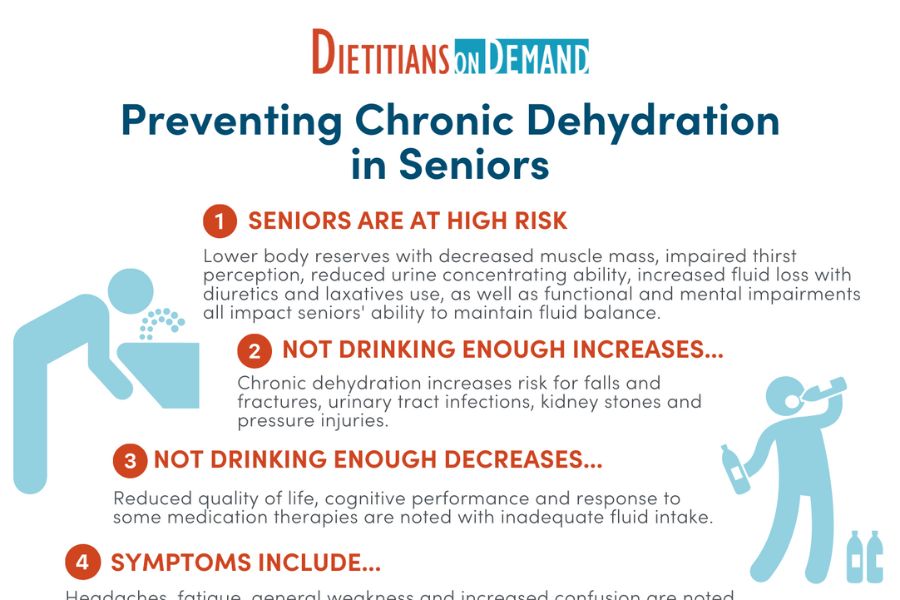
Watch for these warning indicators in elderly individuals. Dry mouth and tongue often appear first, followed by dark yellow urine or reduced output. Dizziness and lightheadedness signal fluid depletion, as do sudden fatigue or confusion. Sunken eyes and low blood pressure are additional red flags that should prompt immediate action.
Pro tip: Sudden mental changes like disorientation or irritability can be the first sign of dehydration in the elderly, even before thirst is felt.
When to Seek Medical Help
If the person shows signs of severe dehydration, seek emergency care immediately. Rapid heartbeat, rapid breathing, very dry skin, inability to drink fluids, or fainting all require professional intervention. Intravenous fluids may be necessary for rapid rehydration in these cases.
Best Fluids for Fast Rehydration
Not all drinks rehydrate equally. The fastest way to restore fluids includes beverages that replace both water and electrolytes lost through sweat, illness, or reduced intake.
Use Oral Rehydration Solutions
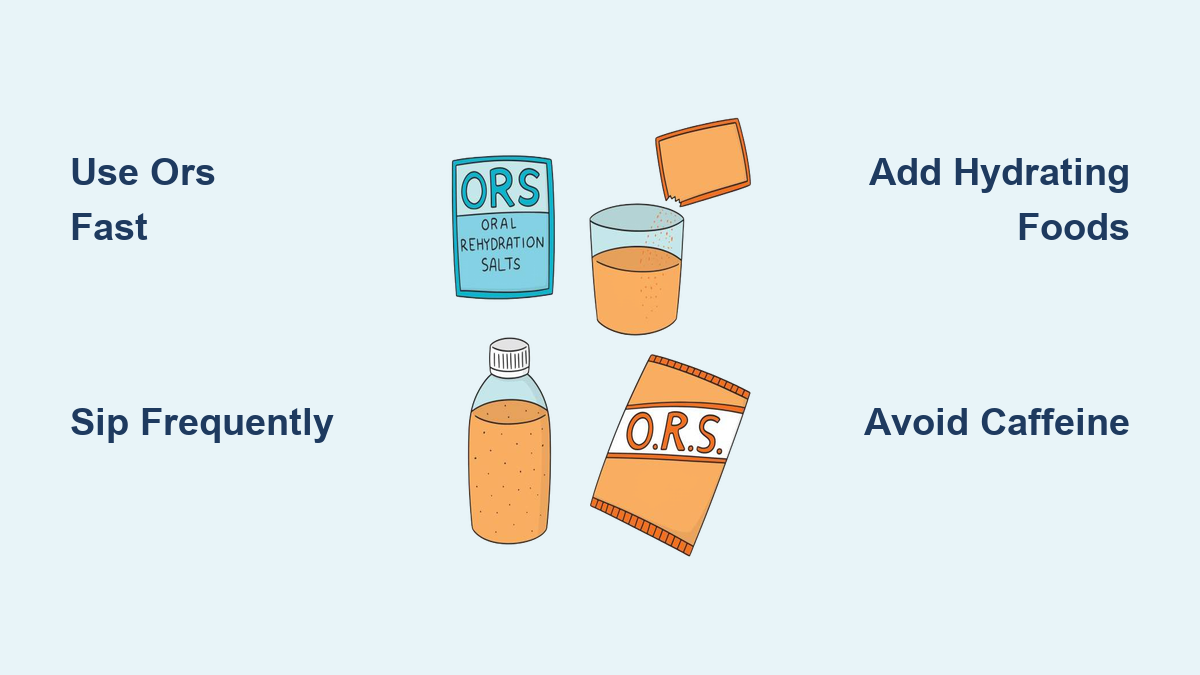
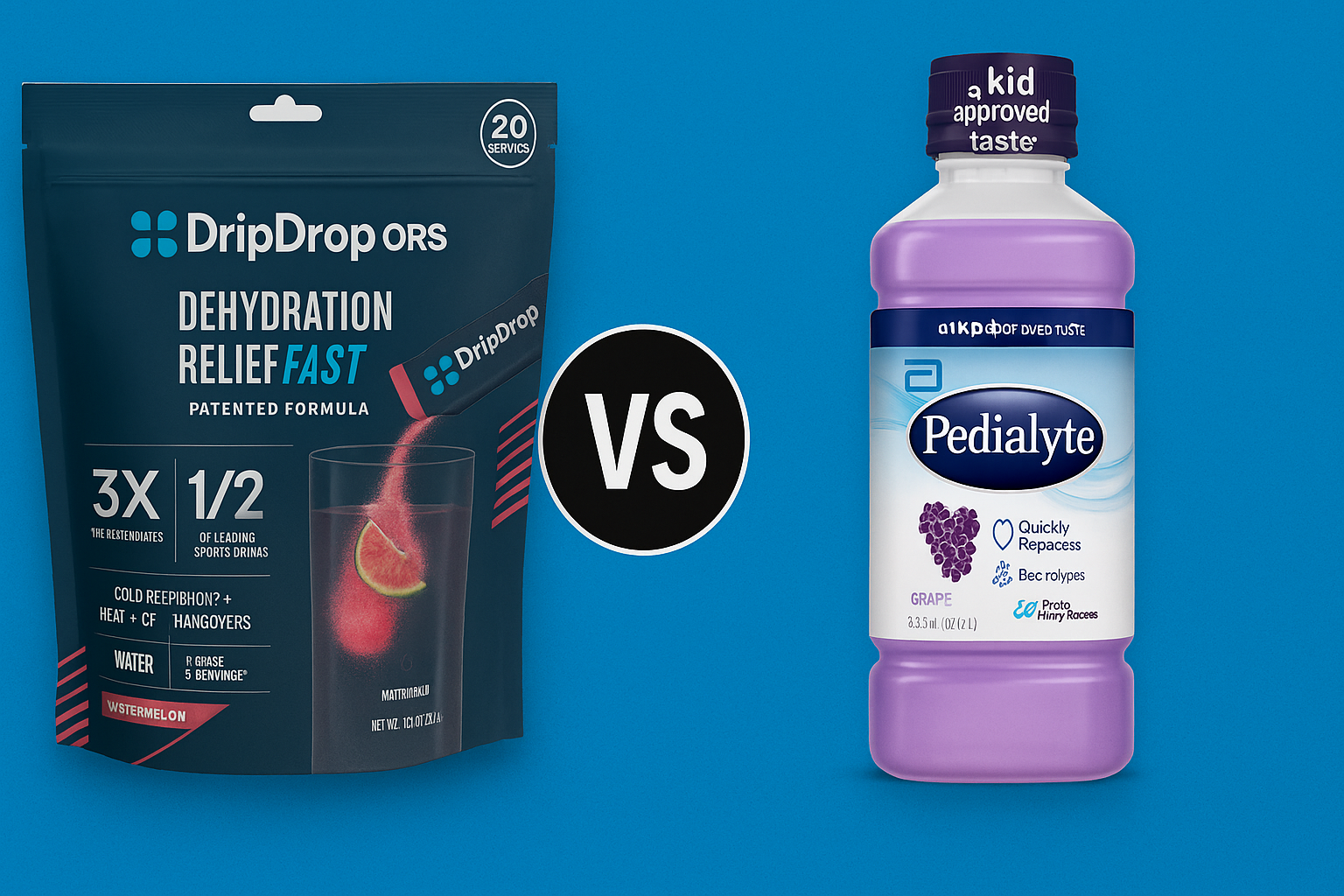
ORS products like Pedialyte, DripDrop, or Hydralyte are clinically proven to rehydrate faster than water alone. They contain the right balance of sodium, potassium, and glucose to enhance fluid absorption.
The small intestine absorbs water more efficiently when glucose and sodium are present. Start with 4 to 8 ounces every 15 to 30 minutes, depending on tolerance. Chill the solution or serve in a flavored version to improve acceptance.
Try Natural Electrolyte Alternatives
If ORS is not available, these alternatives help restore hydration effectively. Coconut water (unsweetened) provides high potassium with low sugar content. Broth or Bouillon offers sodium and warmth, ideal for those who feel weak. Diluted fruit juice (one part juice to two parts water) adds energy without overwhelming the stomach.
Avoid: Plain water in large amounts alone lacks electrolytes and may worsen imbalance in severe cases.
Hydrating Foods That Work Quickly
:max_bytes(150000):strip_icc()/Health-GettyImages-1319772710-62586faf90ff4f07879ae0bcb5d9a10d.jpg)
Liquids are not the only way to rehydrate. High-moisture foods deliver water plus nutrients, making them ideal for seniors who resist drinking.
Top Hydrating Foods for Seniors
Watermelon contains 92 percent water and provides natural sweetness. Cucumber offers 95 percent water and can be served in salads or as a snack. Oranges and strawberries deliver hydration along with vitamins. Lettuce and celery work well in light salads. Broth-based soups like chicken noodle provide warmth and fluids. Yogurt offers fluid plus probiotics for gut health.
Serve strategically: Offer small portions every few hours. Blend fruits into smoothies for easier consumption.
Pro tip: Freeze juice or smoothies into homemade popsicles. They are refreshing and encourage slow, steady fluid intake.
Encourage Frequent Sipping, Not Chugging
Drinking large amounts at once can cause discomfort or nausea, especially in elderly individuals with reduced stomach capacity.
Use a Hydration Schedule
Set reminders every 30 to 60 minutes for small sips of 2 to 4 ounces. This steady intake is more effective than infrequent gulps.
Morning offers 4 ounces of water or ORS upon waking. Mid-morning provides a hydrating snack like melon plus 4 ounces of fluid. Noon includes soup or broth plus tea or water. Afternoon delivers coconut water or diluted juice. Evening features warm milk or a rehydration drink.
Tools that help include easy-grip water bottles with straws, hourly timers or smartphone alerts, and marked intake cups to track progress.
Avoid Mistakes That Slow Hydration
Even with good intentions, common habits can delay recovery.
Skip Diuretic Beverages
Tea, coffee, and some sodas increase urine output due to caffeine, which can worsen dehydration. Limit intake if rehydrating urgently. If consumed, balance with double the volume in water or ORS.
Beware of Sugary Drinks
Sodas and sweetened juices may taste good but can slow fluid absorption and cause bloating. Avoid regular soda, energy drinks, and punch. Choose sugar-free electrolyte drinks or diluted natural juices instead.
Do Not Wait for Thirst
Older adults often do not feel thirsty until they are already dehydrated. Offer fluids proactively, not just when asked.
Adapt Hydration for Health Conditions
Certain medical issues require modified hydration approaches.
For Heart or Kidney Disease
Fluid intake may be restricted. Always consult a doctor before increasing fluids. Follow prescribed fluid limits strictly. Use doctor-approved rehydration solutions only.
For Swallowing Difficulties
Thickened liquids or gel-based hydrators may be safer for those with dysphagia. Commercial thickening agents or gelatin-based hydration cubes are viable options. Serve cold for easier swallowing.
Warning: Never force fluids. Risk of aspiration is higher in some elderly individuals.
Monitor Improvement Within Hours
Rehydration should show results quickly when done correctly.
Signs of Improvement
Within 1 to 4 hours, expect lighter urine color (aim for pale yellow). Improved energy and alertness typically follow. Moist mouth and skin indicate successful rehydration. Steady urination every 3 to 6 hours confirms recovery.
Track progress: Note fluid in and out if possible, especially in frail or ill seniors.
Prevent Future Dehydration Episodes
Once rehydrated, maintaining fluid balance is key to avoiding repeat episodes.
Daily Hydration Habits
Keep water visible and within reach at all times. Offer fluids with medications or meals. Use a reusable bottle with time markers. Encourage one drink per hour while awake.
Adjust for Risk Factors
Hot weather requires increasing intake by 8 to 16 ounces daily. Illness with fever, vomiting, or diarrhea calls for ORS at the first sign of fluid loss. Medications like diuretics and laxatives demand close hydration monitoring.
Pro tip: Flavor water with lemon, cucumber, or mint to boost appeal without added sugar.
Frequently Asked Questions About Rehydrating Elderly
What is the fastest way to hydrate an elderly person?
Oral rehydration solutions like Pedialyte or DripDrop work fastest because they contain glucose and sodium that enhance absorption. Offer 4 to 8 ounces every 15 to 30 minutes until symptoms improve.
How long does it take to rehydrate an elderly person?
Mild to moderate dehydration often improves within 1 to 4 hours with consistent fluid intake. Severe dehydration may require 24 hours or medical intervention.
Can I use sports drinks for elderly rehydration?
Sports drinks can work but often contain too much sugar. Dilute them with equal parts water, or choose low-sugar electrolyte options specifically designed for rehydration.
What if the elderly person refuses to drink?
Try flavored water, hydrating fruits, or frozen popsicles. Identify the reason for refusal, such as difficulty swallowing or dislike of taste, and address it accordingly.
Should I give plain water to a dehydrated elderly person?
Plain water alone is not sufficient for fast rehydration because it lacks electrolytes. Combine water with electrolyte solutions or foods to restore balance effectively.
Key Takeaways for Quick Elderly Rehydration
Knowing how to rehydrate elderly quickly is not just about giving water. It requires choosing the right fluids, delivering them frequently in small amounts, and recognizing when medical help is needed. Oral rehydration solutions, hydrating foods, and consistent sipping are the fastest, safest methods available.
Act early at the first sign of dehydration. Monitor improvement and adjust your approach based on the individual’s response. Prevent future episodes by establishing daily hydration habits and adjusting for risk factors like hot weather or illness.
Remember: When in doubt, consult a healthcare provider, especially for those with chronic conditions. Fast action today prevents bigger problems tomorrow.