
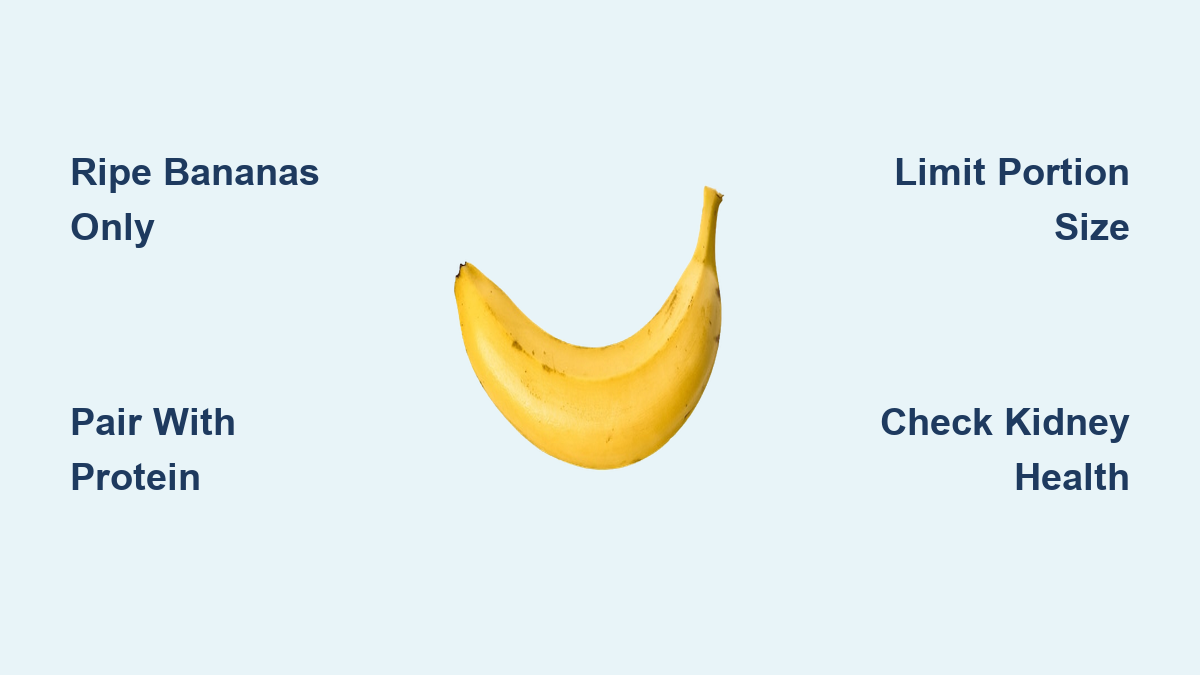
Bananas are a staple in many kitchens—affordable, easy to peel, and naturally sweet. But if you’re over 60, you might wonder whether this common fruit belongs in your diet. Should seniors eat bananas, or are the sugar and potassium concerns too risky? The answer depends on your health status and how you eat them.
This guide breaks down exactly how bananas affect senior health, when they help and when they might hurt, and the best way to enjoy them for heart health, better sleep, digestive comfort, and steady energy.
How Bananas Support Heart Health in Seniors

Bananas are one of the richest dietary sources of potassium, a mineral that plays a critical role in cardiovascular function. A single medium banana provides 375 mg of potassium, which is 11–16% of your daily needs depending on your sex.
Lower Blood Pressure Naturally
Potassium counteracts sodium in your body, helping blood vessels relax and reducing strain on your heart. For seniors managing hypertension, adding ripe bananas to a low-sodium diet may support medication effectiveness or allow your doctor to adjust dosages.
“Potassium is a mineral that is vital for heart health, especially in terms of blood pressure management.” – Colleen Spees, Ohio State University
Stabilize Heart Rhythm
Older adults face higher risks for cardiac arrhythmias. Potassium helps maintain normal electrical signaling in the heart, potentially reducing arrhythmia frequency. Some doctors may reduce beta-blocker dosages when patients increase dietary potassium through foods like bananas.
Reduce Fluid Retention
Poor circulation often causes ankle swelling in seniors. Potassium helps balance fluid levels by offsetting sodium retention, which may reduce edema and discomfort, especially when bananas replace salty snacks.
Bananas for Mood and Sleep Quality
Anxiety, depression, and insomnia affect millions of seniors. Bananas offer natural support through nutrients that calm the nervous system and regulate sleep hormones.
Boost Serotonin and Melatonin
Bananas contain tryptophan, an amino acid your body converts into serotonin (the “feel-good” neurotransmitter) and melatonin (the sleep hormone). They also provide vitamin B6 and magnesium, both essential for neurotransmitter production and nervous system regulation.
Gentle Nutrition When Appetite Is Low
When emotional distress reduces appetite, bananas are soft, mildly sweet, and easy to tolerate. They deliver mood-supporting nutrients without requiring a large meal, making them a gentle way to support mental well-being.
Digestive Benefits That Change With Ripeness

Digestive issues like constipation and diarrhea are common after 60. Bananas can help both conditions, but the effect depends entirely on how ripe the fruit is when you eat it.
Use Ripeness to Match Your Needs
Unripe (green) bananas contain resistant starch, a prebiotic fiber that feeds beneficial gut bacteria. This supports long-term microbiome health but may cause gas or bloating in seniors with slower digestion. Ripe (yellow with brown spots) bananas are easier to digest and help firm loose stools, making them part of the traditional BRAT diet for diarrhea.
Fiber for Regularity
A medium banana provides 5 grams of fiber, promoting bulk and regular bowel movements. However, unripe bananas may worsen constipation in some seniors due to high starch content, so timing and ripeness matter significantly.
Adjusting Banana Consumption for Aging Digestion
After 60, digestion slows. Enzyme production drops, gut motility weakens, and microbiome diversity declines. Even healthy foods like bananas can cause discomfort if not eaten wisely.
Avoid Common Digestive Problems
Resistant starch in green bananas resists digestion and ferments in the colon. While beneficial for younger adults, this can cause bloating and gas in seniors. Never eat green bananas raw. If you prefer firm bananas, try cooking them like plantains to improve digestibility.
Chew Thoroughly for Better Absorption
Reduced saliva and enzyme output mean food must be well-chewed to digest properly. Aim for 20–30 chews per bite. Slower chewing improves digestion, enhances satiety, and allows sweetness to register gradually, reducing blood sugar spikes.
Managing Blood Sugar After 60
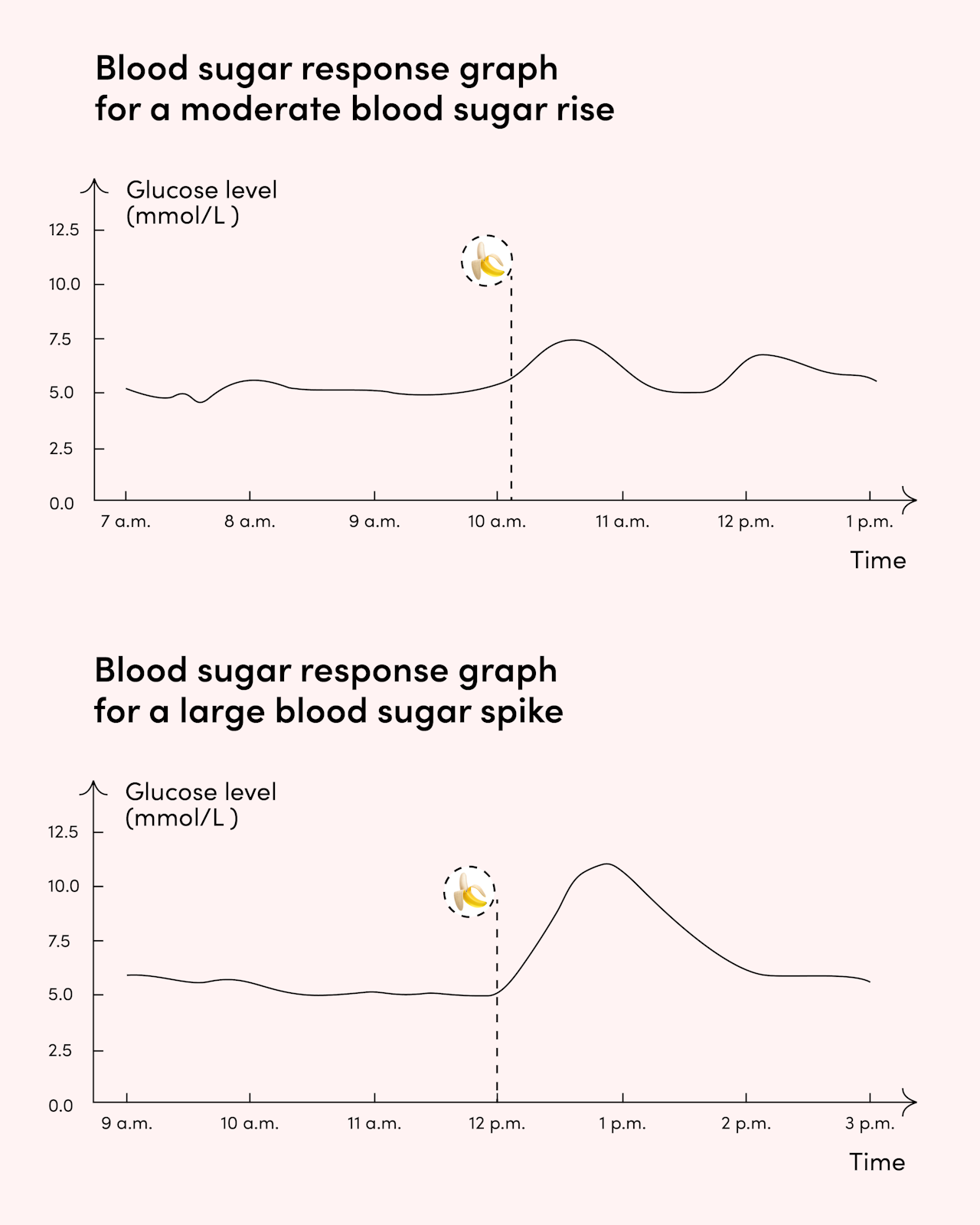
Insulin resistance increases with age, raising prediabetes and type 2 diabetes risk. A medium banana contains 26 grams of carbohydrates, so portion control and food pairing are essential.
Prevent Energy Crashes
Eating a ripe banana on an empty stomach can spike blood sugar, followed by a crash within 90 minutes. This leads to fatigue, brain fog, and increased hunger. Always pair bananas with protein, fat, or fiber to blunt the glucose response.
Practical Blood Sugar Strategies
Limit portions to half a banana per serving. Always combine bananas with Greek yogurt, nut butter, or oats. Add cinnamon, which has mild blood-sugar-lowering effects. Avoid overripe bananas on their own.
Listen to Your Body’s Response
Signs of poor blood sugar control after eating a banana include fatigue within 1–2 hours, mental fog, sudden hunger, or shakiness. If you notice these, adjust ripeness, portion size, or food pairings.
The Right Way for Seniors to Eat Bananas
Bananas are not inherently good or bad. They respond to how, when, and with what you eat them. Use these strategies to get the benefits without the downsides.
Pick the Perfect Banana
Choose yellow bananas with brown speckles. Avoid green (hard, starchy) or mushy black (high sugar, fermenting) bananas. The ideal stage balances digestibility and nutrient release.
Never Eat Bananas Alone
Pair every banana with protein like Greek yogurt or cottage cheese, healthy fats like almond butter or walnuts, and fiber-rich carbs like oats or whole grain toast. Smart combinations include banana slices with peanut butter on whole grain toast, half a banana blended into a smoothie with spinach and protein, or mashed banana in overnight oats with chia and cinnamon.
“It doesn’t spike me anymore. It settles me.” – Dolores, age 73
When Seniors Should Limit or Avoid Bananas
While bananas help most older adults, certain conditions require caution and medical guidance.
Kidney Disease Considerations
In late-stage kidney disease, the kidneys cannot efficiently excrete potassium. High-potassium foods like bananas can lead to hyperkalemia, a dangerous condition that may cause cardiac arrest. Dialysis patients often follow low-potassium diets, and even one banana per day may be too much. Consult your doctor before eating bananas regularly if you have kidney disease.
Medication Interactions
Some heart medications increase potassium retention, including ACE inhibitors like lisinopril and potassium-sparing diuretics like spironolactone. While one banana is unlikely to cause harm, cumulative potassium from bananas, oranges, potatoes, and supplements can become dangerous. Track your total potassium intake and discuss banana use with your healthcare provider.
Diabetes Management
Seniors with poorly controlled blood sugar must count bananas as part of their carbohydrate budget. A medium banana equals approximately 1.5 carbohydrate choices. Always pair bananas with protein or fat, and consume them as part of a meal rather than as a standalone snack.
Skip Processed Banana Products
Not all banana foods are healthy. Many commercial versions are loaded with sugar, fat, and calories that undermine the benefits of fresh bananas.
Avoid These Unhealthy Options
Banana bread often contains white flour, butter, and added sugar. Banana splits pack ice cream, syrup, and whipped cream. Commercial banana chips are usually deep-fried and coated in sugar or syrup. None of these provide the same benefits as whole fruit.
Choose Better Alternatives
Frozen bananas make creamy smoothies without added sugars. Homemade banana-oat bars baked with oats, cinnamon, and minimal honey are high in fiber and protein. Banana “nice cream” blended with frozen bananas and cocoa or peanut butter offers a healthy dessert option.
Key Takeaways for Senior Banana Consumption
Bananas are safe and beneficial for most seniors when eaten strategically. They support heart health, digestion, mood, and sleep, especially when adjusted for age-related changes.
What to Do
Eat ripe (speckled) bananas. Limit to half a banana per meal. Always pair with protein, fat, or fiber. Chew slowly and observe your body’s response.
What to Avoid
Green or mushy bananas. Eating bananas alone. Commercial banana chips or baked goods. Ignoring kidney or medication concerns.
When to Be Cautious
Limit or avoid bananas if you have advanced kidney disease, take potassium-elevating medications, or have uncontrolled diabetes. In these cases, consult your healthcare provider before making bananas a regular part of your diet.
Frequently Asked Questions About Seniors Eating Bananas
Can seniors eat bananas every day?
Yes, most seniors can eat bananas daily if they choose ripe bananas, limit portions to half a banana, and always pair them with protein, fat, or fiber. However, those with kidney disease or on certain medications should consult their doctor first.
Are green bananas safe for seniors?
Green bananas are not recommended for seniors because the high resistant starch content can cause bloating, gas, and digestive discomfort. If you prefer firm bananas, cook them like plantains to improve digestibility.
How do bananas affect blood pressure?
Bananas are rich in potassium, which helps counteract sodium and relaxes blood vessel walls. This can lower blood pressure naturally, making bananas an excellent addition to a heart-healthy diet for seniors with hypertension.
Can diabetics eat bananas?
Yes, but portions must be controlled. Limit to half a banana per serving and always pair with protein or healthy fat. Monitor your blood sugar response and adjust based on your body’s feedback.
What is the best time of day for seniors to eat bananas?
The best time is during the day when you can pair bananas with a meal containing protein and fiber. Avoid eating ripe bananas on an empty stomach, as this can cause blood sugar spikes. Evening consumption may support sleep due to tryptophan content.
Are banana chips a healthy alternative to fresh bananas?
No, most commercial banana chips are deep-fried and coated in sugar or syrup. They lack the fiber and hydration of fresh bananas and can contribute to weight gain. Choose frozen bananas for smoothies or homemade baked alternatives instead.
Final Thoughts on Eating Bananas as a Senior
Bananas are not a magic fruit, but they are a powerful tool when used with awareness. By matching banana consumption to your current health, digestion, and energy needs, you can enjoy this comforting, nutrient-rich food well into your 70s, 80s, and beyond.
The key is personalization. Choose ripe bananas, pair them wisely, chew thoroughly, and pay attention to how your body responds. Your feedback is the best guide to determining whether bananas belong in your senior nutrition plan.