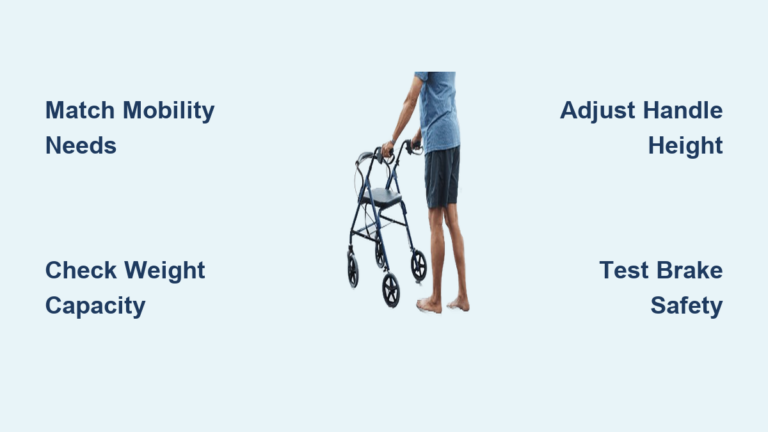
Three out of four older adults want to age in place, remaining in their homes as they grow older. If you’re helping a senior live safely and comfortably at home, you’re joining millions of families who provide in-home care each year. This guide shows you exactly how to care for seniors at home with confidence, covering everything from fall-proofing bathrooms to managing medications, supporting mental health, and avoiding caregiver burnout.
Assess Senior Care Needs Early
Before making changes, understand what kind of help is needed. A clear picture prevents overwhelm and ensures no critical areas are missed.
Identify Key Areas of Support
Evaluate these eight domains to spot risks and plan care:
- Mobility: Can they walk steadily? Get up from a chair or bed without help?
- Health conditions: Track chronic illnesses like diabetes, heart disease, or arthritis.
- Medication use: How many prescriptions? Are doses missed or duplicated?
- Personal care: Do they bathe, dress, and use the toilet independently?
- Nutrition: Are meals balanced? Is chewing or swallowing difficult?
- Home safety: Are there tripping hazards or poor lighting?
- Cognitive function: Any memory lapses, confusion, or mood changes?
- Social connection: Do they feel lonely or disconnected?
Use a printed caregiving checklist to document findings and revisit every 3 months or after a health change.
Know the Difference Between ADLs and IADLs
Daily tasks fall into two categories: essential self-care (ADLs) and independent living skills (IADLs).
ADLs (Activities of Daily Living) include:
- Bathing
- Dressing
- Eating
- Toileting
- Walking or transferring
- Personal hygiene
Struggles here mean hands-on help is needed, possibly from a family member or professional caregiver.
IADLs (Instrumental Activities of Daily Living) include:
- Cooking
- Cleaning
- Shopping
- Managing money
- Taking medications
- Using the phone or transportation
Decline in IADLs often comes first. Tech tools like automatic pill dispensers or grocery delivery can delay the need for full-time care.
Create a Written Care Plan
A clear plan keeps everyone on the same page. Include:
- Who does what (e.g., daughter handles meds, neighbor takes them to appointments)
- When tasks happen (e.g., weekly grocery delivery, daily check-in calls)
- Backup plans if someone is unavailable
- Review dates (e.g., every 90 days)
Involve the senior in decisions. Respecting their preferences builds trust and cooperation.
Build a Caregiving Team
No one should do this alone. Even distant relatives can help by paying bills online, scheduling doctor visits, ordering prescriptions, or sending reminders via text or call. Hold monthly check-ins over coffee or Zoom to share updates and adjust responsibilities. Rotate small tasks to prevent resentment.
Make the Home Fall-Proof and Safe

Falls are the leading cause of injury among seniors. Most happen at home, often in the bathroom or on stairs. Simple changes reduce risk dramatically.
Remove Tripping Hazards Now
Start with walkways:
- Secure loose rugs with double-sided tape or remove them entirely
- Tuck electrical cords against walls or use cord covers
- Clear clutter from hallways and entryways
- Keep frequently used items within easy reach to avoid stretching or bending
Improve Lighting Throughout the House
Poor lighting increases fall risk at night. Upgrade with:
- Brighter bulbs (800+ lumens) in key areas
- Motion-sensor lights in hallways, bathrooms, and stairwells
- Nightlights in bedrooms and bathrooms
Place lamps near seating areas and beds for easy access.
Upgrade Bathroom Safety Fast
The bathroom is the most dangerous room. Act now:
- Install wall-mounted grab bars near the toilet and in the shower (not suction cups, which fail)
- Add non-slip strips or mats in the tub
- Use a shower chair for seated bathing
- Set water heater to 120°F (49°C) to prevent scalds
- Replace twist faucets with lever handles
Avoid space heaters, which are fire hazards.
Modify the Bedroom for Independence
Help your senior get in and out of bed safely:
- Use a firm mattress (softer ones make rising harder)
- Install a telescoping grab bar from floor to ceiling for support
- Place a phone or medical alert button within reach
Swap round doorknobs for lever-style door handles.
Adapt the Kitchen for Ease
Seniors may still cook but need safer setups:
- Store dishes, food, and utensils at waist level or below
- Remove throw rugs that can slide
- Use color-coded, lever-style faucet handles
- Keep a charged phone and emergency numbers visible
Consider automatic shut-off devices for stoves if memory is a concern.
Secure Stairs and Entryways
If stairs are unavoidable:
- Install handrails on both sides
- Ensure rails are sturdy and extend full length
- Add motion-sensor lighting
- Remove objects from steps
For severe mobility issues, install a stairlift. Many qualify for tax deductions or insurance coverage.
Add Dementia-Specific Protections
For cognitive decline:
- Use door alarms or remote locks to prevent wandering
- Lock up medications, cleaners, and sharp tools
- Disable stove when not in use (with a timer or circuit breaker)
- Use GPS trackers in shoes, watches, or pendants
Test all systems regularly.
Hire a Pro for a Home Safety Audit
An expert can spot hidden dangers. Consider occupational therapists for adaptive tools, geriatric care managers for overall needs, or aging-in-place contractors for ramps, roll-in showers, or widened doors. Many communities offer free or low-cost assessments through senior centers or health departments.
Manage Health and Medications Wisely

Poor medication management leads to 1 in 5 hospitalizations in seniors. Stay ahead with organization and professional support.
Organize All Medications
Create a master list that includes drug name, dosage, time of day, prescribing doctor, and purpose (e.g., “for blood pressure”). Keep a copy in a binder and on your phone. Bring it to every appointment.
Use Pill Organizers and Reminders
Choose the right tool:
- Daily or weekly pillboxes for basic needs
- Smart dispensers that lock, beep, and alert family if missed
- Voice assistants (e.g., Alexa: “Remind me to take blood pressure meds at 8 AM”)
Link reminders to meal times or TV shows for better adherence.
Learn Post-Hospital Care Basics
After a hospital stay, you may need to change wound dressings, administer injections, or monitor blood sugar or blood pressure. Ask nurses for hands-on training before discharge. Get written instructions and emergency contacts. If uncomfortable, request home health services.
Access Home Health Care Through Medicare
If your senior is homebound, Medicare may cover skilled nursing visits, physical or occupational therapy, or speech therapy. A doctor must certify homebound status. Services come through approved agencies. Ask your hospital discharge planner for referrals.
Prepare for Emergencies
Act before a crisis:
- Assemble a medical kit: Bandages, thermometer, gloves, emergency meds
- Build a go-bag: Water, food, meds, flashlight, copies of ID and insurance
- Install a medical alert system with fall detection
- Have an evacuation plan for fires, storms, or power outages
Post emergency numbers by every phone.
Support Nutrition and Hydration Daily

Malnutrition and dehydration are silent dangers. They cause fatigue, confusion, and weakened immunity.
Serve Balanced, Senior-Friendly Meals
Focus on lean proteins (chicken, fish, beans), whole grains (oats, brown rice), colorful fruits and vegetables, and healthy fats (avocado, olive oil, nuts). Limit processed foods, salt, and added sugar, especially with heart or kidney issues. A registered dietitian can tailor a plan for diabetes, hypertension, or swallowing problems.
Fix Common Eating Problems
Many seniors struggle with chewing or swallowing difficulty, low appetite, or fatigue during cooking. Solutions include blending or softening foods (soups, stews, smoothies), offering smaller more frequent meals, and using meal delivery services like Meals on Wheels, Mom’s Meals, or Silver Cuisine. Prep freezer meals on good days for tough days.
Prevent Dehydration Easily
Seniors often do not feel thirsty. Help by placing filled water bottles around the house, offering herbal tea, broth, or milk, and using a marked water bottle with hourly goals. Check urine color. Pale yellow means hydrated. Avoid sugary drinks and excess caffeine.
Boost Physical and Mental Well-being
Aging does not have to mean decline. Movement, connection, and mental stimulation preserve function and joy.
Encourage Safe Daily Activity
Even light exercise helps:
- Walking around the block or house
- Seated yoga or tai chi for balance
- Water aerobics (gentler on joints)
- Resistance bands or light weights for strength
Always check with a doctor first. Many gyms and senior centers offer free classes (e.g., SilverSneakers). Supervise at first to prevent falls.
Fight Loneliness and Isolation
Loneliness harms health as much as smoking. Break the cycle with weekly family visits or video calls, invitations to meals or events, senior center programs (games, art, music), or volunteering or pet therapy. Encourage participation. Even passive attendance helps.
Stimulate the Mind and Emotions
Keep the brain active with puzzles, reading, or card games, reminiscing with photo albums or old music, gardening, painting, or listening to audiobooks, or music or art therapy. For depression, anxiety, or memory loss, talk to a doctor, try telehealth counseling, or join a support group. Listen without judgment. Sometimes being heard is the best medicine.
Handle Legal and Financial Planning Now
Waiting until a crisis hits can cost time, money, and control. Get documents in place early.
Secure Essential Legal Papers
Ensure these are signed and stored safely:
- Health care surrogate: Names someone to make medical decisions if the senior cannot
- Durable power of attorney: Lets someone manage finances
- Living will or advance directive: States wishes for end-of-life care
- Will or trust: Guides asset distribution
Review every 2 to 3 years or after major life changes.
Plan for Care Costs
In-home care adds up. Estimate monthly expenses for medications, medical supplies, home modifications, groceries, and paid caregiver hours. Explore help through Medicare for skilled home health care, Medicaid for long-term care (income limits apply), LIHEAP for heating and cooling bills, or BenefitsCheckUp.org for local aid programs. Consider long-term care insurance if purchased early.
Discuss Future Living Options
Talk honestly about what might come. Could the home become unsafe? When might assisted living be better? What does the senior want for end-of-life care? Use tools like the LIFE (Living Independence for the Elderly) program, a Medicare-approved PACE model that brings medical care, meals, and transportation to seniors at home.
Use Technology to Simplify Care
Tech is not just for young people. Smart tools enhance safety, independence, and peace of mind.
Try Smart Medication Aids
Automatic pill dispensers lock and alert when it is time to take meds. Apps send reminders and notify family if doses are missed. Start simple. Many devices sync with smartphones.
Install Fall Detection and Monitoring
Wearable alarms (pendants or watches) with fall detection, motion sensors that alert if no movement is detected for hours, and cameras with privacy mode (only active when consented) all help. Always respect the senior’s comfort and consent.
Use Voice Assistants Daily
Devices like Alexa or Google Home help with turning lights on and off, setting reminders (“Take your pills in 10 minutes”), playing music or calling family, and adjusting thermostats. Teach one function at a time. Practice together.
Embrace Telehealth Services
Virtual visits save trips for primary care check-ups, mental health counseling, and specialist consults. Most require only a tablet or smartphone. Many Medicare plans cover telehealth.
Prioritize Caregiver Self-Care Always
You cannot pour from an empty cup. Caregiver burnout is real and dangerous.
Recognize Burnout Signs Early
Watch for constant exhaustion, irritability or anger, loss of interest in hobbies, sleep or appetite changes, or feeling trapped or hopeless. These are not weakness. They are warning signs.
Set Boundaries and Take Breaks
Protect your health by scheduling me time daily, even 15 minutes to read or walk. Say no to extra tasks if overwhelmed. Use respite care (a few hours to several days) to recharge. Breaks are not selfish. They make you a better caregiver.
Get Emotional and Practical Support
You do not have to do it all. Talk to a therapist about stress, guilt, or grief. Join a caregiver support group (online or local). Ask friends to help with errands, meals, or sitting with your loved one. Share feelings. You are not alone.
Hire Help When Needed
Bringing in professionals is not failure. It is smart planning. In-home aides help with bathing, dressing, or companionship. Cleaning services reduce your load. Adult day programs provide socialization and supervision. Start with a few hours a week. Word-of-mouth referrals are often best.
Frequently Asked Questions About Caring for Seniors at Home
What is the first rule of caregiving?
Take care of yourself first. Sustainable caregiving requires physical, emotional, and mental well-being. You cannot pour from an empty cup, and burnout compromises both caregiver and recipient well-being.
What do caregivers need most?
Caregivers need emotional support from family, friends, and professionals, practical help with tasks like errands, meals, and housekeeping, and access to resources including financial aid, respite care, and counseling.
How do I know if home care is no longer safe?
Consider a change if the home cannot be modified to meet physical or cognitive needs, caregiver burnout is severe, the senior’s health declines beyond what can be managed at home, or safety incidents like falls, wandering, or medication errors become frequent.
What is the hardest responsibility of a caregiver?
Balancing caregiving with a full-time job and personal life is often the hardest responsibility. Effective time management, delegation, and boundary-setting are essential for sustainability.
How can I afford in-home senior care?
Explore Medicare for skilled home health care, Medicaid for long-term care (income limits apply), and programs like LIHEAP for utility assistance. Long-term care insurance can offset future costs, and tools like BenefitsCheckUp.org help find local aid programs.
What technology helps with senior care at home?
Smart medication dispensers, fall-detection wearables, voice assistants for reminders and home control, and telehealth services all simplify care. Introduce technology gradually and practice together to ensure comfort.
Key Takeaways for Caring for Seniors at Home
Caring for seniors at home is one of the most meaningful roles you can take on. With the right tools, support, and planning, you can create a safe, joyful, and dignified life for your loved one while protecting your own well-being in the process. Start today by doing one safety check, making one phone call, or writing down one goal. Small steps build lasting care.