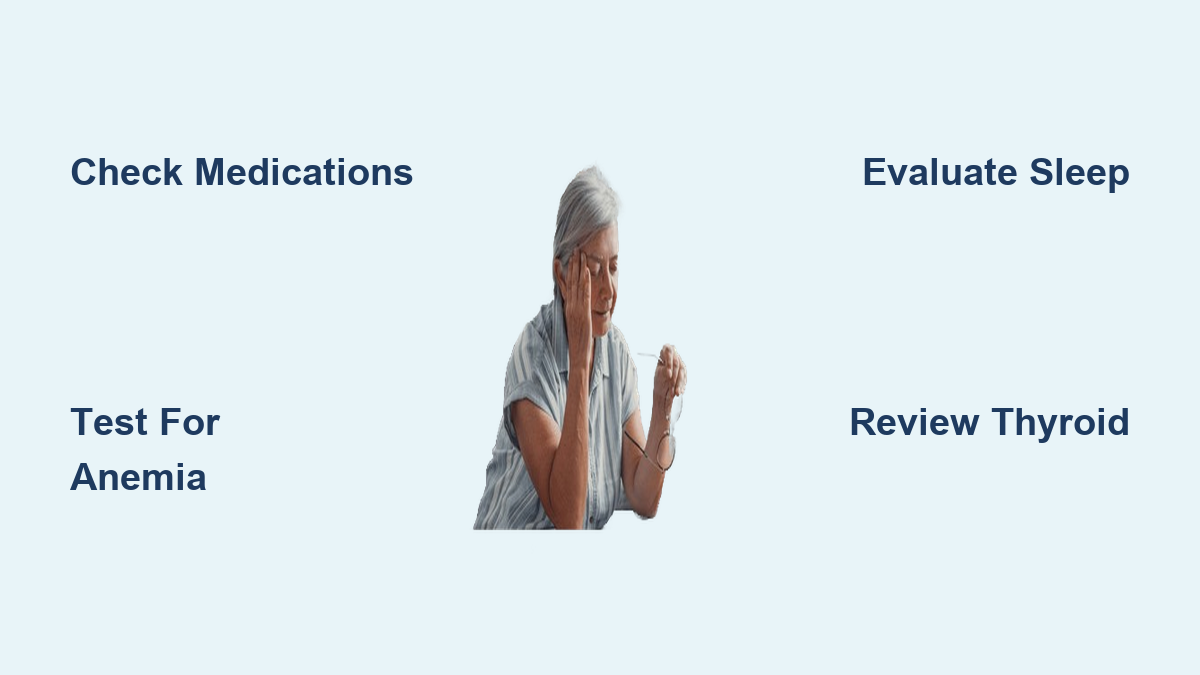
If your elderly parent, grandparent, or loved one seems constantly drained, struggling to get through the day despite resting, it is not just getting old. Chronic fatigue in older adults is common but not normal. Unlike ordinary tiredness that fades with sleep, persistent exhaustion that interferes with daily life is a warning sign, not an inevitability. The real question is not if they are tired, but why.
Fatigue in seniors is often a symptom of underlying issues ranging from treatable medical conditions like anemia and thyroid disorders to overlooked causes like medication side effects, dehydration, or untreated depression. Up to 74% of older adults with chronic diseases experience fatigue, and 42% to 55% of seniors report significant energy loss. Yet many dismiss it as part of aging and never seek help. This article breaks down the real reasons elderly people are so tired, how to recognize dangerous signs, and what can be done because lasting fatigue is fixable, not final.
Chronic Diseases That Cause Extreme Tiredness

Underlying health conditions are among the top causes of persistent exhaustion in older adults. These diseases disrupt energy production, oxygen delivery, or trigger systemic inflammation, leading to unrelenting fatigue that does not improve with rest.
Heart Disease and Low Energy
Heart conditions like heart failure or coronary artery disease reduce blood flow and oxygen delivery to muscles and organs. Even mild activity like walking to the mailbox or standing in the kitchen can feel overwhelming. Seniors may report running out of steam quickly, needing frequent rests, or feeling breathless without exertion. Fatigue worsens with activity and improves slightly with rest but never fully resolves.
Diabetes Blood Sugar Swings
Both high and low blood sugar levels cause sudden fatigue in seniors with diabetes. They may feel sluggish after meals or wake up exhausted due to overnight glucose fluctuations. Long-term complications like nerve damage and poor circulation further drain energy. Monitoring blood sugar regularly and reviewing medication timing with a doctor is essential.
Kidney Disease and Toxin Buildup
As kidney function declines, uremic toxins accumulate in the bloodstream, causing lethargy, brain fog, and weakness. Anemia from reduced erythropoietin production also contributes. Fatigue often appears before other symptoms like swelling or nausea. Blood tests for creatinine and eGFR can detect early kidney issues.
Thyroid Disorders Slowed Metabolism
Hypothyroidism is common in older adults and easily missed. Symptoms include fatigue, cold intolerance, weight gain, dry skin, and mental sluggishness. A simple blood test for TSH and T4 can confirm the condition, which is treatable with daily medication. Request thyroid screening during annual blood work, especially if energy has steadily declined.
Sleep Disorders That Drain Energy
Poor sleep is not just about quantity. Many seniors sleep 7 to 8 hours but still wake up exhausted due to non-restorative sleep caused by undiagnosed disorders.
Sleep Apnea Breathing Stops at Night
Obstructive sleep apnea causes repeated breathing interruptions that fragment sleep and reduce oxygen levels. Seniors may snore loudly, gasp, or wake up choking. Daytime signs include morning headaches, irritability, and sudden fatigue. Sleep apnea increases stroke, heart attack, and dementia risk.
Insomnia and Nighttime Wakefulness
Difficulty falling or staying asleep is often linked to pain, anxiety, or medication side effects. Older adults may lie awake for hours, then nap during the day, disrupting natural sleep rhythms. Cognitive behavioral therapy for insomnia is more effective and safer than sleep pills.
Restless Legs and Circadian Shifts
Restless legs syndrome causes uncomfortable leg sensations that worsen at night, making it hard to fall asleep. Meanwhile, advanced circadian rhythm leads to early bedtimes and 4 a.m. wake-ups, cutting sleep short. Iron supplements if deficient, leg stretches, and timed light exposure can help reset rhythms.
Medications That Cause Fatigue
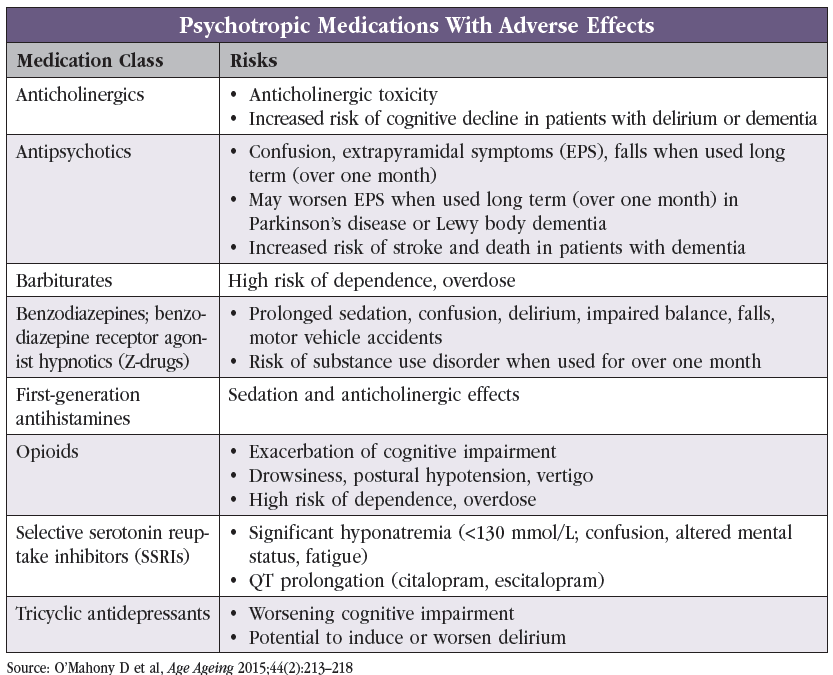
Polypharmacy, taking five or more medications, is common in seniors and a major but overlooked cause of exhaustion. Many drugs list fatigue as a side effect.
Common Fatigue-Inducing Drug Classes
Beta-blockers reduce heart rate and energy. Diuretics cause dehydration and electrolyte loss. Antihistamines like diphenhydramine cause daytime drowsiness. Opioids and painkillers depress the central nervous system. Statins are linked to muscle weakness and fatigue. Benzodiazepines cause next-day grogginess. Antidepressants like amitriptyline are sedating, especially at night. Request a medication review with a doctor or pharmacist. Some drugs can be adjusted, replaced, or discontinued. Never stop medications on your own.
Anemia and Low Oxygen Levels
Anemia, a low red blood cell count, is a leading and treatable cause of fatigue in seniors. It reduces oxygen delivery to tissues, making every task feel exhausting.
Types of Anemia in Older Adults
Iron deficiency comes from poor diet or slow gastrointestinal bleeding. Vitamin B12 deficiency is caused by reduced stomach acid or pernicious anemia. Folate deficiency is linked to poor nutrition. Anemia of chronic disease is associated with cancer, kidney disease, or inflammation. Symptoms include pale skin, dizziness, shortness of breath, weakness, and brain fog. A complete blood count test can detect anemia, and further tests identify the cause.
Dehydration and Nutrient Gaps
Even mild dehydration, just 1% to 2% of body weight loss, can cause fatigue, confusion, and dizziness in seniors. Many do not feel thirsty, so they do not drink enough.
Why Seniors Get Dehydrated
Blunted thirst response, diuretic medications, fear of incontinence, and mobility issues limiting access to water all contribute. Pale yellow urine indicates well-hydrated. Dark yellow or amber means drink water now. Key nutritional deficiencies include vitamin D causing fatigue, muscle weakness, and low mood. B12 and folate are essential for energy and brain function. Magnesium low levels cause cramps and exhaustion. Protein lack leads to sarcopenia, reducing stamina. Focus on nutrient-dense foods like vegetables, lean proteins, whole grains, legumes, and healthy fats.
Hidden Infections UTIs and Fatigue
Urinary tract infections are a surprising cause of sudden fatigue in seniors and often go undiagnosed because symptoms differ from younger adults.
Atypical UTI Signs in the Elderly
Sudden extreme tiredness, confusion or delirium, agitation or behavioral changes, falls, and no burning or urgency are common. Any new-onset confusion or unexplained exhaustion should prompt a urine test. UTIs are easily treated with antibiotics, and energy often returns within days.
Mental Health and Emotional Exhaustion
Depression and anxiety are among the most underdiagnosed causes of fatigue in older adults. Symptoms are often physical, not emotional, so they are missed.
Depression Masked by Fatigue
Seniors may not report sadness. Instead, they say they have no get-up-and-go, everything feels like too much, or they cannot enjoy things like they used to. Up to 75% of people with fatigue also have depression or anxiety. Loss of a spouse, friends, or independence can lead to existential fatigue, a deep sense of purposelessness that drains motivation and energy.
Sedentary Life and Muscle Loss
Inactivity leads to physical deconditioning, a cycle where fatigue causes less movement, which causes more fatigue.
Sarcopenia Age-Related Muscle Loss
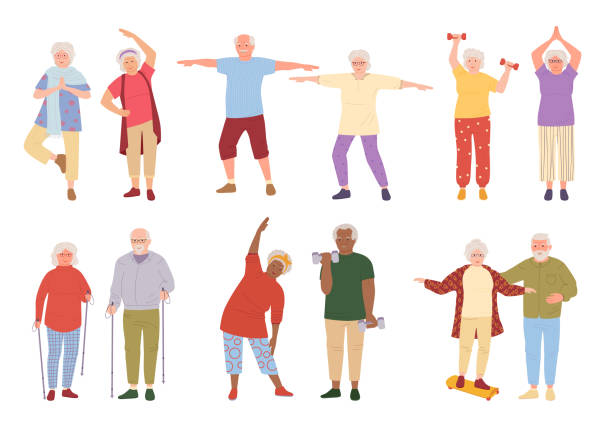
After 50, adults lose 1% to 2% of muscle mass per year. By 70 or 80, this adds up to significant weakness. Simple tasks like rising from a chair or carrying groceries become exhausting. Even 10 minutes of daily walking improves energy and mood. Best exercises include walking to boost circulation, resistance training 2 to 3 times per week to rebuild muscle, Tai chi or chair yoga for balance, and stretching to prevent stiffness.
Hormonal Shifts and Brain Changes
Age-related hormonal and neurological changes also play a role in fatigue, especially when no medical cause is found.
Hormones That Affect Energy
Melatonin decline disrupts sleep onset. Low testosterone in men is linked to fatigue, low motivation, and muscle loss. Estrogen drop in women affects sleep and mood post-menopause. Hormone levels can be checked with blood work. Some seniors feel tired with no clear cause. Research shows the aging brain uses more effort to complete simple tasks. Neuroimaging reveals increased brain activity for routine functions, leading to mental exhaustion. This is not laziness, it is neural inefficiency.
When to See a Doctor
Fatigue that lasts more than two weeks or comes on suddenly needs medical attention. Do not accept it as just aging.
Red Flags Seek Help Immediately
Fatigue with chest pain or shortness of breath, sudden confusion or delirium, unexplained weight loss, swelling in legs or feet indicating heart failure, gasping during sleep indicating sleep apnea, or new weakness or coordination issues all require urgent evaluation. Request blood tests for anemia, thyroid, vitamin levels, kidney function, and blood sugar.
Fixing Fatigue A Step-by-Step Action Plan
Most causes of elderly fatigue are treatable. Use this action plan to regain energy.
1. Schedule a Medical Check-Up
Review all medications and run blood tests including CBC, TSH, B12, vitamin D, glucose, and kidney and liver function. Rule out heart, lung, kidney, or cancer issues.
2. Improve Sleep Quality
Go to bed and wake up at the same time daily. Avoid screens one hour before bed. Keep bedroom dark, quiet, and cool. Limit naps to 20 to 30 minutes.
3. Eat and Drink for Energy
Eat balanced meals every 3 to 4 hours. Drink water throughout the day. Add more protein, fiber, and colorful vegetables. Skip sugary snacks and processed foods that cause energy crashes.
4. Move Your Body
Start with 5 to 10 minutes of walking daily. Add resistance bands or light weights 2 to 3 times per week. Try chair exercises if mobility is limited. Three 10-minute walks a day are better than none.
5. Address Emotional Health
Talk to a doctor about depression or anxiety. Try therapy in-person or telehealth. Stay socially connected by calling a friend or joining a group.
Frequently Asked Questions About Elderly Fatigue
Is fatigue a normal part of old age?
While some decrease in energy is normal with aging, persistent or chronic fatigue is not. It often signals an underlying medical, psychological, or lifestyle issue and should be evaluated by a doctor.
Why is my elderly mother always tired?
Possible causes specific to older women include hormonal changes from low estrogen and progesterone, higher risk of thyroid disorders, anemia, and UTIs, and greater likelihood of depression and anxiety. A thorough medical evaluation is recommended.
Can depression cause fatigue in seniors?
Yes. Depression is one of the most common and overlooked causes of fatigue in older adults. It disrupts sleep, reduces motivation, and drains physical energy. It is highly treatable with therapy and medication.
What causes sudden extreme fatigue in elderly adults?
Possible causes include UTIs that often present with confusion rather than pain, heart problems like heart failure, dehydration, medication changes, anemia, and blood sugar imbalances. Any sudden onset of severe fatigue requires medical evaluation.
How can I help my elderly parent who is always tired?
Encourage a doctor is visit and blood work. Help with hydration, nutritious meals, and light exercise. Watch for signs of depression. Support social connection. Consider therapy if emotional factors are involved.
Why am I so tired at 70, 80, or 85 years old?
Extreme tiredness at any age is not inevitable. Common causes in older adults include medication side effects, anemia, thyroid issues, heart disease, nutritional deficiencies, sleep disorders, and depression. Regular check-ups with blood work can help detect and treat these early.
Key Takeaways for Addressing Elderly Fatigue
Chronic fatigue in the elderly is not normal and not untreatable. From anemia and sleep apnea to depression and medication side effects, most causes can be identified and managed. Seniors deserve to feel energized, engaged, and capable. With the right evaluation and support, lasting tiredness can become a thing of the past. The first step is scheduling a comprehensive medical evaluation to identify underlying causes. Do not dismiss fatigue as simply part of aging.