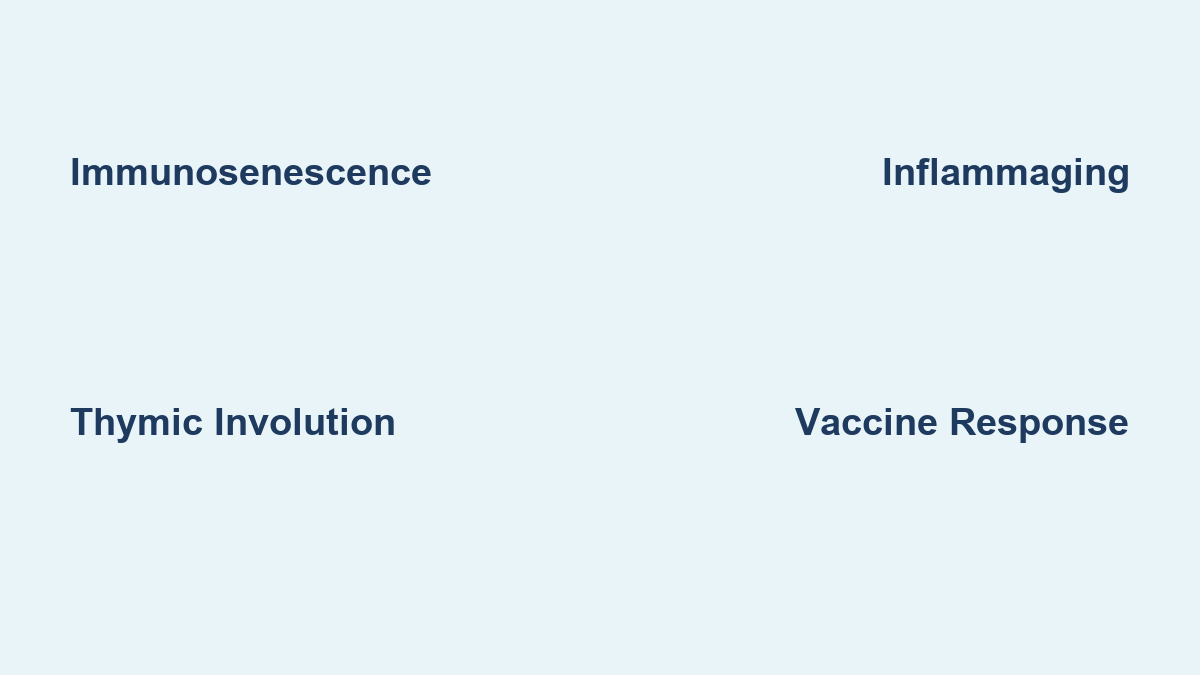
As we age, the body’s defenses don’t just slow down—they fundamentally change. Older adults are more likely to catch infections, suffer severe complications, and respond poorly to vaccines. The reason is a progressive weakening of the immune system known as immunosenescence. This biological shift begins as early as age 20 and accelerates after 50, leaving seniors more vulnerable to illnesses like flu, pneumonia, shingles, and even heart attacks triggered by infection.
The problem isn’t just that immunity weakens—it becomes imbalanced. The elderly often face chronic inflammation while simultaneously losing the ability to fight new threats. This paradox, where the immune system is both overactive and underprepared, lies at the heart of why older adults get sicker, stay sick longer, and die more frequently from preventable diseases. This guide breaks down the science behind weakened immunity in seniors, what changes, why it matters, and how to fight back.
What Is Immunosenescence
Immunosenescence is the medical term for age-related immune decline. It’s not a single flaw but a system-wide deterioration affecting how the body detects, responds to, and remembers pathogens. Starting in early adulthood, immune resilience erodes gradually, with sharper drops after age 50. By the time someone reaches their 70s or 80s, their immune response can be significantly slower and less effective.
This decline has real-world consequences. Older adults are hospitalized more often, recover more slowly, and face higher mortality from infections. Even routine illnesses like the common cold can spiral into pneumonia. Immunosenescence also explains why vaccines work less well in seniors, because the immune system struggles to generate strong, lasting protection.
Key Signs of Immune Aging
The following signs indicate that your immune system is aging faster than optimal:
• Slower response to new infections
• Reduced ability to clear viruses and bacteria
• Increased risk of autoimmune reactions
• Poorer response to vaccinations
• Higher levels of chronic inflammation
These changes are not uniform across all individuals. Genetics, lifestyle, and underlying health conditions play major roles in how quickly immunosenescence progresses. But one thing is clear: the older we get, the harder our immune system works and the less it accomplishes.
How Adaptive Immunity Declines
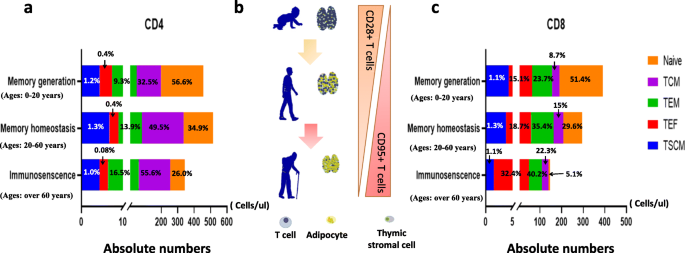
The adaptive immune system learns to recognize specific pathogens and creates long-term memory. With age, this precision defense falters. Two key players, T cells and B cells, undergo critical changes that reduce protection against new and reactivated infections.
T Cells Lose Speed and Diversity
T cells are essential for identifying infected cells and coordinating immune attacks. In youth, they respond rapidly, dividing every 8 to 12 hours during an infection. By the late 70s, that pace slows to once every 16 hours. That delay can mean the difference between controlling a virus and developing severe disease.
Over a lifetime, repeated infections fill the immune memory bank with experienced T cells, leaving fewer naive T cells, the fresh recruits needed to fight never-before-seen threats. This shrinking diversity makes it harder to respond to new viruses like SARS-CoV-2 or mutated flu strains.
Additionally, aged T cells show signs of exhaustion. They have shortened telomeres, which are protective caps on DNA. They produce weaker signaling and reduced cytokines. They also accumulate senescent cells that cause inflammation. When T cells age, the risk of not only infections but also cancer, heart disease, and metabolic disorders increases.
B Cells Drive Immune Aging
Traditionally seen as antibody factories, B cells are now known to actively shape immune aging. A 2026 study in Science Immunology revealed that B cells are required for normal T cell aging. In animal models, removing B cells led to larger pools of naive T cells, fewer exhausted T cells, and better T cell function in old age.
This suggests B cells do not just decline. They drive the aging of other immune cells through direct communication. Even more surprising, B cells with high insulin signaling, linked to blood sugar levels, promoted faster immune aging. This ties metabolic health directly to immune resilience.
Weaknesses in Innate Immunity
While adaptive immunity learns, innate immunity acts fast. Neutrophils, macrophages, and natural killer cells form the first line of defense. But even these rapid responders weaken with age.
Neutrophils Slow Down
Neutrophils are the body’s frontline soldiers, rushing to infection sites to engulf and destroy invaders. Think of them as emergency responders. The faster they arrive, the better the outcome. In older adults, neutrophils migrate slower to infection sites, a problem called impaired chemotaxis. They also engulf pathogens less effectively due to reduced phagocytosis, and they die off more quickly.
Without functional neutrophils, even minor bacterial infections could become fatal within days. Their decline means infections gain a foothold before the immune system can mount a proper defense.
Natural Killer Cells Lose Precision
NK cells target virus-infected and cancerous cells. With age, they remain numerous but become less accurate. They may attack healthy tissue or fail to eliminate dangerous cells. This loss of precision contributes to both increased cancer risk and chronic inflammation.
Thymic Involution Limits New T Cells

The thymus, a small organ behind the breastbone, is where T cells mature. It is most active in childhood and adolescence. But starting in the teens, it begins to shrink, a process called thymic involution.
By middle age, the thymus is mostly fat, producing very few new T cells. This structural change has a profound effect. The body cannot replenish its supply of naive T cells. Once they are gone, they are gone.
Without a steady stream of fresh T cells, the immune system becomes increasingly reliant on memory cells. This works well for old threats but leaves seniors defenseless against new ones. It is like having a security team that only recognizes past intruders, blind to new faces.
Chronic Inflammation and Inflammaging
One of the most dangerous aspects of immune aging is inflammaging, a state of persistent, low-grade inflammation present even in the absence of infection.
This is not acute inflammation like swelling after an injury. It is a smoldering, systemic activation of immune pathways. It is linked to cardiovascular disease, type 2 diabetes, Alzheimer’s and other dementias, frailty and muscle loss, and cancer.
Inflammaging creates a toxic cycle. Chronic inflammation damages tissues, which triggers more immune activation, which fuels more inflammation. At the same time, the immune system is too exhausted to respond effectively to real threats. The result is a body stuck in defense mode but unable to defend.
What Causes Inflammaging
Several factors contribute to this chronic inflammatory state:
• Accumulation of senescent cells that secrete inflammatory molecules
• Leaky gut allowing bacteria into the bloodstream
• Persistent viral infections like CMV keeping the immune system on high alert
• Fat tissue, especially visceral fat, producing inflammatory cytokines
This dual state of hyperactivity and hypo-responsiveness is what makes older adults so vulnerable.
How Hormones and Organs Change
Immune health is tied to the body’s broader physiology. Aging affects hormones and organs that support immune function.
Declining Hormone Levels
Several hormones decline with age and impact immunity. Growth hormone and IGF-1 support thymic function and lymphocyte production, and they decline with age. Sex hormones like estrogen and testosterone modulate immune responses, and lower levels are linked to reduced vaccine responses. DHEA is an adrenal hormone with immune-boosting effects, and levels drop sharply after 30.
Hormone replacement has been studied for immune benefits, but risks often outweigh benefits.
Organ System Decline
Multiple organ systems contribute to immune decline. Bone marrow produces fewer new immune cells. Lymph nodes become fibrotic, impairing cell trafficking and antigen presentation. Skin and mucosal barriers thin and weaken, making it easier for pathogens to enter.
These changes compound immune dysfunction, creating multiple points of failure.
Increased Infection Risks in Seniors
Weakened immunity translates directly into greater danger from common and reactivated infections.
Flu and Pneumonia
Influenza is far deadlier in older adults. They account for 70 to 85 percent of seasonal flu deaths. Pneumonia, often following the flu, is a leading cause of hospitalization and death. Streptococcus pneumoniae exploits weakened defenses, especially in those with chronic lung or heart disease.
RSV in Older Adults
Once thought a childhood illness, respiratory syncytial virus is now recognized as a major threat to seniors. It causes severe lower respiratory infections, with hospitalization rates similar to non-pandemic flu years. RSV vaccines are now available for adults over 60.
Shingles Reactivation
Over 90 percent of adults over 50 carry the varicella-zoster virus, which causes chickenpox. As immunity wanes, the virus can reactivate as shingles, causing a painful rash and complications like postherpetic neuralgia, which is chronic nerve pain, in 10 to 18 percent of cases.
COVID-19 Severity
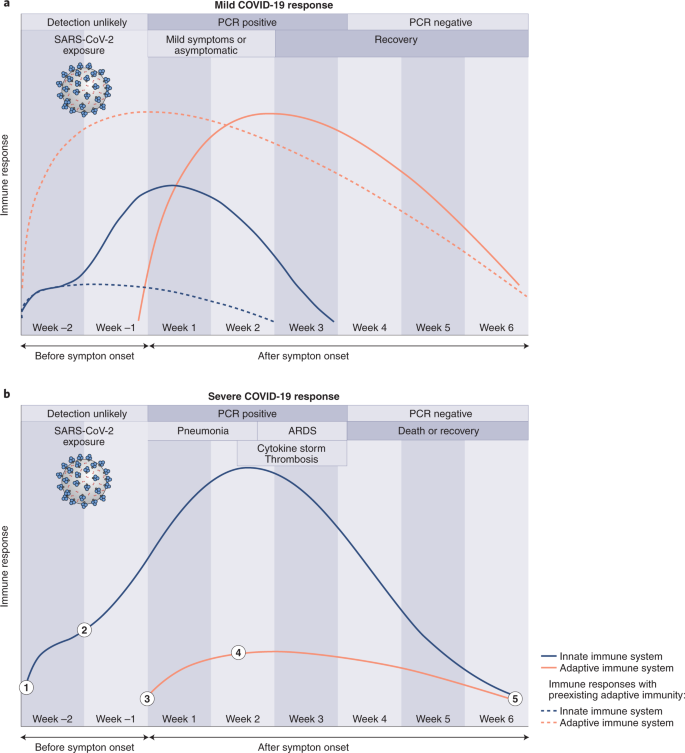
Age is the strongest predictor of severe outcomes from SARS-CoV-2. Older adults face higher risks of hospitalization, ICU admission, and death due to poor viral control and exaggerated inflammatory responses.
How Infections Trigger Chronic Disease
Infections do not just cause acute illness. They can spark long-term damage throughout the body.
Heart Attack and Stroke Risk
Influenza and shingles infections increase the risk of heart attack by 6 to 10 times in the first week after diagnosis. The systemic inflammation destabilizes atherosclerotic plaques in blood vessels, leading to clots.
Similarly, stroke risk rises sharply after respiratory infections. Preventing infections through vaccination is not just about avoiding fever and cough. It is about protecting the heart and brain.
Worsening Existing Conditions
Infections can destabilize multiple chronic conditions. They make diabetes harder to control. They increase COPD flare-ups. They cause fluid buildup and arrhythmias in heart failure patients.
This creates a vicious cycle. Chronic disease weakens immunity, and infections worsen chronic disease.
Why Vaccines Work Less Well in Aging
Vaccines train the immune system to recognize pathogens. But if the immune system cannot learn, the training fails.
Older adults often produce fewer antibodies after vaccination, weaker T cell responses, and shorter-lasting protection. This is why flu vaccines are only 30 to 40 percent effective in seniors, compared to 70 to 90 percent in younger adults.
Vaccines Designed for Seniors
To overcome this, newer vaccines are designed specifically for aging immune systems. High-dose flu vaccine contains four times the antigen of standard versions, leading to stronger responses. Adjuvanted vaccines include additives like MF59 that boost inflammation and immune activation. The recombinant zoster vaccine is highly effective against shingles, even in immunocompromised seniors. RSV vaccines now approved for adults 60 plus use nanoparticle or mRNA technology. Updated COVID-19 boosters target newer variants and include adjuvants for better protection.
These innovations show that while immunity declines, smart science can help close the gap.
Lifestyle Strategies to Support Immunity
You cannot reverse aging, but you can slow immune decline with smart daily choices.
Eat a Balanced Diet
Nutrition fuels immune function. Key nutrients for seniors include vitamin D, which supports T cell function and is linked to higher infection risk when deficient. Zinc and selenium are essential for immune cell development and antioxidant defense. Protein is needed to maintain muscle and produce antibodies.
Focus on whole foods: fruits, vegetables, legumes, fatty fish, nuts, and lean meats.
Stay Physically Active
Exercise improves circulation, reduces inflammation, and enhances immune surveillance. Even moderate activity like 30 minutes of walking daily can boost vaccine responses and lower infection risk.
Prioritize Sleep
Poor sleep disrupts cytokine balance, reduces NK cell activity, and weakens antiviral defenses. Seniors should aim for 7 to 8 hours per night. Address sleep apnea or insomnia with a healthcare provider.
Manage Stress
Chronic stress raises cortisol, which suppresses immune function. Techniques like mindfulness, tai chi, or social connection can reduce stress and support immune health.
Medical Prevention and Monitoring
Proactive healthcare is the best defense against immune decline.
Stay Updated on Vaccines
Essential vaccines for adults over 60 include annual influenza shot, preferably high-dose or adjuvanted. Pneumococcal vaccines PCV15 or PCV20, or PCV13 followed by PPSV23. The recombinant zoster vaccine requires two doses. Updated COVID-19 boosters as recommended. One dose of RSV vaccine for adults 60 plus at increased risk.
Talk to your doctor about timing and eligibility.
Regular Health Screenings
Early detection of diabetes, heart disease, or cancer allows for better management and preserves immune function. Blood tests can also check for nutrient deficiencies like vitamin D or B12 that impair immunity.
Consult Your Healthcare Provider
Personalized advice is key. As immunity changes with age, so should your health strategy. Regular check-ins help tailor prevention plans to your unique needs.
The Future of Immune Aging Research
Science is moving beyond managing symptoms to targeting the root causes of immunosenescence.
Targeting B and T Cell Communication
Since B cells help drive T cell aging, researchers are exploring ways to modulate their interaction. Drugs that block specific signaling pathways, especially those linked to insulin and metabolism, could slow immune decline.
Rejuvenating the Thymus
Early studies are testing growth factors, sex steroid inhibitors, and stem cell therapies to regenerate thymic tissue and boost naive T cell production.
Fighting Inflammaging
New anti-inflammatory drugs aim to reduce chronic inflammation without suppressing protective immunity. Senolytics, drugs that clear senescent cells, are in clinical trials for improving immune function.
Immune Fitness Metrics
Just as we monitor blood pressure and cholesterol, scientists are developing immune aging clocks, blood tests that assess immune health and predict vaccine response or infection risk.
Smarter vaccines and immune-monitoring tools will be key to healthy aging in the decades ahead.
Frequently Asked Questions About Weaker Immune Systems in Seniors
At what age does the immune system start weakening?
Immune decline begins around age 20, with more pronounced changes occurring after age 50. The process accelerates through the 60s and 70s, making older seniors increasingly vulnerable to infections and less responsive to vaccines.
Why do older adults get sicker from the flu?
Older adults get sicker from the flu because their T cells divide more slowly, their neutrophil response is impaired, and they have fewer naive T cells to fight new virus strains. Chronic inflammation also makes it harder to recover, and they are more likely to develop complications like pneumonia.
Can lifestyle changes improve immune function in seniors?
Yes. While lifestyle changes cannot reverse aging, they can optimize immune function. Regular exercise, adequate sleep, a balanced diet rich in vitamin D, zinc, and protein, and stress management all help support immune health and improve vaccine responses.
Why do vaccines work less well in elderly people?
Vaccines work less well because the adaptive immune system is weaker. Older adults produce fewer antibodies and have weaker T cell responses. The thymus produces fewer new T cells, and the existing immune cell pool is crowded with memory cells from past infections.
What is inflammaging?
Inflammaging is chronic, low-grade inflammation that persists even without infection. It is caused by accumulated senescent cells, persistent viruses, leaky gut, and inflammatory fat tissue. This state makes older adults more susceptible to heart disease, diabetes, and autoimmune conditions.
How can seniors protect themselves from infections?
Seniors should stay up to date on all recommended vaccines, including flu, pneumococcal, shingles, COVID-19, and RSV. They should also maintain healthy lifestyle habits, manage chronic conditions, and seek prompt medical care when symptoms of infection appear.
Key Takeaways for Understanding Immune Decline in Seniors
The weakening of the immune system in the elderly is not just a consequence of time. It is a complex biological process involving cellular exhaustion, chronic inflammation, and disrupted communication between immune cells. T cells slow down and lose diversity, B cells actively drive aging of other cells, neutrophils become less effective, and the thymus shrinks.
While aging is inevitable, the rate of immune decline can be influenced by vaccines, lifestyle choices, and medical care. Understanding why elderly have weaker immune systems empowers us to take action, protect vulnerable loved ones, and support a future where longevity comes with vitality.