
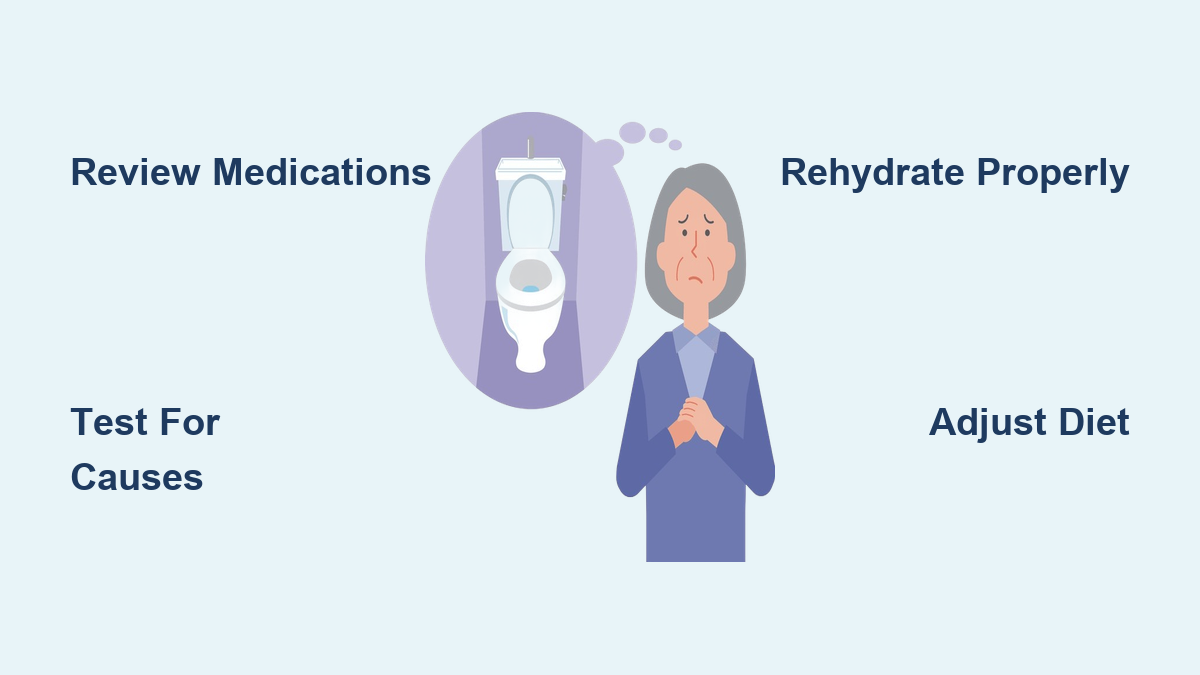
Chronic diarrhea in the elderly is more than just an inconvenience. It can signal a serious underlying condition and lead to dangerous complications like dehydration, malnutrition, and falls. Defined as loose, watery stools lasting longer than three to four weeks, chronic diarrhea is not a normal part of aging. Yet it is often overlooked or dismissed by both patients and caregivers. The truth is, most cases can be effectively managed or resolved with the right approach.
Older adults are especially vulnerable due to age-related changes in digestion, immune function, and medication use. Common culprits include antibiotics, proton pump inhibitors, lactose intolerance, and conditions like microscopic colitis or bile acid malabsorption. This guide provides a clear, step-by-step plan to identify causes, stop symptoms, and restore digestive health in seniors using evidence-based strategies.
Identify the Underlying Cause
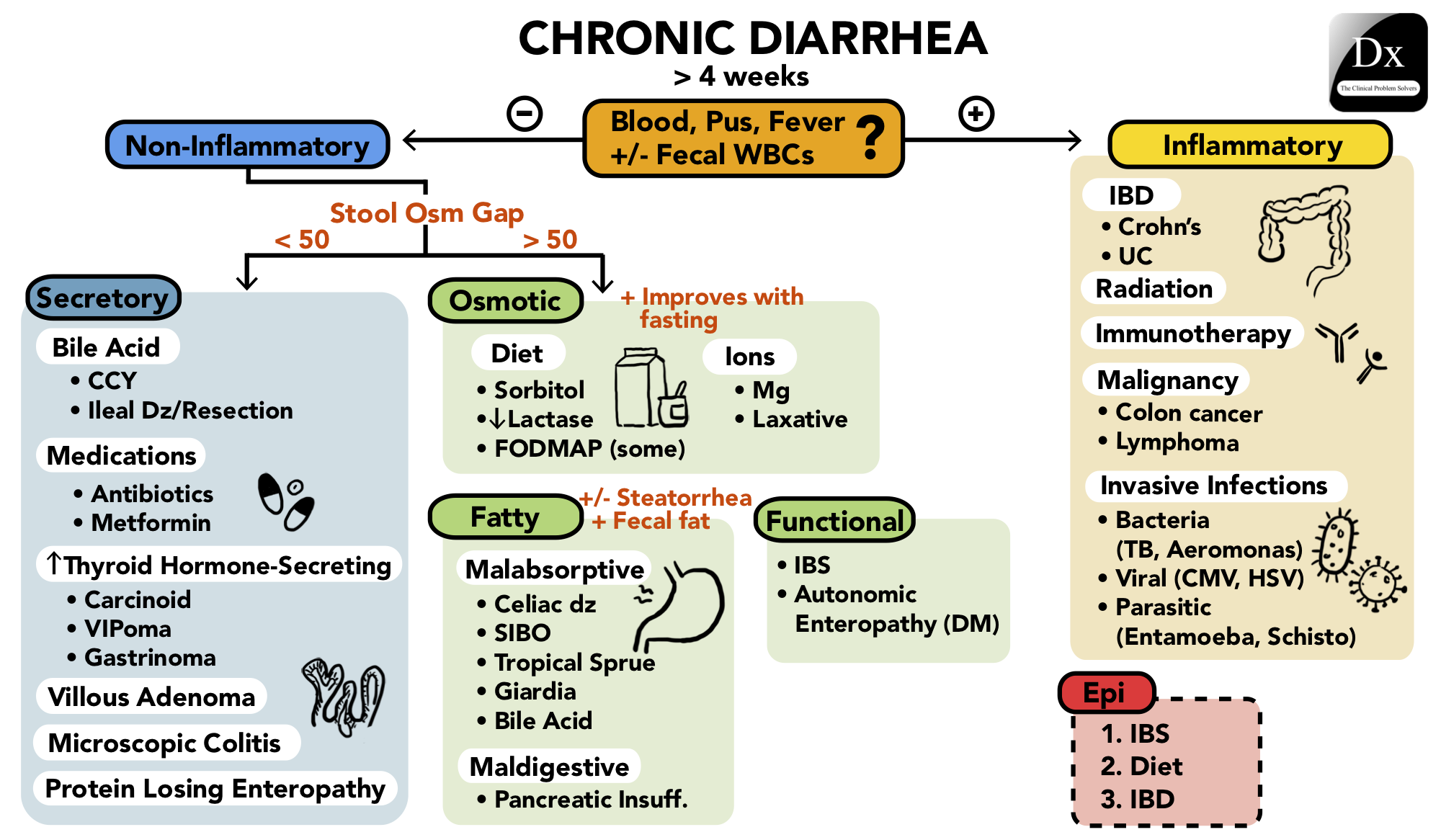
Before treating symptoms, it is essential to determine why diarrhea persists. Treating blindly with anti-diarrheal drugs without diagnosis can mask serious conditions like infections or inflammatory bowel disease.
Rule Out Medication-Induced Diarrhea
Many medications commonly prescribed to older adults disrupt gut function. A full medication review with a doctor or pharmacist is often the first and most critical step.
Medications that commonly cause diarrhea include:
- Antibiotics such as amoxicillin and clindamycin can trigger C. diff infection
- Proton pump inhibitors like omeprazole increase risk of bacterial overgrowth and C. diff
- NSAIDs including ibuprofen and naproxen are linked to microscopic colitis
- Metformin causes osmotic diarrhea in up to 30% of users
- Magnesium-containing antacids or laxatives draw water into the colon
Action Step: Review all medications with a doctor or pharmacist. Replace or discontinue non-essential drugs causing diarrhea.
Evaluate Dietary Triggers
Food sensitivities become more common with age. Key offenders to consider include:
- Lactose in milk, cheese, and yogurt because lactase enzyme production declines with age
- Artificial sweeteners like sorbitol and xylitol found in sugar-free gum and diet foods
- Caffeine and alcohol which stimulate bowel motility
- High-fat or spicy foods that may worsen gut irritation
Action Step: Try an elimination diet under dietitian guidance. Remove one suspect food at a time for one to two weeks and monitor symptoms.
Test for Medical Conditions
Several diseases commonly cause chronic diarrhea in seniors. A proper diagnosis is essential for effective treatment.
| Condition | Key Signs | How It Is Diagnosed |
|---|---|---|
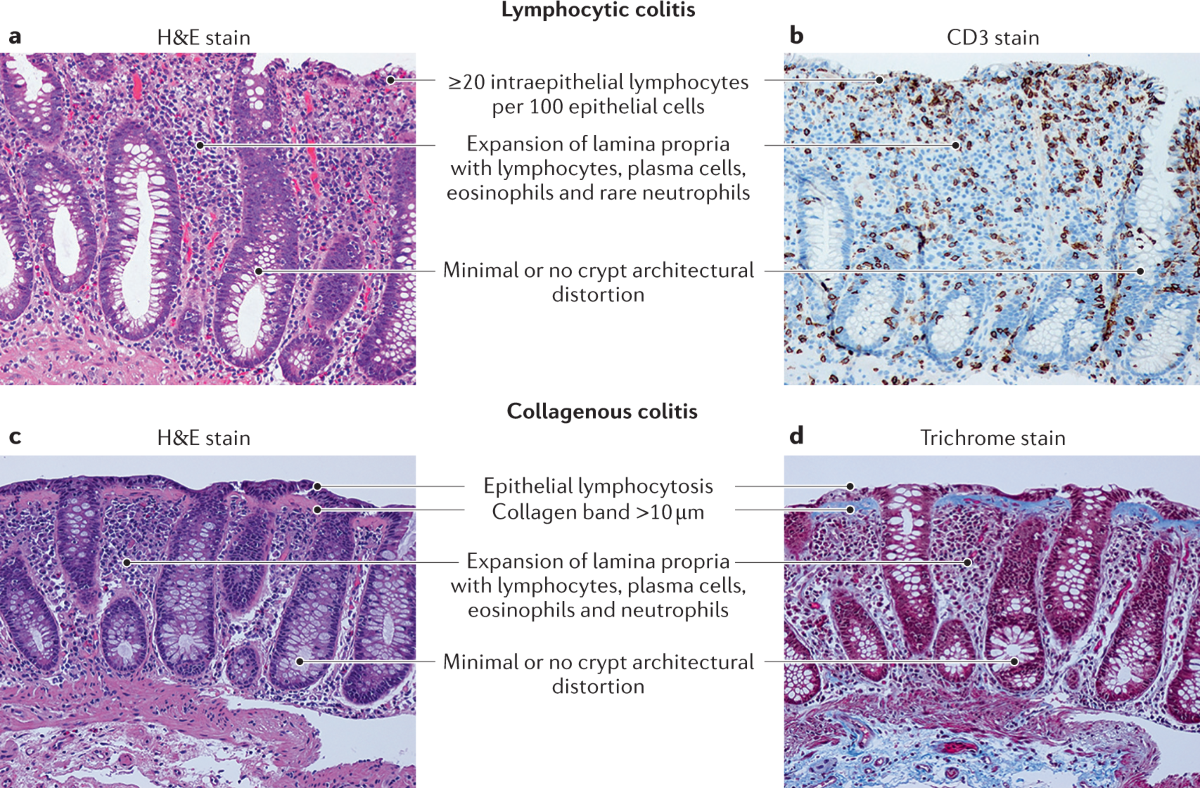
| Microscopic colitis | Watery diarrhea especially at night; common in women over 60 | Colonoscopy with biopsies |
| Bile acid malabsorption | Sudden urgency, frequent loose stools after meals | Trial of cholestyramine or SeHCAT scan |
| Pancreatic insufficiency | Fatty, foul-smelling, floating stools | Fecal elastase test |
| C. diff infection | Recent antibiotic use, watery diarrhea, fever | Stool PCR or toxin test |
| Celiac disease | Diarrhea, weight loss, anemia | Blood tests plus biopsy |
| SIBO | Bloating, gas, diarrhea | Hydrogen breath test |
Red Flag Warning: Blood in stool, fever, severe pain, or weight loss require immediate medical evaluation.
Start with Immediate Relief Steps
While diagnosing the root cause, you can begin safe, supportive measures to reduce symptoms and prevent complications.
Rehydrate Effectively
Elderly individuals often do not feel thirsty, making dehydration a silent danger. Seniors should drink eight to ten cups or 2 to 2.5 liters of fluid daily.
Best fluids for rehydration include:
- Oral rehydration solutions such as Pedialyte or DripDrop
- Broth or soups
- Herbal teas
- Banana smoothies which provide natural potassium
Avoid plain water alone because it does not replace lost electrolytes.
Pro Tip: Use a marked water bottle to track intake if the person forgets to drink.
Use Soluble Fiber to Firm Stools
Unlike insoluble fiber such as bran, soluble fiber absorbs water and improves stool consistency.
Safe sources of soluble fiber include:
- Oats
- Bananas
- Applesauce
- Psyllium husk (start with half a teaspoon daily)
- Partially hydrolyzed guar gum which is gentler and better tolerated
Increase fiber slowly and with plenty of fluids to avoid bloating.
Try Targeted Probiotics
Not all probiotics help diarrhea. Choose strains with proven benefits.
- Lactobacillus rhamnosus GG reduces antibiotic-associated diarrhea
- Saccharomyces boulardii prevents C. diff recurrence
Start with low doses and monitor for gas or discomfort.
Apply Cause-Specific Treatments
Once a diagnosis is made or strongly suspected, targeted therapies can stop diarrhea quickly.
Treat Microscopic Colitis
This condition affects up to 10% of elderly patients with chronic watery diarrhea.
First-line treatment is budesonide 9 mg once daily for six to eight weeks. This works in 70 to 80% of cases and has fewer side effects than prednisone because it has minimal systemic absorption. Taper slowly to prevent recurrence. Avoid NSAIDs and PPIs if possible.
Recurrence is common, so consider maintenance therapy under medical supervision.
Manage Bile Acid Malabsorption
Bile acid malabsorption is common after gallbladder removal or in unexplained diarrhea.
Treatment involves cholestyramine 4 g once or twice daily before meals. This binds excess bile acids in the gut and often improves symptoms within days. Alternatives include colestipol or colesevelam. Side effects include constipation and bloating, so start low and titrate up.
Rapid response to cholestyramine confirms the diagnosis.
Replace Pancreatic Enzymes for Steatorrhea
If stools are greasy, foul-smelling, and float, pancreatic insufficiency may be the cause.
Treatment is pancreatic enzyme replacement therapy taken with every meal and snack. Dose is adjusted based on fat content. This improves fat absorption and reduces diarrhea within days.
Confirm diagnosis with a fecal elastase test. Levels below 100 indicate severe insufficiency.
Clear SIBO and Infections
Overgrowth or infection requires specific antimicrobial treatment.
| Condition | Treatment |
|---|---|
| SIBO | Rifaximin 550 mg three times daily for 14 days |
| C. diff | Vancomycin 125 mg four times daily for 10 days |
| Giardia | Metronidazole or tinidazole |
For recurrent C. diff, fecal microbiota transplantation has over 90% success rate.
Adjust Diet for Long-Term Control

Diet plays a central role in managing chronic diarrhea, especially in functional conditions like IBS-D.
Try the Low-FODMAP Diet Temporarily
FODMAPs are fermentable carbohydrates that cause gas, bloating, and diarrhea in sensitive individuals.
During the elimination phase lasting four to six weeks, remove high-FODMAP foods such as:
- Onions and garlic
- Apples and pears
- Wheat and rye
- Legumes
- Dairy if lactose intolerant
During the reintroduction phase, gradually add foods back to identify triggers.
This diet is best done with a registered dietitian to avoid nutritional gaps.
Limit Lactose if Intolerant
Lactose intolerance affects 60 to 70% of older adults.
Test by eliminating dairy for two weeks. If symptoms improve, lactose is likely the culprit. Alternatives include lactose-free milk, hard cheeses, and yogurt with live cultures. Enzyme supplements such as lactase tablets can be taken before dairy meals.
Avoid Common Irritants
Even without a specific diagnosis, these items often worsen diarrhea:
- Coffee even decaf
- Alcohol
- Artificial sweeteners found in gum, mints, and sugar-free products
- Spicy or greasy foods
Replace with soothing options like white rice, toast, boiled potatoes, and lean chicken.
Prevent Complications and Relapses
Stopping diarrhea is not enough. You must protect overall health and prevent setbacks.
Monitor for Dehydration
Seniors may not show classic signs until dehydration is severe.
Check for these warning signs:
- Dry mouth
- Dark urine or low output
- Dizziness when standing
- Confusion or fatigue
- Rapid heart rate
Perform an orthostatic blood pressure test. A drop of 20 mmHg or more in systolic blood pressure when standing indicates dehydration.
Prevent Malnutrition
Chronic diarrhea impairs nutrient absorption.
Check levels of B12, vitamin D, iron, folate, and albumin. Supplement as needed:
- Vitamin B12 especially if low stomach acid or on PPIs
- Calcium and vitamin D if fat malabsorption is present
- Oral nutrition shakes like Ensure or Boost if weight loss occurs
Offer small, frequent meals five to six per day. They are easier to digest.
Protect Skin and Dignity
Frequent bowel movements can damage perianal skin.
Clean gently with water or fragrance-free wipes. Apply barrier cream such as zinc oxide or petroleum jelly. Use absorbent pads if incontinence occurs. Schedule bathroom visits to reduce accidents.
Maintain privacy and emotional support because diarrhea can lead to social isolation.
Know When to Seek Medical Help
Some symptoms mean it is time to see a doctor immediately.
Seek Care Now If
- Blood or mucus appears in stool
- Fever exceeds 100.4 degrees Fahrenheit
- Severe abdominal pain or distension occurs
- Signs of dehydration appear including confusion, dizziness, or low urine
- Unintentional weight loss occurs
- Diarrhea lasts more than three to four weeks despite home care
In-home care services like DispatchHealth bring urgent care to the home, which is ideal for frail or homebound seniors.
Optimize Long-Term Gut Health
Even after symptoms resolve, ongoing care prevents recurrence.
Schedule Follow-Up Visits
Recheck symptoms four to six weeks after starting treatment. Repeat stool or blood tests if needed. Adjust medications based on response.
Support Gut Microbiome
A healthy gut flora supports digestion and immunity.
Continue probiotics if beneficial. Eat prebiotic foods like bananas, oats, and asparagus that feed good bacteria. Avoid unnecessary antibiotics.
Educate Caregivers
Family and aides play a key role in daily management.
Teach them to recognize early warning signs. Share a symptom diary template. Provide a list of trigger foods and safe alternatives.
Example diary entry should track stool frequency, consistency, food intake, and medications daily.
Frequently Asked Questions About Chronic Diarrhea in Elderly
What is considered chronic diarrhea in elderly individuals?
Chronic diarrhea is defined as loose, watery stools lasting more than three to four weeks. It involves passing three or more stools per day with a noticeable change from the individual’s usual bowel pattern.
Why are older adults more prone to chronic diarrhea?
Older adults face increased vulnerability due to age-related changes in digestion, reduced immune function, and higher medication use. Polypharmacy, decreased thirst sensation, and slower intestinal motility all contribute to higher risk.
Can medications cause chronic diarrhea in seniors?
Yes, many medications commonly prescribed to older adults can cause chronic diarrhea. These include antibiotics, proton pump inhibitors, NSAIDs, metformin, and magnesium-containing antacids or laxatives. A medication review with a doctor or pharmacist is essential.
What are the most serious complications of untreated chronic diarrhea?
The most serious complications include dehydration, electrolyte imbalances, malnutrition, kidney stress, and increased fall risk due to dizziness. Skin breakdown and social isolation are also significant concerns.
How is chronic diarrhea diagnosed in elderly patients?
Diagnosis involves a detailed history, physical examination, laboratory tests including blood work and stool studies, and potentially colonoscopy with biopsies or other imaging. Identifying the underlying cause is critical for effective treatment.
When should I take an elderly person with diarrhea to the doctor?
Seek medical attention immediately if there is blood in the stool, fever, severe abdominal pain, signs of dehydration, or if diarrhea persists beyond three to four weeks despite home care measures.
Key Takeaways for Stopping Chronic Diarrhea in Elderly
Chronic diarrhea in the elderly is treatable, not inevitable. By identifying the cause whether it is medication, diet, or disease and applying targeted strategies, most seniors can regain control of their digestive health.
Start with a thorough medical evaluation to rule out serious conditions. Review all medications with a healthcare provider. Eliminate dietary triggers like lactose and artificial sweeteners. Rehydrate using oral rehydration solutions rather than plain water alone.
Use evidence-based treatments specific to the diagnosis. Budesonide works for microscopic colitis, cholestyramine treats bile acid malabsorption, and pancreatic enzymes replace missing digestive secretions. Support gut health with appropriate probiotics and soluble fiber.
Monitor closely for dehydration, malnutrition, and skin breakdown. Caregivers play an essential role in daily management and early intervention.
With the right support, older adults can live comfortably, confidently, and independently without fear of the next bathroom run.