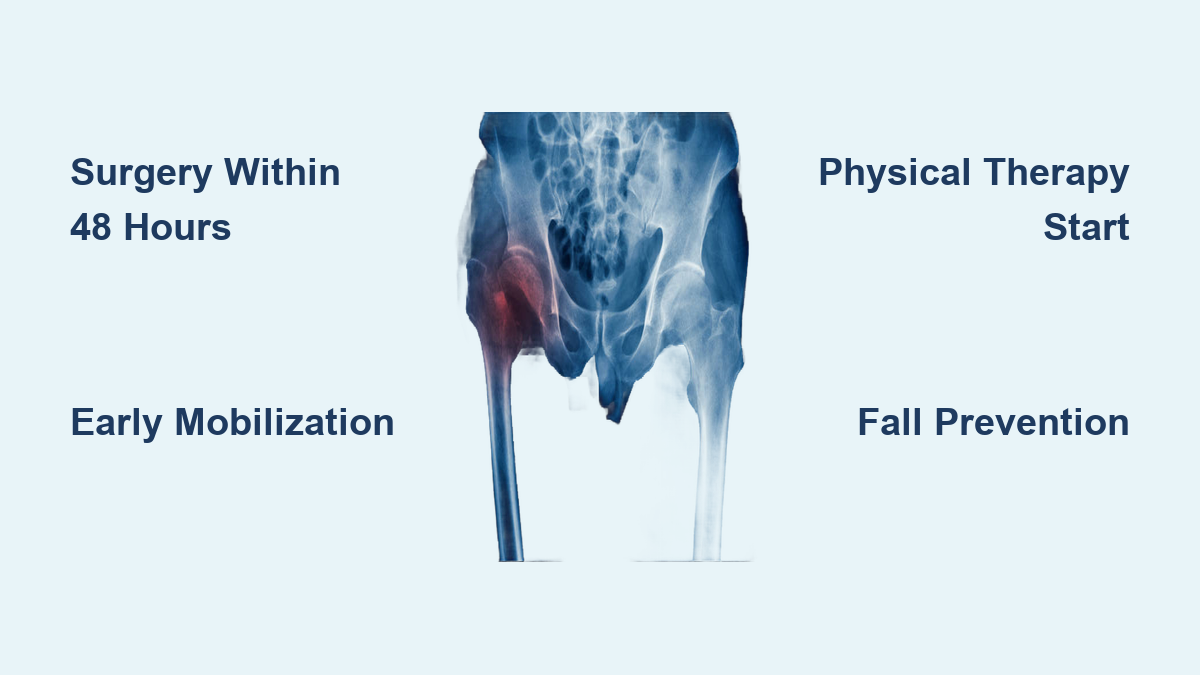
A hip fracture in the elderly is a life-changing injury that demands immediate action, expert care, and long-term planning. Over 300,000 adults aged 65 and older are hospitalized each year in the U.S. due to hip fractures, most often caused by falls or minor trauma in weakened bones. With osteoporosis affecting bone strength and balance issues increasing fall risk, treating a hip fracture is not just about surgery. It is about restoring mobility, preventing complications, and preserving independence. Delayed treatment raises the risk of pneumonia, blood clots, and even death.
This guide breaks down how to treat hip fracture in elderly patients, from emergency response and surgical repair to recovery, prevention, and long-term care. You will learn what to expect, how to support healing, and what steps can prevent future fractures.
Recognize Hip Fracture Symptoms in Seniors
Watch for Key Warning Signs
When a senior falls, suspect a hip fracture even if pain seems mild. Common signs include severe pain in the hip or groin area that worsens with movement, inability to stand or walk after a fall, and a shortened or externally rotated leg on the injured side. Bruising and swelling around the hip and pain radiating to the knee or lower back are also common indicators.
Some older adults may not report intense pain, especially those with dementia or nerve damage. Instead, they may suddenly stop walking or become confused, which are signs of injury or delirium triggered by trauma.
Act Immediately: Emergency Response
If you suspect a hip fracture, call 911 right away and do not move the person unless they are in danger. Keep them warm and calm, and support the leg in its current position. Moving someone with a fractured hip can worsen the injury or damage blood vessels like the femoral artery. Emergency medical teams are trained to stabilize and transport safely.
Diagnose Hip Fracture With Imaging Tests
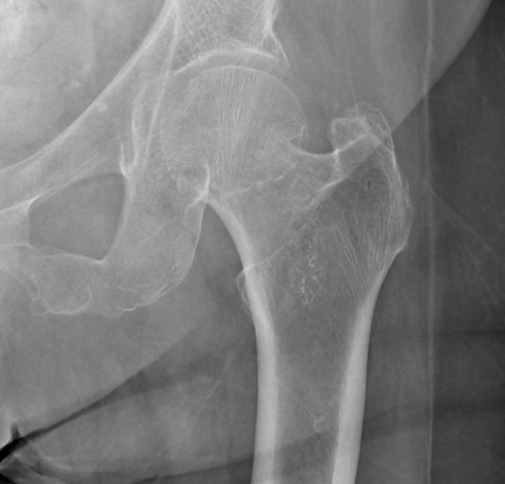
Use X-Ray First
Diagnosis starts with a physical exam and imaging. An X-ray is usually the first test, and it confirms most fractures while showing the type and location. Doctors look for breaks in the femoral neck or intertrochanteric region.
Order MRI for Hidden Fractures
If the X-ray is normal but pain persists, especially with an inability to bear weight, an MRI is the next step. It detects stress fractures or non-displaced breaks that X-rays miss. CT scans may be used when complex fracture patterns are suspected.
Test Bone Density After Injury
Once the patient is stable, all elderly patients should get a DEXA scan to check for osteoporosis. A hip fracture is often the first sign of weakened bones and a wake-up call for long-term bone health.
Select the Best Surgical Treatment for Hip Fracture
Fix or Replace: Two Main Options
Surgery is needed in nearly all cases. The choice depends on fracture type, age, activity level, and overall health. The two primary surgical approaches are open reduction and internal fixation or hip replacement.
Use ORIF for Stable Fractures
Open reduction and internal fixation is used mainly for intertrochanteric fractures, which are breaks between the bony trochanters. The surgeon realigns the bone and secures it with screws and side plates or intramedullary nails. This method preserves the natural joint and works best when blood flow to the femoral head is intact.
Opt for Hip Replacement in Displaced Breaks
For displaced femoral neck fractures, especially in active seniors, hip replacement is often better. Hemiarthroplasty replaces only the femoral head and is used for less active or cognitively impaired patients. Total hip replacement replaces both the ball and socket and is best for healthier, mobile seniors who want to return to walking and daily activities. Total hip replacement leads to better long-term function and fewer repeat surgeries.
Operate Within 48 Hours
Delaying surgery increases risks of bedsores, infections, delirium, and death. Studies show that surgery within 24 to 48 hours improves survival and recovery. Pre-op tests like blood work or heart monitoring should speed up, not delay, treatment.
Begin Post-Surgery Recovery and Mobilization

Mobilize Within 24 Hours
Early movement is critical. Most patients sit up and stand with help within one day of surgery. Physical therapists assist with first steps using walkers or crutches. Early mobilization reduces risk of blood clots, prevents pneumonia from lying too long, slows muscle loss and joint stiffness, and lowers chance of delirium.
Manage Pain Without Over-Sedation
Use multimodal pain control including acetaminophen, NSAIDs if safe, and short-term opioids as needed. Avoid heavy sedation, which increases fall and confusion risk. Nerve blocks or spinal anesthesia during surgery also help reduce post-op pain.
Prevent Blood Clots and Infections
All patients get thromboprophylaxis, either blood thinners like enoxaparin, compression stockings, or pneumatic devices that squeeze the legs. Antibiotics are given before and after surgery to prevent wound infections. Nurses monitor incision sites daily for redness, swelling, or drainage.
Rehabilitate With Physical and Occupational Therapy
Start Physical Therapy in the Hospital
Physical therapy begins in the hospital and continues for weeks or months. Goals include regaining strength in hip and leg muscles, improving balance and coordination, learning safe ways to stand, walk, and climb stairs, and using assistive devices properly. Therapists tailor programs based on surgery type and pre-injury mobility.
Add Occupational Therapy for Daily Living
Occupational therapy teaches how to dress, bathe, and use the toilet safely, how to use grab bars and shower benches, and how to adapt routines to protect the new hip. Occupational therapists also assess home safety and recommend modifications before discharge.
Continue Therapy After Discharge
Many patients go to skilled nursing facilities for two to six weeks of intensive rehab, inpatient rehab centers for higher-level therapy, or home health services with visiting therapists. Outpatient physical therapy may follow once mobility improves.
Plan Safe Discharge and Post-Hospital Care
Choose the Right Post-Hospital Setting
Discharge options depend on function and support available. Home with help is best for those who can walk and have family or aides. Skilled nursing facilities or rehab centers are for patients needing daily therapy and nursing. Assisted living provides ongoing help with daily tasks, and nursing home care is needed if long-term care is required. Only about 25% of seniors return directly home after surgery.
Meet Discharge Readiness Criteria
Patients should be able to transfer safely from bed to chair, walk with assistance, follow instructions, and manage medications or have help. Home health nurses often visit to check wounds, give injections, and supervise therapy.
Prevent Future Hip Fractures With Bone Health
Strengthen Bones With Nutrition
Bone health is critical after a fracture. Calcium intake should be 1,000 to 1,200 mg daily from food or supplements, and vitamin D should be 800 to 1,000 IU daily to aid calcium absorption. Protein supports muscle mass and healing. Consider supplements if diet is lacking.
Treat Osteoporosis Immediately
A hip fracture means high fracture risk, so osteoporosis treatment should start unless contraindicated. Options include bisphosphonates like alendronate, denosumab injection every six months, teriparatide daily injection that builds bone, and hormone therapy in select women. A DEXA scan guides treatment decisions.
Reduce Fall Risk at Home With Simple Modifications
Remove Tripping Hazards
Simple changes prevent falls. Clear clutter and loose rugs, secure electrical cords, avoid step stools, and keep frequently used items within reach.
Improve Lighting and Bath Safety
Add nightlights in hallways and bedrooms, install grab bars in showers and near toilets, and use non-slip mats in bathtubs and kitchens. Poor lighting and wet floors cause many falls.
Wear Supportive Shoes
Avoid slippers or socks without grip. Choose low-heeled, non-slip footwear even indoors.
Build Strength and Balance to Avoid Falls
Try Tai Chi or Balance Training
Balance exercises reduce fall risk by up to 40 percent. Programs like Tai Chi improve stability, coordination, and confidence.
Build Leg Strength
Strength training helps seniors stand, walk, and recover faster. Focus on quadriceps, hamstrings, glutes, and core muscles. Start with seated exercises if needed. A physical therapist can design a safe routine.
Walk Daily
Weight-bearing activity like walking strengthens bones and muscles. Aim for 20 to 30 minutes most days, with support if necessary.
Review Medications That Increase Fall Risk
Cut High-Risk Drugs
Some medications increase fall risk. These include benzodiazepines like lorazepam, antipsychotics, sedatives, and blood pressure drugs that cause dizziness. Work with a doctor to reduce or stop unnecessary medications.
Check Vision and Hearing
Undiagnosed vision or hearing loss affects balance. Get annual eye exams and hearing tests if balance issues exist. Update glasses prescriptions and clean lenses regularly.
Support Long-Term Independence After Hip Fracture
Use Assistive Devices Correctly
Canes and walkers help, but only if used right. An occupational therapist can fit devices to the correct height, teach safe walking techniques, and check for proper use at home.
Explore Living Arrangements
For those who cannot live alone, independent living communities suit active seniors. Assisted living provides help for bathing, meals, and medications. In-home care offers companionship or skilled nursing. Skilled nursing facilities provide care for medical complexity. Choose based on safety, needs, and preferences.
Understand Hip Fracture Recovery Timeline and Outcomes
Expect a 3 to 6 Month Recovery
Most progress happens in the first three months, but full recovery can take up to a year. Many never return to pre-fracture function. Key milestones include beginning to walk with aid in one to two weeks, resuming light activities in six to eight weeks, returning to daily routines in three to six months, and reaching final level of independence at 12 months.
Know the Risks
Hip fractures carry serious risks. About 20 percent die within one year, 50 percent regain independent walking, 25 percent return to full pre-injury function, and up to 50 percent need long-term care. Complications include pneumonia, urinary tract infections, bedsores, delirium, and refracture. Early surgery and rehabilitation improve odds.
Frequently Asked Questions About Hip Fracture in Elderly
What Is the Fastest Way to Treat a Hip Fracture in the Elderly?
The fastest effective treatment is calling 911 immediately, then proceeding to the hospital for diagnosis and surgery within 24 to 48 hours. Early surgery followed by rapid mobilization provides the best outcomes.
How Long Does It Take an Elderly Person to Recover From Hip Fracture Surgery?
Most patients achieve significant functional recovery in three to six months, but full recovery can take up to a year. Recovery time depends on age, overall health, pre-injury mobility, and adherence to rehabilitation.
What Is the Best Surgery for Elderly Hip Fracture?
The best surgery depends on fracture type. For displaced femoral neck fractures, hip replacement is typically best. For intertrochanteric fractures, open reduction and internal fixation is usually preferred. The orthopedic surgeon determines the best option based on individual circumstances.
Can an Elderly Person Walk After a Hip Fracture Without Surgery?
Surgery is required in nearly all cases. Non-surgical treatment is only considered for patients who are too medically unstable to tolerate anesthesia, and even then, it carries significant risks from prolonged immobility.
How Can I Prevent My Elderly Parent From Falling and Breaking a Hip?
Prevent falls by removing home hazards, improving lighting, installing grab bars, ensuring proper footwear, treating osteoporosis, reviewing medications, and encouraging regular balance and strength exercises. Schedule annual vision and hearing checkups.
What Is the Survival Rate After Hip Fracture in the Elderly?
The one-year mortality rate after hip fracture is approximately 20 percent. This is why prevention, early treatment, and comprehensive rehabilitation are so important for improving outcomes.
Key Takeaways for Treating Hip Fracture in Elderly
Treating hip fracture in elderly patients goes beyond the operating room. It requires fast diagnosis, timely surgery, aggressive rehabilitation, and lifelong prevention. The most critical factors are surgery within 24 to 48 hours, early mobilization to prevent complications, and comprehensive physical therapy to restore function. Families, caregivers, and healthcare teams must work together to support recovery and reduce future risks. With the right care, many seniors can walk again, live at home, and enjoy a good quality of life. The key is acting fast, staying consistent, and never underestimating the power of prevention.