
Your once-bouncy Beagle now takes longer to rise after naps, shows a few gray hairs around the muzzle, and seems less eager for long walks. You wonder if your loyal companion has entered the golden years. The answer lies not just in numbers, but in biology, breed traits, and individual health. A Beagle is typically considered a senior at 8 to 9 years old, though some may show aging signs as early as 7 or remain spry past 10.
Understanding when your Beagle becomes a senior is crucial for maintaining their health and happiness. This guide breaks down the exact age thresholds, physical and behavioral signs of aging, and essential care strategies to help your Beagle thrive in their later years.
Senior Age Thresholds for Beagles
While every dog ages differently, specific benchmarks help identify when a Beagle transitions into senior status. These thresholds are based on breed size, lifespan data, and veterinary guidelines.
Age 7: Start Senior Monitoring
At 7 years, your Beagle may still seem youthful, but this is the ideal time to begin preventive senior care. Veterinarians recommend starting annual or biannual wellness exams, including bloodwork and urinalysis, to establish baseline health metrics. Even if your Beagle shows no visible signs of aging, internal changes may already be underway.
Age 8 to 9: Official Senior Status
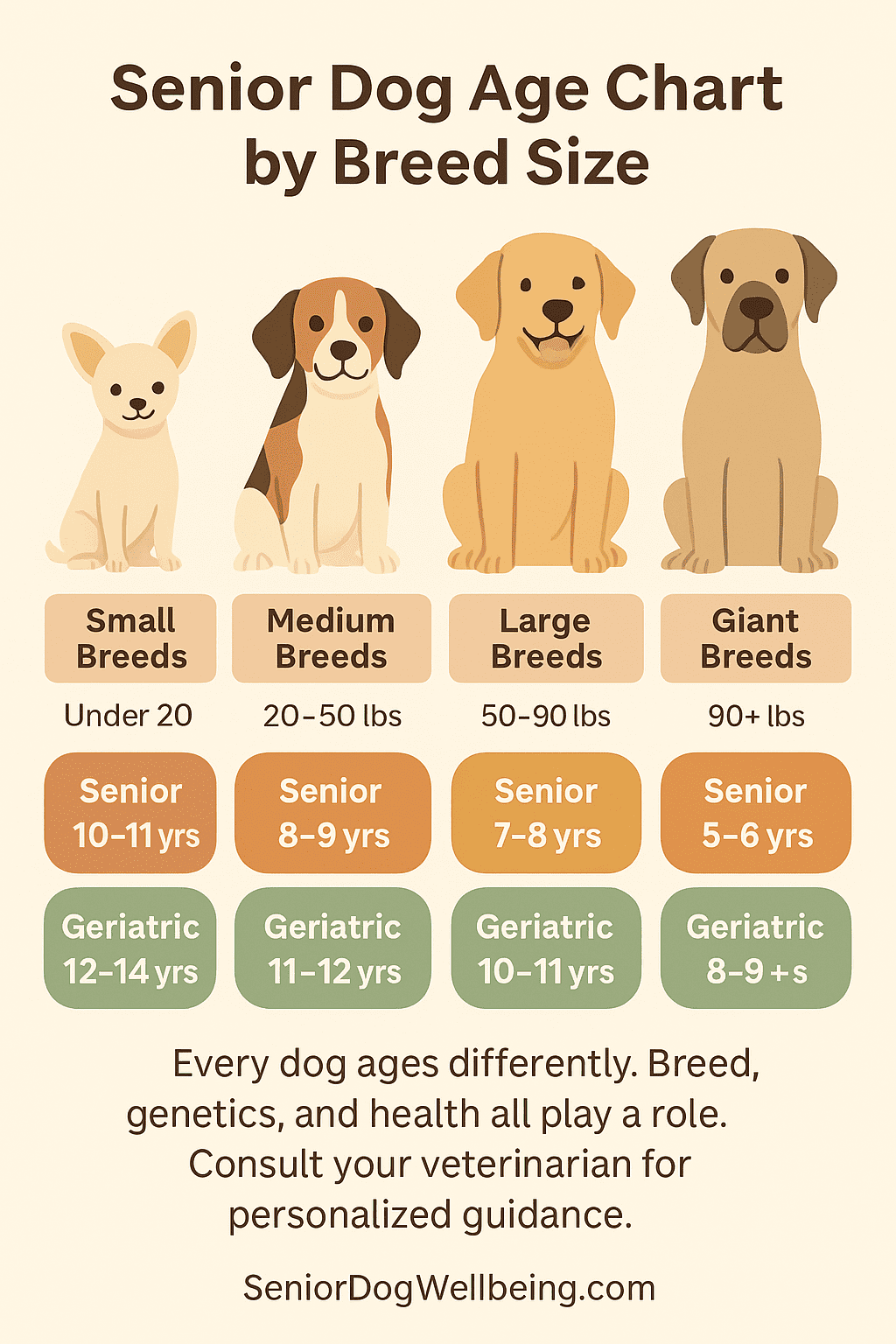
Most experts agree that 8 to 9 years is when a Beagle is officially considered a senior. This aligns with the medium-breed aging model, which classifies dogs weighing 20 to 50 lbs as seniors at 8 to 9 years. Since Beagles typically fall within this range, the timeline fits perfectly.
Age 10 and Beyond: Advanced Senior Phase
By 10 years, your Beagle is in advanced senior territory. While some remain active and healthy, others may show significant aging signs. This stage requires increased monitoring, more frequent vet visits, and potential adjustments to diet and daily routines.
Size and Lifespan-Based Aging Models
A Beagles are classified as medium-sized dogs, and aging varies significantly by size. Smaller breeds tend to live longer and age later, while larger breeds age faster.
Medium Breed Aging Timeline
The standard model for medium-sized dogs includes:
- Small breeds under 20 lbs: Senior at 10 to 12 years
- Medium breeds 20 to 50 lbs: Senior at 8 to 9 years
- Large breeds 50 to 90 lbs: Senior at 6 to 7 years
- Giant breeds over 90 lbs: Senior at 5 to 6 years
Since Beagles average 20 to 30 lbs, they follow the medium-breed timeline, making 8 to 9 years the standard senior threshold.
Life Expectancy Calculation
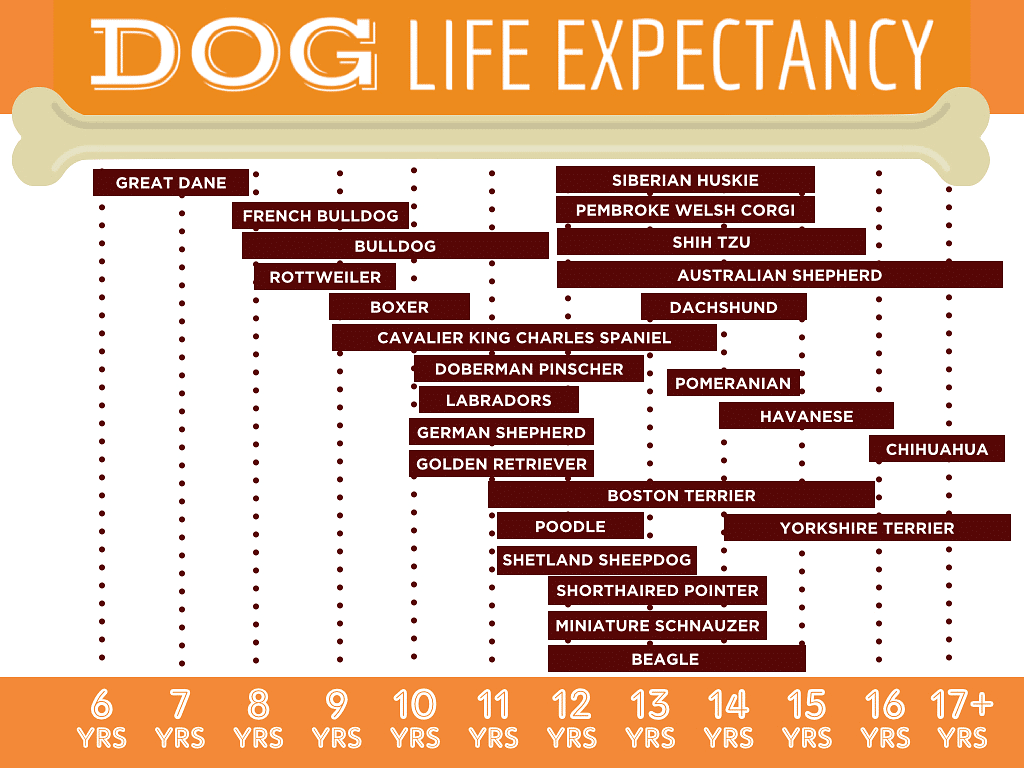
A 2010 study found the average Beagle lifespan is 12.67 years. Using the 75 percent rule, which defines senior years as the last quarter of a dog is expected life:
- 12.67 multiplied by 0.75 equals approximately 9.5 years
This means a Beagle enters its senior years around 9.5 years of age, supporting the 8 to 10 year range.
Physical Signs a Beagle Is Aging
Gray Hair and Coat Changes
One of the first visible signs of aging is graying around the muzzle, eyes, and paws. This usually starts between 7 and 9 years. The coat may also become dull, dry, or thin, signaling reduced skin oil production.
What to do:
- Supplement with omega-3 fatty acids to support skin and coat health
- Brush regularly to prevent matting and improve circulation
- Monitor for bald patches or flakiness, which could indicate underlying conditions
Weight Fluctuations
Senior Beagles often experience weight changes due to slowed metabolism and reduced activity. Weight gain is common and increases stress on joints and organs. Unexplained weight loss may signal serious issues like kidney disease, diabetes, or cancer.
Action step:
- Use body condition scoring to assess weight
- You should be able to feel ribs with light pressure but not see them
- Adjust food portions and consult your vet if weight shifts suddenly
Dental Disease
By age 8, most Beagles show some form of dental disease, including tartar buildup, gum inflammation, or tooth loss. Left untreated, bacteria can spread to the heart, liver, and kidneys.
Signs to watch for:
- Bad breath
- Difficulty chewing
- Drooling or pawing at the mouth
Prevention strategies:
- Brush teeth daily with dog-safe toothpaste
- Offer dental chews and vet-approved water additives
- Schedule professional cleanings as recommended
Sensory and Mobility Changes
Hearing Loss
Hearing decline often begins around 8 to 10 years. Your Beagle may stop responding to their name, seem startled when approached, or bark more due to confusion.
Adaptation strategies:
- Train with hand signals early
- Use light cues like flashing a flashlight to get attention
- Avoid startling them by always approaching from the front
Vision Changes
Common eye issues in senior Beagles include:
- Nuclear sclerosis: A bluish haze in the lens that is normal with age and does not severely impair vision
- Cataracts: Cloudy or white appearance that can cause blindness and may require surgery
- Glaucoma: Increased eye pressure that is a medical emergency with signs including redness, squinting, and pain
What to do:
- Schedule annual eye exams
- If your Beagle bumps into furniture or hesitates in dim light, have their vision checked
Joint Stiffness and Arthritis
Arthritis is common in senior Beagles. Signs include difficulty rising after rest, limping or favoring a leg, and reluctance to jump or climb stairs.
Management options:
- Supplements like glucosamine, chondroitin, green-lipped mussel, and omega-3s
- Medications like NSAIDs under veterinary supervision
- Therapies including laser treatment, acupuncture, and underwater treadmill
- Home support with orthopedic beds, non-slip rugs, and dog ramps
Cognitive and Behavioral Shifts
Canine Cognitive Dysfunction
Also known as dog dementia, CCD affects up to 60 percent of dogs over 11. Symptoms include disorientation like getting stuck in corners, altered sleep cycles with pacing at night, house soiling despite prior training, and reduced interaction or increased anxiety.
What helps:
- MCT oil and antioxidant-rich diets
- Consistent routines to reduce confusion
- Night lights to help navigation in the dark
Increased Vocalization and Anxiety
Older Beagles may bark more, especially at night, due to confusion, hearing loss, or discomfort. Noise phobias and separation anxiety can also worsen.
Tips:
- Rule out pain or medical causes first
- Use calming aids like pheromone diffusers or anxiety wraps
- Maintain a predictable schedule to reduce stress
Veterinary Care for Senior Beagles
When to Start Senior Screenings
Age 7 is when you should begin annual senior wellness exams with bloodwork. Age 8 and older requires switching to biannual vet visits for early disease detection. Twice-yearly checkups are critical because dogs age faster than humans.
Essential Senior Wellness Tests
A comprehensive geriatric panel includes:
- CBC and chemistry panel: Checks liver, kidneys, blood sugar, and organ function
- Urinalysis: Detects early kidney disease or urinary tract infections
- Heartworm and fecal test: Ensures prevention is working
- X-rays: Evaluates joints, heart size, and spinal health
- Blood titre testing: Avoids over-vaccination by measuring existing immunity
Common Health Concerns in Senior Beagles

Kidney Disease
Signs include increased thirst, frequent urination, weight loss, and vomiting. Diagnosis involves elevated BUN and creatinine in bloodwork. Management includes prescription renal diets, subcutaneous fluids, and blood pressure control.
Heart Disease
Mitral valve disease is common in medium breeds. Symptoms include nighttime coughing, exercise intolerance, and rapid breathing. Treatment involves medications like pimobendan, low-sodium diet, and regular monitoring.
Endocrine Disorders
Three common disorders affect senior Beagles:
- Hypothyroidism: Causes lethargy, weight gain, and hair loss. Treated with daily medication.
- Cushings Disease: Causes excessive drinking, pot-bellied appearance, and thin skin. Managed with trilostane.
- Diabetes: Causes increased thirst, urination, appetite, and weight loss. Requires insulin therapy.
Cancer
Beagles have average risk for cancers like lymphoma, mast cell tumors, and mammary tumors. Prevention includes spaying females early and neutering males. Action includes checking for lumps monthly and biopsied any growing or changing masses.
Nutrition and Weight Management
Senior Diet Needs
Switch to a senior-specific or prescription diet that offers:
- Lower calories to match reduced activity
- High-quality protein to maintain muscle
- Joint-support nutrients like glucosamine, chondroitin, and omega-3s
- Fiber to prevent constipation
- Moist food or broth to encourage hydration
Avoid over-treating. Use carrots or green beans as low-calorie alternatives.
Weight Monitoring Tips
- Weigh your Beagle monthly
- Use body condition scoring
- Consult your vet for breed-specific ideal weight, which is usually 20 to 30 lbs
Lifestyle and Environmental Adjustments
Exercise for Senior Beagles
Keep activity regular but low-impact:
- Shorter, more frequent walks two to three times daily
- Swimming, which is excellent for joints
- Gentle play and scent games
Avoid jumping, rough play, or long hikes on hard surfaces.
Mental Stimulation
Prevent cognitive decline with puzzle toys and treat-dispensing games, scent work like hiding treats for them to find, and basic training refreshers. Use hand signals to accommodate hearing loss.
Home Modifications
Make your home senior-friendly:
- Orthopedic beds in quiet, warm areas
- Non-slip rugs on hardwood or tile
- Night lights for disoriented dogs
- Doggie ramps for cars or furniture
- Consistent furniture layout to aid navigation
Proactive Care for Longevity
Follow these 10 tips to extend your Beagles healthspan:
- Start senior care at age 7, not when symptoms appear
- Switch to a senior diet with joint and organ support
- Maintain a healthy weight because obesity shortens lifespan
- Provide daily mental stimulation to delay dementia
- Use joint supplements early, not when stiffness appears
- Perform weekly health checks covering eyes, ears, mouth, and lumps
- Schedule biannual vet visits with bloodwork and urinalysis
- Continue parasite prevention for fleas, ticks, and heartworm
- Train with hand signals and light cues for sensory loss
- Partner with your vet to personalize care
Frequently Asked Questions About Senior Beagles
At what age is a Beagle considered a senior?
A Beagle is typically considered a senior at 8 to 9 years old. This aligns with the medium-breed aging model, where dogs weighing 20 to 50 lbs enter senior status at this age. Some Beagles may show aging signs as early as 7, while others remain spry past 10.
What is the average lifespan of a Beagle?
The average Beagle lifespan is 12.67 years according to a 2010 study. Using the 75 percent rule, which defines senior years as the last quarter of a dog is expected life, a Beagle becomes a senior at approximately 9.5 years.
What are the first signs of aging in Beagles?
The first visible signs often include graying around the muzzle, eyes, and paws, typically starting between 7 and 9 years. Other early signs are reduced stamina, increased napping, weight fluctuations, and subtle changes in mobility or hearing.
Should I change my Beagle is diet when they become a senior?
Yes, transitioning to a senior-specific diet is recommended. These diets provide lower calories to match reduced activity, high-quality protein to maintain muscle, and joint-support nutrients like glucosamine and omega-3s. Consult your vet for personalized recommendations.
How often should I take my senior Beagle to the vet?
Dogs age 8 to 9 times faster than humans, so biannual veterinary visits are recommended for dogs over 8 years old. This allows for early detection of conditions like kidney disease, diabetes, and heart disease before symptoms appear.
Key Takeaways for Understanding Your Senior Beagle
A Beagle is generally considered a senior at 8 to 9 years old, but proactive care should begin at age 7. The transition is gradual and should be guided by both age and observable health changes like gray hair, reduced activity, and sensory decline. Regular veterinary monitoring, proper nutrition, and environmental adaptations are essential to ensuring a high quality of life into the teens. With dedicated care, Beagles can enjoy happy, healthy senior years well into their teens, maintaining their signature charm and companionship.