
If you have noticed your Bichon Frise sleeping more, moving more carefully, or showing less enthusiasm for long play sessions, you might be asking yourself: when is a Bichon Frise considered a senior? The answer is straightforward. A Bichon Frise becomes a senior at approximately 9 years of age, which corresponds to roughly 52 human years using breed-specific aging calculations. This milestone marks the beginning of a new life stage that requires adjusted care, more frequent veterinary monitoring, and greater attention to changing health needs.
While some Bichons remain remarkably active well into their teens, age 9 is the biological turning point when metabolic processes begin to slow and age-related conditions become more likely. Many Bichons live to 14, 16, or even 18 years with excellent care, making early senior care interventions essential for catching potential problems before they develop into serious issues. This guide covers everything you need to know about recognizing senior status, understanding age-related health risks, and providing the best possible care for your aging companion.
Senior Age Threshold: When Your Bichon Becomes a Senior
At 9 years old, your Bichon Frise officially enters the senior life stage. This is not an arbitrary milestone but rather a biological threshold when physical and metabolic changes begin to accelerate.
Why Age 9 Matters for Bichon Frises
Physiological changes start becoming noticeable around this age. Metabolism naturally slows, muscle mass may gradually decrease, and joint wear becomes more pronounced. The risk of developing conditions such as diabetes, Cushing’s syndrome, and cognitive dysfunction increases significantly during this period.
Behavioral shifts often become apparent as well. You may notice your Bichon showing less enthusiasm for extended play, preferring more frequent naps, or appearing slightly confused in familiar surroundings. These changes, while subtle, signal that your dog’s body is entering a new phase that benefits from proactive health management.
Even if your Bichon appears youthful and energetic, age 9 is the ideal time to transition from annual veterinary visits to biannual checkups and begin incorporating geriatric screening into your care routine. Early detection of age-related conditions leads to better outcomes and longer quality of life.
Why 9 Years and Not Later
Some sources suggest that small breeds like Bichons do not become seniors until age 12. However, veterinary professionals and breed experts widely agree that 9 years represents the appropriate threshold for several important reasons. Waiting until age 12 could mean missing early signs of illness that are far easier to manage when caught sooner. A 9-year-old Bichon is comparable to a 52-year-old human, an age when preventive health measures become critically important in people.
Life Stage Breakdown: From Puppy to Senior
Understanding your Bichon’s life stage helps you provide appropriate care at every age. Each phase has distinct characteristics and care requirements.
Puppy Phase (Birth to 1 Year)
Your Bichon undergoes rapid physical and behavioral development during this phase. The first year is comparable to the first 15 years of human life. Puppies require growth-supporting nutrition, complete vaccination schedules, parasite prevention, and early training to establish good behaviors.
Young Adult (2 Years)
At approximately 24 human years, your Bichon has reached physical maturity. This phase is characterized by peak energy, established basic behaviors, and overall excellent health. Care focus should center on transitioning to adult food, reinforcing training, and establishing preventive health routines.
Adult Years (3 to 8 Years)
This is the longest life stage, equivalent to 28 to 48 human years. Your Bichon maintains stable energy levels and predictable routines during this period. Key care priorities include maintaining ideal weight to prevent obesity, scheduling annual veterinary examinations, practicing consistent dental hygiene, and providing balanced nutrition. This stage sets the foundation for healthy aging.
Senior Years (9 to 12 Years)
Your Bichon now enters the equivalent of 52 to 64 human years. Gradual changes become more apparent. You may notice stiffness after rest, reduced interest in jumping or climbing, minor hearing or vision changes, and increased sleeping. Care requirements expand significantly during this phase.
Essential senior care upgrades include:
• Scheduling biannual veterinary visits instead of annual ones
• Running blood and urine panels to establish baselines
• Adding joint supplements such as glucosamine and chondroitin
• Providing softer bedding and reducing access to stairs
• Monitoring for subtle behavioral or appetite changes
Many Bichons in this age range still enjoy daily walks and cuddles, just at a more relaxed pace.
Very Senior Years (13 Years and Older)
At approximately 68 human years and beyond, your Bichon requires enhanced comfort measures and more frequent medical evaluations. Energy levels drop noticeably, and risks for chronic conditions such as kidney disease, heart murmurs, and cognitive decline increase substantially. Care focus shifts toward quarterly veterinary checkups, pain management when needed, cognitive support through medication if prescribed, and maintaining stable routines with minimal stress.
Bichon Frise Aging: Human Years Comparison
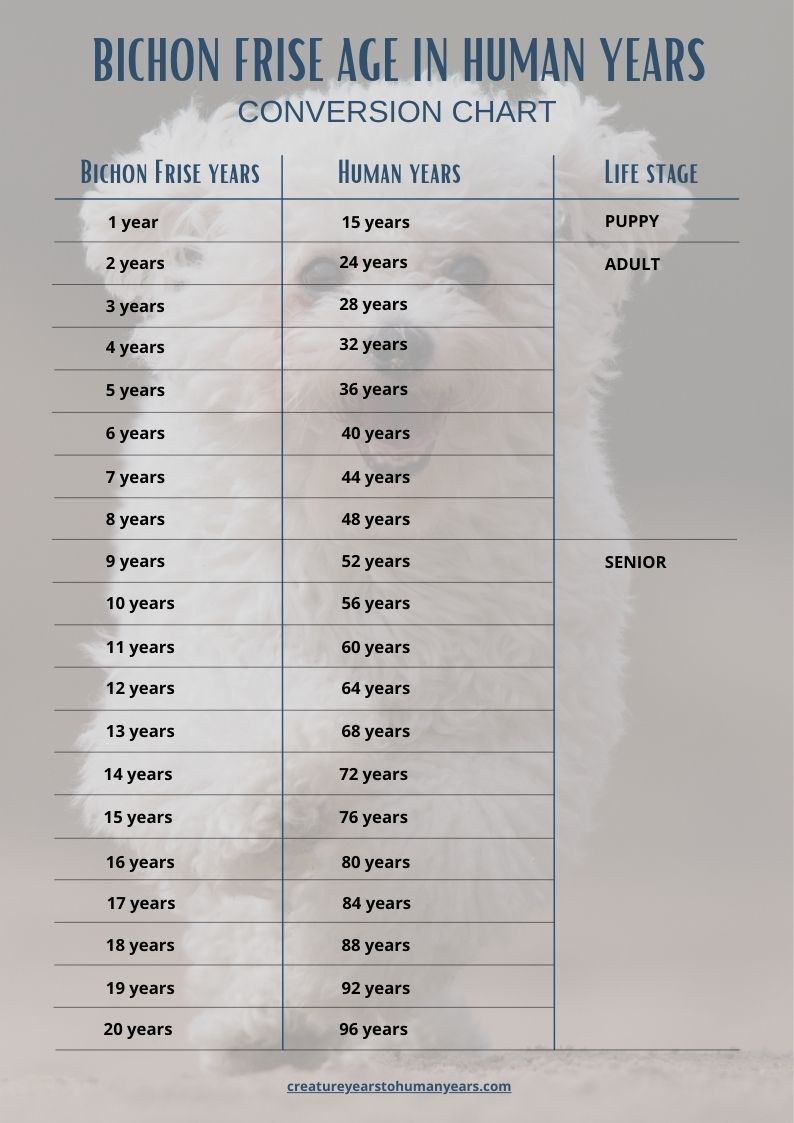
The outdated myth that one dog year equals seven human years does not apply to Bichon Frises or other small breeds. Bichons age rapidly during their first two years, then the aging process slows considerably.
Bichon Frise to Human Years Chart
| Dog Age | Human Equivalent |
|---|---|
| 1 year | 15 years |
| 2 years | 24 years |
| 5 years | 36 years |
| 7 years | 44 years |
| 9 years | 52 years |
| 10 years | 56 years |
| 12 years | 64 years |
| 15 years | 76 years |
| 20 years | 96 years |
This non-linear pattern explains why a 10-year-old Bichon is not considered elderly in human terms but is entering a phase where preventive care becomes increasingly valuable. The first year of a Bichon’s life equals 15 human years, reflecting rapid physiological development. After age two, aging stabilizes, allowing small breeds like Bichons to enjoy significantly longer lifespans than larger dog breeds.
How Long Do Bichons Live? Lifespan Facts
Average Lifespan Expectations
The typical Bichon Frise lives between 12 and 15 years. A health survey conducted among members of the Bichon Frise Club of America reported an average lifespan of 14.5 years, including dogs that passed away early due to disease or accident. Many Bichons that receive excellent care throughout their lives live to 16 or even 18 years.
Maximum Lifespan
While rare, some Bichons have been confirmed to live to 20 or 22 years. Unconfirmed reports occasionally mention Bichons reaching 23 years, though proper birth verification was lacking. Just two decades ago, 16 years was considered exceptional. Today, thanks to improved nutrition and veterinary care, Bichons living to 16 is increasingly common.
Factors That Influence Longevity
Several key factors determine how long your Bichon might live. Genetics play a significant role, as healthy bloodlines tend to produce longer-lived dogs. Early spaying or neutering drastically reduces cancer risks, particularly mammary cancer in females. Lifelong balanced nutrition and avoiding obesity directly impact overall health and longevity. Perhaps most importantly, consistent preventive veterinary care catches developing issues before they become serious, and maintaining excellent dental hygiene prevents systemic infections that can affect the heart, kidneys, and liver.
Common Senior Health Issues in Bichon Frises

Cognitive Dysfunction Syndrome
Similar to Alzheimer’s in humans, cognitive dysfunction syndrome causes behavioral changes including confusion, night waking, pacing in circles, house soiling accidents, and forgetting familiar commands or family members. This condition typically onset around 15 years but can appear earlier in some Bichons.
Treatment with selegiline, marketed as Anipryl, can improve symptoms and extend quality of life for months or even years. Generic versions of selegiline are often equally effective and more affordable. Keeping lighting consistent at night and maintaining rigid routines helps reduce confusion in affected dogs.
Eye Problems and Vision Loss
Cataracts cause clouding of the lens that can lead to partial or complete blindness. Surgical removal is possible if the dog is otherwise healthy, with one eye typically operated on at a time. Blind Bichons adapt remarkably well in stable home environments.
A blueish tint in older Bichon eyes is usually nuclear sclerosis, a normal aging change. However, actual cloudiness, eye discharge, or signs of pain warrant immediate veterinary attention.
Heart Disease
Heart murmurs become increasingly common in senior Bichons. These abnormal heart sounds often indicate valve degeneration that may progress over time. Regular veterinary examinations should include heart checks, and progression may require medication to manage.
Bladder Stones
Mineral deposits can form in the urinary tract, causing significant pain, recurring infections, or even dangerous blockages. Proper diet management and ensuring adequate hydration help prevent stone formation. Different stone types require specific dietary approaches, making veterinary diagnosis essential.
Joint Problems
Luxating patellas, where the kneecap slips out of place, are common in small breeds like Bichons. This condition may worsen with age, leading to lameness and arthritis. Mild cases respond well to joint supplements, while severe instances may require surgical intervention.
Endocrine Disorders
Cushing’s syndrome and diabetes mellitus are both on the rise in Bichon Frises. Cushing’s causes increased thirst, urination, appetite, panting, and a pot-bellied appearance. Diabetes leads to weight loss despite maintaining appetite, along with excessive drinking and urination. Both conditions are manageable with early detection and proper treatment.
Pancreatitis
Inflammation of the pancreas is often triggered by fatty human foods. Even small amounts of bacon, gravy, or butter can cause life-threatening flare-ups. This condition is entirely preventable by avoiding table scraps. Symptoms include vomiting, severe abdominal pain, and lethargy.
Dental Disease
Dental disease is the number one health threat in senior Bichons. Tartar buildup leads to gingivitis, tooth loss, and systemic infections that can spread to the heart, kidneys, and liver. Daily brushing and annual professional cleanings are essential for prevention. By the time Bichons reach senior age, dental damage may already be advanced without proper care throughout life.
Vestibular Disease
Sudden onset of head tilting, loss of balance, involuntary eye flickering called nystagmus, and nausea often indicates vestibular disease. This condition is frequently mistaken for a stroke, though strokes are actually rare in dogs. With supportive care, most dogs recover within one to two weeks. Veterinary evaluation is necessary to rule out more serious causes such as tumors or inner ear infections.
Collapsing Trachea
Weakening of the tracheal cartilage causes a distinctive goose-honking cough that worsens with age, excitement, or hot weather. In severe cases, this condition can become life-threatening. Management strategies include using a harness instead of a collar, avoiding overheating, and considering medication or surgery for advanced cases.
Skin Growths
Lipomas, fatty tumors, are common in older Bichons and usually benign. However, any lump should be examined by a veterinarian since some growths can be cancerous. The rule of thumb is simple: if a growth changes size, shape, or color, schedule a veterinary appointment promptly.
Senior Care: Essential Health Monitoring
Geriatric Screening Recommendations
Beginning at age 10, your Bichon should undergo comprehensive geriatric screening even if appearing perfectly healthy. A geriatric panel should include blood chemistry tests evaluating liver, kidney, glucose, and electrolyte function. A complete blood count checks for anemia and infection. A thyroid panel screens for hypothyroidism, which is common in senior dogs. Urinalysis evaluates kidney function and checks for diabetes or urinary tract infections.
These tests establish a baseline for future comparison and can detect early signs of conditions that would otherwise go unnoticed. The cost is often as low as 60 dollars, making it a worthwhile investment for peace of mind and early intervention.
Veterinary Visit Frequency
Transition from annual veterinary examinations to biannual visits once your Bichon reaches senior status. More frequent visits allow for earlier detection of developing conditions and faster treatment adjustments when needed.
Warning Signs Requiring Immediate Attention
Certain symptoms demand prompt veterinary care. Seizures may indicate brain tumors, metabolic disorders, or toxicity. Unexplained bleeding, either internal or external, requires immediate evaluation. Signs of pain such as vocalizing, restlessness, or guarding a body part should never be ignored. Any discharge from eyes, nose, or genitals warrants attention. Difficulty urinating or defecating can indicate serious blockages. Persistent vomiting or diarrhea lasting more than 24 hours needs veterinary assessment. Sudden behavioral changes including aggression, confusion, or hiding may signal underlying illness.
The golden rule for senior dog care: when in doubt, call your veterinarian. Online advice cannot replace a physical examination.
At-Home Comfort Tips for Senior Bichons
Bedding and Rest Areas
Provide a low, supportive bed with soft sides to block drafts and protect aging joints. Avoid elevated pet beds that require jumping, as this becomes increasingly difficult for senior dogs. Memory foam mattresses provide excellent joint support and pressure relief.
Home Environment Adjustments
Keep furniture arrangement consistent to help dogs with declining vision or cognitive function navigate safely. Place rugs or non-slip mats on slippery floors to prevent falls. Consider ramps or pet stairs for access to couches and beds if jumping becomes problematic.
Temperature Regulation
Bichons naturally lose body fat as they age, making them more susceptible to cold. Use sweaters or coats during winter months and avoid drafts. Senior Bichons should not spend extended time outdoors in cold weather.
Bathroom Assistance
For Bichons experiencing reduced bladder control or mobility challenges, indoor pee pads provide convenient relief options. This helps prevent accidents that lead to skin irritation and maintains comfort during nighttime hours.
Maintaining Routine
Senior Bichons, especially those experiencing cognitive decline, thrive on consistent daily schedules. Maintain regular feeding times, walk schedules, and bedtime routines. Sudden changes in environment or routine can cause significant anxiety in aging dogs.
When to Consider End-of-Life Care
Recognizing Quality of Life Decline
Eventually, despite excellent care, your Bichon’s quality of life may begin to decline. Recognizing when this happens is one of the most difficult but important responsibilities of pet ownership.
Signs that euthanasia may be the kindest option include chronic pain that does not respond to medication, inability to eat or drink without assistance, inability to walk or stand without help, frequent vomiting, seizures, or diarrhea, complete loss of interest in family, toys, or food, incontinence accompanied by discomfort or skin breakdown, and prolonged lethargy or disorientation.
Making the Decision
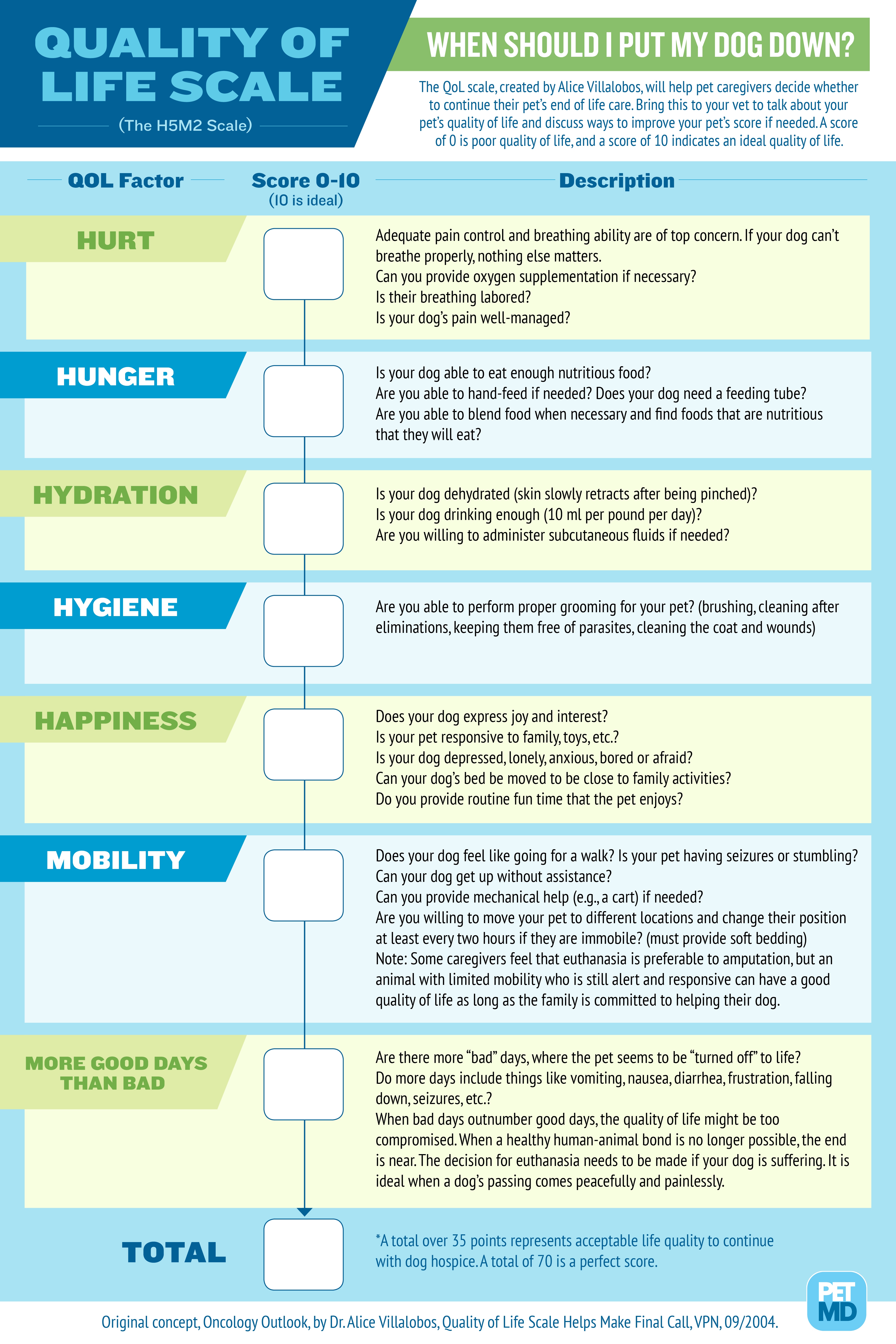
Focus on your dog’s quality of life rather than length of life. Ask yourself whether your Bichon is suffering more than enjoying life. Quality of life scales, rated on factors like pain, hunger, happiness, and mobility, can help objectify this difficult decision.
Many owners choose in-home euthanasia for a peaceful, loving final experience. Others prefer veterinary clinic settings. Both options are valid and compassionate choices.
Frequently Asked Questions About Bichon Frise Senior Status
At What Age Does a Bichon Frise Become a Senior Dog?
A Bichon Frise is considered a senior at approximately 9 years of age. This corresponds to about 52 human years using breed-specific aging calculations. While some sources suggest 12 years, veterinary professionals widely accept 9 years as the appropriate threshold for implementing senior care protocols.
What Are the First Signs of Aging in a Bichon Frise?
Early signs of aging include increased sleeping, reduced enthusiasm for play or exercise, slight stiffness after rest, minor hearing or vision changes, and more frequent naps. You might also notice your Bichon being more cautious about jumping or climbing stairs. These changes often develop gradually and may be subtle at first.
How Often Should I Take My Senior Bichon to the Vet?
Senior Bichons should see the veterinarian every six months instead of the annual visits typical for younger dogs. More frequent examinations allow for earlier detection of age-related conditions and faster treatment adjustments. Your veterinarian may recommend additional visits based on your dog’s specific health needs.
What Health Problems Are Common in Senior Bichon Frises?
Senior Bichons face increased risks for several conditions including cognitive dysfunction syndrome, cataracts and vision loss, heart disease and murmurs, Cushing’s syndrome and diabetes, dental disease, luxating patellas, vestibular disease, collapsing trachea, and skin growths. Regular veterinary monitoring helps catch these conditions early when treatment is most effective.
How Can I Help My Senior Bichon Live Longer?
Support your senior Bichon’s longevity by maintaining biannual veterinary visits, keeping your dog at a healthy weight, providing excellent dental care throughout life, feeding a senior-appropriate diet with joint supplements, keeping your Bichon active with appropriate exercise, avoiding fatty table scraps that trigger pancreatitis, and maintaining consistent routines that reduce stress.
Key Takeaways for Caring for Your Senior Bichon Frise
A Bichon Frise is considered a senior at 9 years of age, marking the time to transition from routine care to proactive senior health management. This milestone corresponds to approximately 52 human years and signals the beginning of a life stage requiring biannual veterinary visits, dietary adjustments, and increased attention to changing health needs.
The average Bichon lives 12 to 15 years, with many reaching 16 to 18 years with excellent care. Senior health monitoring should include geriatric blood panels starting around age 10, regular dental care, joint supplements, and close observation for behavioral changes that might indicate developing conditions.
Common senior health issues to watch for include cognitive dysfunction, cataracts, heart disease, Cushing’s syndrome, diabetes, dental disease, and joint problems. Early detection through regular veterinary care leads to better outcomes and extended quality of life.
Make your home comfortable for your aging companion with supportive bedding, consistent furniture arrangement, temperature control, and maintained routines. Most importantly, cherish the quiet moments with your senior Bichon. Their love has not aged a day, even if their body moves more slowly than before.