Diaper rash in the elderly isn’t just uncomfortable. It can lead to serious skin breakdown, infections, and reduced quality of life. Known medically as incontinence-associated dermatitis (IAD), this condition affects up to 50% of older adults using incontinence products. Unlike infant diaper rash, adult cases are often more severe due to thinner skin, slower healing, and underlying health issues like diabetes or immobility.
The good news? Most cases are preventable with consistent, thoughtful care. This guide breaks down exactly how to protect elderly skin, avoid painful irritation, and maintain dignity through proactive daily routines. Whether you’re a family caregiver or a healthcare professional, these evidence-based strategies will help prevent diaper rash effectively and efficiently.
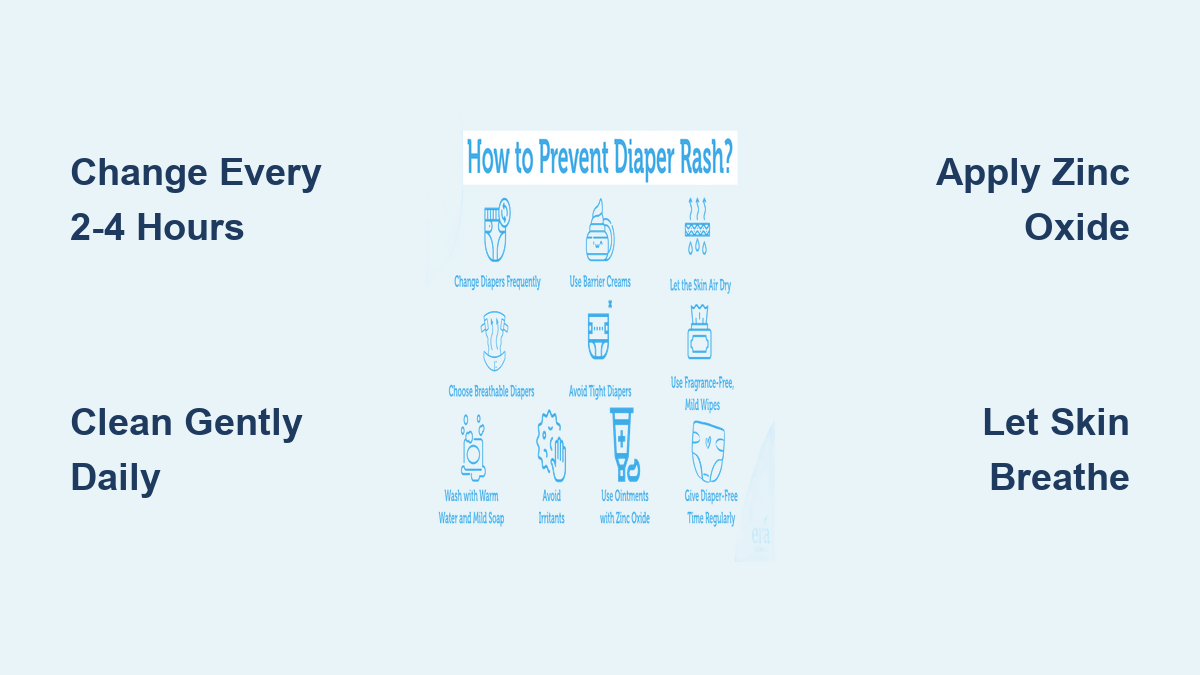
Change Products Every 2–4 Hours
Frequent changing is the single most effective way to prevent skin damage in incontinent adults. Urine and feces quickly break down the skin’s natural barrier, especially when left in contact for hours.
Change Immediately After Bowel Movements
Feces contain digestive enzymes that rapidly irritate skin. Even brief exposure can trigger inflammation. Always replace the product right after a bowel movement, regardless of when the last change occurred.
Stick to a Daytime Schedule
Aim to change incontinence products every 2–4 hours during waking hours, even if they don’t feel wet. Moisture-wicking materials can hide dampness, so don’t rely on touch alone. This routine reduces prolonged skin exposure and lowers infection risk.
Use Overnight-Optimized Diapers
At night, use high-absorbency, moisture-locking briefs designed for extended wear. These pull liquid away from the skin and minimize leaks without needing middle-of-the-night changes unless soiled by stool.
Pro Tip: Set reminders or use care logs in assisted living settings to ensure no change is missed.
Cleanse Skin Gently at Every Change
Harsh cleaning worsens skin vulnerability. Aging skin is fragile and easily damaged by rubbing, alcohol-based wipes, or strong soaps.
Use pH-Balanced, Fragrance-Free Wipes
Choose hypoallergenic, alcohol-free wipes with a neutral pH around 5.5. These preserve the skin’s acid mantle and reduce stinging. Avoid wipes with dyes, perfumes, or lanolin if sensitivity is a concern.
Wash with Lukewarm Water When Possible
For heavier soiling, use a soft cloth and lukewarm water instead of wipes. Gently cleanse, never scrub. Rinse thoroughly if soap is used, and only opt for mild, non-soap cleansers like Cetaphil or Dove Sensitive Skin.
Pat Dry, Never Rub
After cleaning, pat the area dry with a soft towel or allow air drying for a few minutes. Rubbing causes micro-tears in delicate skin, creating entry points for infection.
Warning: Avoid talcum powder. It can cake in folds and worsen moisture retention. Cornstarch is also risky if a yeast infection is present.
Apply Protective Barrier Cream Daily

A good barrier cream shields skin from moisture and irritants. Think of it as daily sunscreen for the buttocks and groin.
Use Zinc Oxide (15–20%) at Every Change
Zinc oxide is the gold standard for rash prevention. Apply a thick layer of 15–20% zinc oxide ointment to clean, dry skin with every product change, even when no rash is visible. Key benefits include:
- Forms a physical shield against urine and stool
- Soothes existing irritation
- Promotes healing
Petroleum Jelly as a Backup Option
If zinc oxide isn’t available, Vaseline (petroleum jelly) works well. It’s inexpensive, non-irritating, and creates an effective moisture barrier. However, it lacks the healing properties of zinc.
Note: Don’t remove all cream at each change. Wipe off soiled excess and reapply over what remains.
Choose Breathable, Well-Fitting Products

The right incontinence product makes a huge difference. Poor fit or non-breathable materials trap heat and moisture, creating a rash-friendly environment.
Look for Key Features
Choose products with these characteristics:
- Moisture-wicking inner layer that pulls liquid away from skin
- Breathable outer fabric to allow airflow
- Soft, non-abrasive lining to prevent chafing
- Fragrance-free and dye-free materials to avoid allergic reactions
Ensure Proper Fit
Too tight causes friction and pressure sores. Too loose allows leaks and repeated wetting. Use manufacturer sizing guides to pick the correct size based on waist and hip measurements.
Consider Product Type
- Briefs offer high absorbency and are ideal for bedbound individuals
- Protective underwear is easier to pull on and off for mobile users
- Pads and liners work for light incontinence but must be changed frequently
Expert Tip: Test different brands to find the most comfortable, leak-proof option for the individual.
Let Skin Breathe Daily
Air exposure dries moisture, reduces heat, and supports healing. It’s one of the simplest yet most overlooked steps.
Air Out for 10–30 Minutes Daily
Remove the diaper and let the skin breathe for at least 10–30 minutes each day. Place the person on an absorbent pad to catch accidents. Do this during a safe, supervised time like morning care or after a bath.
Improve Airflow During Wear
If full airing isn’t possible, try these approaches:
- Use larger-sized briefs temporarily to reduce tightness
- Fold down the edges slightly (if no leakage occurs) to allow ventilation
- Keep room temperature moderate to reduce sweating
For bedbound patients: Reposition every 2 hours to prevent pressure buildup and encourage airflow.
Monitor for Early Signs of Rash
Catching irritation early stops it from turning into a severe rash or infection.
Check Skin Daily
Inspect the genital area, buttocks, inner thighs, and skin folds every day during changes. Look for these warning signs:
- Pink or red patches
- Shiny or swollen skin
- Dry, flaky, or peeling areas
- Small bumps or raw spots
Know the Warning Signs of Infection
Act fast if you see these symptoms:
- Bright red rash with satellite spots indicates likely yeast (Candida)
- Pus, open sores, or blisters suggest possible bacterial infection
- Fever or worsening pain means systemic involvement
Diabetic patients: Check more frequently. High glucose in sweat and urine increases yeast risk.
Support Overall Skin Health
Strong skin resists irritation better. Nutrition, hydration, and lifestyle play a big role.
Encourage Hydration and Balanced Nutrition
Dehydration dries skin and makes it more fragile. Ensure the person drinks enough fluids unless restricted by a doctor.
Support skin repair with foods rich in:
- Vitamin A (sweet potatoes, carrots)
- Vitamin C (citrus, bell peppers)
- Vitamin E (nuts, spinach)
- Zinc (eggs, lean meats)
- Protein (fish, beans, dairy)
Dress in Loose, Cotton Clothing
Tight synthetic fabrics trap moisture. Opt for loose-fitting cotton underwear or clothing that allows airflow and wicks away sweat.
Avoid Irritants
Skip scented lotions, perfumed soaps, or alcohol-based sprays. These disrupt skin pH and increase sensitivity.
Special Care for Diabetic Patients
Diabetics face higher risks due to poor circulation, nerve damage, and elevated sugar in bodily fluids.
Control Blood Sugar Levels
Stable glucose reduces yeast growth and improves healing. Work with a healthcare provider to manage levels effectively.
Inspect Feet and Skin Daily
Neuropathy may prevent feeling discomfort. Daily visual checks are essential, even if the person says they feel fine.
Treat Rashes Aggressively
Because healing is slower, act at the first sign of redness. Use antifungal creams if yeast is suspected, and consult a doctor early.
Reminder: Diabetic skin infections can escalate quickly. Never delay medical care.
Treat Rash Early, Before It Worsens

Mild rashes often resolve in 2–3 days with proper care. Delaying treatment increases the risk of infection.
Home Care for Mild to Moderate Rash
- Increase air exposure
- Cleanse gently and dry thoroughly
- Apply zinc oxide with every change
- Change products more frequently (every 2 hours if possible)
- Avoid friction and tight clothing
Expected improvement: Within 48–72 hours.
Seek Medical Help for Severe Cases
See a doctor if:
- Rash lasts more than 3–5 days
- There’s weeping, bleeding, or pus
- Fever or chills develop
- Satellite lesions appear (suggesting yeast)
Medical Treatments May Include
- Antifungal creams: Clotrimazole, miconazole, or nystatin applied 2–4 times daily
- Low-dose hydrocortisone: Only under medical supervision for severe inflammation
- Oral antifungals: Fluconazole for widespread yeast
- Antibiotics: If bacterial infection (like cellulitis) is confirmed
Never self-prescribe steroids or antifungals, especially in frail elderly patients on multiple medications.
When to Call a Healthcare Provider
Diaper rash isn’t just a nuisance. It can signal deeper issues.
Red Flags Requiring Immediate Care
- Rash spreading rapidly
- Open sores or skin erosion
- Signs of sepsis: fever, confusion, rapid heartbeat
- No improvement after 3 days of consistent care
Consider Care Quality in Facilities
In nursing homes or assisted living, repeated or severe rashes may indicate neglect like infrequent changes, poor hygiene, or lack of skin checks. Document concerns and report them to supervisors or family members.
Frequently Asked Questions About Preventing Diaper Rash in Elderly
Can elderly get diaper rash without wearing diapers?
Yes. A warm, moist environment in skin folds due to obesity, tight clothing, immobility, or conditions like diabetes can cause irritation and infection resembling diaper rash, even without diaper use.
What is the best cream for adult diaper rash?
Zinc oxide cream (15–20% or higher) is the most effective over-the-counter option. Petroleum jelly is a good alternative for moisture protection. For fungal rashes, clotrimazole or miconazole antifungal creams are recommended.
How often should adult diapers be changed to prevent rash?
Change every 2–4 hours during waking hours and immediately after bowel movements. At night, use high-absorbency, moisture-wicking products designed for extended wear.
Is diaper rash a sign of neglect in elderly care?
Frequent or severe diaper rash in long-term care settings may indicate inadequate hygiene practices such as delayed changes, improper cleaning, or lack of skin care. It should be evaluated as a potential indicator of suboptimal care.
Key Takeaways for Preventing Diaper Rash in Elderly
Preventing diaper rash in the elderly is about consistency, not complexity. A few simple daily habits can prevent pain, infection, and hospitalization.
First, change incontinence products every 2–4 hours or immediately after soiling. This is the single most effective prevention strategy. Second, cleanse gently with pH-balanced, fragrance-free products and always pat dry, never rub. Third, apply a thick layer of zinc oxide barrier cream at every change to protect skin from moisture and irritants.
Finally, check the skin daily for early signs of redness or irritation. Act immediately at the first sign of a problem. With the right care, dignity and comfort are not just possible, they are achievable every day.