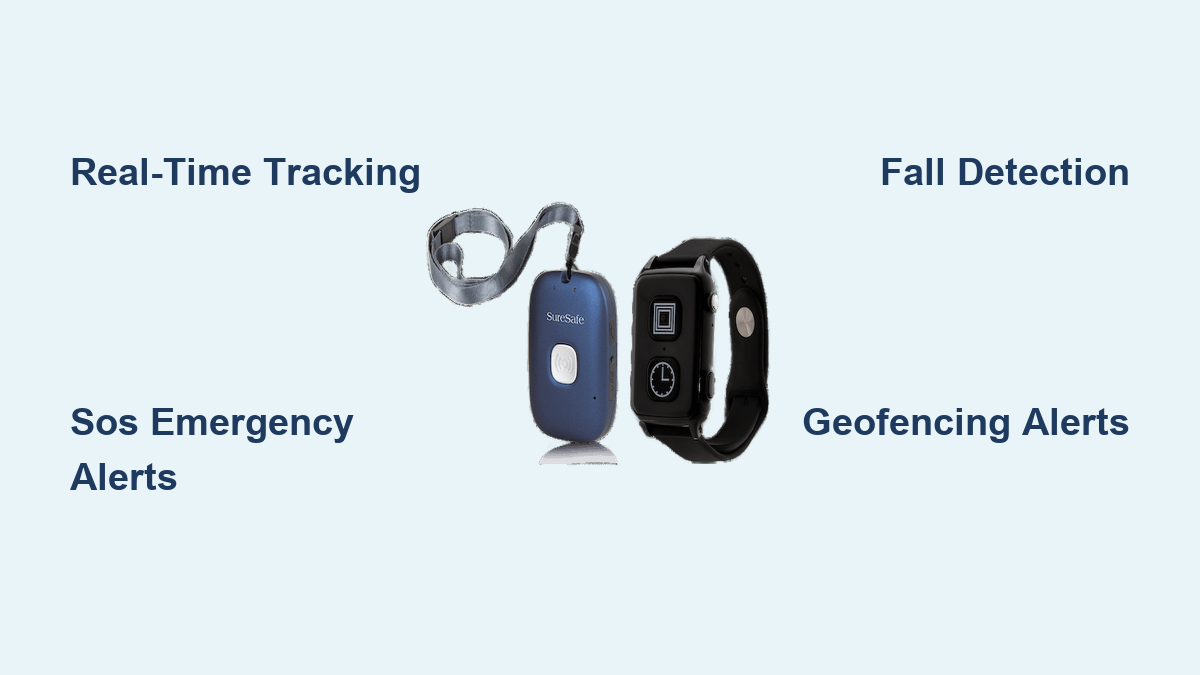
If your elderly loved one is beginning to wander, forget routines, or live independently with health concerns, GPS tracking can be a lifeline. Knowing how to track elderly with GPS is not about surveillance. It is about ensuring safety while preserving dignity. With cognitive decline affecting millions and falls being a leading cause of injury in seniors, real-time location technology offers peace of mind for families and greater freedom for older adults.
GPS trackers designed for the elderly go far beyond simple location sharing. They include fall detection, SOS alerts, geofencing, and even 24/7 professional monitoring. Unlike consumer item finders like Apple AirTags, these devices are built specifically for people, providing continuous, reliable tracking whether your loved one is walking the neighborhood, riding the bus, or getting disoriented indoors.
Signs It Is Time to Consider GPS Tracking
GPS tracking becomes essential when independence starts to pose safety risks. Watch for these red flags that indicate it may be time to implement tracking:
• Frequent disorientation, including getting lost on familiar routes or forgetting where they are
• Memory lapses, such as missing medications, appointments, or daily routines
• Wandering behavior, including unexplained absences especially at night
• Medical vulnerabilities, including history of falls, seizures, heart conditions, or dementia
• Driving concerns, including confusion at intersections, near-misses, or repeated traffic violations
Early adoption of GPS tracking can prevent emergencies, reduce hospital visits, and delay full-time care placement.
Dementia and Alzheimer’s: A Critical Use Case
For individuals with cognitive impairments, wandering is common and dangerous. Studies show 60% of dementia patients will wander at some point. If not found within 24 hours, up to half may suffer serious injury or death. GPS trackers with geofencing and automatic alerts can detect when someone leaves a safe zone, triggering immediate action.
Devices like AngelSense and Jiobit provide real-time updates, indoor tracking, and voice monitoring, giving families a critical edge during high-risk moments.
How to Talk About GPS Tracking with Your Loved One
Introducing GPS tracking can feel intrusive if not handled carefully. Frame it as a safety tool, not a monitoring system. Start the conversation by expressing concern rather than correction.
Consider saying: “I just want you to be safe when you go for walks. What if you fell and could not call for help? This watch could get you help instantly.”
Involve Them in the Decision
Let your loved one help choose the device. Offer options such as a watch, pendant, or shoe insert. Let them pick the color, style, and features. Ownership increases acceptance dramatically.
Address Privacy Concerns
Reassure your loved one that only trusted family members can view their location. Explain that the device is for emergencies, not constant surveillance. Let them know they can remove it if safe or opt out later. Many users report feeling more independent once they know help is always within reach.
Best GPS Devices for Elderly Adults
GPS Watches: Safety on the Wrist
Watches are discreet, socially acceptable, and easy to remember to wear. They resemble standard timepieces while providing critical safety features.
Top Picks for GPS Watches
• SureSafeGO Watch: Fall detection, SOS button, two-way talk, 4-7 days battery life, optional 24/7 monitoring
• Taking Care Out-and-About Watch: Bright screen, simple 3-button interface, Emergency Resolution Team available 24/7, 18-hour battery
• AngelSense Watch: Auto-answer speakerphone, indoor tracking, live monitoring and route history, 2-3 day battery
GPS watches work best for seniors who walk independently, attend day programs, or need fall protection.
GPS Pendants: Lightweight and Discreet
Pendants hang around the neck or clip to clothing, making them ideal for those who will not wear a watch.
Top Models for GPS Pendants
• Telecare24 GO! Pendant: IP67 waterproof (safe for showers), 1-2 months battery life, 24/7 professional monitoring included
• Careline365 GO GPS Alarm: Water-resistant, wireless charging, fall detection available, over 5,000 verified positive reviews
• Taking Care Mobile Alarm: Three-button interface (SOS, Yes, No), stores two emergency contacts, 50-hour battery
Pendants work best for users with dementia who may resist wearables but need constant protection.
Shoe Insoles: Tamper-Proof Tracking
Some seniors remove or lose devices. Shoe insoles solve this problem by staying hidden inside footwear.
SmartSole and CPR Guardian
These devices offer up to 30 days battery life, geofencing, and real-time tracking. No charging is needed daily. Simply swap insoles weekly. They are perfect for those in memory care or prone to discarding trackers.
Clip-On and Pocket Trackers
Small, portable devices can be carried in a purse, pocket, or attached to a belt.
Jiobit Location Monitor
Jiobit offers real-time GPS, cellular, Wi-Fi, and Bluetooth tracking. Care Teams feature allows sharing access with multiple family members. SOS mode connects to Noonlight for 911 dispatch. The battery lasts at least one week. Progressive Beaconing Technology provides indoor accuracy.
Note that Apple AirTags or Tile are not recommended for elderly tracking. These devices rely on nearby devices and lack emergency features.
Key Features That Save Lives
Real-Time Location Tracking
Real-time tracking lets you know where your loved one is anytime, anywhere. Jiobit and AngelSense update every few seconds. View location via smartphone app or web portal. The system works outdoors and indoors using Wi-Fi and beacons.
Test the device in your area to ensure strong signal coverage before relying on it.
SOS and Emergency Alerts
One press sends an instant alert to caregivers or a monitoring center. Taking Care routes SOS to a 24/7 Emergency Resolution Team. Jiobit with Noonlight auto-dispatches 911 with precise location. AngelSense allows caregivers to call the device with auto-answer.
This feature is crucial if the user is injured, confused, or unable to speak.
Fall Detection
Automatic sensors detect sudden impacts or changes in posture. SureSafeGO, Careline365, Jiobit, and AngelSense all offer fall alerts. Alerts go to family or the monitoring team. Some allow voice check-in after a fall.
Important: Fall detection is not 100% accurate. Combine with human oversight for best results.
Geofencing: Set Safe Zones
Create virtual boundaries around home, a care facility, or a neighborhood. Get alerts when the person leaves or enters a zone. This prevents wandering before it becomes dangerous. Set multiple zones via the app.
Example: If your mom with Alzheimer’s leaves her assisted living building after 8 PM, you are notified instantly.
Location History and Timeline
Review past movements to spot patterns or retrace steps. Jiobit stores 7 days of location history. AngelSense shows full trip routes and ETAs. This feature helps caregivers identify new risks.
Two-Way Communication
Talk directly to your loved one through the device. SureSafeGO and Taking Care include speakerphone. AngelSense has auto-pickup, so you can call and connect instantly without them answering.
Imagine guiding your dad back home from a park just by speaking through his watch.
Monitoring Options: Who Responds to Alerts
24/7 Professional Monitoring
A live team receives alerts and takes action. They call the user to assess the situation. They contact emergency services if needed. They notify family members.
Providers include Telecare24, Careline365, Taking Care, and SureSafeGO. Costs range from £15-30 per month. This option is best for families who cannot respond immediately or want full backup.
Self-Managed Alerts
Alerts go straight to your phone via an app. Jiobit, Life360, and AngelSense support multi-user access. You and siblings can all receive alerts. No monthly fee exists for basic tracking, but a cellular plan is required.
This option works best for hands-on caregivers who can respond quickly.
Hybrid Models
Some systems let you start with self-monitoring and upgrade to professional help later. SureSafeGO offers a base plan with app alerts and optional 24/7 add-on. This provides flexibility and budget-friendly options.
How GPS Trackers Work: Technology Explained
Connectivity: GPS, Cellular, Wi-Fi, Bluetooth
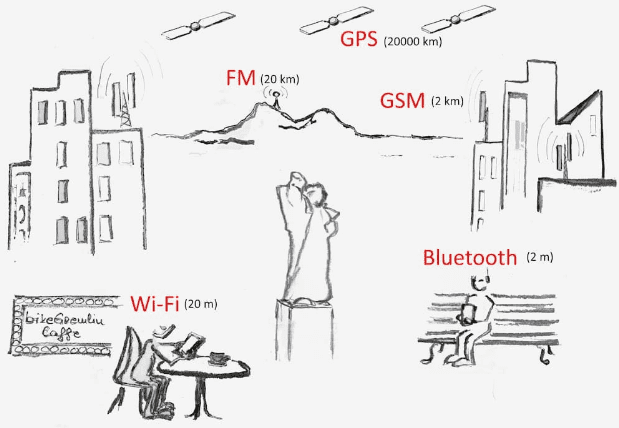
Dedicated trackers use multiple technologies. GPS provides outdoor location (most accurate). Cellular sends data to the cloud (requires SIM). Wi-Fi enhances indoor tracking. Bluetooth enables proximity alerts and device pairing.
Jiobit and AngelSense combine all four for seamless coverage.
Why AirTags Fail for Elderly Tracking
Apple AirTags are not designed for people. They lack GPS or cellular connectivity, only working near Apple devices. They provide no real-time tracking, with location updates delayed or missing. They have no SOS or fall detection. They are Bluetooth-only, making them useless in rural or low-traffic areas.
AirTags may locate keys, but they will not save a wandering senior.
Battery Life and Charging Considerations
Battery life affects how often you need to maintain the device. Here is a comparison:
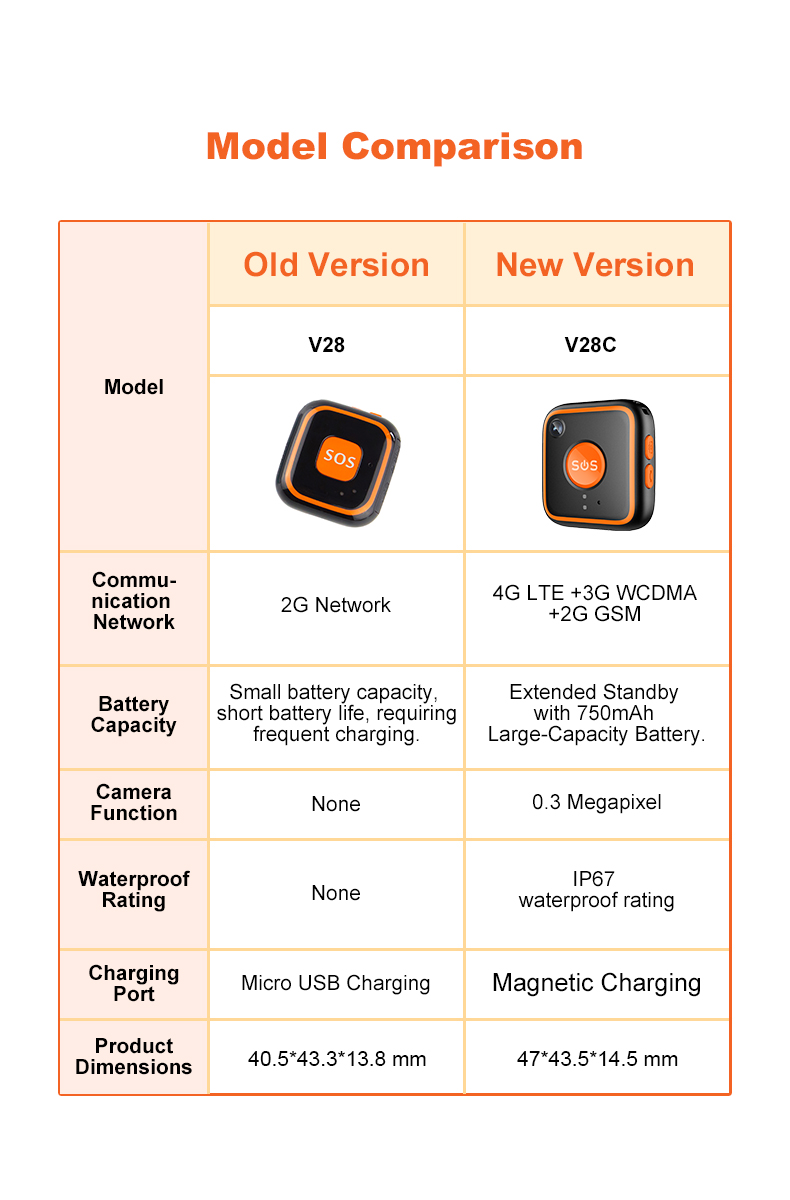
• Telecare24 GO!: 1-2 months, wired charging
• Careline365 GO: 1-2 months, wireless dock
• SmartSole: Up to 30 days, wired charging
• Jiobit: 1+ week, magnetic dock
• AngelSense Watch: 2-3 days, magnetic dock
• Taking Care Watch: 18 hours, wired charging
Choose longer-life devices for users who forget to charge. Alternatively, pair short-life devices with charging reminders.
Who Benefits Most from GPS Tracking
Dementia Patients
This group needs tamper-proof devices like shoe insoles or pendants. They benefit from geofencing, fall detection, and 24/7 monitoring. Indoor tracking confirms presence at day centers or home.
Recommended: SmartSole plus AngelSense for redundancy.
Independent Seniors
These individuals want freedom without isolation. They use GPS watches or pendants for peace of mind. They appreciate SOS buttons and two-way talk.
Recommended: SureSafeGO Watch or Jiobit.
Post-Hospital Recovery
GPS tracking is useful temporarily after surgery or fall. Track mobility and ensure medication adherence. Fall detection prevents repeat injuries.
Recommended: Taking Care Mobile Alarm with medication reminders.
Cost and Financial Assistance Options
Understanding the Costs
GPS tracking involves upfront hardware costs and ongoing subscription fees. Hardware ranges from £200 to over £500. Monthly subscriptions typically cost £15-30. Total annual cost ranges from £200-500 depending on model and plan.
Does Medicare Cover GPS Trackers
Original Medicare (Parts A and B) does not cover trackers. They are not classified as Durable Medical Equipment. Medicare Advantage (Part C) plans sometimes cover trackers as supplemental benefits. Check with your provider. Medicaid waivers in some states approve GPS devices for dementia patients.
Financial Assistance Options
Contact your local Area Agencies on Aging for grants or low-cost devices. The Alzheimer’s Association may provide funding or discounts. Some manufacturers like AngelSense offer free devices through qualifying programs.
Always ask about 30-day money-back guarantees or trial periods before purchasing.
Setup and Daily Use Guidelines
Easy Setup Process
Most devices require app installation on iOS or Android. Add emergency contacts and set geofences. Invite caregivers to the monitoring app.
Jiobit requires no power button. Simply charge and pair via the app. Do a test walk to verify location accuracy and alert delivery.
Wearability Matters
The best device is the one your loved one will actually wear. Watches are socially normal and easy to remember. Pendants are lightweight and familiar. Shoe insoles are invisible and tamper-proof. Clip-ons are portable but easy to lose.
Try multiple types if needed to find the right fit.
Ethical and Privacy Guidelines
Be Transparent
Tell the person why the device is being used. Explain how location access is limited. Reassure them it is for safety, not control.
Limit Access
Only trusted family or caregivers should have app access. Use PINs or passwords to protect data.
Respect Autonomy
Use tracking to support independence, not restrict it. Review usage regularly and discontinue if no longer needed.
Medical Device Safety
If the person has a pacemaker, consult a doctor first. Avoid chest-worn devices. Opt for wrist or ankle placement instead.
Real-World Scenarios Where GPS Tracking Helps
Morning Walk Gone Wrong
Your dad with dementia leaves for a walk but turns down the wrong street. The geofence alert triggers when he exits the neighborhood. You open the Jiobit app and see he is moving toward a busy road. Use speakerphone to guide him back. No crisis occurs, and there is no search party needed.
Fall at Home
Your mom falls in the bathroom and cannot get up. Fall detection activates on her Careline365 GO. Alert is sent to the 24/7 monitoring team. They call her, confirm she is hurt, and dispatch an ambulance. You are notified and can meet her at the hospital.
School Bus Pickup
Your daughter picks up her grandma after school. Grandma wears the AngelSense Watch. You track her real-time location on the bus. You receive an ETA notification so you know exactly when to meet them.
Final Tips for Successful GPS Tracking
Start tracking before a crisis occurs. Do not wait until your loved one gets lost.
Choose the right fit by matching the device to their lifestyle, cognition, and mobility.
Test before committing by using trial periods to ensure reliability and comfort.
Train the care team so everyone knows how to use the app and respond to alerts.
Combine devices for redundancy. Many families use a watch plus shoe insole, so if one fails, the other works.
Maintain the system by checking battery weekly, updating software, and verifying connectivity.
Key Takeaways for Tracking Elderly with GPS

GPS tracking for the elderly balances safety with independence. With the right device, you can protect your loved ones from danger while honoring their dignity. Choose from GPS watches, pendants, or shoe insoles based on their lifestyle and needs.
Prioritize features like real-time updates, emergency alerts, fall detection, and easy wearability. Decide between professional monitoring or family-managed alerts based on your situation. Explore financial aid options if cost is a barrier.
When used ethically and with compassion, GPS tracking is not about control. It is about care. It is the difference between panic and peace, between a long search and a quick reunion.
Frequently Asked Questions About Tracking Elderly with GPS
What is the best GPS tracker for someone with dementia?
For dementia patients, tamper-proof options work best. Shoe insoles like SmartSole prevent removal. Pendants like Telecare24 GO! offer long battery life. AngelSense provides indoor tracking and auto-answer speakerphone. Many families use a combination of devices for redundancy.
Can I use an Apple AirTag to track my elderly parent?
No, Apple AirTags are not recommended for tracking elderly individuals. They lack GPS and cellular connectivity, only working near Apple devices. They have no SOS button, fall detection, or real-time tracking. Dedicated GPS trackers designed for people offer far superior safety features.
Does Medicare cover GPS trackers for seniors?
Original Medicare does not cover GPS trackers because they are not classified as Durable Medical Equipment. Some Medicare Advantage plans may cover them as supplemental benefits. Medicaid waiver programs in certain states do approve GPS devices for dementia patients. Contact your local Area Agencies on Aging for financial assistance.
How accurate are GPS trackers for elderly tracking?
Dedicated GPS trackers are highly accurate outdoors, typically within a few meters. Indoor accuracy improves with Wi-Fi and Bluetooth beacon technology. Jiobit and AngelSense offer advanced indoor tracking. Test the device in your area to verify reliability before relying on it.
What features should I prioritize when choosing a GPS tracker?
Prioritize real-time location updates so you always know where they are. Choose SOS and emergency alerts for one-touch help. Fall detection provides automatic assistance after impacts. Geofencing alerts you when they leave safe zones. Two-way communication lets you talk directly through the device. Battery life matters, so choose based on charging ability.
How much does GPS tracking cost for elderly members?
Hardware costs range from £200-500 for quality devices. Monthly subscriptions typically cost £15-30 for monitoring services. Total annual cost ranges from £200-500. Some devices work without monthly fees but require cellular plans. Financial assistance may be available through Medicaid waivers or nonprofit programs.