

Fecal impaction in the elderly is a serious and often underrecognized condition that occurs when a large, hardened mass of stool becomes trapped in the rectum or colon. It most commonly develops from untreated or chronic constipation and can lead to severe complications like bowel perforation, fecal incontinence, urinary retention, and even life-threatening infections. In nursing homes, up to 40% of bedridden patients experience fecal impaction, highlighting its prevalence among older adults with limited mobility, multiple medications, and age-related digestive decline.
The problem is often missed because symptoms can be subtle, especially in cognitively impaired seniors. Instead of obvious constipation, caregivers may notice leakage of liquid stool, agitation, confusion, or urinary issues, which are easily mistaken for other conditions. This guide walks you through proven methods on how to clear impacted stool in elderly individuals, from home remedies to clinical interventions, when to seek help, and how to prevent recurrence.
Recognize Early Warning Signs
Catching fecal impaction early can prevent invasive treatments and hospitalization. Many elderly patients cannot clearly communicate discomfort, so it is crucial to watch for both physical and behavioral clues.
Spot Subtle Symptoms
Watch for these common indicators that may signal developing impaction:
- No bowel movement for three or more days despite normal eating
- Frequent straining without successful evacuation
- Feeling of fullness or pressure in the lower abdomen
- Frequent small liquid stools, which is actually overflow diarrhea
- Unexplained nausea, bloating, or loss of appetite
In patients with dementia or stroke-related cognitive issues, look for:
- Sudden agitation, restlessness, or confusion
- Increased falls or resistance to care
- Moaning or grimacing during sitting or movement
These non-specific signs may be the only indicators of a growing impaction.
Identify High-Risk Behaviors
Certain habits significantly increase the risk of fecal impaction in elderly individuals:
- Avoiding the toilet due to fear of falling, lack of privacy, or difficulty transferring
- Low fluid intake, which is common in seniors afraid of incontinence
- Minimal physical activity, especially prolonged bed rest
- Long-term use of constipating medications like opioids or anticholinergics
If an elderly person has several risk factors and shows early symptoms, assume impaction is possible even if they are passing some stool.
Confirm Diagnosis with Medical Evaluation
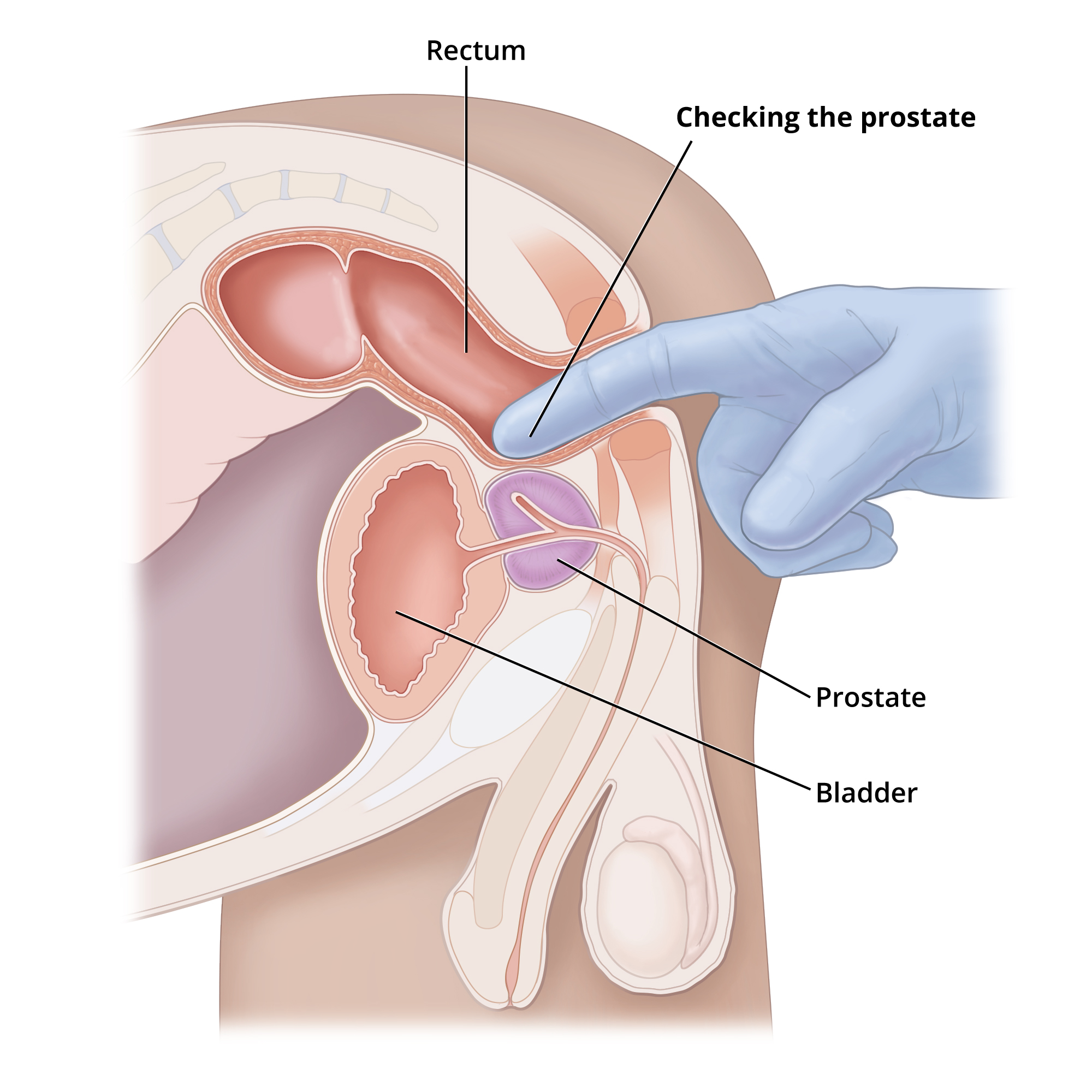
Before attempting any treatment, confirm whether impaction is present. Misdiagnosis can delay care or lead to unsafe interventions.
Perform Digital Rectal Exam
The gold standard for diagnosing fecal impaction is a digital rectal exam, performed by a trained healthcare provider. The patient lies on their left side in Sims position with knees bent toward the chest. A lubricated, gloved finger is gently inserted into the rectum. An impaction feels like a firm, immovable mass. Even if no stool is felt rectally, impaction may still be higher in the colon.
Never attempt digital disimpaction at home unless instructed and trained by a clinician.
Use Imaging When Needed
If the diagnosis is unclear or complications are suspected, imaging helps confirm the location and severity:
- Abdominal X-ray shows large stool burden, especially in the lower colon
- CT scan is used if perforation, tumor, or stercoral colitis is suspected
- Findings may include dilated bowel loops, air-fluid levels, or signs of obstruction
Rule Out Other Conditions
Several conditions mimic fecal impaction and should be considered during evaluation:
- Irritable bowel syndrome
- Hypothyroidism
- Parkinsons disease
- Colorectal cancer
Blood tests including CBC, electrolytes, and TSH along with medication review help differentiate causes.
Start with Safe Home Remedies
For mild or early cases, non-invasive methods can help soften and move stool, especially when combined with lifestyle support.
Increase Fluid Intake Immediately
Dehydration is a major contributor to hard stool. Aim for 1.5 to 2 liters of fluids daily unless restricted for heart or kidney disease. Offer warm liquids in the morning such as tea, broth, or warm water with lemon to stimulate bowel activity. Prune juice, four to six ounces daily, is highly effective due to natural sorbitol and fiber.
Monitor urine color as an indicator of hydration. Pale yellow means hydration is adequate.
Boost Fiber Gradually
Fiber adds bulk and softness to stool but must be introduced slowly. Target 25 to 30 grams per day from oatmeal, whole grains, cooked vegetables like carrots, spinach, and squash, fruits such as apples, pears, and prunes, and legumes including lentils and beans.
Use fiber supplements if diet is insufficient:
- Psyllium (Metamucil)
- Methylcellulose (Citrucel)
Always pair fiber supplements with plenty of water to avoid worsening blockage.
Encourage Gentle Movement
Even small amounts of activity improve gut motility. Walking for 10 to 15 minutes after meals uses the gastrocolic reflex to stimulate bowel activity. For bedbound patients, perform passive leg lifts, use seated marches or arm pumps, and perform abdominal massage in a clockwise motion over the lower abdomen.
Massaging the abdomen for 5 to 10 minutes twice daily can stimulate peristalsis and relieve bloating.
Use Effective Over-the-Counter Treatments

When home remedies are not enough, OTC products can help loosen stool, especially when used correctly.
Try Glycerin Suppositories First
Glycerin suppositories are fast-acting and safe for elderly patients. Insert one suppository into the rectum. The patient should lie on their left side for 15 to 30 minutes. It works in 15 to 60 minutes by drawing water into the rectum. This method is ideal for rectal-level impactions.
Avoid glycerin suppositories if rectal bleeding, fissures, or recent surgery is present.
Use Bisacodyl Suppositories for Stronger Effect
Bisacodyl stimulates the rectal lining to trigger contractions. Onset is 15 to 60 minutes. Use only as needed, not for daily long-term use. Bisacodyl can cause cramping and is best used at bedtime.
Apply Enemas for Faster Relief
Enemas are often first-line treatment for confirmed low impactions. Choose the right type based on the patients condition:
- Saline enema (Fleet) draws water into the colon and is best for mild to moderate impaction
- Mineral oil enema lubricates and softens hard, dry stool and can be retained overnight
- Docusate enema acts as a stool softener and is suitable for sensitive patients or post-surgery
Avoid phosphate enemas in elderly individuals with kidney disease. They can cause dangerous electrolyte imbalances.
To administer an enema safely:
- Lay patient on left side (Sims position)
- Lubricate tip and insert gently
- Squeeze contents slowly (120 to 500 mL)
- Encourage retention for 5 to 15 minutes
- Assist to toilet or commode afterward
Repeat only if directed, no more than one to two enemas in 24 hours.
Proceed to Clinical Interventions When Needed
If OTC methods fail, clinical treatments are necessary to remove the mass and prevent complications.
Consider Oral Laxatives with Caution
Oral laxatives should not be used if there is vomiting, severe distension, or suspected obstruction.
Osmotic laxatives are the safest choice. Polyethylene glycol (MiraLAX) at 17 grams daily in 8 ounces of water has an onset of one to four days with minimal side effects and is safe for long-term use. Lactulose at 15 to 30 mL daily can cause gas and bloating.
Stimulant laxatives are for short-term only. Senna (Senokot) at two tablets at bedtime or Bisacodyl (Dulcolax) at 5 to 10 mg orally carry risk of dependency with prolonged use.
Never use oral agents alone for full impaction. They may worsen bloating without clearing the blockage.
Perform Manual Disimpaction by Trained Provider
When stool is palpable in the rectum and other methods fail, manual evacuation may be required. The procedure involves explaining the process and obtaining consent, using gloves and generous water-based lubricant, inserting index finger gently into rectum, using a scissoring motion to break the mass into smaller pieces, removing fragments carefully, and suctioning out liquid stool if needed.
Use topical lidocaine gel to reduce discomfort. Monitor for bradycardia or dizziness, which is a vasovagal response. Stop immediately if bleeding or pain occurs.
Only trained professionals should perform this procedure. Never attempt at home without guidance.
Use Water Irrigation in Clinical Settings
Also called colonic hydrotherapy, this involves slowly flushing warm water through a rectal tube. It is performed under supervision and helps soften and flush out stubborn masses. It may be combined with manual fragmentation. This method is not suitable for patients with heart or kidney disease due to fluid load risks.
Know When Surgery Is Necessary
Surgical intervention is rare but life-saving when complications arise.
Watch for Emergency Signs
Seek immediate medical help if any of these occur:
- Severe abdominal pain or distension
- Vomiting, especially fecal-like
- Inability to pass gas
- Fever, rapid heart rate, or confusion
- Rectal bleeding with shock symptoms
These may indicate bowel perforation, obstruction, or sepsis.
Understand Surgical Options
- Laparotomy is open surgery to remove impacted stool or resect dead bowel
- Colostomy is a temporary or permanent opening to divert stool if bowel is damaged
- Endoscopic disimpaction is a minimally invasive alternative using a colonoscope to irrigate and fragment stool under sedation
Surgery is a last resort but may be unavoidable in advanced cases.
Prevent Recurrence with Long-Term Strategies
After clearing the impaction, focus shifts to preventing future episodes through consistent care.
Establish a Bowel Routine
Create a daily plan tailored to the individual. Set a fixed time for toileting, ideally 15 to 45 minutes after breakfast, to use the gastrocolic reflex. Ensure privacy, comfort, and proper positioning. Use a raised toilet seat or commode and add a footstool to mimic squatting posture. Allow ample time and do not rush the process.
Use Maintenance Medications
Many elderly patients need ongoing support to maintain regularity. Recommended agents include stool softeners like docusate sodium 100 mg once or twice daily, osmotic laxatives like MiraLAX 17 g daily or every other day, and fiber supplements with adequate fluid. For opioid users, methylnaltrexone (Relistor) counteracts constipation.
Avoid chronic stimulant laxatives. They can weaken natural bowel function over time.
Implement a Bowel Retraining Program
For those with recurrent impaction, structured retraining helps restore normal function. Components include scheduled toileting, biofeedback therapy for pelvic floor coordination, education on diet and fluid, tracking with Bristol Stool Scale, and caregiver training. This program is led by a nurse specialist, gastroenterologist, or pelvic floor therapist.
Adapt Care for Nursing Home Residents
In institutional settings, proactive care prevents impaction before it starts.
Conduct Regular Bowel Assessments
Include bowel status in daily care checks. Document frequency, consistency, and effort. Note signs of straining, leakage, or discomfort. Flag patients with no stool for three or more days.
Train Staff in Early Detection
Educate caregivers to recognize overflow diarrhea as a red flag. Train them to perform basic abdominal palpation and know when to call a nurse for digital rectal exam or intervention.
Review Medications Monthly
Many common drugs cause constipation:
- Opioids
- Antipsychotics
- Diuretics
- Iron supplements
- Calcium channel blockers
Work with prescribers to adjust or replace medications where possible.
Avoid Laxative Overuse
Paradoxically, chronic stimulant laxative use can lead to cathartic colon, a condition where the bowel loses natural contractility. Use a stepwise approach: optimize diet and fluids first, add osmotic or softener agents second, and use stimulants only short-term.
When to Seek Immediate Medical Help

Do not wait. Some signs mean urgent care is needed.
Emergency Warning Signs
- No stool or gas for two or more days with vomiting
- Severe abdominal pain or rigidity
- High fever or rapid pulse
- Confusion or lethargy
- Rectal bleeding with dizziness
- Fecal incontinence after prolonged constipation
These may signal bowel obstruction, perforation, or sepsis, conditions with high mortality in seniors.
Call 911 or Go to ER If
- Patient is unresponsive or in distress
- Abdomen is hard and swollen
- Signs of shock such as pale, clammy skin and weak pulse
Time is critical. Delays can be fatal.
Final Thoughts on Clearing Impacted Stool in Elderly
Fecal impaction in the elderly is preventable and treatable with timely, informed care. The most important steps are recognizing early warning signs like overflow diarrhea, confusion, or urinary retention, which are often mistaken for other conditions. Using a stepwise approach, starting with home remedies like increased fluids and fiber, then progressing to suppositories and enemas, and finally seeking clinical intervention when needed, provides the best outcomes.
By implementing long-term prevention strategies including bowel routines, maintenance medications, and regular assessments, caregivers and healthcare providers can significantly reduce suffering and complications. Always involve a medical professional when impaction is suspected. Early action saves lives and prevents severe outcomes like bowel perforation or sepsis.
Frequently Asked Questions About Clearing Impacted Stool in Elderly
How do you know if an elderly person has fecal impaction?
Key signs include inability to pass solid stool, abdominal bloating and pressure, liquid stool leakage (overflow diarrhea), rectal fullness, and a confirmed hard mass on digital rectal exam by a healthcare provider.
What is the fastest way to clear impacted stool in elderly?
Fast-acting methods include glycerin or bisacodyl suppositories, which work in 15 to 60 minutes, and enemas such as saline or mineral oil. For severe cases, manual disimpaction by a trained clinician provides immediate relief.
Can you still poop with impacted feces?
Yes, but only liquid stool leaks around the blockage, known as overflow diarrhea. Solid stool cannot pass through the impacted mass.
How long does it take to clear fecal impaction completely?
Suppositories and enemas may work within hours. Oral laxatives typically take one to four days. Manual removal provides immediate relief, but complete resolution with follow-up care may take several days.
Is manual disimpaction safe for elderly patients?
Yes, when performed by trained healthcare personnel using proper technique and lubrication. Risks include rectal tears, bleeding, and vasovagal response, but these are minimized with professional care.
What prevents fecal impaction from recurring in seniors?
Prevention involves daily fiber intake of 25 to 30 grams, adequate hydration of 1.5 to 2 liters, regular physical activity, consistent toileting routines after meals, and maintenance medications like stool softeners or osmotic laxatives as prescribed.