Your cat once leaped onto the highest shelf with grace, groomed meticulously every morning, and purred through nap after sunlit nap. Now, they sleep more, move slower, and seem less interested in play. These changes might seem like “just getting old,” but in reality, your senior cat may be signaling that they need extra care. How to care for a senior cat isn’t just about managing aging. It is about maximizing their comfort, catching diseases early, and ensuring their golden years are filled with love and dignity.
Cats age rapidly after age 7, and physiological changes often begin long before obvious signs appear. This guide covers everything you need to support your aging feline, from biannual vet visits to low-entry litter boxes. Every small adjustment adds up to significantly improve your cat’s quality of life.
When Does a Cat Become Senior
At What Age Does Aging Begin
Cats do not suddenly become senior overnight. The shift happens gradually, starting as early as age 7, when internal changes begin even if outward signs are subtle. Most experts categorize aging as follows.
Mature adult spans 7 to 10 years. Senior covers 11 to 14 years. Geriatric applies to cats 15 years and older. A 15-year-old cat is equivalent to a 76-year-old human, making preventive care critical.
Even if your cat seems healthy, never dismiss behavior changes as “just old age.” Cats hide pain and illness instinctively. A drop in activity, litter box avoidance, or decreased grooming could signal arthritis, kidney disease, or cognitive decline. All of these are treatable if caught early.
Recognizing Signs Your Senior Cat Needs Help

Physical and Mobility Changes to Watch
As cats age, their bodies change in noticeable ways. Watch for these common signs.
Stiff or hesitant gait often indicates osteoarthritis, which affects 40 to 92 percent of senior cats. Difficulty jumping onto furniture or windowsills is another red flag. Increased sleep of 16 to 20 hours per day is normal but should be paired with good appetite. Weight changes occur from inactivity or unintentional loss due to disease. Muscle loss happens along the spine and hips.
Arthritis is one of the most underdiagnosed conditions in older cats. Unlike dogs, cats rarely limp. They simply stop doing what hurts. If your cat no longer leaps onto the bed or avoids stairs, it is likely pain, not preference.
Sensory Decline in Aging Cats
Sensory loss is common but manageable with simple adjustments.
Vision problems include cloudy eyes, bumping into walls, and dilated pupils. Causes include cataracts, glaucoma, retinal detachment, or hypertension. Hearing loss leads to less response to sounds and louder meowing. Reduced smell and taste can cause poor appetite.
Blind or deaf cats adapt well with a consistent environment. Keep furniture in place, use nightlights, and approach deaf cats from the front.
Behavioral Changes That Signal Problems
Changes in behavior often reflect medical or cognitive issues.
Disorientation means getting stuck in corners or staring at walls. Nighttime vocalization is common with cognitive dysfunction. Litter box avoidance often stems from pain or mobility issues, not defiance. Altered sleep-wake cycles and withdrawal or clinginess also signal problems. Decreased grooming leads to matted or greasy fur.
Feline Cognitive Dysfunction affects over 50 percent of cats aged 11 to 15 and up to 80 percent of cats over 16. If behavior changes last more than one week, see your vet. Do not wait.
Scheduling Senior Wellness Exams
Why Biannual Vet Visits Matter
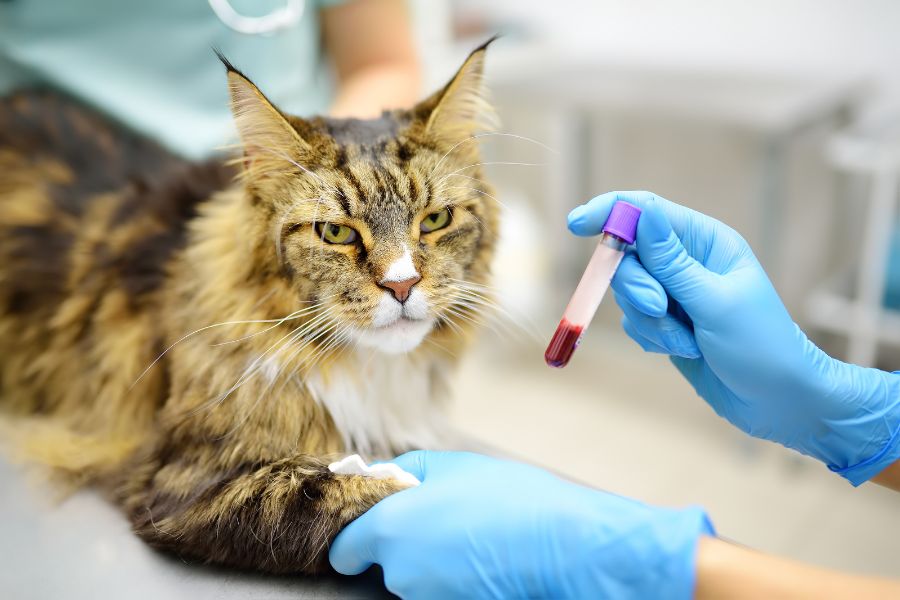
The American Association of Feline Practitioners recommends checkups every six months for cats 7 years and older. For geriatric cats over 15, visits may be needed every four months. These exams catch diseases early, when treatment is most effective.
What Tests Senior Cats Need
Your vet will perform a comprehensive evaluation. The following tests are essential.
| Test | Purpose |
|---|---|
| Physical exam | Full check of eyes, ears, mouth, heart, joints, abdomen |
| Body weight and muscle score | Track sarcopenia |
| CBC and blood chemistry | Check for anemia, infection, liver and kidney function |
| SDMA test | Detects kidney disease up to four months earlier |
| Total T4 | Screens for hyperthyroidism |
| Urinalysis and UPC ratio | Assess kidney function, detect protein loss |
| Blood pressure | Checks for hypertension |
| Fecal exam | Rules out parasites |
| Dental exam | Looks for tartar, resorption, gum disease |
Establishing baseline values early helps track changes over time. Bring a video of abnormal behavior if your cat acts differently at home.
Adapting Your Home for a Senior Cat
Making Litter Boxes Accessible
Litter box issues often stem from pain or difficulty accessing the box.
Use low-entry boxes by cutting down one side of a large plastic bin. Place one box per cat, plus one extra, on every floor. Use unscented, low-dust litter. Scoop daily and clean weekly. Keep boxes quiet and accessible.
Avoid covered boxes. They trap odors and make escape feel difficult for arthritic cats.
Optimizing Food and Water Stations
Place multiple feeding stations in quiet areas. Use wide, shallow bowls to prevent whisker stress. Elevate bowls to reduce neck strain. Keep food and water separate since cats avoid drinking near food. Offer water fountains since many cats prefer moving water.
For cats with reduced smell, warm food slightly to enhance aroma.
Improving Mobility and Safety
Install ramps or steps to favorite perches. Use non-slip mats on tile or hardwood floors. Add soft bedding near sunny spots or windows. Avoid rearranging furniture since senior cats rely on memory. Use nightlights to help with navigation.
For blind cats, keep the layout predictable and call their name before approaching.
Feeding Your Senior Cat Right
Choosing High-Quality, High-Protein Food
Older cats need more, not less, protein to maintain muscle mass.
Aim for at least 30 percent dry-matter protein. Kibble should have at least 27 percent labeled protein. Canned food should have at least 6 percent. Raw food should have at least 9.6 percent. Feed highly digestible, animal-based protein.
Myth alert: Low-protein senior kibble is healthier. Truth: It may accelerate muscle loss unless prescribed for kidney disease.
Preventing Dehydration
Senior cats are prone to chronic kidney disease and dehydration.
Feed canned food with 70 to 80 percent moisture. Offer multiple fresh water sources. Use water fountains. Try adding low-sodium broth or tuna juice to food.
For cats on dry food, consider mixing in water or broth to boost intake.
Adjusting Feeding Strategies
Switch from free-feeding to scheduled meals two to three times daily. Offer smaller, more frequent meals up to six times per day if digestion slows. Warm food to body temperature to stimulate appetite. Try pâté, shredded, or ground textures if chewing is painful.
Monitor appetite closely. A 36-hour fast can lead to hepatic lipidosis, a life-threatening liver condition.
Supporting Grooming and Dental Health
Helping with Self-Grooming
Arthritis or cognitive decline can make grooming difficult.
Brush longhaired cats daily and shorthairs two to three times per week. Use soft brushes or grooming gloves. Detangle mats gently without pulling. Trim nails monthly to prevent overgrowth or snagging. Bathe only if soiled since most cats do not need frequent baths.
Matted fur can lead to skin infections. If severe, seek veterinary help rather than cutting with scissors.
Prioritizing Dental Care
Dental disease affects most senior cats and causes pain, infection, and weight loss.
Signs of dental problems include bad breath, drooling, chewing on one side, pawing at the mouth, and red or bleeding gums. Treatment options include professional dental cleaning under anesthesia, daily tooth brushing if possible, and dental diets, treats, or water additives.
Untreated dental disease can lead to bacterial spread to the heart, kidneys, or liver.
Managing Pain and Chronic Conditions
Recognizing Hidden Pain
Cats rarely cry out when in pain. Watch for avoiding jumps or stairs, licking joints, hiding more than usual, aggression when touched, poor grooming, and litter box accidents.
Pain can stem from arthritis, dental disease, or internal illness.
Using Safe Pain Treatments
Never give human medications. Ibuprofen and acetaminophen are fatal to cats.
Veterinary options include meloxicam, an NSAID used only under vet supervision. Gabapentin works for nerve pain and anxiety. Joint supplements like glucosamine, chondroitin, and MSM help. Omega-3 fatty acids reduce inflammation. Heated beds soothe stiff joints.
Weight management is crucial since every extra pound increases joint stress.
Administering Medications Safely
If your cat resists pills, ask about transdermal gels applied to the ear. Try liquid formulations or compounded flavored meds. Mix medication with strong-smelling food like tuna.
Treatment should not cause more stress than relief.
Boosting Mental and Emotional Health
Maintaining a Predictable Routine
Cats thrive on consistency. Keep feeding times regular, sleeping spots unchanged, and play sessions short and frequent. Avoid loud noises, new pets, or sudden changes.
Encouraging Gentle Enrichment
Even older cats benefit from mental stimulation.
Use wand toys or laser pointers, but always end with a physical toy. Try food puzzles or hidden treats. Rotate toys to keep interest. Engage in five-minute play sessions daily.
Do not introduce a kitten to liven things up. Young cats can stress seniors and shift household attention.
Supporting Cognitive Function
For cats with disorientation or nighttime yowling, use familiar scents like old blankets. Provide daily interaction and affection. Consider brain-support supplements like SAMe, MCT oil, and antioxidants. Omega-3s also help.
Prescription diets like Hills b/d or Purina NeuroCare can slow cognitive decline and improve quality of life.
Watching for Common Senior Diseases
Chronic Kidney Disease
This is the leading cause of death in older cats and is often silent until advanced. Signs include increased thirst and urination, weight loss, vomiting, and bad breath. Management includes prescription renal diets, subcutaneous fluids, and medications.
SDMA testing helps catch it early.
Hyperthyroidism
This is the most common endocrine disorder in seniors. Causes include weight loss despite increased appetite, hyperactivity, and rapid heart rate. Treatment involves medication, radioactive iodine, or special diets.
Diabetes Mellitus
This condition is rising in prevalence, especially in obese cats. Signs include increased thirst and urination, weight loss, and lethargy. Management requires insulin, low-carb diet, and consistent feeding.
Other Conditions to Monitor
Arthritis requires pain meds, supplements, and ramps. Dental disease causes pain and systemic illness. Hypertension can cause sudden blindness, so screen regularly. Cancer shows as lumps, weight loss, and lethargy. Constipation occurs due to dehydration or inactivity.
When to Call the Vet Immediately
Seek immediate care if your cat has not eaten for 36 or more hours, loses weight suddenly, vomits or has diarrhea for more than 24 hours, has trouble breathing, is disoriented or seizing, shows blood in urine or stool, or has open wounds or non-healing sores.
Early intervention saves lives.
Planning for End-of-Life Care
Using the HHHHHMM Scale
Veterinarians assess quality of life using this scale.
Hurt asks whether pain is controlled. Hunger asks if they can eat. Hydration checks if they are drinking or getting fluids. Hygiene examines whether they are clean and free of sores. Happiness determines if they purr, interact, or enjoy life. Mobility checks if they can move without help. More good days than bad provides the final assessment.
Score each weekly. Declining scores signal it is time to talk with your vet.
Considering Hospice and Palliative Care
Focus on comfort rather than cure. Use pain and nausea medications. Administer subcutaneous fluids at home. Provide soft bedding and assisted feeding. Monitor frequently.
Many vets offer in-home hospice support.
Making Euthanasia Decisions with Compassion
Euthanasia is a loving, humane choice when suffering outweighs joy.
Discuss the procedure with your vet. Ask about home euthanasia options and aftercare, whether burial or cremation.
You are not failing your cat by letting go. You are protecting them from pain.
Frequently Asked Questions About Senior Cat Care
At What Age Should I Start Senior Cat Care
Begin senior-focused care around age 7 or 8. This is when age-related changes start appearing, even if your cat seems healthy. Early intervention prevents problems from developing.
How Often Should I Take My Senior Cat to the Vet
Schedule wellness exams every six months for cats aged 7 to 14. For cats over 15, visit every four months. Cats with chronic conditions may need more frequent monitoring.
What Are Signs My Senior Cat Is in Pain
Watch for reluctance to jump or climb, licking joints, hiding more than usual, aggression when touched, poor grooming, and litter box accidents. Cats hide pain well, so subtle changes matter.
Should I Change My Senior Cat’s Diet
Switch to high-quality senior cat food with high protein content. Avoid low-protein diets unless prescribed for kidney disease. Canned food helps with hydration. Always consult your vet before making dietary changes.
How Can I Help My Senior Cat With Mobility Issues
Install ramps or steps to favorite perches. Use low-entry litter boxes. Place non-slip mats on slippery floors. Provide heated beds for joint comfort. Keep furniture in the same positions.
When Should I Consider End-of-Life Care for My Cat
Consider quality of life when your cat experiences more bad days than good, cannot eat or drink adequately, shows no interest in surroundings, or has uncontrolled pain despite treatment. Discuss options with your veterinarian.
Key Takeaways for Caring for Your Senior Cat
Caring for a senior cat is one of the most rewarding parts of pet ownership. With regular veterinary care, environmental support, proper nutrition, and emotional enrichment, your aging companion can enjoy their final years with comfort, dignity, and love.
Start by scheduling biannual vet visits and establishing baseline health values. Adapt your home with low-entry litter boxes, multiple water sources, and mobility aids like ramps. Feed high-protein food to prevent muscle loss and ensure proper hydration. Monitor behavior changes closely since cats hide illness well.
Use the checklist below to stay on track. Schedule vet visits every six months. Provide high-quality senior diet with at least 30 percent protein. Offer multiple water sources and canned food. Maintain consistent routines. Address pain promptly with veterinary guidance.
Cherish every purr and tender moment. Your senior cat gave you years of love and companionship. Now is the time to return that devotion with the attentive care they deserve.