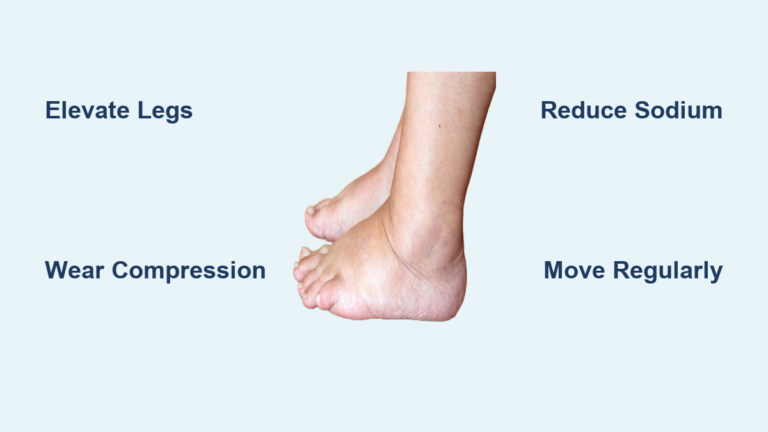
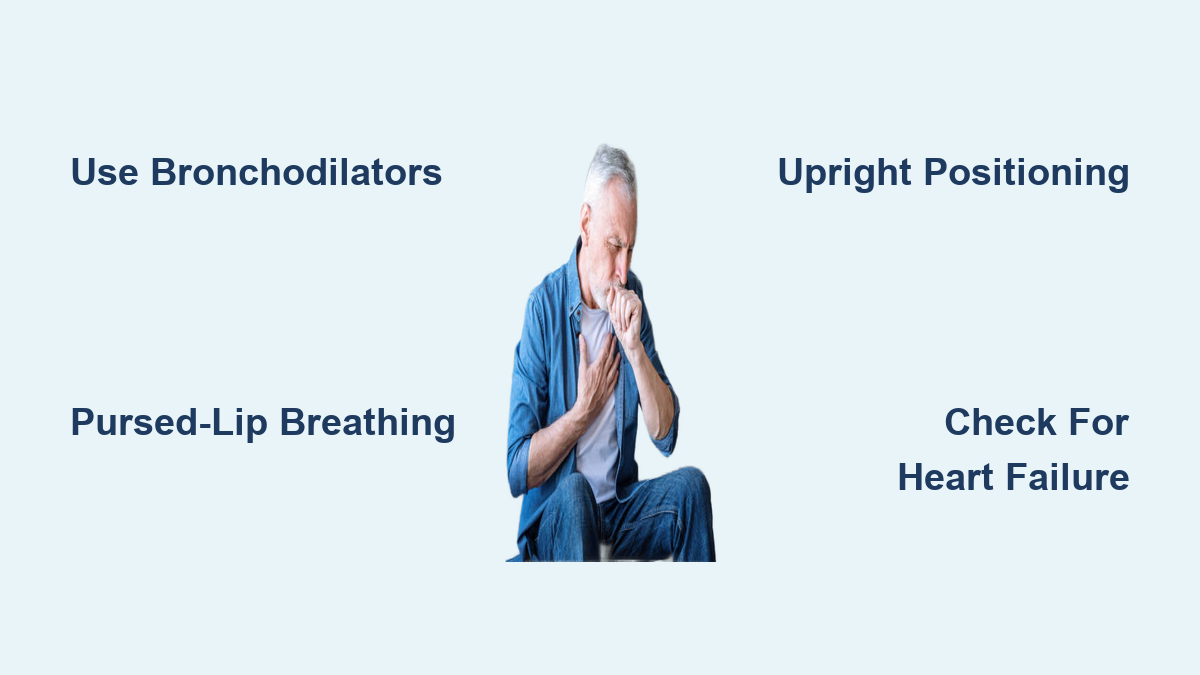
Wheezing in the elderly is not a normal sign of aging. This high-pitched whistling sound during breathing signals narrowed airways from conditions like COPD, asthma, heart failure, or lung infections. Seniors face higher risks because of weakened lungs, reduced cough strength, and health issues that mask typical symptoms. What gets dismissed as “just getting old” could be a treatable or life-threatening condition requiring prompt medical attention.
This guide covers proven strategies for treating wheezing in older adults, from immediate relief techniques like inhaler use and breathing exercises to long-term management plans. You will learn how to identify the underlying cause, when to seek emergency care, and which diagnostic tests ensure accurate treatment. Whether you are a caregiver or managing your own health, these steps can prevent hospitalizations and improve quality of life.
Quick Relief Strategies for Wheezing
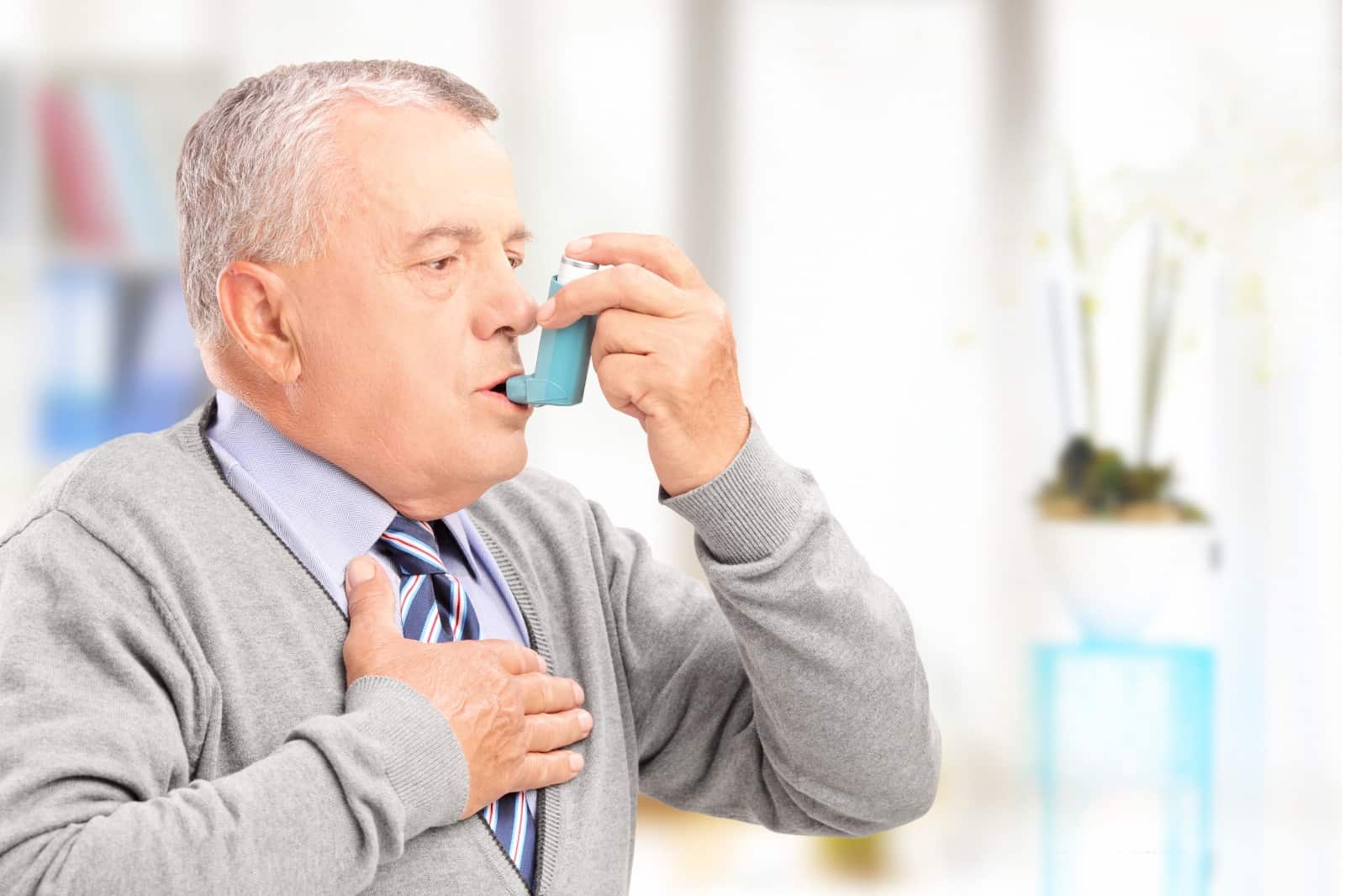
When wheezing strikes, taking immediate action can ease breathing and prevent symptoms from worsening while awaiting medical evaluation.
Using Bronchodilators Correctly
Short-acting bronchodilators like albuterol provide fast relief by opening narrowed airways. These medications work within minutes and last four to six hours.
Use two puffs every four to six hours as needed during wheezing episodes. Nebulizers offer an alternative for seniors with severe breathlessness or difficulty coordinating handheld inhalers. Always attach a spacer to metered-dose inhalers to improve medication delivery to the lungs and reduce side effects like oral thrush.
Avoid over-the-counter epinephrine inhalers. They carry higher risks of rapid heart rate and elevated blood pressure, particularly concerning for those with heart disease.
Breathing Techniques for Immediate Relief
Pursed-lip breathing helps keep small airways open longer during exhalation, reducing the sensation of breathlessness.
To practice this technique, relax your shoulders and inhale slowly through your nose for two seconds. Pucker your lips as if blowing out a candle, then exhale gently through pursed lips for four to six seconds. Repeat until breathing feels easier. Practicing this daily builds respiratory control and proves especially helpful during flare-ups or after physical activity.
Optimal Positioning for Breathing
Sitting upright utilizes gravity to expand your chest cavity and ease diaphragm movement. The semi-Fowler position at a thirty to forty-five degree angle works well for most episodes. During severe wheezing, the high-Fowler position at sixty to ninety degrees may provide better relief.
Elevating the head of the bed six to eight inches reduces nighttime wheezing, particularly beneficial for those with heart failure or GERD. This simple adjustment prevents fluid from pressing on airways while lying down.
Environmental Adjustments for Faster Relief
Dry air irritates airways and worsens wheezing. A cool-mist humidifier set to forty to fifty percent humidity soothes inflamed passages and thins mucus. Clean the unit weekly to prevent mold or bacterial growth.
Warm fluids like herbal tea or broth hydrate airway linings and loosen secretions. Stay well-hydrated throughout the day to support mucus clearance. Avoid caffeine and alcohol, which can cause dehydration.
Remove triggers immediately when wheezing begins. Step away from tobacco smoke, strong perfumes, cleaning sprays, and other irritants. Wear a scarf over your mouth outdoors in cold, dry air. Use HEPA filters at home and check air quality reports before outdoor activities.
Identifying the Underlying Cause
Treating wheezing effectively requires finding the root cause rather than just managing symptoms. Several conditions commonly trigger wheezing in older adults.
Asthma in Later Life
Asthma can develop for the first time in seniors or persist from earlier years. This condition is often missed because symptoms mimic heart disease or general deconditioning.
Key signs include episodic wheezing, chest tightness, and nighttime cough that worsens with allergens, cold air, or infections. Some elderly patients only show fatigue or reduced activity tolerance.
Diagnosis involves spirometry with reversibility testing. An improvement in FEV1 of twelve percent or more and at least two hundred milliliters after bronchodilator confirms asthma. Treatment includes inhaled corticosteroids combined with long-acting bronchodilators for daily control, with short-acting bronchodilators reserved for rescue.
COPD as the Most Common Cause
Chronic Obstructive Pulmonary Disease affects millions of seniors, primarily from smoking. Over thirty-eight percent of COPD patients experience wheezing, especially during exertion or infections.
Symptoms include chronic cough with sputum, progressive shortness of breath, and frequent flare-ups. Diagnosis requires post-bronchodilator spirometry showing an FEV1 to FVC ratio below seventy percent.
Treatment starts with long-acting anticholinergics or long-acting bronchodilators. Inhaled corticosteroids are added for patients with frequent exacerbations. Smoking cessation remains critical to slow disease progression.
Heart Failure Mimicking Asthma
Cardiac asthma produces wheezing from fluid backing into lungs due to left-sided heart failure. This condition requires entirely different treatment than true asthma.
Warning signs include trouble breathing when lying flat, waking up gasping at night, and crackles heard during lung examination, especially at the bases. Unlike asthma, cardiac wheezing shows poor response to inhalers but improves rapidly with diuretics.
Diagnosis involves BNP or NT-proBNP blood tests and echocardiography to evaluate heart function. Treatment focuses on diuretics to remove fluid, ACE inhibitors or ARBs, and cardioselective beta-blockers to protect heart function.
Lung Infections Causing Acute Wheezing
Pneumonia, influenza, RSV, and COVID-19 can all trigger acute wheezing in seniors. These infections inflame airways and produce dangerous symptoms in older adults with weaker immune systems.
Bacterial pneumonia requires antibiotics like amoxicillin-clavulanate. Antiviral medications like oseltamivir for flu or nirmatrelvir for COVID-19 work best when started within forty-eight hours of symptom onset. RSV vaccines now help prevent this dangerous infection in adults over sixty.
GERD and Reflux-Related Wheezing
Gastroesophageal reflux disease affects over thirty percent of seniors and can cause wheezing through acid irritating airways or triggering nerve reflexes.
Wheezing after meals or at night, along with heartburn or regurgitation, suggests GERD as a contributor. An eight-week trial of proton pump inhibitors can confirm whether reflux drives the wheezing.
Treatment combines PPIs with lifestyle changes like avoiding meals two to three hours before bedtime, elevating the head of the bed, and maintaining healthy weight.
Less Common but Serious Causes
New wheezing in a smoker or former smoker warrants investigation for lung cancer. Warning signs include persistent cough, unexplained weight loss, coughing up blood, and recurrent pneumonia in the same area.
Pulmonary embolism causes sudden wheezing, especially in immobile or post-surgical seniors. Additional symptoms include sudden shortness of breath, chest pain worsening with breathing, and rapid heart rate.
Vocal cord dysfunction mimics asthma but involves abnormal vocal cord closure during breathing. Diagnosis requires laryngoscopy during symptoms, and treatment involves speech therapy and breathing retraining.
Long-Term Treatment Approaches
.png)
Once the cause is identified, long-term management focuses on controlling symptoms, preventing flare-ups, and preserving daily function.
Optimizing Inhaler Technique
Many elderly patients misuse inhalers, reducing effectiveness by up to ninety percent. Using a spacer with metered-dose inhalers dramatically improves lung delivery. Rinsing mouth after inhaled corticosteroid use prevents thrush.
Common regimens include inhaled corticosteroids plus long-acting bronchodilators for asthma and long-acting anticholinergics or combinations for COPD. Regular technique checks with a pharmacist or nurse ensure medications work properly.
Managing Heart Failure Effectively
When heart failure causes wheezing, treatment involves diuretics to reduce lung congestion. SGLT2 inhibitors like dapagliflozin now receive recommendation even for heart failure patients without diabetes. Cardioselective beta-blockers like carvedilol improve survival.
Avoid non-selective beta-blockers like propranolol, which worsen wheezing. Regular medication reviews help prevent interactions that could complicate breathing.
Pulmonary Rehabilitation Benefits
Supervised exercise programs improve breathing, reduce hospitalizations, and enhance quality of life for COPD and asthma patients. Programs include exercise training, breathing techniques, nutrition counseling, and disease education.
Essential Lifestyle Changes
Quitting smoking remains the single most important step for COPD patients. Support options include nicotine replacement therapy, prescription medications like varenicline, and counseling.
Nutrition matters for lung health. Focus on antioxidant-rich foods including citrus, bell peppers, leafy greens, and nuts. Vitamin D from fatty fish or supplements supports respiratory function. Maintaining a healthy weight, neither underweight nor obese, improves outcomes.
Vaccination Protection
Preventing infections reduces wheezing episodes. Seniors should receive yearly flu shots, pneumococcal vaccines, COVID-19 boosters, and the RSV vaccine for adults over sixty.
Diagnostic Testing You Need
Accurate diagnosis often requires several tests, particularly since elderly symptoms overlap significantly.
Spirometry Testing
Spirometry measures how much and how fast air you can exhale. For asthma, look for reversibility with FEV1 improving after bronchodilator. For COPD, persistent obstruction with FEV1 to FVC below seventy percent confirms the diagnosis. Every elderly patient with chronic cough or wheezing should receive this test.
Chest Imaging
Chest X-rays quickly rule out pneumonia, heart failure, lung masses, and fluid accumulation. More detailed CT scans follow when X-ray results seem unclear or persist despite treatment.
Cardiac Evaluation
Echocardiograms use ultrasound to evaluate heart pumping strength and detect valve disease or fluid around the heart. This test proves essential when heart failure might cause wheezing.
Specialized Tests
Swallowing studies identify aspiration risks in seniors with dysphagia. Laryngoscopy views vocal cords during breathing to diagnose dysfunction. These tests become necessary when initial treatments do not resolve symptoms.
When Wheezing Requires Emergency Care
Some situations demand immediate medical attention.
Call 911 Immediately When
Lips or nails turn blue, indicating cyanosis. Severe shortness of breath or gasping prevents speaking in full sentences. Chest pain or pressure occurs alongside breathing difficulty. Confusion, drowsiness, or fainting develops. Sudden wheezing follows eating, suggesting choking. Swelling combines with breathlessness, possibly indicating pulmonary embolism.
See a Doctor Promptly For
New or recurring wheezing, worsening symptoms despite home care, nighttime episodes, recent medication changes, or any history of heart or lung disease. Early evaluation prevents complications and ensures proper treatment.
Frequently Asked Questions About Treating Wheezing in Elderly
What is the fastest way to relieve wheezing in seniors?
Use prescribed bronchodilators like albuterol, sit upright to expand the chest, practice pursed-lip breathing, and remove environmental triggers like smoke or strong odors. If symptoms do not improve within minutes or worsen, seek medical attention.
Can heart failure cause wheezing in elderly patients?
Yes, heart failure commonly causes wheezing through fluid backing up into the lungs. This cardiac asthma responds poorly to asthma medications but improves with diuretics and heart failure treatments. Diagnosis requires echocardiography and BNP blood testing.
Is wheezing normal in older adults?
No, wheezing is never normal and always warrants investigation. While aging affects lung function, wheezing indicates narrowed airways from treatable conditions like asthma, COPD, heart failure, or serious diseases like lung cancer.
What inhalers are safest for elderly patients with wheezing?
Short-acting bronchodilators like albuterol provide safe rescue relief. Long-acting medications like tiotropium for COPD or fluticasone combinations for asthma are generally safe when used with proper technique and spacers. Cardioselective beta-blockers like carvedilol are preferred over non-selective types when heart medications are needed.
How do I differentiate between asthma and COPD wheezing?
Asthma typically shows reversibility on spirometry testing, with FEV1 improving significantly after bronchodilator. COPD shows persistent obstruction without significant reversibility. Asthma often begins earlier in life, while COPD usually relates to long-term smoking history.
Key Takeaways for Treating Wheezing in Elderly
Treating wheezing in seniors starts with recognizing it as a warning sign, not normal aging. Immediate relief comes from bronchodilators, upright positioning, and breathing techniques like pursed-lip breathing. However, lasting improvement requires diagnosing the underlying cause, whether asthma, COPD, heart failure, infection, or something more serious.
Accurate diagnosis through spirometry, chest imaging, and cardiac testing ensures proper treatment. Long-term management combines optimized inhaler use, heart failure medications, pulmonary rehabilitation, and lifestyle changes including smoking cessation and proper nutrition. Staying current with vaccinations prevents infections that trigger wheezing episodes.
Caregivers play a vital role in monitoring breathing, ensuring medication adherence, and recognizing when emergency care is needed. With proper diagnosis, tailored treatment, and consistent management, most elderly individuals can breathe easier and maintain better quality of life.