
Coughing in older adults isn’t a normal part of aging. It’s often a warning sign that something else is wrong. While occasional coughing helps clear the airways, frequent or persistent coughing in the elderly usually points to underlying health issues ranging from infections and chronic diseases to medication side effects and swallowing problems. Understanding why do the elderly cough so much is the first step toward getting proper treatment.
This guide breaks down the real reasons behind excessive coughing in seniors, from common infections and chronic conditions to hidden risks like silent aspiration. You’ll learn how to recognize warning signs, when to seek medical help, and practical steps for prevention and relief.
Common Medical Conditions That Cause Elderly Coughing

Viral Infections Trigger Most Acute Coughs
Viral respiratory infections are the top cause of short-term coughing in older adults. These infections often hit seniors harder because their immune systems don’t respond as quickly or effectively.
Rhinovirus causes most common colds but frequently spreads to the lower airways, leading to bronchitis. Influenza triggers sudden cough in 95% of cases, though seniors may lack fever and instead show confusion or weakness. Respiratory Syncytial Virus (RSV) is often more prevalent than flu in nursing homes and causes wheezing, congestion, and prolonged illness. Coronavirus contributes to about 26% of respiratory infections in adults over 79.
Recovery takes longer in seniors due to weakened immunity, and post-viral inflammation can extend coughing beyond three weeks. Many elderly patients do not report typical cold symptoms. Instead, caregivers notice increased fatigue, reduced appetite, or mental fogginess.
Bacterial Infections Cause Severe Complications
Though less common than viruses, bacterial infections are far more dangerous and often follow viral illness. Streptococcus pneumoniae causes about half of all community-acquired pneumonia cases in seniors. Haemophilus influenzae is the second most common bacterial culprit in bronchitis and pneumonia. Bordetella pertussis (whooping cough) leads to violent coughing fits, vomiting, and sleep disruption, even in vaccinated older adults due to waning immunity.
Unlike younger adults, elderly patients may not develop high fever or chest pain with pneumonia. Instead, they present with confusion, falls, or worsening confusion in dementia. This makes diagnosis harder and delays treatment. If a cough worsens after initial improvement, suspect secondary bacterial pneumonia.
Postnasal Drip Irritates the Throat
Postnasal drip, also known as upper airway cough syndrome, is the most common cause of chronic cough in seniors. Mucus drips down the back of the throat, especially when lying down, triggering a wet or tickly cough at night.
Causes include chronic sinusitis, allergic or non-allergic rhinitis, and vasomotor rhinitis. Patients often report constant throat clearing or a sensation of something stuck in the throat. Diagnosis is clinical, meaning no test confirms it definitively. Trial treatment with antihistamines or nasal steroids can help confirm the cause.
GERD Triggers Silent Nighttime Cough
Gastroesophageal reflux disease (GERD) causes chronic dry cough, particularly at night, without classic heartburn. Stomach acid refluxes into the esophagus and may reach the larynx. Lying flat increases reflux risk, making nocturnal cough a hallmark. Cough may be the only symptom, so-called silent reflux.
Seniors are especially prone due to weakened lower esophageal sphincters and delayed gastric emptying. Medications like calcium channel blockers and anticholinergics worsen GERD. Elevating the head of the bed by 6-8 inches reduces nighttime reflux and coughing.
COPD and Chronic Bronchitis Drive Wet Cough
Chronic Obstructive Pulmonary Disease (COPD), primarily caused by smoking, includes chronic bronchitis. This is defined as a productive cough for at least three months in two consecutive years. Cough produces thick, discolored sputum and is often worse in the morning. Acute exacerbations triggered by viruses or pollution increase mucus and breathlessness.
Rhinovirus is a major trigger of flare-ups. Without proper management, COPD leads to progressive lung damage and frequent hospitalizations.
Asthma Is Underdiagnosed in Seniors
Asthma is not just a childhood condition. Late-onset asthma affects many older adults and is often missed. Cough may be the only symptom in cough-variant asthma. Nocturnal cough and wheezing are key clues. It is often misdiagnosed as COPD or aging lungs.
Diagnosis requires pulmonary function tests (PFTs). Treatment includes inhaled bronchodilators and corticosteroids. Undertreated asthma increases fall risk due to nighttime awakenings and breathlessness.
ACE Inhibitors Cause Dry, Persistent Cough
Medications are a surprisingly common cause of chronic cough. ACE inhibitors used for high blood pressure and heart failure are notorious for causing dry, hacking cough. This affects up to 40% of users, more commonly in women. The cough is caused by buildup of bradykinin and substance P in the airways. It starts days to weeks after beginning the drug and resolves within days to weeks of stopping.
Switching to an angiotensin receptor blocker (ARB) like losartan usually eliminates the cough without losing blood pressure control. If a senior develops a new cough after starting lisinopril, enalapril, or ramipril, consider this first.
Hidden Risks: Swallowing Problems and Aspiration
Dysphagia Leads to Mealtime Coughing
Coughing during or after eating is not normal and signals dysphagia, a swallowing dysfunction. Common causes include stroke, Parkinson disease, dementia, dry mouth from medications, and poor dentition or ill-fitting dentures.
Signs of dysphagia include choking or gagging while eating, wet-sounding voice after swallowing, frequent throat clearing, unexplained weight loss, and prolonged meal times. Even mild swallowing issues increase the risk of aspiration pneumonia, a life-threatening infection caused by food or saliva entering the lungs.
Silent Aspiration Puts Seniors at Risk
Some elderly individuals do not cough when they aspirate, a condition called silent aspiration. This is common in those with neurological impairments. There are no obvious signs until pneumonia develops. It can lead to recurrent lung infections and chronic cough.
Videofluoroscopic swallow studies are the gold standard for diagnosis. Early intervention with speech therapy and dietary modifications like thickened liquids can reduce risk. Watch for coughing, drooling, or breathing changes during meals, even subtle ones.
Why Aging Bodies Are More Vulnerable
Immune System Declines with Age
Immunosenescence means the immune system becomes less effective over time. This leads to slower response to pathogens, reduced vaccine efficacy, longer recovery from infections, and atypical presentations like no fever with pneumonia.
This makes seniors more susceptible to respiratory viruses and bacterial complications, even from mild colds.
Weakened Cough Reflex Increases Danger
The cough reflex, the body’s way of clearing the airway, diminishes with age. There is reduced sensitivity to irritants like dust or mucus, weaker expiratory muscles, and impaired coordination in neurological conditions.
Result? Seniors cannot clear secretions effectively, increasing risks of mucus buildup, aspiration, and pneumonia. Women generally have stronger cough reflexes than men, but this advantage fades with age.
Medications Dry the Mouth and Throat
Many common drugs cause xerostomia (dry mouth), worsening cough and swallowing. Drugs that contribute include anticholinergics for bladder control, diuretics, antidepressants, antipsychotics, and opioids.
Dry mouth irritates the throat and reduces saliva, which normally protects against infections and aids swallowing. Sugar-free lozenges or oral moisturizers can help, but avoid hard candies in those with dysphagia.
How to Identify Serious Cough Patterns
Nighttime Cough Signals Underlying Disease
Cough that worsens at night should never be ignored. Postnasal drip causes throat clearing and mucus in throat upon waking. GERD worsens after late meals with no heartburn. Asthma causes wheezing and breathlessness at night. Heart failure causes cough with shortness of breath when lying flat, called cardiac cough. Lung cancer causes persistent cough with weight loss and blood-tinged sputum.
Keep a symptom diary tracking timing, triggers, and associated symptoms.
Paroxysmal Coughing Can Be Dangerous
Sudden, violent coughing spells (paroxysms) are common in pertussis, asthma, post-viral irritation, and GERD. These episodes can lead to rib fractures due to osteoporosis, urinary incontinence, fainting (cough syncope), and falls and head injuries.
If coughing causes vomiting or loss of consciousness, seek medical evaluation immediately.
Wet vs. Dry Cough: What It Means
Wet (productive) cough likely indicates bronchitis, pneumonia, COPD, bronchiectasis, or postnasal drip. Dry (non-productive) cough likely indicates ACE inhibitors, viral infection, asthma, GERD, or laryngitis.
However, self-reporting is subjective. Some patients describe mucus presence even with dry coughs. Do not suppress a wet cough completely because it helps clear infection. Use expectorants cautiously.
When to Seek Medical Help
Red Flags That Demand Evaluation
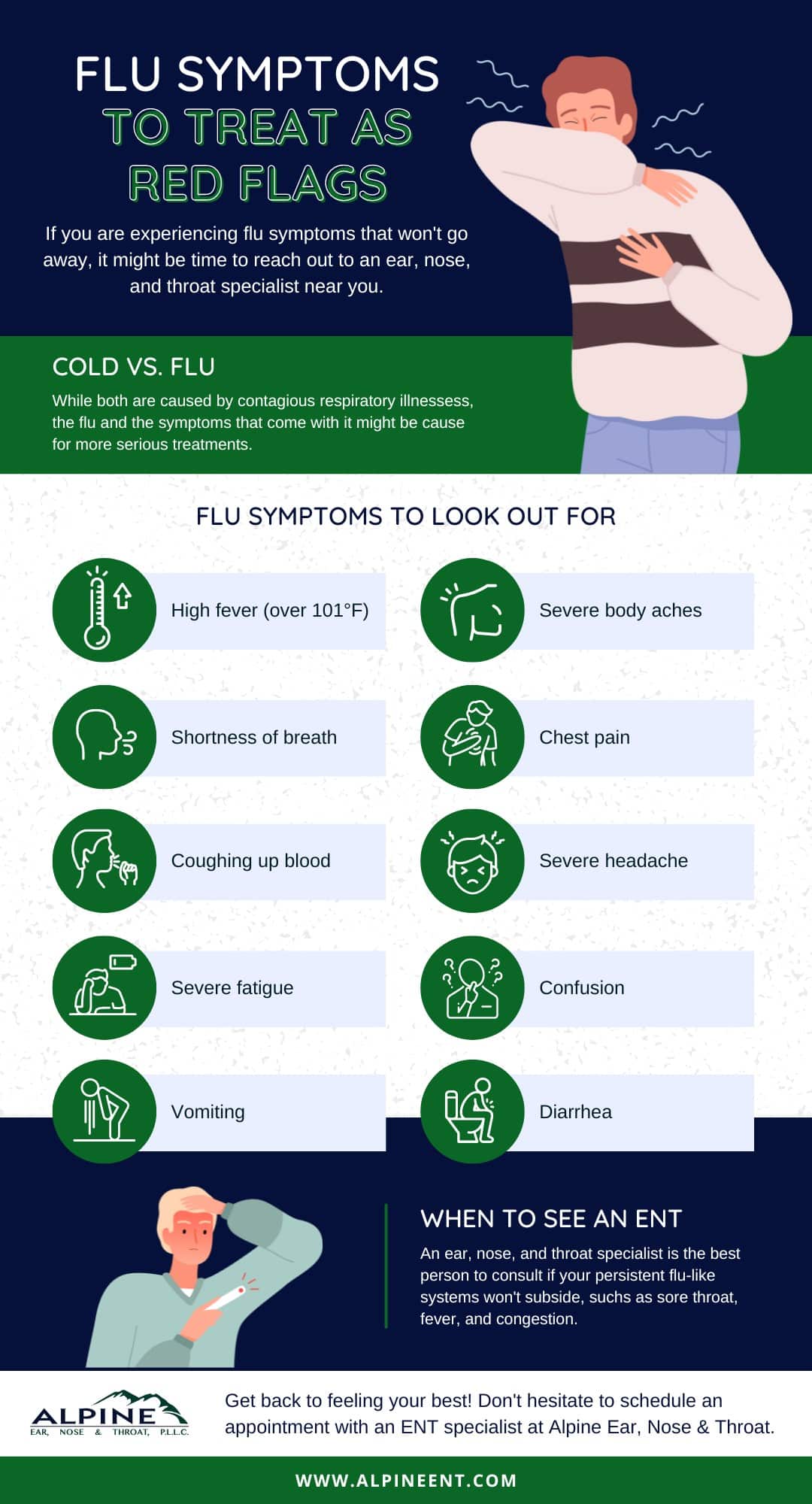
Seek immediate medical care if the elderly person has cough lasting more than 3 weeks, coughing up blood (hemoptysis), unexplained weight loss, shortness of breath at rest, fever over 101°F (38.3°C), confusion or lethargy, swallowing difficulties or choking, or chest pain with coughing.
Even without these, a cough interfering with sleep, eating, or daily activities warrants assessment.
Diagnostic Tools Doctors Use
Physicians rely on history and exam first. Additional tests may include chest X-ray to rule out pneumonia, heart failure, or lung cancer. Pulmonary function tests diagnose asthma or COPD. Sputum culture identifies bacterial infection if productive cough is present. Viral PCR tests detect flu, RSV, SARS-CoV-2. pH monitoring confirms GERD in refractory cases. Laryngoscopy checks for vocal cord issues. Swallow study evaluates aspiration risk.
No single test diagnoses all causes. Doctors use a stepwise approach.
Treatment: Fix the Cause, Not Just the Symptom
Stop ACE Inhibitors for Drug-Induced Cough
If a patient takes an ACE inhibitor and has a dry cough, discontinue the drug and switch to an ARB like losartan or valsartan. Cough usually resolves within 1-4 weeks. No other medication change is this straightforward and effective.
Treat GERD to Stop Nighttime Cough
For reflux-related cough, make lifestyle changes like avoiding eating 2-3 hours before bed, elevating the head of the bed, and avoiding spicy, fatty, or acidic foods. Medications include proton pump inhibitors like omeprazole or H2 blockers like famotidine if PPIs are not tolerated.
Treatment may take 8-12 weeks to fully relieve cough.
Manage COPD and Asthma with Inhalers
For obstructive lung diseases, use short-acting bronchodilators like albuterol for quick relief. Use long-acting bronchodilators like salmeterol or tiotropium. Use inhaled corticosteroids like fluticasone or budesonide.
Regular use prevents exacerbations and reduces chronic cough. Teach proper inhaler technique because many seniors misuse devices, reducing effectiveness.
Use Antitussives Wisely for Symptom Relief
Cough suppressants help only when cough disrupts sleep or causes pain. Dextromethorphan (Delsym) is safe at low doses with mild effect. Codeine or hydrocodone are more effective but carry risk of sedation, confusion, and constipation. Benzonatate has peripheral action but can cause dizziness. Avoid in cognitive impairment.
Avoid over-the-counter combination products because they often contain ingredients unnecessary or harmful in seniors.
Prevention: Reduce Risk Before Cough Starts
Vaccinations Prevent Severe Illness
Prevention is the best medicine. Essential vaccines for seniors include influenza vaccine annually, which reduces hospitalization by over 50%. Pneumococcal vaccines like PCV20 or PCV15 plus PPSV23. Tdap (pertussis) booster, especially for caregivers. COVID-19 boosters as recommended.
Vaccines cut pneumonia risk, shorten illness duration, and reduce transmission in care homes.
Improve Indoor Air Quality
Dry, polluted air irritates aging airways. Use humidifiers and keep humidity at 30-50%. Install HEPA air purifiers to remove allergens. Avoid smoke, strong perfumes, and cleaning chemicals. Change HVAC filters regularly.
Promote Hydration and Oral Health
Dehydration thickens mucus, making it harder to clear. Encourage warm fluids like herbal tea or broth. Offer honey before bed, which is shown to reduce cough frequency. Use saline nasal sprays for dry nasal passages. Maintain good oral hygiene to prevent aspiration pneumonia.
Avoid excessive caffeine and alcohol because they dehydrate.
Home Remedies That Actually Work
Honey Soothes and Suppresses Cough
One of the most effective natural remedies is 1-2 teaspoons of honey at bedtime. This reduces cough severity and improves sleep. Honey works as a demulcent, coating and soothing the throat. It is safer than OTC cough medicines in older adults.
Do not give honey to infants under 1 year due to risk of botulism.
Steam and Humidity Loosen Mucus
Inhaling warm, moist air helps loosen thick secretions, soothe irritated airways, and reduce cough frequency. Try a warm shower, a bowl of hot water with towel over head (supervised), or a cool-mist humidifier in bedroom.
Avoid scented oils because some can irritate lungs.
Saltwater Gargle Reduces Throat Irritation
Mix 1/2 teaspoon salt in 8 ounces warm water. Gargle 2-3 times daily. This helps clear postnasal drip and reduce throat inflammation. It is also useful for dry mouth or sore throat from frequent coughing.
Caregiver Strategies for Safer Mealtimes
Modify Food Texture to Prevent Choking
For those with dysphagia, cut food into small, bite-sized pieces. Use thickened liquids if recommended. Offer soft, moist foods like mashed potatoes or scrambled eggs. Avoid dry, crumbly, or sticky foods like bread or peanut butter.
Consult a speech-language pathologist for personalized recommendations.
Encourage Upright Positioning During Meals
Sit upright at 90 degrees during eating. Remain seated for at least 45 minutes after meals. Minimize distractions like TV or phone to focus on swallowing.
These habits reduce reflux and aspiration risk.
Train for Choking Emergencies
Know how to respond if someone chokes. If coughing forcefully, encourage continued coughing. If unable to breathe, speak, or cough, perform abdominal thrusts (Heimlich maneuver). Stand behind, make a fist above navel, and deliver five quick upward squeezes.
For pregnant or obese individuals, use chest thrusts. Call emergency services immediately.
All caregivers should take a basic life support (BLS) course.
Frequently Asked Questions About Elderly Coughing
Why is my elderly parent constantly coughing?
Constant coughing in the elderly is usually caused by underlying health issues rather than aging itself. Common causes include postnasal drip, GERD, chronic bronchitis, asthma, medication side effects (especially from blood pressure drugs like ACE inhibitors), and swallowing problems. A cough lasting more than three weeks needs medical evaluation.
When should I worry about an elderly person’s cough?
Seek immediate medical help if the cough lasts more than three weeks, produces blood, comes with unexplained weight loss, causes shortness of breath at rest, includes fever over 101°F, brings confusion, or involves swallowing difficulties or chest pain. Even without these warning signs, a cough disrupting sleep, eating, or daily activities warrants assessment.
What medications cause chronic cough in seniors?
ACE inhibitors like lisinopril, enalapril, and ramipril (blood pressure medications) are the most common culprits. They cause dry, persistent cough in up to 40% of users, especially women. The cough typically starts days to weeks after starting the medication and resolves within weeks of switching to an ARB like losartan.
Can a cough be a sign of something serious in the elderly?
Yes. Cough can indicate pneumonia, heart failure, lung cancer, or aspiration pneumonia. Seniors often do not show typical symptoms like fever or chest pain with serious conditions. Instead, they may present with confusion, falls, or reduced appetite. Never dismiss elderly coughing as normal aging.
How can I help an elderly person stop coughing at night?
Elevate the head of the bed by 6-8 inches to reduce GERD-related nighttime cough. Use a cool-mist humidifier to add moisture to the air. Avoid giving them food or drinks within 2-3 hours of bedtime. Treat underlying causes like postnasal drip with saline sprays or antihistamines. Honey before bed can soothe throat irritation.
What is silent aspiration in the elderly?
Silent aspiration occurs when food or saliva enters the lungs without triggering a cough. This is common in elderly with neurological conditions like dementia, Parkinson’s, or after stroke. It can lead to recurrent pneumonia and chronic cough without obvious signs. Diagnosis requires a videofluoroscopic swallow study. Early intervention with speech therapy and dietary changes can prevent complications.
Key Takeaways for Addressing Elderly Coughing
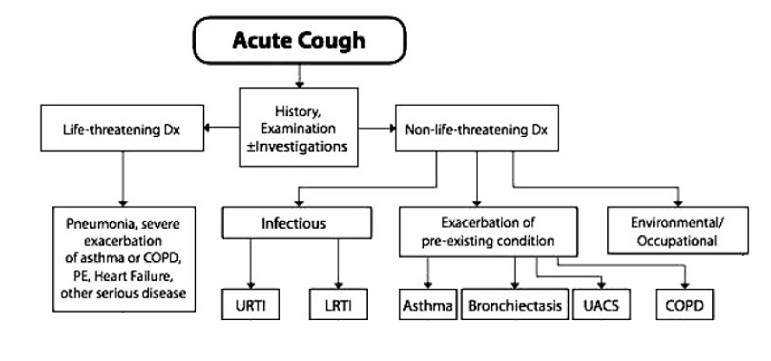
Frequent coughing in the elderly is never just part of getting older. It is a symptom that demands investigation. The causes range from infections and chronic diseases like COPD and asthma to medication side effects and swallowing disorders. Recognizing patterns like nighttime coughing, wet vs. dry coughs, or coughing during meals helps caregivers and families intervene early.
Prevention is possible through annual vaccinations, improving indoor air quality, promoting hydration, and addressing swallowing problems promptly. When coughing persists, worsens, or comes with warning signs like confusion, weight loss, or breathing difficulty, seek medical evaluation immediately. Early action saves lives and prevents complications like pneumonia, malnutrition, and falls.
Understanding why do the elderly cough so much is the first step toward proper treatment. By addressing the root cause rather than just suppressing symptoms, you can help seniors breathe easier and live healthier.