You’re not imagining it. Losing belly fat after 50 feels harder than ever, and that’s because it actually is harder. Your metabolism has slowed, hormones have shifted, and years of sedentary habits have allowed visceral fat to accumulate around your organs. But here’s the good news: a flatter stomach is absolutely achievable for seniors, and the benefits go far beyond aesthetics. Reducing belly fat lowers your risk for heart disease, diabetes, and even cognitive decline.
This guide covers exactly what works for adults 50+. You’ll learn how to measure your real risk, eat to burn fat instead of storing it, perform safe core exercises tailored for seniors, and overcome the hidden barriers that keep your stomach from flattening. Let’s get started.
Why Belly Fat Is More Dangerous After 50
Belly fat isn’t just an inconvenience. It’s actually two different types of tissue working against you. Subcutaneous fat sits just under your skin and is pinchable. Visceral fat hides deeper, wrapping around your liver, pancreas, and intestines. This deeper fat is metabolically active, releasing inflammatory chemicals that disrupt your hormones and increase your risk for serious health conditions.
After 50, several factors conspire to increase visceral fat. Sarcopenia, the natural loss of muscle mass, begins accelerating around this age. Less muscle means a slower resting metabolism, making it easier to gain fat and harder to lose it. Hormonal shifts also play a major role. Women experiencing menopause see estrogen decline, which shifts fat storage from hips and thighs to the abdomen. Men experience declining testosterone, which similarly promotes abdominal fat accumulation.
A 2025 study found that midlife belly fat is even linked to beta-amyloid buildup in the brain, a hallmark of Alzheimer’s disease. This means your stomach fat isn’t just affecting your heart and metabolism. It may be influencing your cognitive future too.
Measure Your Belly Fat Risk Accurately
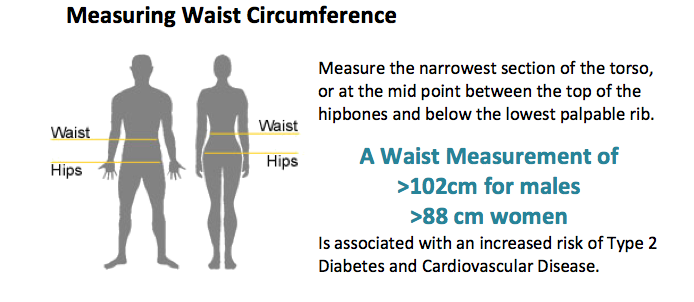
Your bathroom scale won’t tell you the whole story. Waist circumference is the single best way to track dangerous visceral fat, and you can measure it at home with a simple tape measure.
For women, a waist measurement of 35 inches or more at the navel indicates increased health risk. For men, the threshold is 40 inches. To measure correctly, stand with bare skin exposed at your midsection. Wrap the tape measure around your waist at navel level. Exhale naturally, and don’t suck in your stomach. Record the number and check it monthly.
Even a one to two inch reduction in waist circumference significantly lowers your disease risk. Many people see their waist shrink before they see any number change on the scale, so don’t get discouraged if weight loss seems slow.
Cut Added Sugars to Reduce Belly Fat

Sugar is public enemy number one when it comes to belly fat. When you consume excess sugar, your liver converts it directly into fat, and that fat preferentially deposits around your midsection. High insulin levels from frequent sugar consumption lock fat into your cells, making it nearly impossible to burn.
Start by eliminating these primary culprits from your diet. Sugary drinks like soda, sweet tea, and fruit juice provide massive sugar loads without filling you up. White bread, pastries, and muffins cause rapid blood sugar spikes. Processed snacks like chips and cookies are designed to be hyper-palatable, making it easy to overeat.
Replace these foods with whole alternatives. Instead of juice, eat whole fruit where fiber slows sugar absorption. Swap sugary cereals for steel-cut oats. Keep a water bottle with you and flavor it with lemon or berries instead of reaching for soda.
As Michele Promaulayko, author of Sugar Free 3, puts it: you cannot out-exercise a bad diet. Nutrition accounts for roughly 80 percent of your fat-loss results, no matter how diligently you exercise.
Follow an Anti-Inflammatory Diet for Fat Loss

The Mediterranean diet and plant-based eating patterns are proven to reduce visceral fat while supporting longevity. The key is focusing on whole, unprocessed foods that fight inflammation and keep you satisfied.
Build your meals around these food groups. Leafy greens like spinach, kale, and collard greens provide high fiber with minimal calories. Berries, especially blueberries and strawberries, offer polyphenols that fight inflammation while having a low glycemic impact. Lean protein sources including chicken, fish, tofu, eggs, and legumes preserve muscle mass and keep you feeling full. Whole grains like quinoa, oats, and brown rice provide slow-digesting carbohydrates that support gut health. Healthy fats from avocado, olive oil, walnuts, and chia seeds reduce inflammation and help balance hormones.
Aim for 25 to 30 grams of fiber daily. Fiber feeds beneficial gut bacteria, stabilizes blood sugar, and physically fills you up so you eat less. Most seniors fall significantly short of this target, so start adding more vegetables, legumes, and whole grains to every meal.
Time-Restricted Eating Can Help Burn Belly Fat
Limiting your eating to a 10 to 12 hour window aligns your food intake with your natural circadian rhythm and can improve insulin sensitivity. For example, you might eat between 8 AM and 6 PM, then fast for 14 hours overnight.
This approach gives your digestive system a rest and may enhance fat-burning during fasting periods. However, it won’t override poor food choices. Eating junk food within your eating window still causes weight gain. This method also isn’t safe for diabetics or those on blood sugar medications without medical supervision.
Start slowly if you want to try this. Begin with a 12-hour fast, such as stopping eating at 7 PM and breaking your fast at 7 AM. Gradually tighten the window if it works well for you.
Standing Twists for Core Strength and Spinal Mobility
This low-impact exercise fires up your obliques while improving posture and balance. Stand with feet shoulder-width apart and knees slightly bent. Bend your elbows to 90 degrees with hands at chest height, like a boxer’s guard. Twist your torso side to side, initiating the movement from your core rather than your arms. As you twist, lift the heel of the back foot with each turn. Perform continuously for 30 seconds.
If you need support, hold onto a chair for balance. For a greater challenge, lift your knee instead of your heel and increase your speed. This move targets your internal and external obliques, transverse abdominis, and lower back stabilizers.
Standing Mountain Climbers for Cardio and Core
This standing version of the classic floor exercise delivers cardiovascular benefits while protecting your joints. Stand tall with feet hip-width apart. Alternate lifting one heel at a time while bringing the opposite arm down in a rhythmic motion. Right arm down pairs with left heel up, then switch. Keep your chest lifted and core engaged throughout.
To increase intensity, lift your knees toward your waist instead of just your heels. Extend your arms forward to increase the demand on your core. Pick up the pace for a cardiovascular effect. This exercise works your rectus abdominis, obliques, hip flexors, and shoulders.
Side Steps with Push for Full-Body Engagement
This functional movement builds lateral stability while torching calories. Take two steps to the right. Rotate your upper body to the right while pushing outward forcefully with your left hand. Lift your left heel to assist the rotation. Return to center, then step left twice and push with your right hand to the left side. Alternate for 30 seconds.
Make this exercise harder by adding a slight squat on each step. Push forcefully through your heel to engage your glutes more fully. This move targets your obliques, glutes, hip abductors, and shoulders while improving coordination and metabolic demand.
Side Lunge with Diagonal Reach for Flexibility and Strength
This exercise stretches tight hip flexors while strengthening your legs and core. Step right into a side lunge, pushing your hips back while keeping your chest up. Reach your left hand toward the inside of your right leg in a diagonal stretch. Straighten your right leg and reach your left arm up toward the ceiling. Return to center and repeat. Perform four repetitions on each side.
Keep your weight in your heel as you lunge to protect your knee. For an advanced option, after reaching your arm up, step your right foot in to meet your left foot before repeating. This move works your quadriceps, glutes, hamstrings, hip flexors, and obliques.
Rotational Squat Step-Through for Functional Strength
This exercise builds rotational control, which is critical for fall prevention as you age. Stand with feet wider than hip-distance apart and knees slightly bent. Anchor your left foot and open your right foot outward. Shift your weight to your right side and perform a rotational squat, rotating your torso as you bend your knees slightly. Return to center, then step your right foot out, tap, and step back. Switch sides and repeat for 30 seconds per side.
To increase intensity, sink into a deeper squat or move at a quicker pace. Add an overhead arm reach for additional core engagement. This exercise targets your glutes, quadriceps, core muscles, and hip stabilizers while teaching the rotational control you need for everyday activities.
Build a Weekly Exercise Routine That Works
Consistency beats intensity every time. Start with this sample weekly plan and adjust based on your fitness level.
Monday should include a five-exercise circuit performing each move for 30 seconds with two rounds total, followed by gentle stretching. Tuesday works well for a 30-minute brisk walk combined with seated core exercises like abdominal bracing and pelvic tilts. Wednesday repeats Monday’s circuit plus 10 minutes of balance drills such as heel-to-toe walking and single-leg stands. Thursday is for rest or light activity like gardening or gentle yoga. Friday returns to three rounds of the full circuit plus a 15-minute walk. Saturday can be a chair-based workout or water aerobics. Sunday is rest.
Start with one round of the circuit and gradually build to three. Add resistance bands as you get stronger. Always prioritize form over speed or number of repetitions.
Prioritize Sleep to Lose Belly Fat
Poor sleep disrupts the hormones that control hunger. Ghrelin increases when you don’t sleep enough, making you feel hungry, while leptin decreases, making you feel less satisfied after eating. Seniors who sleep less than six hours per night are significantly more likely to gain belly fat.
Fix your sleep by going to bed and waking at the same time daily, even on weekends. Avoid screens for at least one hour before bed. Limit caffeine after 2 PM. Create a calming bedtime routine with herbal tea, light reading, or gentle stretching. Aim for seven to nine hours of quality sleep each night.
Lower Stress to Reduce Cortisol and Belly Fat
Chronic stress raises cortisol, and cortisol directly increases visceral fat storage. This creates a vicious cycle where stress causes belly fat, and belly fat causes more health problems that create more stress.
Effective stress relievers include deep breathing using the 4-7-8 method. Try 10 minutes of daily meditation or guided breathing. Journaling helps process emotions. Gentle yoga or tai chi combines movement with mindfulness. Connecting with friends provides social support that buffers stress.
When you feel overwhelmed, take three slow, deep breaths. This simple technique activates your parasympathetic nervous system and immediately lowers stress hormones.
Stay Hydrated and Limit Alcohol
Dehydration slows your metabolism and often mimics hunger, causing you to eat when you actually need fluids. Drink a glass of water before meals to help with portion control. Carry a reusable water bottle throughout the day. Flavor water with cucumber or mint if plain water feels boring.
Alcohol is high in empty calories and impairs fat metabolism while spiking cortisol. Limit yourself to no more than one drink per day as a senior. Better choices include dry wine, sparkling water with lime, or herbal iced tea.
Adapt Exercises for Mobility Limitations
If you have limited mobility or spend most of your time in a chair, you can still strengthen your core effectively. A 10-minute seated routine works well. Seated marches lift your knees alternately. Knee lifts with a resistance band add intensity. Seated torso twists improve spinal mobility. Abdominal bracing, where you gently draw your belly button toward your spine and hold, activates your deep core muscles. Diaphragmatic breathing, taking deep belly breaths, supports core engagement and relaxation.
Use a wall, chair, or countertop for support during standing exercises. Move slowly and with control rather than quickly. Avoid rapid direction changes unless approved by a physical therapist. Focus on posture and alignment over repetition count.
Pain is not normal. Stop any exercise that causes discomfort and consult a healthcare professional.
Rule Out Medical Causes of Belly Fat
Some health conditions make belly fat nearly impossible to lose. Hypothyroidism slows your metabolism. Insulin resistance promotes fat storage. Corticosteroid medications like prednisone cause weight gain specifically in the abdomen. Certain antidepressants also affect weight.
Get blood work done to check your thyroid function, blood sugar levels, and hormone status. See your doctor or a registered dietitian for personalized guidance. If a medical condition is holding you back, treating it may be the missing piece of your fat-loss puzzle.
Work With a Senior Fitness Specialist
An exercise physiologist or certified senior fitness trainer can design a safe, effective program tailored to your specific needs. They adapt exercises for arthritis, osteoporosis, heart conditions, and other common senior health concerns. They prevent injury by ensuring proper form. They keep you motivated with accountability and progress tracking.
Look for professionals who specialize in older adult fitness. Many fitness centers and healthcare organizations offer senior-specific programs with free initial consultations.
Track Progress Beyond the Scale
Muscle is denser than fat. You may look noticeably thinner while the scale barely moves. Focus on non-scale victories to stay motivated.
Measure your waist monthly at the navel. Notice if your clothing fits differently. Pay attention to your energy levels and mood improvements. Track your exercise endurance, such as how many more reps you can do or how far you can walk. Notice balance improvements like easier single-leg standing.
Within four to six weeks, you should notice better energy and posture. Within eight to twelve weeks, visible waistline changes typically appear. Within three to six months, significant belly fat reduction is achievable with consistent effort.
Key Takeaways for Getting a Flat Stomach After 50
Consistency matters more than perfection. Doing a little exercise and eating reasonably well every day produces far better results than occasional extreme efforts. Form over speed prevents injury and ensures you’re actually working the right muscles.
Nutrition is roughly 80 percent of the battle. No amount of exercise compensates for poor eating habits. Focus on whole foods, added sugars elimination, and adequate fiber.
Movement is medicine. Even 10 minutes of activity improves insulin sensitivity, circulation, and mood. A flat stomach is a side effect of overall health, not just an aesthetic goal. Reducing belly fat improves your longevity, mobility, and independence.
Start today. Pick one meal to clean up or one exercise to try. Small sustainable steps lead to big changes over time. Your strongest, healthiest core is still within reach.
Frequently Asked Questions About Seniors Getting a Flat Stomach
Can seniors really lose belly fat at any age?
Yes, absolutely. While fat loss becomes more challenging with age due to hormonal changes and muscle loss, seniors can absolutely reduce belly fat through the right combination of diet, exercise, and lifestyle changes. The key is consistency and targeting visceral fat specifically rather than focusing on the scale.
Are crunches and sit-ups effective for seniors?
Traditional floor crunches can strain the neck and lower back, especially for seniors. The standing core exercises outlined in this guide are safer and more effective. They engage deep core muscles without the risks associated with floor-based exercises.
How long does it take to see results?
Most seniors notice improved energy within four to six weeks. Visible waistline changes typically appear within eight to twelve weeks. Significant belly fat reduction is usually achievable within three to six months of consistent effort.
What if I have joint pain or limited mobility?
Chair-based exercises and modifications are available for every exercise in this guide. Use a wall or chair for support. Move slowly and with control. Consult a physical therapist or certified senior fitness trainer for personalized modifications.
Do I need to follow a strict diet?
No strict diets are required. Focus on eliminating added sugars, eating whole foods, increasing fiber to 25 to 30 grams daily, and controlling portion sizes with smaller plates. This approach is sustainable long-term and doesn’t require special supplements or meal plans.