If you are a senior looking for a safe, effective way to stay active, the rowing machine might be your ideal fitness companion. Unlike high-impact workouts that stress aging joints, rowing delivers full-body exercise with minimal joint strain. It strengthens your heart, builds muscle, improves balance, and boosts mental clarity while you remain seated comfortably. For older adults, this low-impact workout can mean greater independence, less pain, and more energy for daily life.
Learning how to use a rowing machine for seniors properly is essential for reaping these benefits without risk. With correct form, pacing, and equipment choices, rowing becomes not just safe but sustainable, even for beginners or those managing health conditions like arthritis or high blood pressure. In this guide, you will discover step-by-step techniques, beginner-friendly workouts, safety tips, and how to choose the right machine.
Choose the Right Rowing Machine for Your Needs
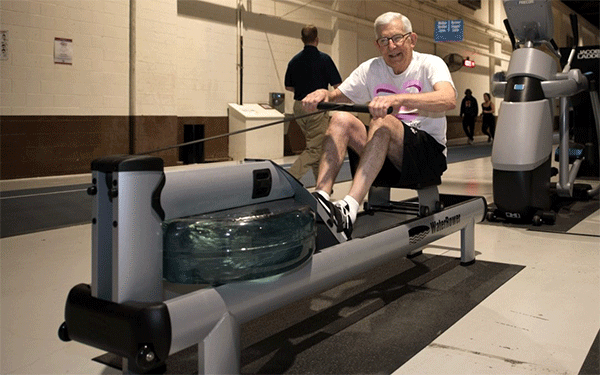
Selecting an appropriate rowing machine is the foundation for a safe and enjoyable workout. Not all rowers are designed with seniors in mind, so evaluating specific features will help you make an informed decision.
Compare Resistance Types for Older Adults
The type of resistance directly impacts your workout experience. Magnetic resistance is often best for seniors because it operates quietly and allows precise, incremental adjustments. This makes it easier to maintain a steady, moderate pace without sudden jolts. Magnetic models like the SOLE SR550 offer user-friendly digital controls and stable frames, ideal for apartments or light sleepers.
Air resistance machines use a fan that increases effort with stroke intensity. While effective, they can encourage overexertion and produce noticeable noise, which is less ideal for those with hearing sensitivity or balance concerns. However, if you want real-time feedback on effort intensity, air rowers provide a responsive experience.
Water resistance mimics the feel of actual rowing with soothing sounds and natural motion. Though more expensive and requiring maintenance, models such as Merach offer a calming sensory experience that can enhance mindfulness during workouts. Choose based on your environment, budget, and physical needs.
Prioritize Safety and Comfort Features
Seniors should look for specific design elements that support stability and ease of use. A non-slip base and wide, stable frame prevent tipping, which is especially important if balance is a concern. Adjustable footrests ensure secure footing regardless of shoe size, while ergonomic handles reduce hand and wrist strain.
A large, clear display showing time, stroke rate, and distance helps you track progress without squinting. Seat comfort matters too. Opt for a wider, cushioned seat to avoid discomfort during longer sessions. Finally, consider ease of storage. Foldable models save space in smaller homes. Machines like the SOLE SR550 and select Merach models lead in senior-friendly design.
Master Proper Rowing Form
Good technique prevents injury and maximizes the benefits of each stroke. Before you begin rowing, take time to learn the correct body positioning and movement sequence.
Set Up Your Starting Position Correctly
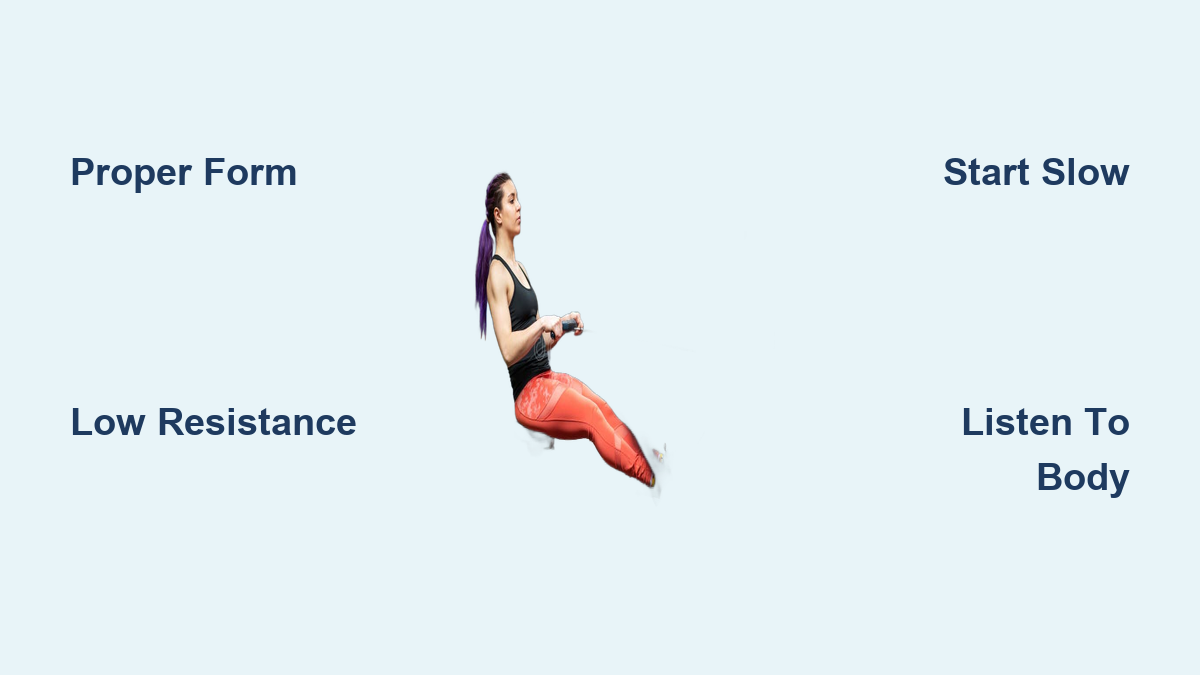
Good technique begins before the first stroke. Sit tall with your spine in a neutral alignment, not rounded or over-arched. Your feet should be strapped securely, heels flat, toes slightly up. Knees should be bent at approximately 90 degrees, directly over the ankles. Arms extend forward, gripping the handle with relaxed shoulders. Engage your core lightly to stabilize your torso. This compressed catch position prepares you for a powerful, safe drive.
Avoid slouching or leaning forward from the waist, as this strains the lower back. Keep your gaze forward, not down, to maintain cervical alignment. If reaching forward feels tight, adjust your foot strap position or reduce resistance until flexibility improves.
Learn the Four-Phase Stroke Sequence
Rowing is not just pulling. It is a coordinated sequence involving your legs, core, and arms in a specific order. Mastering this sequence ensures efficient movement and protects your joints.
The catch is your compressed starting position, with shins vertical, arms extended, and back straight. The drive is where you push through the legs first, providing 60 to 70 percent of the power, then swing your torso back, and finally pull the handle to your lower ribs. At the finish, your legs are extended but with a slight bend, torso leaning back about 110 degrees, and elbows tucked in close. The recovery reverses this order completely. Arms extend first, then your torso hinges forward, and finally your knees bend to return to the catch position.
The recovery should take twice as long as the drive, promoting control and rhythm. Rushing leads to jerky movements and increased injury risk. Focus on fluidity, not speed.
Avoid Common Form Mistakes
Many beginners use only their arms or back, which can cause shoulder strain or back pain. Never initiate the stroke with your arms. Always start with leg drive. Avoid rounding your back during recovery. Keep your spine neutral throughout the movement. Do not lock your knees at full extension. Maintain a soft bend to protect your joints.
Shrugging your shoulders or gripping the handle too tightly fatigues the upper body quickly. Keep your shoulders relaxed and your grip firm but not tense. If you feel pain, especially in the lower back or knees, stop immediately and reset. Proper form prevents injury and maximizes results.
Start Safely and Build Gradually

Beginning a new exercise routine requires caution and patience. Taking the right precautions helps you build fitness without setbacks.
Get Medical Clearance First
Before starting any new exercise, consult your doctor, especially if you have heart conditions, arthritis, osteoporosis, or balance issues. A physical therapist or certified trainer can also assess your mobility and tailor guidance to your specific needs. This step is not optional. It is your safety foundation. With professional input, you can adapt rowing to your unique needs and avoid complications.
Warm Up and Cool Down Properly
Every session should begin with a 5 to 10 minute warm-up. March in place, perform arm circles, or do seated leg lifts to increase blood flow and loosen stiff joints. After rowing, spend 3 to 5 minutes cooling down with slow, easy strokes. Finish with static stretches for your hamstrings, shoulders, and hip flexors. Hold each stretch for 15 to 30 seconds while breathing deeply. Skipping these phases increases injury risk and soreness.
Begin with Short, Low-Intensity Sessions
Start with just 5 to 15 minutes of rowing at a comfortable pace. Focus entirely on form and breathing, not distance or speed. Use low resistance, typically level 3 to 5, and aim for 20 to 24 strokes per minute. The talk test is your guide. You should be able to speak in short sentences without gasping.
Repeat this 2 to 3 times per week. As your endurance improves, add 2 to 5 minutes weekly. Consistency beats intensity. Regular, gentle sessions build lasting fitness without burnout.
Follow Senior-Friendly Workout Routines
Structured workouts help you progress safely while keeping sessions engaging. These three routines are designed specifically for older adults at different fitness levels.
Try the Gentle Rhythm Workout
This workout is perfect for beginners and builds confidence and endurance simultaneously.
Warm up for 5 minutes with light rowing, focusing on posture. The main set lasts 10 to 15 minutes at a steady pace with resistance set to 3 to 5 and a stroke rate of 20 to 24 strokes per minute. Emphasize smooth transitions between phases. Cool down for 3 to 5 minutes by gradually slowing down, then stretch. Use this routine 2 to 3 times weekly to establish rhythm and technique.
Build Stamina with Interval Training
Once you are comfortable with steady rowing, try interval training to boost cardiovascular health. Warm up for 5 minutes with easy rowing. Then perform intervals for 20 minutes, alternating between 2 minutes at moderate effort where you can talk but not sing and 1 minute at higher effort with slightly faster strokes and increased resistance. Repeat this cycle 6 to 7 times. Cool down for 5 minutes by slowing down gradually, then stretch. Adjust the ratios as needed, for example using a 1 to 2 work-to-rest ratio.
Combine Strength and Flexibility
This integrated session enhances muscle tone and joint mobility. Warm up for 5 minutes with light rowing and dynamic stretches. The main set lasts 15 to 20 minutes. Row with your core engaged throughout each stroke and resistance set to 5 to 7. After rowing, perform seated resistance band exercises including rows, bicep curls, and shoulder presses. Cool down for 5 to 10 minutes with static stretches focusing on your back, legs, and arms. This approach combats sarcopenia and supports daily functions like lifting and reaching.
Prevent Injury and Stay Safe
Safety should always be your top priority during every workout. Understanding your body signals and creating a safe environment protects you from harm.
Listen to Your Body Signals
Distinguish between normal muscle fatigue and danger signs. Mild warmth, increased breathing, and slight muscle soreness are expected and normal. However, sharp pain, joint discomfort, dizziness, or chest pressure mean stop immediately. Never push through pain. Adjust resistance, shorten sessions, or take extra rest days as needed.
If discomfort persists, consult a healthcare provider. Rowing should help you feel better, not worse.
Breathe Correctly and Protect Your Spine
Proper breathing supports performance and safety. Inhale during recovery when you are returning to the catch position. Exhale during the drive when you are pushing and pulling. Never hold your breath. Holding your breath spikes blood pressure and reduces oxygen flow.
To protect your spine, engage your core throughout each stroke. This stabilizes your lower back and prevents excessive leaning. Keep your back straight and rely on leg power, not back strength, to drive the motion.
Stay Hydrated and Monitor Your Environment
Keep a water bottle nearby and sip before, during, and after workouts. Dehydration increases fall risk and fatigue. Exercise in a well-ventilated room with stable temperature. Avoid overheating.
Keep your phone within reach in case of emergency. If you use a walker or cane, place it close by when mounting or dismounting the machine.
Adapt Rowing for Common Health Conditions

Rowing can be modified to accommodate various health conditions common among seniors. These adaptations help you exercise safely while managing specific health concerns.
Manage Arthritis Safely
Rowing is joint-friendly and can actually improve arthritis symptoms by lubricating joints and strengthening surrounding muscles. Use low resistance and focus on a full, pain-free range of motion. Warm up thoroughly to reduce morning stiffness. Avoid jerky movements and stop if joint pain increases. Consult your rheumatologist before starting.
Support Back Health
When done correctly, rowing strengthens back and core muscles, which can reduce chronic back pain. But poor form, like rounding the spine or using the back to pull, can worsen it. Emphasize leg-driven strokes and maintain a neutral spine. Start with short sessions and consider working with a physical therapist to perfect your technique.
Control High Blood Pressure
Rowing helps lower blood pressure through aerobic conditioning. However, avoid high-intensity intervals unless cleared by your doctor. Use the perceived exertion scale, aiming for 12 to 14 on a 20-point scale, or use a heart rate monitor to stay in a safe zone. Always warm up and cool down properly to prevent sudden blood pressure shifts.
Accommodate Balance Challenges
The seated design of rowing machines makes them fall-resistant, ideal for those with mobility issues. Choose a model with low step-over height and handrails if needed. Use a walker to approach the machine, and take your time mounting and dismounting. Stability comes first.
Stay Motivated and Consistent
Long-term adherence requires strategies that keep you engaged and progressing. Building habits that stick transforms rowing from occasional exercise into a sustainable lifestyle.
Set SMART Goals
Motivation thrives on progress. Set SMART goals that are Specific, Measurable, Achievable, Relevant, and Time-bound. Examples include rowing 15 minutes 3 times per week for one month, increasing rowing time by 2 minutes every week, or completing 10 sessions without missing a day. Write your goals down and track your progress daily. Celebrate milestones with non-food rewards like a new water bottle or a massage.
Track Progress and Join a Community
Use your machine is display monitor or apps like MyFitnessPal, Aviron, or Peloton to log time, distance, and calories. Seeing improvement builds confidence. Join a local senior fitness class or an online rowing group. Social support increases adherence and makes exercise enjoyable. Share tips, challenges, and wins with others on the same journey.
Add Variety to Avoid Boredom
Keep workouts fresh with scenic virtual rowing apps, music playlists, or audiobooks. Alternate between steady-state, intervals, and strength-focused sessions. Try different resistance levels or stroke rates. Variety prevents burnout and keeps your body adapting.
Key Takeaways for Safe Rowing as a Senior
Rowing is more than exercise. It is a tool for lifelong wellness. When seniors learn how to use a rowing machine safely and effectively, they gain strength, independence, and vitality. Start slow, prioritize proper form, choose the right equipment, and listen to your body. With consistency, rowing can become a sustainable habit that supports your health one stroke at a time.
Frequently Asked Questions About Using a Rowing Machine for Seniors
Is a rowing machine suitable for seniors who have never exercised before?
Yes. Rowing machines provide a low-impact, full-body workout that is gentle on joints and effective for improving cardiovascular health, strength, and flexibility. Proper form and medical clearance are essential, but beginners can start with short, low-intensity sessions and gradually build endurance.
How often should seniors use a rowing machine?
Two to 5 times per week is ideal. Beginners should aim for 2 to 3 sessions per week, while more active individuals can row up to 5 days. Include rest days for recovery to prevent overuse injuries.
Can rowing help with arthritis?
Yes, when done correctly. Rowing strengthens muscles around joints and improves mobility without impact. Use low resistance, warm up thoroughly, and consult your doctor before starting.
What is a good starting duration for seniors?
Begin with 5 to 15 minutes. Gradually increase by 2 to 5 minutes weekly as endurance improves. Listen to your body and prioritize consistency over intensity.
Which resistance type is best for seniors?
Magnetic resistance is often preferred due to quiet operation and smooth, predictable resistance. It allows precise control, making it easier for seniors to maintain a steady, moderate pace without sudden intensity spikes.