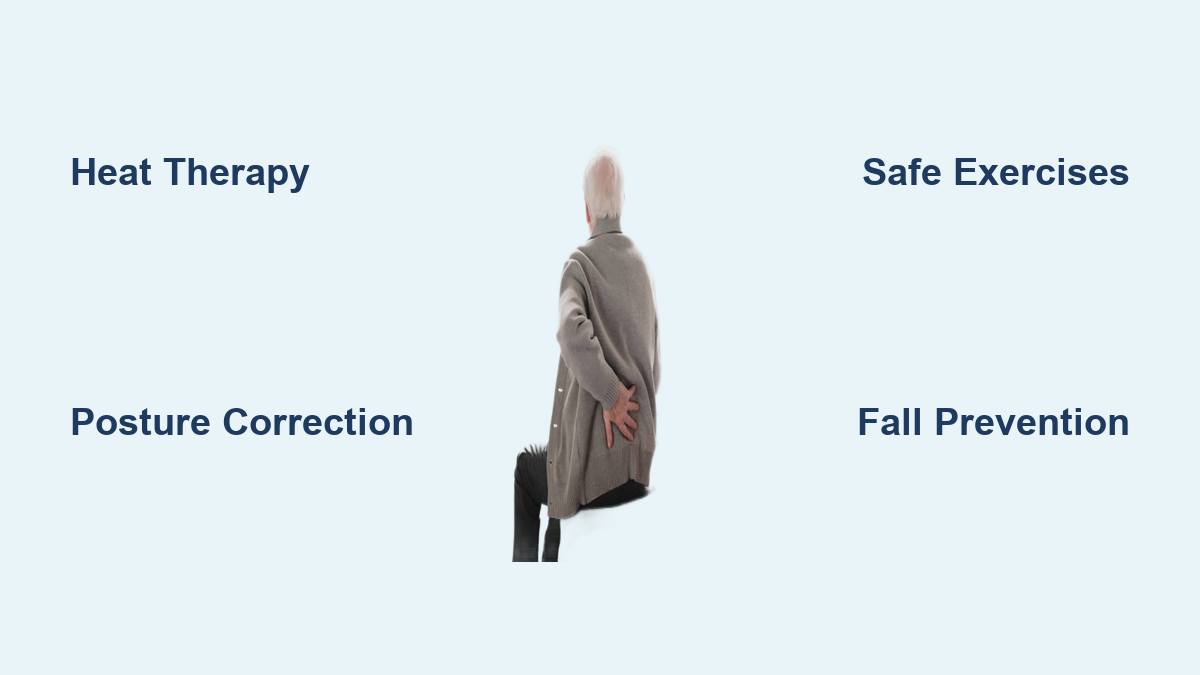
Back pain in the elderly is not an unavoidable part of aging. It is a treatable condition affecting nearly 1 in 5 older adults, often undermining mobility, independence, and emotional well-being. Left unmanaged, chronic back pain increases fall risk, limits daily activities, and can worsen depression and sleep quality. The good news is that most cases respond well to non-invasive, evidence-based strategies that target root causes like degenerative disc disease, spinal stenosis, muscle weakness, and osteoporosis. This guide delivers a clear, actionable roadmap for how to relieve back pain in elderly individuals using safe, proven methods. You will learn what works, what to avoid, and how to build a personalized plan that supports long-term spinal health.
Identify Common Causes of Elderly Back Pain
Understanding the source of pain is the first step to effective relief. In seniors, back pain typically stems from age-related wear and tear rather than injury.
Degenerative Disc Disease and Arthritis
As people age, spinal discs lose hydration and height, a natural process called degenerative disc disease. This reduces shock absorption, leading to stiffness and localized aching. Over 30% of adults aged 40 to 59 show signs of disc degeneration. When combined with facet joint arthritis, pain often worsens with backward bending or prolonged standing. These conditions are common but manageable with conservative care.
Spinal Stenosis and Nerve Compression
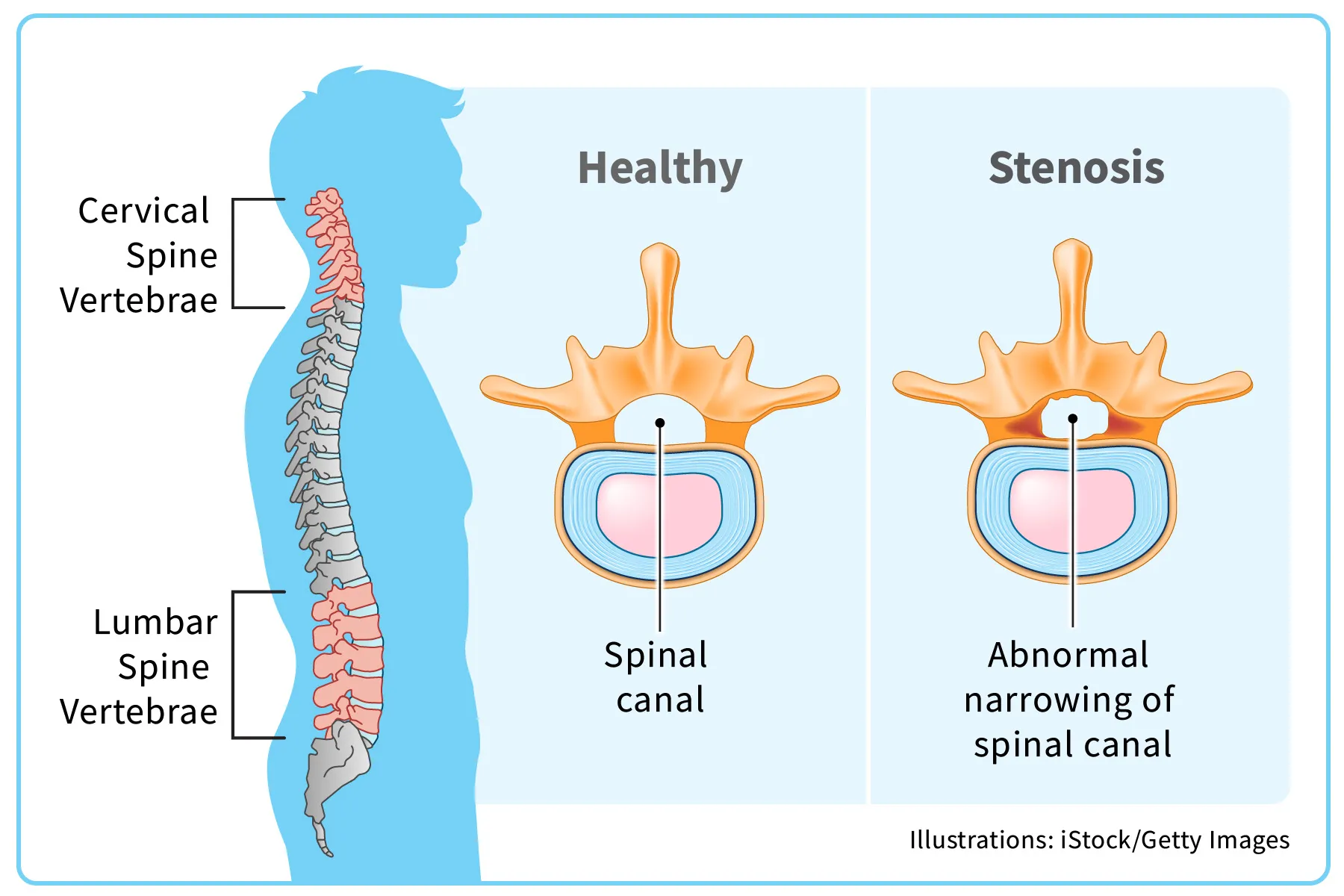
Spinal stenosis affects adults over 60 and causes neurogenic claudication, which is leg pain, numbness, or cramping when walking, relieved by sitting or leaning forward. It results from bone spurs, thickened ligaments, or bulging discs compressing nerves. Patients may find comfort in forward-flexed positions, such as using a shopping cart while walking.
Osteoporotic Fractures and Sarcopenia
Vertebral compression fractures due to osteoporosis are a major cause of sudden, severe back pain in the elderly. These can occur from minor actions like coughing or bending. Up to 70% bone density loss in the spine by age 80 increases fracture risk. Meanwhile, sarcopenia, which is age-related muscle loss, weakens core support, increasing spinal strain and instability.
Recognize Warning Signs Requiring Immediate Care
Not all back pain is the same. Some symptoms signal serious conditions needing urgent evaluation.
When to Seek Emergency Help
Seek immediate medical attention if back pain is accompanied by loss of bowel or bladder control, numbness in the groin or inner thighs, progressive leg weakness or foot drop, or unexplained weight loss or fever. These could indicate cauda equina syndrome, spinal infection, or cancer, which are rare but dangerous conditions requiring prompt diagnosis and treatment.
Red Flags During Daily Activities
Pain that worsens at night, does not improve with rest, or follows trauma, even minor falls, should be evaluated. Sudden onset with kyphosis, which is hunching, may suggest a vertebral fracture. Do not ignore persistent pain because early diagnosis improves outcomes.
Apply Heat and Cold Therapy Safely

Thermal therapy is a simple, effective way to manage pain and stiffness when used correctly.
Use Cold for Acute Flare-Ups
Apply ice packs wrapped in a towel for 20 minutes every 2 hours during the first 48 hours of a pain episode. Cold reduces inflammation, numbs nerve activity, and eases sharp pain from flare-ups. Avoid direct skin contact, especially in individuals with diabetes or neuropathy, due to frostbite risk.
Use Heat for Chronic Stiffness
For morning stiffness or muscle tightness, apply heat for 20 to 30 minutes using a heating pad, warm towel, or far-infrared device. Heat improves blood flow and relaxes paraspinal muscles. Never sleep with a heating pad, and those with reduced thermal sensitivity should use lower settings.
Pro Tip: Alternate heat and cold if tolerated, as this can boost circulation and reduce chronic inflammation.
Improve Posture and Spinal Alignment
Poor posture increases spinal load and accelerates degeneration. Small adjustments make a big difference.
Optimize Sitting Position
Place a rolled towel or lumbar pillow in the lower back to support the spine natural curve. Use a cushion to reduce seat depth and prevent slouching. Keep feet flat on the floor or a footrest to stabilize the pelvis. Avoid soft, deep couches that encourage slumping. Choose chairs with firm back support and armrests to assist with standing.
Adjust Sleeping Positions
Side-sleepers should place a pillow between the knees to align hips and reduce lumbar torsion. Back-sleepers should use a pillow under the knees to flatten the lower back curve. Avoid stomach sleeping because it hyperextends the spine and strains the neck. Use a leg wedge or leg ledge instead of stacked pillows for consistent support and improved comfort.
Perform Safe, Effective Exercises
Movement is medicine. Regular, targeted exercise reduces pain, improves function, and prevents decline.
Start with Low-Impact Walking
Aim for at least 1 hour per week of brisk walking, broken into 10 to 15 minute sessions. Walking boosts circulation, maintains joint mobility, and strengthens core muscles without stressing the spine.
Try Aquatic Therapy
Exercising in warm water at 83 to 88 degrees Fahrenheit reduces gravitational load, making it ideal for arthritis, obesity, or frailty. Aquatic programs improve strength, balance, and flexibility while reducing pain, stiffness, and anxiety. Many community centers offer senior-friendly water aerobics.
Build Core Stability
Lumbar stabilization exercises, guided by a physical therapist, strengthen deep core muscles like the transversus abdominis and multifidus. These improve postural control and can reduce pain by approximately 30%. Avoid sit-ups or forward-bending moves if you have disc issues.
Consider Tai Chi and Chair Yoga
Tai chi enhances balance and reduces fall risk, which is critical for those with osteoporosis. Gentle chair yoga improves flexibility and body awareness without strain. Avoid deep forward bends if you have spinal stenosis or disc herniation.
Caution: Always begin new routines under professional supervision, especially with existing spinal conditions.
Prevent Falls and Reduce Injury Risk
Falls can lead to fractures and long-term disability. Proactive prevention preserves independence.
Strengthen Balance and Legs
Engage in 3 or more hours per week of balance and strength training. Use tai chi, resistance bands, or bodyweight exercises like heel-to-toe walks and sit-to-stands. Strong legs support spinal stability.
Modify the Home Environment
Install grab bars in bathrooms and handrails on stairs. Remove tripping hazards like loose rugs, cords, and clutter. Ensure adequate lighting in hallways, stairwells, and bedrooms.
Wear Safe Footwear
Choose nonslip, low-heeled shoes with soft rubber soles. Avoid slippers without backs or smooth soles.
Review Medications
Drugs like benzodiazepines, sedatives, and some antidepressants increase fall risk by causing dizziness or low blood pressure. Ask your doctor to review all medications regularly.
Manage Weight to Reduce Spinal Load
Excess weight, especially around the abdomen, significantly increases stress on the lower back.
Understand the Spinal Impact
Each extra pound adds 4 times the load on lumbar discs during standing and walking. Losing just 5 to 10% of body weight can lead to noticeable pain reduction and improved mobility.
Adopt Sustainable Habits
Focus on balanced nutrition and portion control. Combine dietary changes with low-impact exercise like walking or swimming. Even modest weight loss supports spinal health and enhances treatment effectiveness.
Use Pain Relief Devices and Lifting Aids
Simple tools can reduce strain and improve comfort during daily tasks.
Choose the Right Massage Device
Massage guns with soft airhead attachments provide gentle relief. Use for 30 to 60 seconds per area. Chair-mounted massagers with heat and rotating nodes can ease muscle tension during prolonged sitting. Avoid deep tissue work if you have osteoporosis, blood thinners, or fractures.
Practice Proper Lifting Techniques
Stand with feet shoulder-width apart. Keep the back straight by imagining a 2×4 board taped along your spine. Bend at the knees, lift with leg strength, and keep the object close to your body. Look down with your eyes, not by dropping your head. For frequent lifting, use reachers, transfer poles, or rolling carts to avoid bending and twisting.
Golden Rule: If it feels too heavy, do not lift it. Ask for help or use assistive tools.
Explore Advanced Treatment Options
When conservative methods are not enough, minimally invasive therapies can provide lasting relief.
Try Injections for Targeted Relief
Epidural steroid injections reduce inflammation around compressed nerves, offering months of relief for spinal stenosis or herniated discs. Trigger point injections ease muscle knots using local anesthetic. Radiofrequency ablation disables pain-carrying nerves in the facet joints, which is effective for chronic arthritis pain. Results appear in 1 to 3 weeks and last 6 to 12 or more months.
Consider Regenerative Therapies
Platelet-rich plasma and stem cell injections use the body healing factors to repair damaged discs and joints. Evidence is promising but still evolving. These are best suited for select patients after thorough evaluation.
Evaluate Neuromodulation Devices
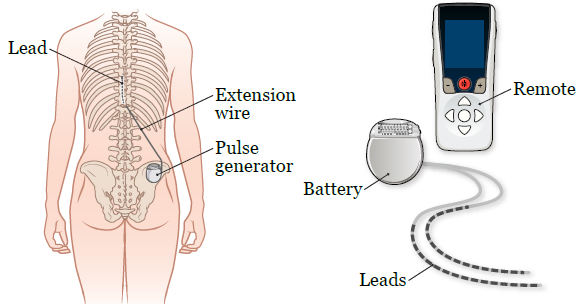
Spinal cord stimulation delivers electrical pulses to block pain signals. Approximately 76% of patients report 50% or more pain reduction after 12 months. A trial period determines effectiveness before permanent implantation. Intrathecal pumps deliver pain medication directly into the spinal fluid, minimizing side effects. These are ideal for seniors who cannot tolerate oral opioids.
Optimize Sleep and Mental Well-Being
Pain and sleep form a vicious cycle. Breaking it improves overall health.
Create a Sleep-Friendly Environment
Keep bedroom temperature between 60 and 68 degrees Fahrenheit. Use blackout curtains and minimize screen time 1 to 2 hours before bed. Maximize morning sunlight exposure to regulate circadian rhythm.
Address Emotional Health
Chronic pain is closely linked to depression and anxiety. Approximately 13% of elderly adults experience both chronic pain and depression. Incorporate mindfulness, counseling, or support groups into your plan. Activities like aquatic therapy and tai chi improve both physical and emotional well-being.
Avoid Unsafe Practices and Contraindications
Some common remedies can do more harm than good in older adults.
Know What to Avoid
Cold therapy should be avoided in people with diabetes or vascular disease due to skin injury risk. Heat therapy should not be used on areas with reduced sensation or open wounds. Forward-bending exercises should be avoided if you have spinal stenosis or disc herniation because they can compress nerves. Deep tissue massage should be avoided in those with osteoporosis or anticoagulant use due to fracture or bleeding risk. High-impact activities like running or jumping should be replaced with low-impact alternatives.
Always consult a healthcare provider before starting new treatments, especially injections, devices, or exercise programs.
Build a Personalized Pain Relief Plan
There is no one-size-fits-all solution. The best outcomes come from combining multiple strategies tailored to the individual.
Start with a Medical Evaluation
See your primary care provider or pain specialist for a physical exam, which includes range of motion, gait, and strength assessment. Imaging such as X-ray, MRI, or CT may be needed. Lab tests like ESR, CRP, and CBC help rule out infection or inflammation. Diagnosis guides treatment, whether it is physical therapy, injections, or lifestyle changes.
Combine Therapies for Best Results
A multimodal approach works best. Example daily routine includes morning heat and gentle stretching, daytime walking and posture checks, evening cold therapy and leg elevation, and weekly aquatic therapy plus PT sessions. Consistency beats intensity. Small, daily habits yield long-term benefits.
Key Takeaways for Relieving Back Pain in Elderly
Relieving back pain in the elderly is entirely possible with the right tools and guidance. Focus on posture correction, gentle movement, weight management, and safe interventions ranging from heat therapy to advanced neuromodulation. These strategies reduce pain, prevent falls, and help maintain independence. Always work with a healthcare team to customize your plan based on your specific condition and overall health. With commitment and consistent care, a pain-free, active life in later years is within reach.
Frequently Asked Questions About Relieving Back Pain in Elderly
What are the most common causes of back pain in older adults?
The most common causes include degenerative disc disease, which is disc dehydration and height loss, facet joint arthritis from wear and tear, spinal stenosis that narrows the spinal canal and compresses nerves, and osteoporotic vertebral fractures. Muscle weakness from sarcopenia also contributes significantly to back pain in the elderly.
When should I seek immediate medical attention for back pain?
Seek immediate help if back pain accompanies loss of bowel or bladder control, numbness in the groin or inner thighs, progressive leg weakness or foot drop, or unexplained weight loss with fever. These symptoms could indicate cauda equina syndrome, spinal infection, or cancer.
How does heat therapy help with elderly back pain?
Heat therapy relaxes tight muscles, improves blood flow to the spine, and reduces chronic stiffness. Apply heat for 20 to 30 minutes using a heating pad or warm towel before activity or to relieve morning stiffness. Avoid sleeping with heating pads, and use lower settings if you have reduced thermal sensitivity.
What exercises are safest for elderly back pain relief?
Low-impact walking, aquatic therapy in warm water, lumbar stabilization exercises guided by a physical therapist, tai chi for balance, and gentle chair yoga are the safest options. Start with professional supervision, especially if you have existing spinal conditions. Avoid forward-bending exercises if you have spinal stenosis or disc herniation.
How much weight loss helps reduce back pain in seniors?
Losing just 5 to 10% of body weight can significantly reduce back pain and improve mobility. Each extra pound adds 4 times the load on lumbar discs during standing and walking, so even modest weight loss has a meaningful impact on spinal health.