
Hearing changes are common as people age, and one often-overlooked cause is earwax buildup. For seniors, excess or hardened earwax can lead to hearing loss, dizziness, earaches, and even balance issues. Many assume that cleaning elderly ears means using cotton swabs or home remedies, but these methods can do more harm than good. This guide explains how to clean elderly ears properly, what treatments to avoid, and when to seek medical help.
Signs of Earwax Buildup in Seniors
Earwax naturally moves from the inner ear to the outer canal, where it flakes off. But in older adults, earwax can harden and become impacted due to slower skin cell turnover, drier wax, or hearing aid use. When this happens, it can block sound and irritate the ear canal.
Common Symptoms to Watch For
Muffled or reduced hearing is one of the most frequent signs that earwax has built up. A sensation of pressure or discomfort, often described as ear fullness, is another common indicator. Tinnitus, which is ringing in the ear, is often mistaken for age-related hearing loss but may actually stem from wax blockage. Dizziness or balance issues are especially concerning in older adults at risk of falls. Rarely, ear canal irritation can trigger a reflexive cough.
When Earwax Becomes a Problem
If an elderly person shows these symptoms, do not assume it is just aging. Earwax blockage is a reversible cause of hearing loss and should be evaluated by a medical professional.
Why You Should Never Use Cotton Swabs
Despite being widely used, cotton swabs are a leading cause of earwax impaction in seniors. Understanding the risks helps caregivers make safer choices.
Swabs Push Wax Deeper
Inserting a swab into the ear canal does not remove wax. Instead, it pushes the wax further into the ear. Over time, this compacts the wax near the eardrum, making it harder to remove and more likely to cause symptoms that require medical intervention.
Risk of Injury Increases with Age
Elderly skin is thinner and more fragile. Aggressive cleaning can cause micro-tears in the ear canal, infections also known as otitis externa, and eardrum perforation. Even gentle swabbing can damage delicate tissue, especially if the person has reduced coordination or tremors.
Safe At-Home Ear Cleaning Methods

For mild buildup, softening the wax first is key. Never attempt to remove hard wax with force. Gentle preparation makes all the difference between success and injury.
Soften Wax with Ear Drops
Use over-the-counter drops or household oils to loosen the wax. Mineral oil works well for this purpose. Baby oil is another gentle option. Glycerin helps soften stubborn wax. Hydrogen peroxide at 3% concentration can also be effective. Commercial earwax softeners such as Debrox are available at most pharmacies.
How to Apply Ear Drops
Have the senior lie on their side with the affected ear facing up. Gently pull the auricle, which is the outer ear, up and back to straighten the canal. Place 2 to 3 drops into the ear. Keep the head still for 5 to 10 minutes. Repeat once or twice daily for 3 to 5 days before attempting irrigation.
Pro Tip: Warm the drops to body temperature by holding the bottle in your hands. Cold drops may cause dizziness or vertigo.
Use Warm Water Irrigation Carefully
Once wax is softened, gentle irrigation can flush it out safely. Fill a rubber bulb syringe with body-temperature water. Using water that is too hot or too cold can trigger vertigo. Straighten the ear canal by pulling the auricle up and back. Aim the water along the wall of the ear canal, not directly at the eardrum. Gently squeeze the syringe to create a steady, soft stream. Tilt the head to let water and wax drain onto a towel. Dry the outer ear thoroughly using a few drops of rubbing alcohol or a hair dryer on low, cool setting held at arm’s length.
Frequency: You may need to repeat this process for 2 to 3 days if wax is stubborn.
Warning: Stop immediately if pain, dizziness, or hearing changes occur.
When to See a Doctor
Not all earwax issues can be treated at home, especially in seniors with underlying medical conditions.
See a Doctor If
No improvement occurs after 5 days of home treatment. Hearing loss persists despite softening efforts. The person experiences dizziness, pain, or drainage from the ear. There is a history of eardrum perforation or ear surgery. The person uses hearing aids or ear tubes.
Primary care doctors or otolaryngologists, also known as ENTs, can examine the ear with an otoscope to confirm blockage and rule out other causes of symptoms.
Professional Removal Options

Manual removal using a curette, which is a tiny scoop, allows doctors to extract wax directly. Micro-suction is a precise, safe method using a small vacuum. Prescription eardrops may be recommended for chronic buildup. Irrigation by trained staff is safer than at-home attempts.
Expert Note: Seniors with diabetes or weakened immune systems should avoid home irrigation entirely. The risk of infection is significantly higher in these individuals.
Treatments to Avoid at All Costs
Some popular natural or DIY methods are dangerous, especially for older adults whose ears are more vulnerable to injury.
Ear Candling Is Never Safe
There is no scientific evidence that ear candling removes wax. This practice carries a high risk of burns, ear canal blockage, and eardrum perforation. It can also leave candle wax residue inside the ear. The FDA and ENT specialists strongly warn against this practice.
High-Pressure Irrigation Devices Are Dangerous
Water flossers such as WaterPik are too forceful for ear use. They can rupture the eardrum or push wax deeper into the canal. These devices are designed for teeth, not ears.
Never Insert Hard Objects
Using paperclips, tweezers, bobby pins, or keys to dig out wax can scratch the ear canal or puncture the eardrum. This risk increases dramatically with poor vision or unsteady hands.
Special Considerations for Elderly Patients
Aging brings unique challenges when it comes to ear care. Understanding these factors helps caregivers provide better support.
Hearing Aids Trap Wax
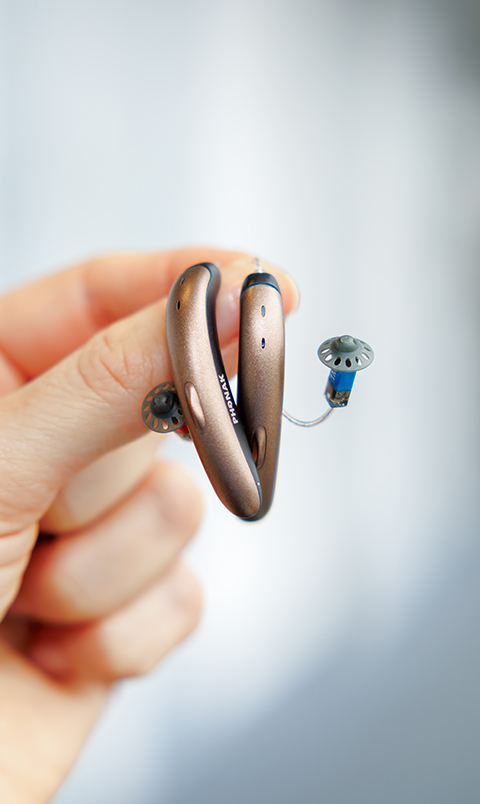
Seniors who wear hearing aids are more prone to wax buildup because the devices block natural wax migration. Wax gets pushed deeper when inserting the device. Moisture from the ear and device encourages wax hardening. Clean hearing aids daily and schedule routine ear checks every 6 months to prevent problems.
Dry, Hardened Wax Is Common
Older adults often produce drier, stickier earwax that does not move out naturally. Prevent this issue by using a few drops of mineral or baby oil weekly to keep wax soft and manageable.
Cognitive or Mobility Limitations
Seniors with arthritis, Parkinson disease, or dementia may struggle with self-care. Assist with ear drop application and monitor for symptoms. Never irrigate without proper training when caring for someone with these conditions.
How to Prevent Future Buildup
Prevention is safer and easier than treatment, especially for seniors prone to recurrent blockages.
Weekly Maintenance Routine
Apply 2 to 3 drops of baby oil or glycerin once a week. Wipe only the outer ear with a damp cloth. Never insert anything into the ear canal. Avoid using cotton swabs even for drying the outer ear.
Schedule Regular Ear Checkups
Every 6 to 12 months, seniors with hearing aids or frequent wax issues should have their ears checked. During routine physicals, ask the doctor to check ear canals. Just because ears feel full does not always mean wax is the cause. Doctors can differentiate between wax, infection, or other hearing loss causes.
Frequently Asked Questions About Cleaning Elderly Ears
Can I use cotton swabs to clean my elderly parent’s ears?
No. Cotton swabs push wax deeper into the ear canal rather than removing it. They can also cause micro-tears, infections, or eardrum damage, especially in elderly individuals whose skin is more fragile.
How often should I clean an elderly person’s ears?
For most seniors, weekly preventive care with a few drops of oil is sufficient. Full irrigation should only be done when symptoms appear and after softening the wax for several days. Avoid frequent irrigation unless directed by a doctor.
What are the signs that earwax is causing hearing loss in seniors?
Watch for muffled hearing, ear fullness, tinnitus, dizziness, or balance problems. These symptoms often develop gradually and may be mistaken for normal aging. A doctor can confirm whether earwax is the cause.
Is it safe to irrigate an elderly person’s ears at home?
It can be safe if done gently and only after softening the wax for several days. However, seniors with diabetes, weakened immune systems, a history of ear surgery, or perforated eardrums should never attempt home irrigation. Professional removal is safer for these individuals.
What is the safest method for removing impacted earwax in seniors?
The safest approach is to soften the wax with drops for several days, then gently irrigate with body-temperature water if needed. If this does not work, see a doctor for professional removal using micro-suction or manual extraction with specialized tools.
Should I see a doctor or an ENT specialist for earwax buildup?
Start with a primary care physician, who can often diagnose and treat simple blockages. For severe cases, recurring buildup, or if underlying ear conditions are suspected, a referral to an otolaryngologist, also known as an ENT specialist, may be necessary.
Key Takeaways for Safely Cleaning Elderly Ears
Cleaning elderly ears is not about deep cleaning. It is about safe, preventive care that protects hearing and prevents complications. Always soften wax with drops before attempting any removal. Avoid cotton swabs, ear candles, water flossers, and hard objects entirely. These methods cause more harm than good.
When in doubt, consult a doctor. Seniors with diabetes, hearing aids, or a history of ear problems need professional guidance. Regular ear checkups every 6 to 12 months catch problems early and keep ears healthy.
By following these gentle, proven techniques, you can help maintain an older adult’s hearing, comfort, and quality of life for years to come.