
Kidney failure in the elderly is a growing health concern as the population ages. When kidneys lose their ability to filter waste and balance fluids, toxins build up in the body, leading to life-threatening complications without treatment. In older adults, this condition often develops silently, with fatigue, swelling, nausea, and confusion mistaken for normal aging, delaying diagnosis until kidney function is critically low.
Treating kidney failure in seniors requires more than just medical intervention. It demands a personalized approach that weighs life expectancy, overall health, and quality of life. Options include dialysis, transplantation, or conservative care focused on comfort. This guide covers how to treat kidney failure in elderly individuals, offering clear insights into diagnosis, treatment options, medication safety, diet, and emotional support.
Identify Early Warning Signs of Kidney Failure
Recognizing symptoms early can slow progression and improve outcomes. In elderly patients, signs of kidney failure are often subtle or attributed to other conditions.
Watch for Common Symptoms
Kidney failure produces several recognizable symptoms in older adults.
• Persistent fatigue caused by anemia or toxin buildup
• Swelling in legs or feet from fluid retention due to poor kidney filtration
• Changes in urination including reduced output, nighttime urination, or foamy urine
• Nausea and loss of appetite from waste product accumulation
• Confusion or poor concentration stemming from electrolyte imbalances
Because these symptoms mimic age-related decline, kidney disease often goes undetected until advanced stages. A sudden change in mental status or mobility should prompt immediate kidney function testing.
Rule Out Other Conditions
Symptoms like fatigue and confusion overlap with dementia, heart failure, or medication side effects. Always check for recent NSAID or antibiotic use, history of dehydration or infection, and blood pressure fluctuations. Early detection through routine screening, especially in those with diabetes or hypertension, can prevent progression to end-stage disease.
Confirm Diagnosis with Proper Testing
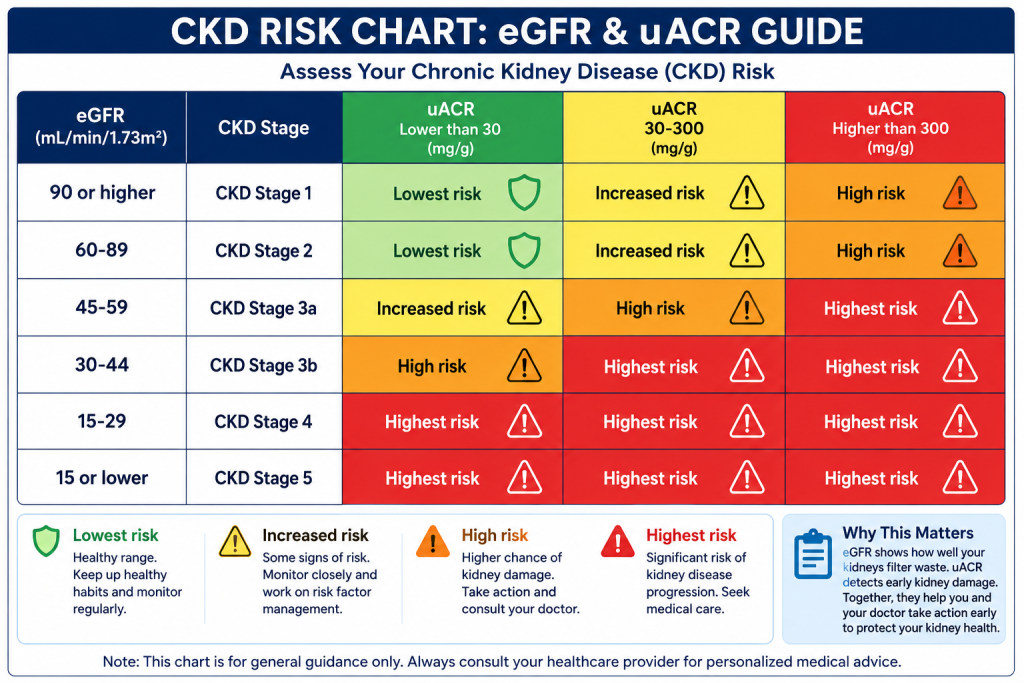
Accurate diagnosis guides treatment decisions and helps predict outcomes. Testing evaluates how much kidney function remains and identifies reversible causes.
Use Key Lab Tests
Healthcare providers rely on several tests to diagnose kidney failure.
• eGFR (estimated Glomerular Filtration Rate): Calculated from blood creatinine, age, sex, and race. An eGFR below 15 mL/min/1.73m² confirms kidney failure
• Urine albumin-to-creatinine ratio (UACR): Detects protein in urine, a marker of kidney damage
• Electrolyte panel: Checks for high potassium, low sodium, or abnormal calcium and phosphorus levels
In older adults, creatinine levels may appear normal despite poor kidney function due to low muscle mass. Relying solely on creatinine can lead to underdiagnosis.
Add Imaging When Needed
• Kidney ultrasound assesses kidney size and checks for obstruction or cysts
• CT or MRI is used if structural issues, tumors, or stones are suspected
Repeat testing over time helps distinguish between chronic kidney disease and acute kidney injury, which may be reversible.
Choose the Right Treatment Path for Elderly Patients
Treatment depends on the patient’s overall health, life expectancy, cognitive status, and personal goals. Three main options exist: dialysis, transplant, or conservative management.
Evaluate Dialysis Benefits and Risks
Dialysis replaces kidney function by removing waste and excess fluid. Two types are available.
Hemodialysis Overview
This treatment is done three times weekly at a clinic or at home, with each session lasting three to five hours. It requires vascular access through an AV fistula, graft, or catheter.
Pros include efficient toxin removal and structured medical supervision. Cons include time requirements, risk of infections, and physical strain. Frail or cognitively impaired seniors may not benefit significantly from hemodialysis.
Peritoneal Dialysis Option
This option is done daily at home using the abdominal lining as a filter. Automated systems allow overnight treatment.
Pros include more independence, fewer blood pressure swings, and no needles. Cons include requiring manual dexterity, risk of abdominal infection, and unsuitability for patients with prior abdominal surgeries or dementia.
Home-based dialysis improves quality of life for many active seniors but demands strong caregiver support.
Consider Kidney Transplantation
Transplantation offers the best long-term survival and quality of life for eligible elderly patients.
Who Qualifies for Transplant
• Generally healthy older adults with few comorbidities
• No active cancer, severe heart disease, or uncontrolled infections
• Psychosocial stability and support system
Age alone is not a barrier. Many transplant centers accept patients into their seventies and beyond.
Outcomes and Challenges
• Five-year survival rate approaches 90%
• Graft survival is higher with living donors than deceased donors
• Immunosuppressants are required lifelong and increase infection and cancer risk
Living donor transplants eliminate waiting time and typically last longer. Early referral to a transplant center, even before starting dialysis, improves access and outcomes.
Opt for Conservative Management
Some elderly patients choose not to pursue dialysis or transplant. Conservative care focuses on comfort and symptom control.
When to Choose This Path
• Advanced frailty or dementia
• Multiple severe illnesses like heart failure or cancer
• Limited life expectancy under six to twelve months
• Preference for avoiding hospital visits and invasive procedures
This approach does not mean no treatment. It shifts focus from life extension to quality of life.
Components of Supportive Care
• Regular nephrology follow-up
• Medication to manage anemia, itching, and bone disease
• Nutritional counseling
• Palliative care involvement for pain and emotional support
Patients on conservative management often report better quality of life and fewer hospitalizations than those on dialysis.
Adjust Medications Safely for Kidney Health
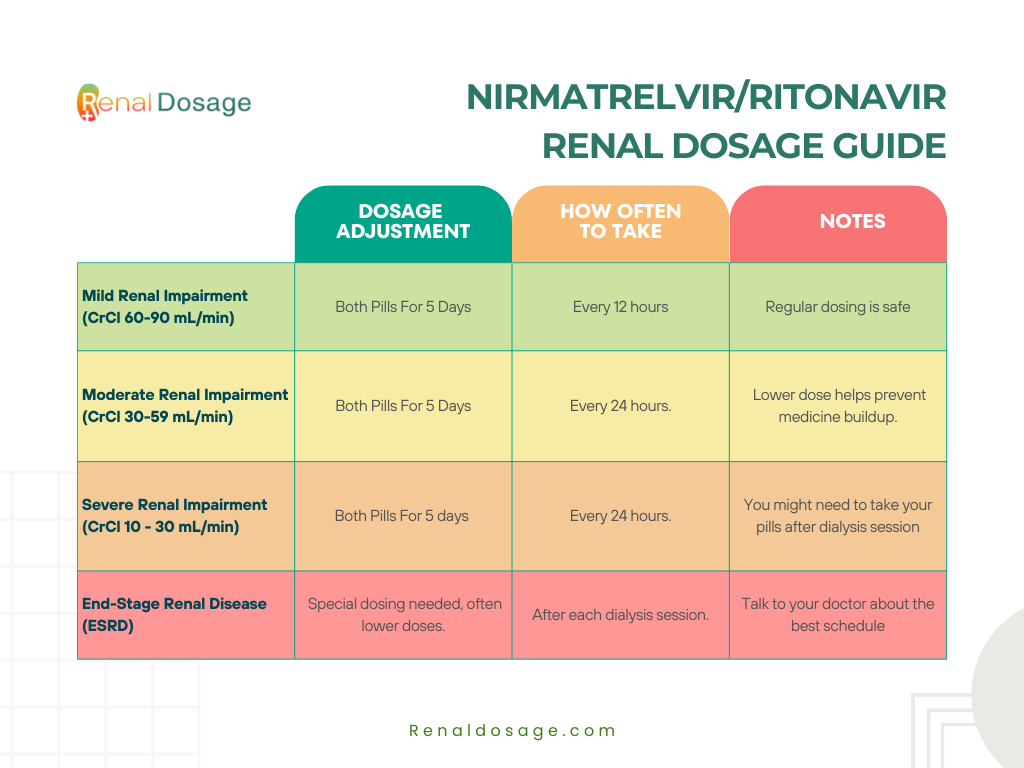
Kidney failure changes how drugs are processed, increasing the risk of toxicity. Proper dosing is critical in older adults.
Apply Renal Dosing Guidelines
Many medications must be adjusted based on eGFR. Common examples requiring modification include antibiotics like amoxicillin and ciprofloxacin, antidiabetics such as metformin and insulin, anticoagulants like apixaban and warfarin, and pain relievers including gabapentin and tramadol. Always review prescriptions with a pharmacist familiar with kidney disease.
Avoid Nephrotoxic Drugs
These medications can worsen kidney function.
• NSAIDs like ibuprofen and naproxen cause fluid retention and acute kidney injury
• Contrast dye should be used only when essential with proper hydration
• Certain antibiotics like aminoglycosides require close monitoring
Even over-the-counter painkillers can be harmful. Educate patients and caregivers about these risks.
Use Kidney-Protective Medications
Some drugs slow chronic kidney disease progression.
• ACE inhibitors like lisinopril or ARBs like losartan reduce proteinuria and blood pressure
• SGLT2 inhibitors like dapagliflozin proven to slow kidney decline, even in non-diabetics
• Finerenone reduces kidney inflammation and cardiovascular risk
Start these early in chronic kidney disease unless contraindicated by potassium levels or volume depletion.
Modify Diet for Kidney Health in Seniors
Nutrition is central to managing kidney failure, especially in elderly patients at risk for malnutrition.
Limit Key Nutrients Based on Lab Results
Control Phosphorus
High phosphorus leads to bone disease and vascular calcification. Avoid processed meats, colas, cheese, nuts, and packaged foods with phosphate additives. Use phosphate binders like sevelamer or calcium acetate with meals.
Manage Potassium
High potassium can cause dangerous heart rhythms. Limit bananas, oranges, potatoes, tomatoes, and salt substitutes. Boiling potatoes reduces potassium content.
Reduce Sodium
Excess salt raises blood pressure and worsens fluid retention. Aim for less than 2,300 mg daily. Avoid canned soups, fast food, and frozen meals.
Adjust Protein Intake
Moderate protein helps reduce waste buildup. But overly strict restriction risks muscle loss and frailty in seniors. Balance with 0.6 to 0.8 g/kg/day of high-quality protein like eggs, lean meat, and fish.
Prevent Malnutrition in Elderly Patients
Elderly patients on kidney diets face risk of weight loss and sarcopenia. Watch for poor appetite, unintentional weight loss, and weakness or fatigue. A renal dietitian can create a personalized plan that protects kidneys while meeting nutritional needs.
Build a Care Team for Comprehensive Management
Managing kidney failure in the elderly requires coordinated, multidisciplinary care.
Roles of Healthcare Providers
• Nephrologist leads treatment decisions and monitors kidney function
• Primary care provider manages diabetes, hypertension, and other chronic conditions
• Dietitian designs safe, palatable meal plans
• Pharmacist reviews medications for safety and interactions
• Social worker helps with insurance, transportation, and caregiver resources
• Palliative care specialist supports symptom control and advance care planning
Early involvement of palliative care improves communication and quality of life regardless of treatment choice.
Promote Shared Decision-Making
Discuss expected survival with and without dialysis, impact on daily routines and independence, likelihood of hospitalization, and patient’s values and goals. Use decision aids and allow time for family discussions. The goal is care that aligns with what matters most to the patient.
Understand Prognosis and Survival Rates
Life expectancy varies widely based on treatment and overall health.
Survival by Treatment Type
• Dialysis patients over 80 have median survival of two to five years, though some live much longer
• Transplant recipients have 90% five-year survival with many returning to active lives
• Conservative management shows median survival of six to twelve months, often with better quality of life
Functional status matters more than age. A fit 85-year-old may thrive on dialysis while a frail 75-year-old may decline rapidly.
Factors That Influence Outlook
• Number and severity of comorbidities
• Ability to perform daily activities like walking, bathing, and dressing
• Cognitive function and social support
Open conversations about prognosis help patients make realistic, informed choices.
Support Emotional Well-Being
A kidney failure diagnosis brings emotional challenges beyond physical symptoms.
Address Common Psychological Issues
• Anxiety and depression are common due to uncertainty and treatment burden
• Loss of independence occurs as dialysis schedules and dietary limits disrupt routines
• Fear of burdening family worries many seniors about caregiving demands
Offer counseling or therapy, support groups (in-person or virtual), and spiritual care or chaplain services. Caregivers also need emotional support. Respite care and education reduce burnout.
Normalize End-of-Life Conversations
Advance care planning ensures care reflects patient wishes. Discuss preferences for resuscitation, goals if health declines, and designation of a healthcare proxy. These talks should happen early, before crises arise.
Prevent Further Kidney Damage
Even with kidney failure, steps can slow progression and improve outcomes.
Control Underlying Conditions
• Diabetes: Keep HbA1c under 7-8% individualized for age and frailty
• Hypertension: Target blood pressure under 130/80 mmHg
• Heart disease: Optimize treatment to improve kidney perfusion
Avoid Harmful Triggers
Stay hydrated, especially during illness. Avoid NSAIDs and unnecessary imaging with contrast. Monitor kidney function when starting new medications.
Schedule Regular Check-Ups
Annual kidney screening (eGFR plus UACR) is recommended for diabetics, hypertensive patients, and those with family history of kidney disease. Early action in stage 3 chronic kidney disease can delay or prevent progression to failure.
Frequently Asked Questions About Treating Kidney Failure in Elderly
What are the first signs of kidney failure in elderly patients?
Early signs include persistent fatigue, swelling in legs or feet, changes in urination patterns, nausea, and confusion. These symptoms are often mistaken for normal aging, which is why routine screening is crucial for at-risk older adults.
Should an elderly person with kidney failure start dialysis?
The decision depends on overall health, life expectancy, and personal preferences. Frail older adults with multiple comorbidities may not gain significant survival benefit from dialysis. A trial of four to six weeks may help determine if dialysis is improving or worsening quality of life.
What is the life expectancy of an elderly patient on dialysis?
Median survival for dialysis patients over 80 ranges from two to five years, though this varies greatly based on comorbidities and functional status. Some patients live much longer with proper care.
Can elderly patients get kidney transplants?
Yes. Age alone is not a barrier. Many transplant centers accept patients into their seventies and beyond if they are otherwise healthy with good psychosocial support. Living donor transplants offer the best outcomes.
What does conservative management mean for kidney failure?
Conservative management focuses on comfort and quality of life rather than life extension. It includes symptom control, nutritional support, medication management, and palliative care. This approach is appropriate for patients with limited life expectancy or those who prefer to avoid invasive treatments.
How can I help prevent kidney failure from getting worse?
Control underlying conditions like diabetes and hypertension. Avoid nephrotoxic medications like NSAIDs. Stay hydrated, eat a balanced diet low in salt, and attend regular check-ups. Early intervention in chronic kidney disease can significantly slow progression.
Key Takeaways for Treating Kidney Failure in Elderly

Treating kidney failure in the elderly is not one-size-fits-all. Success lies in balancing longevity with quality of life, whether through dialysis, transplant, or comfort-focused care. Early diagnosis through routine screening remains critical, as symptoms often appear only when kidney function is significantly impaired.
Medication safety requires careful attention in elderly patients. Many common drugs need dose adjustment based on kidney function, and nephrotoxic medications like NSAIDs should be avoided. Kidney-protective medications including ACE inhibitors, ARBs, and SGLT2 inhibitors can slow disease progression when started early.
With early diagnosis, safe medication management, proper nutrition, and shared decision-making, older adults can navigate kidney failure with dignity. The involvement of a dedicated care team including nephrologists, dietitians, and palliative care specialists ensures comprehensive support aligned with patient values and health goals.