
Dehydration in seniors is a silent but serious health threat. Unlike younger adults, older individuals often do not feel thirsty even when their bodies need water. This blunted thirst response, combined with age-related changes in kidney function, reduced body water, and chronic health conditions, makes one in three seniors vulnerable to dehydration. The consequences are severe: confusion, falls, urinary tract infections, kidney problems, and even increased risk of hospitalization and death.
Yet hydration is one of the most effective, low-cost ways to support senior health. This guide delivers practical, science-backed ways to keep seniors hydrated, from daily routines and accessible drinkware to managing medication effects and overcoming fears of incontinence. You will learn how to spot early signs, adjust for seasons, and create personalized plans that work.
Why Seniors Dehydrate Faster
Aging Reduces Natural Thirst Cues
As people age, the brain’s ability to detect rising blood concentration weakens. This means thirst signals become unreliable or absent, even when dehydration is setting in. Some seniors can go 24 hours without water and still not feel thirsty. Relying on drinking when thirsty puts them at high risk. Instead, hydration must be scheduled and proactive, not reactive.
Kidneys Lose Water-Conserving Ability
By age 70, the kidneys are less able to concentrate urine and retain water. This leads to frequent urination, especially at night, which discourages fluid intake. Even if antidiuretic hormone levels rise, the aging kidney responds poorly, resulting in excessive fluid loss despite low intake.
Less Body Water to Begin With
Muscle holds most of the body’s water, and muscle mass declines with age. Older adults have about 55 to 57 percent body water versus 60 percent in younger adults. This smaller reserve means even minor fluid losses, like from a mild fever or hot day, can quickly lead to dehydration.
Spot Early Signs of Dehydration
Watch for Subtle Behavioral Changes
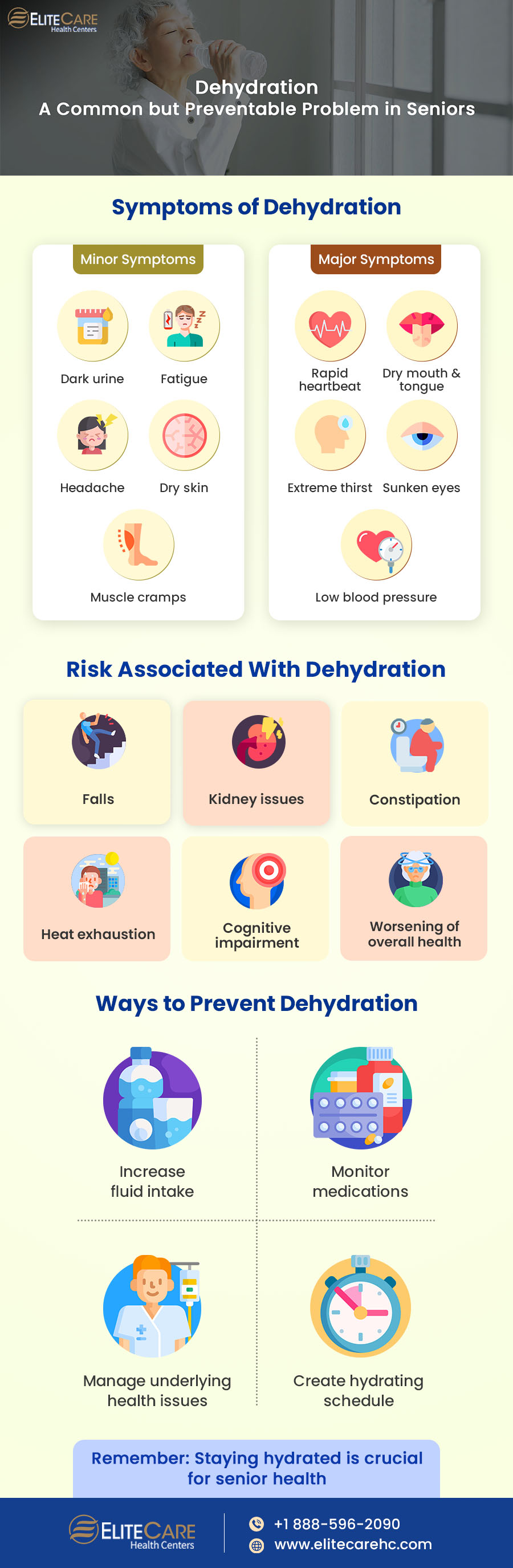
In seniors, dehydration often shows up as confusion, irritability, or forgetfulness, mistaken for dementia or aging. These cognitive shifts can occur with as little as 1 to 2 percent body fluid loss. Other early signs include dry mouth or sticky saliva, dark yellow urine, fatigue or weakness, headache, and constipation.
Pro Tip: If a senior suddenly seems off, check hydration before assuming it is mental decline.
Recognize Physical Warning Signs
| Symptom | What It Means |
|---|---|
| Dry, cracked lips | Oral dryness equals early dehydration |
| Sunken eyes | Advanced fluid loss |
| Poor skin turgor | Pinch forearm skin; slow return means dehydration |
| Dizziness when standing | Orthostatic hypotension from low fluid volume |
| Rapid heart rate | Body compensating for low blood volume |
Critical Red Flag: Confusion plus dizziness or low blood pressure may signal severe dehydration requiring medical care.
Daily Fluid Needs for Older Adults

General Intake Guidelines
Men over 65 need approximately 13 cups or 3.0 liters of total fluids per day. Women over 65 need approximately 9 cups or 2.2 liters per day. This includes all beverages and moisture from food. About 20 to 30 percent of fluid intake comes from food like fruits, soups, and vegetables.
Myth Busting: Coffee and tea count toward hydration. Moderate caffeine, up to 400 milligrams per day, does not cause net fluid loss.
Adjust for Individual Factors
Not every senior needs the same amount. Increase intake if experiencing fever, vomiting, or diarrhea, if taking diuretics or laxatives, or if exposed to heat or physical activity. Reduce intake only under medical supervision, such as for heart failure or kidney disease with fluid restrictions.
Make Hydration Easy and Appealing
Keep Water Within Reach
Accessibility is key. Many seniors do not drink enough simply because getting up is painful or risky. Prevent this with refillable water bottles on bedside tables, pitchers and cups near favorite chairs or wheelchairs, spouted bottles or straws for limited dexterity, and translucent containers to track intake visually.
Expert Note: Use color-contrasted cups, such as a blue cup on a white table, for seniors with vision loss.
Use Smart Drinkware Solutions
Non-spill mugs with lids work well for wheelchair users. Straw-equipped bottles make sipping easier. Smart bottles with time markers help seniors track their intake. Thermos-style mugs keep tea or broth warm. These small changes dramatically increase daily consumption.
Boost Fluids Through Food
Serve High-Water Foods Daily
Food is a stealth hydrator. Include water-rich options like watermelon at 92 percent water, oranges, strawberries, and peaches. Vegetables like cucumber at 96 percent water, celery, lettuce, and tomatoes help too. Yogurt at 88 percent water, soups, and broths are especially effective in cold weather.
Time-Saving Tip: Add fruit slices to oatmeal or blend cucumbers into salads for extra hydration.
Choose Low-Sodium Options
If on a heart-healthy or kidney-friendly diet, opt for homemade broths to control salt, fresh or frozen fruits and vegetables with no added sodium, and unsweetened yogurt. Avoid canned soups or processed snacks high in sodium, which increase thirst and fluid retention.
Enhance Taste Without Sugar
Infuse Water Naturally
Plain water can be boring. Make it appealing with lemon, lime, or orange slices. Add cucumber and mint. Use frozen berries as ice cubes. Try ginger or basil. These add flavor without sugar, supporting hydration and dental health.
Offer Warm, Comforting Drinks
Seniors often prefer warm beverages, especially in winter. Herbal teas like chamomile, rooibos, and peppermint work well. Warm milk with honey is comforting. Low-sugar electrolyte drinks and broth or miso soup are good options.
Avoid: High-sugar sodas or sweetened teas that worsen dehydration.
Build Hydration Into Daily Routines
Link Drinking to Daily Activities
Create habits by pairing fluids with regular events. Have a glass of water upon waking. Drink one with breakfast, lunch, and dinner. Schedule mid-morning and mid-afternoon sip breaks. Enjoy herbal tea after dinner. This ensures consistent intake without relying on thirst.
Use Reminders and Alarms
Set phone alarms every 2 hours. Use hydration apps like Waterllama or Plant Nanny. Place sticky notes on mirrors or cabinets. Pair fluids with TV commercial breaks. Drink during every ad.
Caregiver Hack: Offer fluids during every interaction, including med passes, temperature checks, or visits.
Overcome Fear of Incontinence
Never Restrict Fluids to Prevent Accidents
Many seniors limit drinking to avoid bathroom trips. This backfires. Chronic dehydration irritates the bladder and increases urinary tract infection risk. Instead, encourage timed voiding, using the bathroom every 2 to 3 hours. Limit fluids 1 to 2 hours before bedtime rather than all day. Use absorbent undergarments to reduce anxiety. Treat underlying incontinence with a doctors help.
Key Message: Restricting fluids is dangerous. Address the root cause, not the symptom.
Adjust for Weather and Activity
Stay Hydrated in Heat
Seniors store more body heat and sweat less. In hot weather, increase fluid intake before going outside. Wear light, breathable clothing. Use fans or air conditioning. Avoid peak sun hours from 10 AM to 4 PM.
Warning: Heat exhaustion symptoms like dizziness, nausea, and confusion often stem from dehydration.
Do Not Ignore Winter Dehydration
Cold weather increases urine output and reduces thirst. Combat this by offering warm fluids like tea and broth. Use humidifiers to reduce dry indoor air. Monitor for dry skin and lips. Encourage sips even without thirst.
Fact: Dehydration rates peak in winter in some regions due to reduced fluid intake.
Manage Medication Risks
Diuretics Increase Fluid Loss
Common heart and blood pressure drugs like furosemide or hydrochlorothiazide cause increased urination. Seniors on these medications need higher baseline fluid intake, regular monitoring of potassium and sodium, and electrolyte-rich foods like bananas, broth, and yogurt.
Caregiver Alert: Schedule extra fluids around dosing times.
Watch for Other High-Risk Drugs
These medications can worsen dehydration. Antipsychotics and anticholinergics reduce thirst. NSAIDs like ibuprofen cause kidney stress and diarrhea. Laxatives lead to fluid loss. Diabetes medications increase urination. Review all medications with a doctor to assess hydration risk.
Support Seniors With Cognitive Decline
Offer Small Sips Frequently
People with dementia may forget to drink or not recognize thirst. Help by offering 2 to 4 ounces of fluid every 1 to 2 hours. Use visual cues like colored cups or pictures of water. Serve favorite drinks within dietary limits. Drink together to model behavior.
Pro Tip: Use a red cup. It is easier to see and may prompt drinking.
Involve Family in Hydration Plans
Caregivers should track intake with a checklist or app. Note favorite beverages. Communicate with nurses or aides. Watch for sudden confusion, which is an early dehydration sign.
Handle Swallowing Difficulties Safely
Use Thickened Liquids If Needed
Seniors with dysphagia, or swallowing problems, are at high risk. Solutions include nectar-thick or honey-thick fluids as prescribed. Gelatin cubes, popsicles, or ice chips work well. Moistened purees or smoothies help too.
Never force thin liquids if aspiration is a concern.
Work With a Speech Therapist
A speech-language pathologist can assess swallowing safety. They recommend texture modifications. They teach safe drinking techniques like the chin tuck. They suggest adaptive cups.
Use Electrolytes Wisely
Replenish Minerals During Illness
Plain water does not replace lost sodium, potassium, or chloride. During vomiting, diarrhea, or fever, use oral rehydration solutions like Pedialyte or DripDrop. Try homemade ORS using 1 liter water, 6 teaspoons sugar, and one-half teaspoon salt per WHO formula. Avoid sports drinks because they are high in sugar and low in electrolytes.
When to Use: Oral rehydration solutions are ideal for mild to moderate dehydration, not daily maintenance.
Eat Electrolyte-Rich Foods
Daily sources include bananas, potatoes, and oranges for potassium. Milk, yogurt, and leafy greens provide calcium. Nuts, seeds, and whole grains offer magnesium. Broth, pickles, and pretzels supply sodium in moderation. Balance is key because too much sodium can worsen fluid retention.
Hydration in Care Settings
Nursing Homes and Assisted Living
Facilities should offer fluids during every staff interaction. Use hydration carts or fluid rounds. Monitor intake and output charts. Conduct daily weight checks. Screen with the Geriatric Dehydration Screening Tool.
Best Practice: Include hydration goals in individual care plans.
Hospitalized Seniors
Dehydration is a top reason for hospital admission. In hospitals, assess hydration at intake. Monitor urine output and mental status. Address causes like fever, infection, or vomiting. Use intravenous fluids if oral intake is unsafe.
Monitor Hydration at Home
Check Urine Color and Output
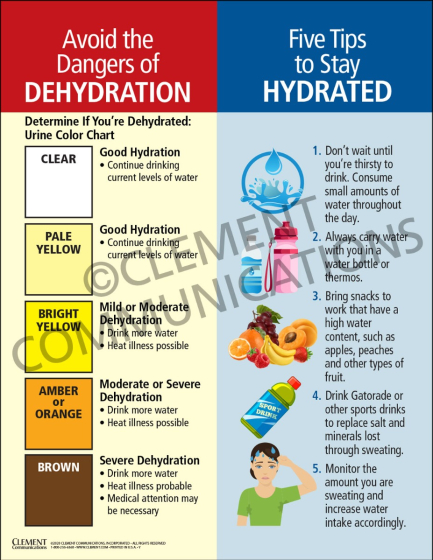
Pale yellow means well-hydrated. Dark amber means needs more fluids. Less than 4 to 5 bathroom trips per day suggests possible low intake.
Note: B vitamins can darken urine, so do not rely on color alone.
Track Daily Weight
A sudden drop of 2 to 3 pounds or 1 to 1.5 kilograms in 24 to 72 hours often means fluid loss. Weigh weekly, at the same time, wearing the same clothing.
Use Simple Screening Tools
The Geriatric Dehydration Screening Tool includes dry tongue, dry armpits, poor skin turgor, recent weight loss, and not drinking for 24 hours. A score of 6 or higher suggests dehydration risk.
Frequently Asked Questions About Keeping Seniors Hydrated
How much water should a senior drink per day?
Men over 65 should aim for approximately 13 cups or 3 liters of total fluids daily. Women over 65 need about 9 cups or 2.2 liters. This includes all beverages and moisture from food.
What are the first signs of dehydration in seniors?
Early signs include dry mouth, dark yellow urine, fatigue, headache, confusion, irritability, and constipation. Even mild dehydration at 1 to 2 percent body fluid loss can cause cognitive changes mistaken for dementia.
Does coffee or tea count toward hydration for seniors?
Yes. Moderate caffeine intake up to 400 milligrams per day does not cause net fluid loss. Coffee and tea contribute to daily fluid intake and should not be excluded from hydration strategies.
How can I encourage a senior with dementia to drink?
Offer 2 to 4 ounces of fluid every 1 to 2 hours. Use visual cues like red cups or pictures of water. Serve favorite beverages. Drink alongside them to model behavior. Keep drinks accessible at all times.
What should I do if a senior refuses to drink due to fear of incontinence?
Never restrict fluids to prevent accidents. This increases urinary tract infection risk. Instead, encourage timed voiding every 2 to 3 hours. Limit fluids 1 to 2 hours before bedtime. Use absorbent undergarments. Address the underlying incontinence with medical help.
When should I seek medical help for dehydration?
Seek immediate care if the senior shows confusion, dizziness, low blood pressure, rapid heart rate, sunken eyes, or very dark urine. Severe dehydration requires medical attention, especially if the person cannot keep fluids down.
Key Takeaways for Keeping Seniors Hydrated
Keeping seniors hydrated requires awareness, accessibility, and action. Due to age-related physiological changes, older adults cannot rely on thirst alone. A proactive strategy including routine fluid intake, high-moisture foods, caregiver support, and regular monitoring is essential.
The most important points to remember are that up to 40 percent of seniors are chronically dehydrated. Thirst sensation declines with age, so encourage drinking before the person feels thirsty. Use urine color, weight, and symptoms to monitor hydration status. Caregivers play a critical role in offering and encouraging fluids throughout the day.
Never restrict fluids due to fear of incontinence. Address the root cause instead. Small actions like placing a water bottle within reach, offering a warm cup of tea, or simply asking would you like a drink can lead to big health gains. Start today by making hydration a consistent part of daily routines.