Aging doesn’t mean accepting a weaker midsection. For seniors, strengthening stomach muscles isn’t about achieving a six-pack. It’s about building core strength that protects your balance, supports your posture, and helps you stay independent in daily life. As we age, natural muscle loss and shifting fat distribution around the abdomen can weaken your core, increasing fall risk and back pain. The good news: you can tighten stomach muscles at any age with the right approach.
This guide shows you senior-friendly, low-impact techniques that target deep core muscles safely. You’ll learn which exercises to do, which to avoid, and how to build a routine that fits your mobility level. Whether you’re starting from a chair or moving confidently on your feet, these strategies help you build stability, reduce back pain, and move with greater ease.
Why Core Strength Changes After 65
As you age, your core becomes even more important for maintaining independence and preventing injury. Understanding why this matters helps you stay motivated to practice consistently.
Preventing Falls and Maintaining Balance
Weak abdominal muscles contribute directly to poor balance, a leading cause of falls in seniors. The CDC reports that one in three adults over 65 falls each year, often with serious consequences. A strong core stabilizes your center of gravity, helping you recover from stumbles and maintain control during movement. The transversus abdominis, your deep “corset” muscle, plays a key role in enhancing postural reflexes and reducing fall risk.
Reducing Back Pain and Improving Posture
When abdominal muscles weaken, your lower back compensates, leading to strain and chronic pain. Strengthening your core supports spinal alignment, reducing pressure on discs and joints. Seniors who practice core exercises regularly report less back discomfort and better posture when sitting and standing.
Supporting Daily Activities and Independence
Simple actions like standing from a chair, lifting groceries, or bending to tie shoes require core stability. A stronger midsection makes these tasks easier, reduces fatigue, and helps you maintain independence longer. Core strength is not about appearance. It’s about functional mobility that keeps you doing the things you love.
How Aging Affects Your Abdominal Muscles
Understanding how your body changes helps you choose the right exercises and set realistic expectations for your progress.
Muscle Loss and Sarcopenia
After age 30, adults lose 3-8% of muscle mass per decade. This accelerates after 60. Sarcopenia affects not just your arms and legs but also core muscles like the rectus abdominis and obliques. Without targeted exercise, this leads to a weaker, less stable midsection that impacts everything from balance to breathing.
Hormonal Shifts and Belly Fat Changes
Postmenopausal women experience a drop in estrogen, which promotes fat storage in the abdomen. This visceral fat increases risks for heart disease and diabetes. While exercise cannot spot-reduce fat, building abdominal muscle improves your muscle-to-fat ratio and boosts metabolism.
Weakening of the Deep Core Muscles
The transversus abdominis, the deepest abdominal layer, often becomes inactive with age and inactivity. This compromises spinal stability and pelvic support. Re-educating this muscle through targeted contractions is essential for effectively tightening your stomach muscles.
The Key Muscles You’re Training

Knowing which muscles you’re working helps you engage them correctly and get better results from every exercise.
Your core includes several muscle groups that work together. The rectus abdominis runs vertically along the front and helps you bend forward. The obliques on the sides enable twisting and side bending. The transversus abdominis wraps around your waist like a belt and stabilizes your spine. Your erector spinae muscles along the back support upright posture. Your glutes and hip flexors work with your core for movement and balance.
Your core provides stability for everything above and below your spine, hips, and movement. Engaging all these muscles together creates the functional strength you need for daily life.
Essential Safety Steps Before Starting
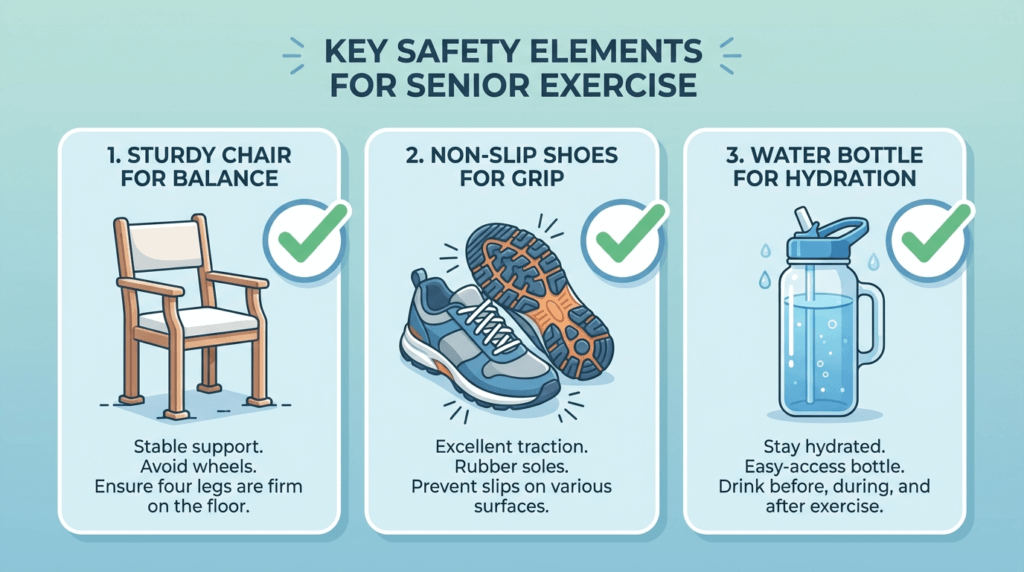
Protecting your body during exercise starts before you begin any movement. Taking these precautions ensures you exercise safely.
Getting Medical Clearance First
Consult your doctor before starting any exercise program if you have heart conditions, osteoporosis, recent surgeries, chronic back or joint pain, or neurological issues affecting balance. A healthcare provider can recommend safe modifications or refer you to a physical therapist who specializes in senior fitness.
Recognizing Your Current Fitness Level
Be honest about your mobility, balance, and endurance. Start where you are, whether that’s seated in a chair, standing with wall support, or moving confidently on your feet. Progress comes from consistency, not intensity. Pushing too hard leads to injury and setbacks.
Creating a Safe Exercise Space
Use a non-slip mat or rug on hard floors. Keep a sturdy chair or wall nearby for balance support. Ensure good lighting and ventilation. Avoid exercising right after meals. Remove any obstacles that could cause you to trip or lose balance.
Knowing When to Stop
Discontinue any exercise immediately if you experience chest pain or pressure, dizziness, sharp back or neck pain, or unusual shortness of breath. These warning signs require medical attention. Mild muscle fatigue is normal, but pain is not your friend during core work.
Preparing Your Core With the Right Warm-Up
A proper warm-up increases blood flow, activates deep muscles, and prevents injury. Skipping this step shortchanges your results and increases risk.
Gentle Stretches to Prepare Your Body
Perform each stretch for 15-30 seconds. The neck stretch involves gently tilting your ear toward your shoulder and holding. Shoulder rolls loosen your upper body by circling forward and backward. The chest stretch opens your front body when you clasp hands behind your back and gently lift arms.
Diaphragmatic Breathing to Activate Deep Muscles
Sit comfortably with hands on your belly. Inhale deeply through your nose and feel your abdomen rise. Exhale fully through your mouth and draw your belly button toward your spine. Repeat for 1-2 minutes. This breathing pattern activates the transversus abdominis before you even begin moving.
Core Activation Drill Before Exercise
Sit tall with feet flat on the floor. Inhale, then on the exhale, gently pull your navel toward your spine using only 20-30% effort. Hold for 5-10 seconds. Repeat 5 times. Focus on subtle contraction rather than holding your breath or straining.
Standing Exercises That Strengthen Your Core
Standing core exercises build functional strength using movements that mimic daily activities. These exercises require no equipment and can be done anywhere.
Side-Bend Wood-Chop Combo
Stand with feet wider than shoulder-width apart and hands at your sides. Bend forward and reach down toward the floor. Rise while twisting arms diagonally across your body, like chopping wood. Alternate sides. Exhale on the upward chop. Keep your chest lifted and engage your obliques with each movement.
Horizontal Wood Chop
Stand with knees slightly bent and arms extended out to your sides in a T-position. Rotate your torso smoothly to one side, bringing arms across your body. Return to center and repeat on the opposite side. Move slowly for core focus and control, or faster for added cardio benefit. Squeeze your obliques and keep your hips stable throughout.
Jab-Cross Core Combo
Stand with feet shoulder-width apart, knees slightly bent, and arms up in a boxing stance. Step sideways and throw a jab with the same-side arm. Pivot and throw a cross with the opposite arm. Alternate jab-cross-jab-cross. Power comes from your midsection, not your arms. Exhale with each punch while maintaining core tension.
Knee Lift with Rotation
Stand with feet shoulder-width apart and arms in goal-post position with elbows bent at 90 degrees. Lift one knee toward the ceiling while rotating your torso toward it. Exhale on the effort. Lift as high as comfortable. Perform 4 lifts per side.
T-Cross Toe Touch
Stand with feet apart and arms out to your sides in a T-position. Lift one leg to hip height while rotating the opposite arm across your body, reaching toward your toe. Squeeze your midsection on each reach. Keep your knee slightly bent if hamstrings are tight. Perform 4 reaches per side.
Chair-Based Exercises for Beginners
Seated exercises provide excellent core training with maximum stability. These are ideal for seniors who are new to exercise or have balance concerns.
Seated Abdominal Contractions
Sit upright in a sturdy chair with feet flat on the floor and hands on your belly. Inhale and let your abdomen rise. Exhale and draw your belly button toward your spine, activating your transversus abdominis. Hold for 5-10 seconds while maintaining a neutral spine. Repeat 5-10 times. This exercise strengthens your deepest core muscle and improves posture.
Sit-Back Chair Exercise
Sit on the edge of a chair with arms crossed over your chest. Lean back slightly without touching the backrest. Keep your core engaged and return to upright. Perform 1-2 controlled reps initially. Maintain steady breathing and avoid tension in your jaw.
Chair Plank
Place your hands on the seat of a sturdy chair. Step your feet back until your body forms a straight line from head to heels. Engage your core and keep your hips level. Hold for 10-30 seconds. This builds full-body strength and improves posture.
Standing Supported Side Bends
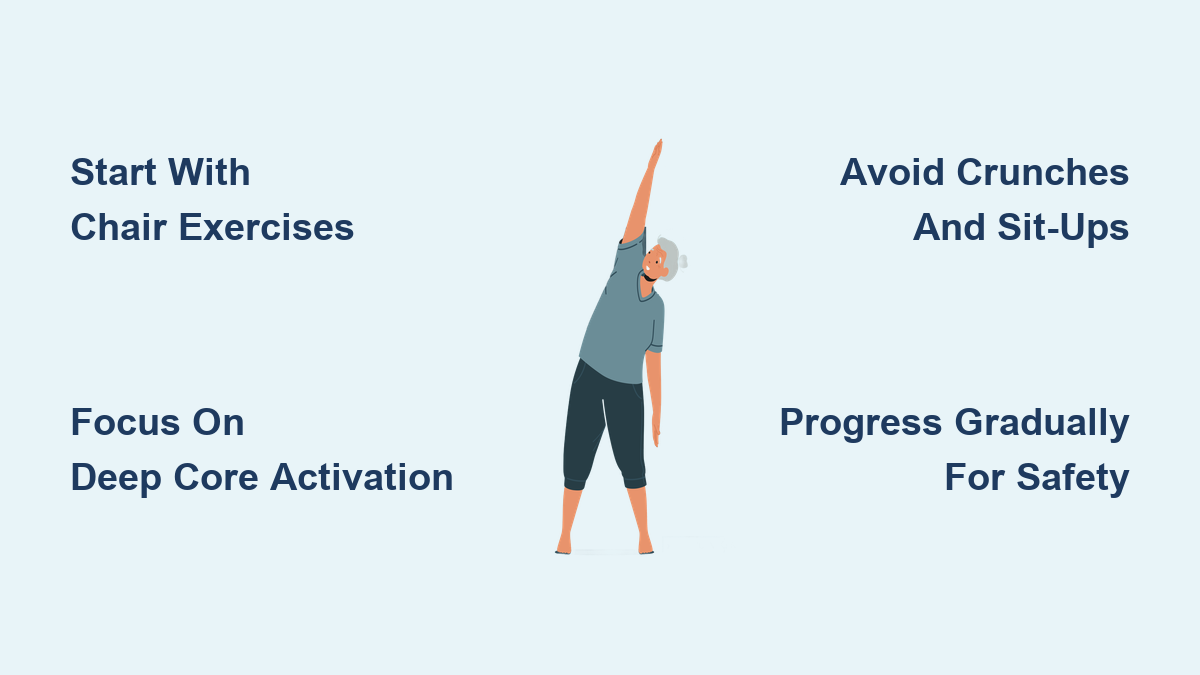
Hold a chair or wall for balance. Stand with feet shoulder-width apart. Slowly bend sideways, keeping your arms straight. Hold for 2-3 seconds and return. Repeat on the opposite side. Avoid twisting or bending too far. This tones oblique muscles and improves flexibility.
Floor Exercises That Are Safe for Seniors
Low-impact floor exercises build significant core strength while protecting your joints. Always use a mat and transition slowly and safely.
Modified Plank
Come onto your forearms and knees with shoulders over elbows. Slide your feet back and keep your body straight from head to knees. Squeeze your glutes and pull your belly button toward your spine. Hold for 20 seconds and repeat 3-5 times. If the floor is uncomfortable, perform against a wall or couch.
Bridges
Lie on your back with knees bent, feet flat on the floor, and arms at your sides. Tighten your glutes and abs. Lift your hips until your body forms a straight line from shoulders to knees. Hold briefly and lower slowly. Perform 10 repetitions. This exercise engages your entire core and creates corset-like stability.
Modified Bridge for Lower Abs
Similar to the standard bridge, but focus on lifting with your lower abdominal muscles. Hold for 2-3 seconds and lower with control. When getting up or down, roll to your side first to protect your back. Place a pillow under your lower back if needed for comfort.
Deadbug
Lie on your back with knees bent 90 degrees over your hips and arms extended toward the ceiling. Slowly extend one arm overhead while lowering the opposite leg toward the floor. Keep your lower back pressed into the floor. Return and switch sides. Perform 5-10 per side. Move slowly and maintain constant core engagement.
Gentle Supine Leg Extensions
Lie on your back with knees bent and feet flat on the floor. Lift one leg about 6 inches off the floor. Hold for 2-5 seconds while keeping your back flat. Lower and switch legs. Press your lower back into the floor throughout to protect your spine.
Modified Superman
Lie face down with arms extended overhead and legs straight. Lift your arms, chest, and legs slightly off the floor. Contract your core and glutes. Hold for 3-5 seconds and lower. Focus on quality over height. Small lifts are sufficient to build strength.
Opposite Arm and Leg Raise
Come onto your hands and knees with a neutral spine. Extend your left leg behind and right arm forward, keeping your hips and shoulders level. Hold briefly and return. Repeat on the opposite side. Move slowly with control, avoiding jerking or swaying. Perform 10 per side.
Building a Core Routine That Works
Consistency matters more than intensity when it comes to core training. Designing a sustainable routine ensures you stick with it long-term.
How Often to Train Your Core
Core muscles can be worked daily because they don’t require the same recovery time as other muscle groups. However, beginners should start with 3-4 days per week to build endurance and perfect form. Even 5-10 minutes daily beats one long weekly session.
Sample Weekly Structure
| Day | Focus | Duration |
|---|---|---|
| Monday | Standing exercises | 10-15 minutes |
| Tuesday | Chair-based exercises | 10 minutes |
| Wednesday | Rest or light walking | – |
| Thursday | Floor exercises | 10-15 minutes |
| Friday | Chair-based exercises | 10 minutes |
| Saturday | Standing exercises | 10-15 minutes |
| Sunday | Rest | – |
Reps and Sets Guidelines
For isometric exercises like planks and bridges, perform 1-3 sets holding for 10-30 seconds. For dynamic exercises like knee lifts and wood chops, perform 4-10 repetitions per side in 1-3 sets. For seated contractions, do 5-10 repetitions in 2-3 sets with 5-10 second holds.
Tips for Progressing Safely
Gradual progression builds strength without risking injury. Listen to your body and advance only when ready.
Starting Easy and Building Gradually
Begin with seated or supported exercises. Master breathing and form first before adding complexity. Gradually increase hold time, repetitions, range of motion, and exercise complexity. For example, start with supported side bends, then progress to unsupported side bends, then add small weights.
Listening to Your Body
Mild muscle fatigue is normal and indicates your muscles are working. Pain is not normal. Stop if something hurts and consult a healthcare provider if discomfort persists. Rest or modify exercises as needed. Some days will feel stronger than others, and that’s completely normal.
Combining With Other Activities
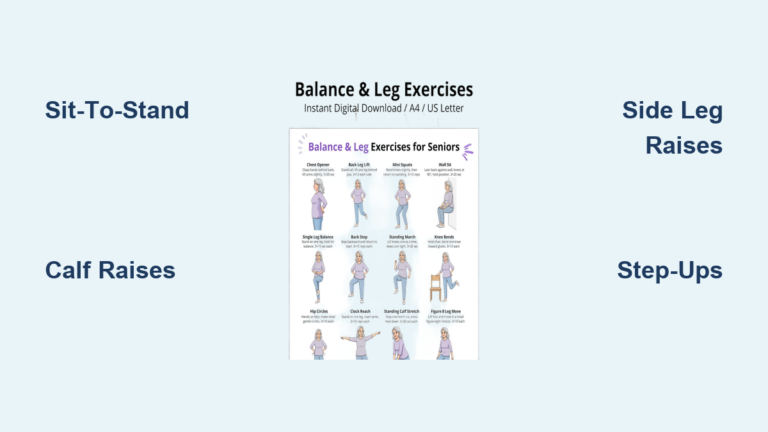
Core exercises work well alongside other senior-friendly activities. Walking improves overall fitness and supports core strength. Chair yoga adds flexibility and body awareness. Light resistance training builds overall strength. Balance exercises complement core work for fall prevention.
Cooling Down and Stretching
Proper cool-down maintains flexibility and prevents stiffness. After your workout, stretch your hip flexors and hamstrings. Try gentle spinal twists or cat-cow stretches to maintain mobility. Remember that you want your core muscles to be strong and tight, but the muscles around them should remain flexible.
Frequently Asked Questions About Tightening Stomach Muscles for Seniors
Can seniors really tighten their stomach muscles at any age?
Yes. Muscle strengthening is possible at any age, including after 65. Seniors can build core strength through targeted exercises that engage deep abdominal muscles safely. The key is consistency, proper form, and choosing low-impact movements that protect joints.
How long does it take to see results?
Most seniors notice improved stability and reduced back pain within 4-6 weeks of consistent practice. Visible tightening may take longer depending on your starting point and body composition. Focus on functional improvements like easier standing and better balance as your primary metrics.
Are sit-ups and crunches safe for seniors?
No. Traditional sit-ups and crunches are not recommended for seniors. They strain the neck, overwork hip flexors, and neglect deep core muscles. Instead, focus on functional exercises like seated contractions, bridges, and wood chops that engage multiple muscle groups safely.
Can I do these exercises every day?
Yes. Core muscles can be trained daily because they function differently than other muscles. Unlike other muscle groups that need recovery days, your core should always be working. Even brief daily practice yields better results than occasional intense sessions.
What if I have back pain?
Consult your doctor before starting if you have chronic back pain. Many core exercises actually help reduce back pain by strengthening the muscles that support your spine. Start with gentle seated contractions and progress slowly. Stop any exercise that causes pain.
Do I need any equipment?
No. All exercises described can be done with just a sturdy chair. A non-slip mat provides comfort for floor exercises. No special equipment is required to tighten stomach muscles effectively.
Key Takeaways for Strengthening Your Core as a Senior
Building core strength after 65 is not only possible, it’s essential for maintaining your independence and reducing fall risk. Focus on functional exercises that engage your deep abdominal muscles safely, avoiding traditional sit-ups that can cause injury. Start with chair-based or supported standing exercises if you’re new to exercise, and progress gradually as your strength improves.
Remember that consistency matters more than intensity. Even 5-10 minutes daily makes a measurable difference in your core strength, balance, and back comfort. Combine your core routine with walking, gentle stretching, and other senior-friendly activities for best results. Your body is capable of getting stronger at any age. Start today and feel the difference in everything you do.