Putting eye drops in elderly patients can feel like an impossible task. Age-related challenges like shaky hands, stiff joints, poor eyesight, and memory problems make self-administration difficult. As a caregiver, knowing the right technique matters not just for getting the medication in, but for doing it safely, comfortably, and effectively every single time.
This guide gives you step-by-step instructions, expert-backed methods, and practical tools to help older adults receive their eye drops with confidence. You will learn proper positioning, application techniques, contamination prevention, and how to handle difficult situations like dementia or resistance to treatment.
Proper Patient Positioning for Eye Drop Administration
The right position makes drop application safer and more accurate, especially for seniors with neck pain, balance issues, or limited mobility.
Sit Upright with Head Back
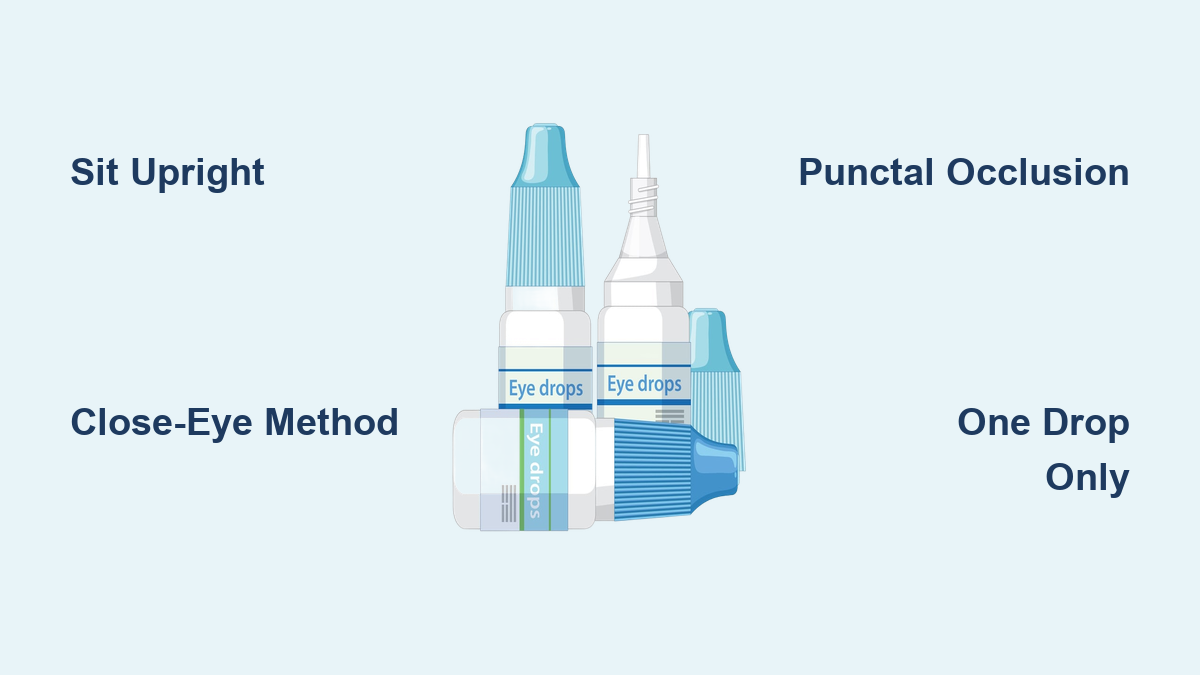
Have the person sit in a sturdy chair with back support. Ask them to tilt their head slightly backward and look up at the ceiling. Stay still during application. Use a pillow behind the head if needed for comfort. This position works well for those who can sit steadily and follow directions.
Pro tip: Rest your hand on the patient forehead or shoulder to steady the bottle and prevent accidental pokes.
Lie Flat with Eyes Closed
For older adults who cannot tilt their head back or feel anxious about drops, lying down is a better option. Lay the person flat on a bed or couch with eyes gently closed. Place the drop in the inner corner of the eye near the nose. When they slowly open their eye, the medicine flows in naturally. This method reduces fear and works well for dementia patients or those recovering from eye surgery.
Why it works: The tear duct pulls liquid from the inner eye into the conjunctival sac, so there is no need to force the eye open.
Step-by-Step Eye Drop Application

Follow these steps to apply eye drops correctly and avoid contamination every time.
Prepare the Environment and Supplies
Before starting, wash your hands thoroughly with soap and water. Check the label to confirm the right medication, the correct eye, and that it has not expired. Shake the bottle if required. Gather supplies including a tissue, reminder log, and a clean surface. Keep the bottle upright and never let the tip touch anything.
Avoid this mistake: Squeezing too hard and spraying the wall or the patient cheek instead of the eye.
Apply One Drop to the Conjunctival Sac
Hold the bottle about one inch above the eye. If the eye is open, gently pull down the lower eyelid with one finger. Aim for the pink pocket called the conjunctival sac, not the center of the eye. Squeeze exactly one drop only. If the eye is closed, place the drop in the inner corner where the eyelids meet the nose. Let blinking draw the medicine in.
Fact: The eye holds only about 30 to 40 microliters. Extra drops spill out or drain away, so one is always enough.
Use Punctal Occlusion After Each Drop
After applying the drop, ask the person to close their eye gently without squeezing. Press the inner corner of the eye called the tear duct with a clean finger for one to three minutes. This blocks drainage into the nose and throat, keeping more medication in the eye.
Why it matters: Punctal occlusion boosts effectiveness by up to 50 percent and prevents side effects like low heart rate or bitter taste, which are common with glaucoma drugs.
Managing Multiple Eye Medications
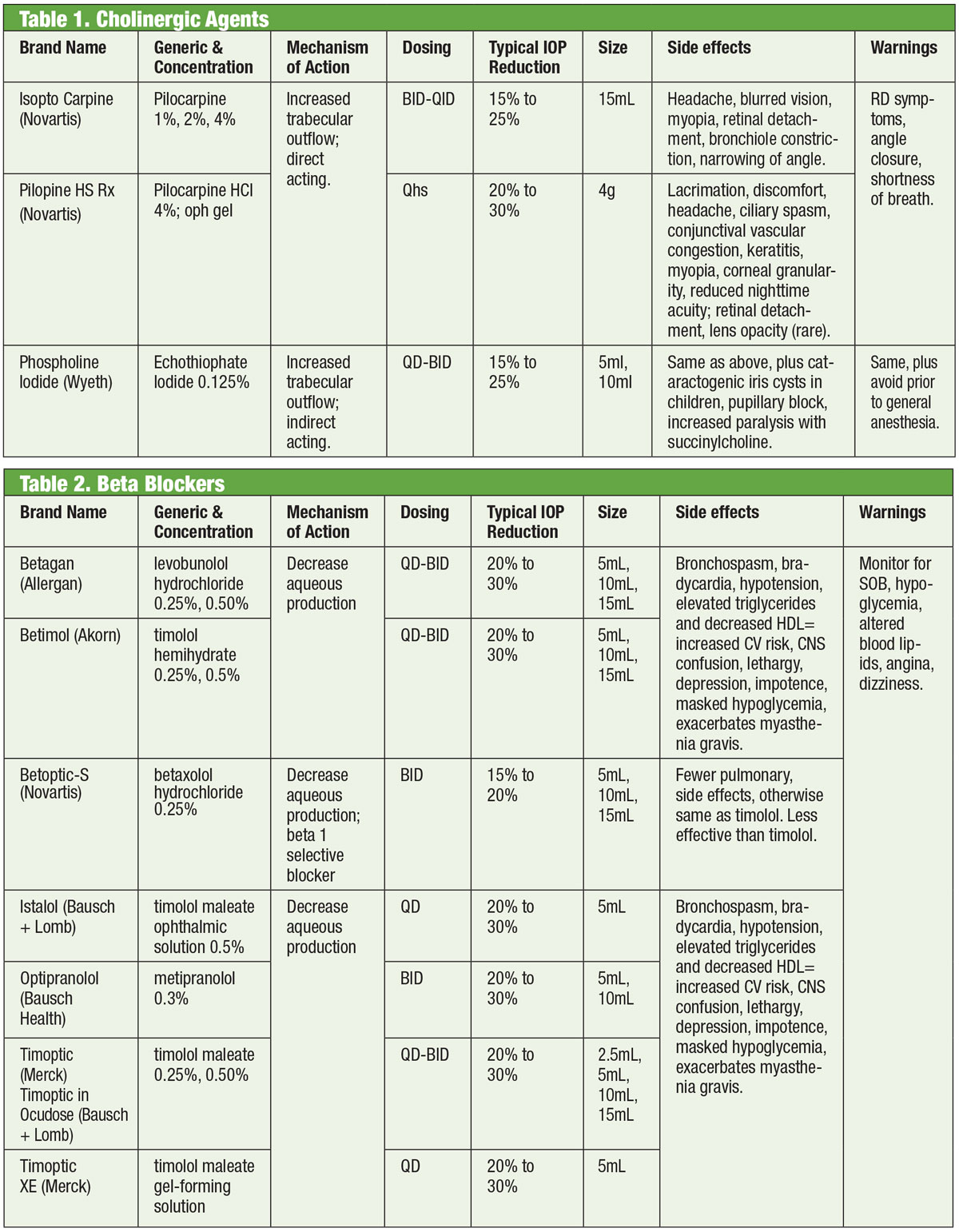
Many seniors use more than one eye drop, especially for glaucoma or post-surgery care. Proper timing and sequence matter for effectiveness.
Wait 3 to 5 Minutes Between Drops
Applying a second drop too soon washes out the first one. Wait three to five minutes before adding another medication. Use a timer or clock to track time accurately. Apply drops before ointments if both are prescribed.
Pro tip: List medications in order on a sticky note or whiteboard by the sink to avoid confusion.
Follow the Correct Application Sequence
Order matters when using multiple eye medications. Apply the thinnest formulas first, then thicker gels or ointments. Use the most urgent medications first, such as pressure-lowering drops for glaucoma. Always check with your doctor about specific timing requirements for your prescribed medications. Never mix bottles unless explicitly directed.
Caregiver Techniques for Difficult Cases
Caring for someone with dementia, tremors, or fear of eye drops requires patience and smart strategies.
Stay Calm and Use Clear Cues
Speak slowly and confidently during each step. Use simple phrases like look up at the ceiling, now close your eye slowly, or good job, you are doing great. Avoid sudden movements that might startle the patient. Let the person hold your arm for reassurance if needed.
Break It Into Small Steps
For confused or resistant patients, break the process into manageable parts. First, wash hands together. Next, show the bottle and label. Then, position the person comfortably. After that, apply one drop. Finally, praise their cooperation. Repeat daily at the same time to build a consistent routine.
Try the Closed-Eye Method
If the patient refuses to open their eye, use the closed-eye technique. Lay them flat. Place the drop in the inner corner. Wait for their natural blink to pull it in. There is no pulling, no pressure, just quiet precision.
This method is ideal for uncooperative patients and reduces anxiety significantly.
Prevent Contamination and Infection
Eye drops are sterile until they become contaminated. A contaminated bottle can cause serious eye infections.
Never Touch the Dropper Tip
The tip must stay clean at all times. Do not let it touch the eye, eyelid, fingers, or any surface. Recap the bottle immediately after use. Store it upright to prevent leakage.
Warning: If the tip touches skin, replace the bottle or consult a pharmacist about whether it is still safe to use.
Discard Bottles on Schedule
Most multi-dose bottles expire 28 days after opening, even if liquid remains. Check the label for the expiration date, the discard-by timeframe after opening, and any refrigeration requirements. Single-use vials must be tossed after one use with no exceptions.
Assistive Tools for Independence

Physical limitations should not stop proper treatment. These devices help seniors apply drops on their own or with minimal help.
Use a Drop-Aid Applicator
Devices like the Remedic Eye Drop Guide or similar products clip onto the bottle and rest against the forehead or cheekbone. They guide the drop into the eye with precision. These tools are great for people with arthritis or shaky hands.
Add Non-Slip Grips
Wrap rubber grips or use adaptive sleeves on bottles to improve control and reduce squeezing force. These prevent drops from slipping and help with arthritic hands. They are available at pharmacies and online retailers.
Try Magnifying Mirrors
A mirror with built-in lighting and magnification helps users see the eye clearly and align the dropper accurately. Place it at eye level on a stable surface to reduce missed drops.
Ask your eye doctor: Some tools are covered by insurance or available through low-vision clinics.
Storage and Handling Tips
Improper storage ruins medication effectiveness and can waste expensive prescriptions.
Store at Room Temperature or Refrigerate
Most eye drops are fine at room temperature between 59 and 86 degrees Fahrenheit, away from direct sunlight. However, some require refrigeration before opening, such as latanoprost, bimatoprost, and certain antibiotic drops. Once opened, many can stay at room temperature for 28 days. Always read the package insert for specific instructions.
Travel Safely with Eye Drops
Use an insulated case with a cold pack if refrigeration is needed while traveling. Keep bottles upright in a small pouch to prevent leaks. Pack extra supplies in case of delays.
Label All Bottles Clearly
In shared households, write the name, eye, and time of day on each label. Use color-coded caps or stickers for different family members. Keep separate storage bins to avoid confusion between glaucoma drops and allergy relief.
Frequently Asked Questions About Putting Eye Drops in Elderly
Is One Drop Enough?
Yes. The eye cannot hold more than one drop. Extra liquid overflows or drains into the nose. More is not better and can increase side effects like burning or redness.
Why Does It Sting?
A brief sting is normal due to preservatives like benzalkonium chloride or pH imbalance with natural tears. But if burning lasts or causes redness, ask your doctor about preservative-free options that are gentler on sensitive eyes.
Can I Wear Contacts When Using Eye Drops?
Remove contacts before applying drops. Wait 10 to 15 minutes before reinserting them, unless the label says otherwise. Preservative-free drops are safer for contact lens wearers.
Are Redness-Relief Drops Safe for Elderly?
No. Over-the-counter decongestants like Visine cause rebound redness with long-term use. They mask problems without treating the underlying cause. Use these products only short-term and see an eye doctor for persistent redness.
What If I Miss a Dose?
Take it as soon as you remember. Do not double dose to make up for the missed one. For glaucoma patients, even one missed dose can raise eye pressure. Set phone alarms or use a pill organizer with a reminder log to stay on track.
Can I Use Two Different Eye Drops Back-to-Back?
No. Wait three to five minutes between different medications. Otherwise, the first drop gets washed out and loses its effectiveness.
Special Situations Requiring Extra Care
Some eye conditions need additional attention and stricter adherence to protocols.
After Cataract Surgery
Patients often need three to four types of drops following cataract surgery. These include antibiotics to prevent infection, steroids to reduce inflammation, NSAIDs to control pain and swelling, and pressure-lowering agents. Caregivers may need to assist for one to two weeks after surgery. Follow the surgeon schedule exactly because missed doses increase infection risk. Use punctal occlusion to boost absorption.
Managing Glaucoma
Glaucoma requires strict adherence to treatment. Drops must be used at the same time every day without fail. Punctal occlusion is strongly recommended to enhance drug efficacy and reduce systemic side effects. Missed doses can lead to permanent vision loss. Track doses with a checklist or mobile app.
Dementia or Cognitive Decline
Patients with dementia may forget doses, resist treatment, or apply the wrong drops. Use the closed-eye method to reduce resistance. Supervise every single dose. Label bottles with pictures or colors to make identification easier. Store unused bottles out of reach to prevent accidental misuse. Building a consistent routine at the same time every day is essential.
Key Takeaways for Putting Eye Drops in Elderly
Putting eye drops in elderly individuals does not have to be stressful. With the right positioning, technique, and tools, you can ensure safe and effective treatment whether you are a caregiver or helping yourself. Focus on one drop at a time, use punctal occlusion to maximize medication absorption, prevent contamination by keeping tips clean, and lean on assistive devices when needed. When in doubt, ask your eye doctor for a hands-on demonstration. Small changes make a big difference in protecting vision and maintaining independence for the seniors you care for.