
Every year, millions of seniors miss out on hundreds or even thousands of dollars in savings simply because they do not know where to look. With rising healthcare costs, inflation, and fixed incomes, stretching every dollar matters more than ever. The good news is that there are real, actionable ways seniors can save money without sacrificing comfort or quality of life.
From unclaimed government benefits to simple lifestyle swaps, small changes add up fast. In fact, just cutting unused subscriptions, switching to generic prescriptions, and using senior discounts could save you over $2,000 annually. This guide reveals 15 powerful strategies that seniors are already using to keep more money in their pockets.
Build a Realistic Retirement Budget
Without a clear picture of income and expenses, it is easy to overspend, especially when healthcare or home repairs come up unexpectedly. A solid budget is the foundation of senior financial health.
Track All Sources of Income
Start by listing everything you earn each month. Use bank statements and benefit letters to get exact figures, not estimates.
• Social Security payments
• Pension disbursements
• Investment dividends or interest
• Part-time work or side gigs
• Rental income
Categorize Essential vs. Flexible Spending
Break down your monthly outflows into two groups. Essentials should take about 50% of your budget and include housing, utilities, food, healthcare, and transportation. Wants and discretionary spending should be around 30% and include dining out, travel, hobbies, and entertainment. The remaining 20% should go toward savings and debt repayment.
This 50/30/20 rule, adapted for retirees, helps prioritize needs while still allowing for enjoyment.
Use Senior-Focused Budget Tools
Skip generic apps and use tools made for older adults. The NCOA Budget Checkup Tool is a free online planner that creates a personalized action plan based on your age, income, and expenses. The AARP Budget Calculator compares income versus spending and highlights areas where you can cut back.
Check your budget every 6 to 12 months, especially after major life changes like a move, health issue, or loss of a spouse.
Claim Unclaimed Government Benefits

Up to $58 billion in assistance goes unclaimed each year because seniors do not apply or do not know they qualify. These programs are not handouts. They are benefits you have earned through taxes and contributions.
Find Programs You Qualify For
Use BenefitsCheckUp.org, a free tool from the National Council on Aging, to screen for over 2,500 federal, state, and local programs. It asks simple questions about your income, location, health status, and household size, then matches you with benefits in food assistance, healthcare, utilities, prescription drugs, and housing.
Enroll in Key Assistance Programs
SNAP, also known as Food Stamps, gets you a monthly EBT card for groceries. Despite eligibility, 70% of eligible seniors do not sign up. Even $20 per week adds up to over $1,000 per year.
Medicare Savings Programs pay your Part B premium, deductibles, and copays. Up to 5.8 million eligible seniors are not enrolled.
Extra Help, also called the Low-Income Subsidy, slashes prescription drug costs under Part D. It can mean $0 premiums and low copays. Apply via SSA.gov or call 1-800-772-1213.
Need help applying? Call the NCOA Helpline at 1-800-794-6559, Monday through Friday, 8 a.m. to 7 p.m. Eastern time.
Slash Property and Income Taxes
Taxes do not stop at retirement, but there are legal ways to reduce what you owe.
Cut Your Property Tax Bill
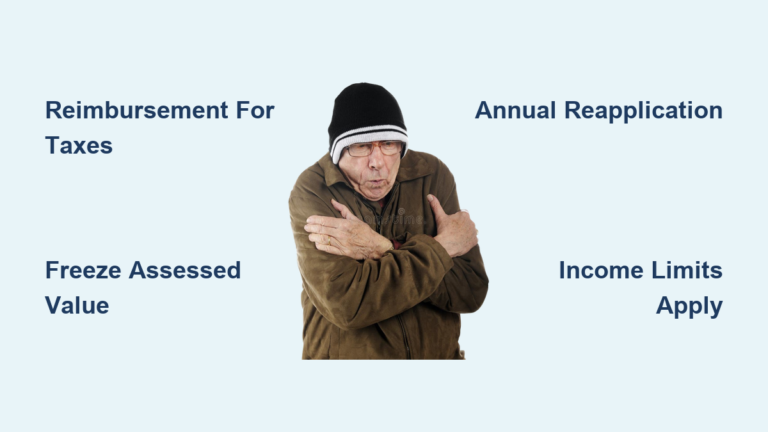
Many states offer tax breaks specifically for seniors. Senior exemptions reduce the taxable value of your home. Circuit breaker credits provide a refundable credit up to $1,100 for low-income seniors. Tax deferrals let you delay payment until you sell or pass away, available in states like Florida, Tennessee, and South Carolina. Work-off programs let you volunteer up to $1,500 per year in community service to cover taxes.
Check with your county assessor is office for local options.
Get Free Tax Preparation
Filing taxes can be confusing, but it does not have to cost money. The AARP Foundation Tax-Aide offers free service for anyone age 50 or older. IRS-certified volunteers are available at libraries, community centers, and senior hubs nationwide. They help claim key credits like the Saver is Credit, which can be up to 50% of retirement contributions, and the Earned Income Tax Credit for low-income workers.
Even if you are not required to file, you must submit a return to claim these credits.
Downsize or Relocate Strategically
Housing is usually the biggest monthly expense. Smart changes here can free up thousands of dollars per year.
Sell and Downsize
Moving to a smaller home cuts costs in multiple ways. You may eliminate or reduce your mortgage, lower utility bills from heating and cooling less space, pay cheaper property taxes and insurance, and face fewer repairs and maintenance costs.
Use the proceeds from your home sale to pay off debt, fund retirement living, invest for passive income, or cover future care needs.
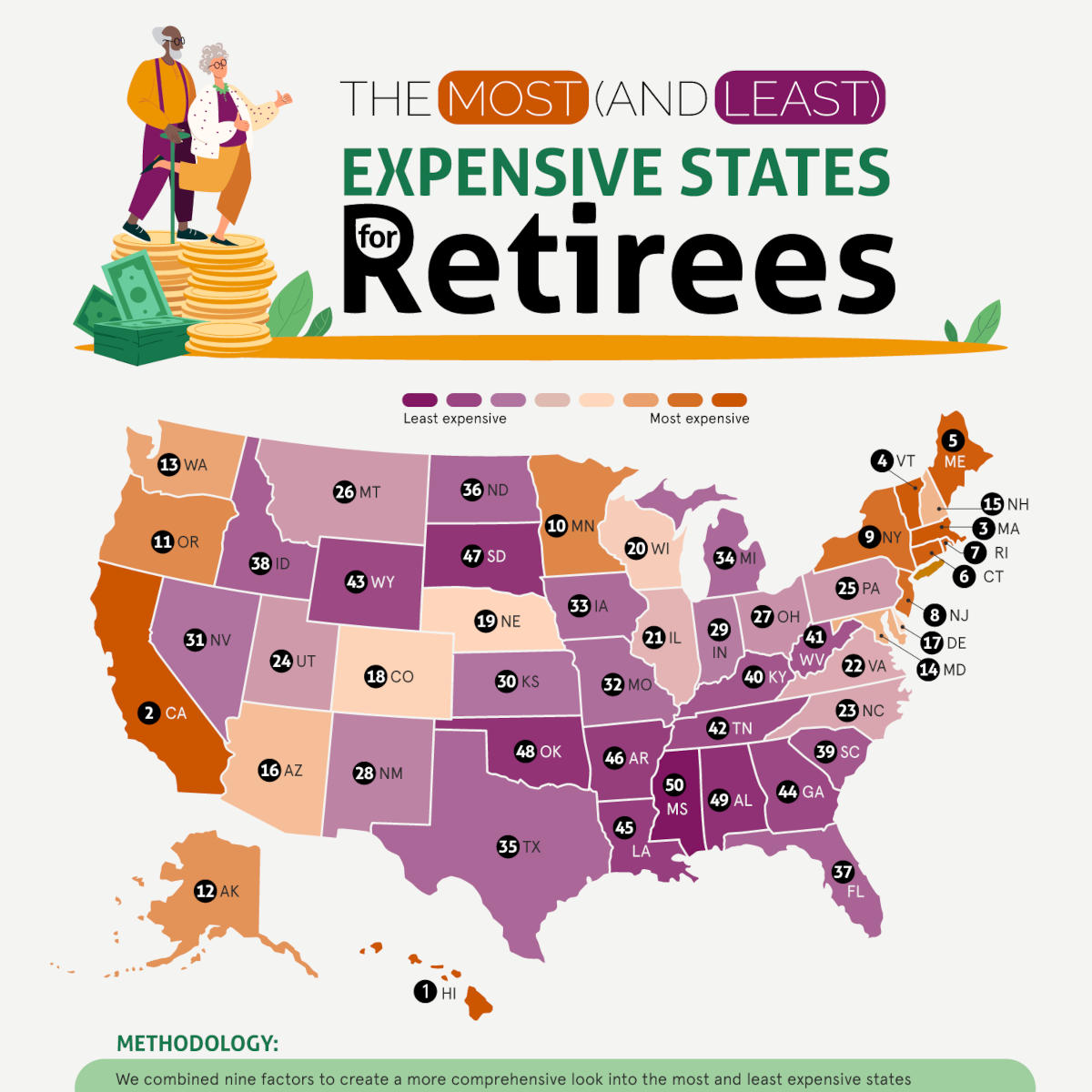
Move to a Lower-Cost State
Relocating can save $10,000 or more per year, especially if you pick a tax-friendly state. Florida and Tennessee have no state income tax. South Carolina offers generous senior exemptions. Alabama and Mississippi have among the cheapest housing markets in the country.
Consider access to healthcare, family, and climate before deciding where to move.
Cut Utility Bills with Smart Habits
Energy costs rise every year, but small changes can reduce usage by 10% to 20%.
Tap Into Utility Assistance
LIHEAP, the Low-Income Home Energy Assistance Program, helps pay heating and cooling bills and offers weatherization services like insulation and furnace repair. Boston residents may get up to $1,400 per year in aid. Apply through your state or local social services office.
Many cities offer water bill discounts for seniors 65 and older. Boston provides 30% off monthly water and sewer bills for eligible residents.
Upgrade for Energy Efficiency
Set your thermostat to 68 degrees Fahrenheit in winter and 78 degrees in summer. Lowering by just 1 degree saves up to 5% on heating costs. Installing a programmable thermostat can save 10% annually.
Replace bulbs with LEDs, which use 75% less energy. Unplug vampire devices like TVs, chargers, and microwaves that draw power when off. Use smart power strips to stop phantom loads automatically.
Weatherstrip doors and windows and insulate your attic and walls to prevent heat loss.
Negotiate Service Rates
Call providers once a year to ask for promotional pricing, bundled discounts, or lower-tier plans. Ask if paperless billing offers a break.
Eat Well for Less
Food prices rose 2.7% in 2024 and 2025, but you can still eat healthy without overspending.
Enroll in SNAP
The Supplemental Nutrition Assistance Program gives you an EBT card for groceries. Despite eligibility, 9 million seniors do not apply. Even a small benefit helps stretch your food budget significantly.
Plan Meals and Reduce Waste
Families throw away $1,600 worth of food yearly. Stop the waste by planning weekly menus in advance, using overlapping ingredients, taking inventory before shopping, and freezing leftovers and bulk-cooked meals.
Shop Smarter
Use senior discount days at retailers. Kohl’s offers 15% off every Wednesday for ages 60 and older. Ross Dress for Less provides 10% off for ages 55 and older. Harris Teeter Club 60 offers 5% to 10% off on select days.
Buy generic or store brands, which are 20% to 50% cheaper than name brands but often manufactured in the same facilities with comparable quality.
Use coupons and cashback apps like Ibotta, Fetch Rewards, and Rakuten to earn rebates on purchases.
Save on Healthcare and Prescriptions
A 65-year-old retiring today will spend $165,000 on healthcare in retirement, but smart planning can cut that number significantly.
Review Medicare Annually
Open Enrollment runs from October 15 to December 7 each year. Compare your Part D drug plans, Medicare Advantage options, and Medigap supplemental coverage. Make sure your plan still covers your current medications, preferred doctors, and necessary services.
Enroll in Cost-Saving Programs
Medicare Savings Programs pay your Part B premium, deductibles, and copays. They automatically qualify you for Extra Help with prescription drugs.
Extra Help offers $0 premiums on most Part D plans and low or no copays. Apply via SSA or call 1-800-772-1213.
Use Prescription Savings Tools
Switch to generic drugs, which are FDA-approved and 30% to 80% cheaper than brand names. Always ask your doctor or pharmacist, “Is there a generic version?”
Use discount cards like GoodRx or America is Pharmacy. Show the card at the pharmacy, even with insurance, if the price is lower. Compare prices across nearby stores.
Cut Transportation Costs
Cars are expensive, especially as you drive less.
Reduce Auto Insurance
Compare rates yearly because you could save $200 to $800. Ask about senior discounts for long-time drivers or safe-driving course completion. Consider low-mileage discounts if you rarely drive. Drop collision coverage on older cars if it makes financial sense.
Use Senior Transit Options
Public transit often offers discounted senior fares. Carpooling with friends or neighbors shares rides and costs. Many senior communities provide free scheduled transportation for doctor visits, grocery shopping, and social events.
Cancel Unused Subscriptions
Over 50% of adults pay for subscriptions they do not use.
Audit Monthly Charges
Check bank and credit card statements for streaming services, gym memberships, magazines, apps, cloud storage, and meal kits. Cancel anything you have not used in 30 to 60 days.
Enjoy Free Entertainment
Public libraries offer free access to books, audiobooks, e-books, DVDs, streaming services like Kanopy and Hoopla, online courses, museum passes, and workshops.
Senior discounts at movies, theaters, and museums range from 10% to 50% off. Restaurants like Denny’s, IHOP, and McDonald’s offer senior menus.
Community senior centers offer exercise classes, game nights, day trips, and free meals and social events.
Shop Smarter with Senior Discounts
Always ask, “Do you offer a senior discount?” before purchasing.
Top Retailer Discounts
Kohl’s offers 15% off every Wednesday for ages 60 and older. Ross provides 10% off for ages 55 and older. Bealls gives 15% off on Wednesdays for ages 55 and older. Michaels offers 10% off every day for ages 55 and older. PetSmart provides 10% off for ages 55 and older.
Buy secondhand to save 70% to 90%. Thrift stores like Goodwill and Salvation Army, consignment shops, and online marketplaces like Facebook Marketplace and eBay offer tremendous deals.
Avoid Credit Card Debt
The average credit card interest rate is 23.96%, one of the highest ever recorded.
Pay in Full Each Month
If you cannot pay the balance in full, you are losing money to interest and risk falling into a debt cycle. Set up autopay for at least the minimum, but aim to clear the full amount every month.
Freeze Your Credit
Protect against identity theft by placing free security freezes at Equifax, Experian, and TransUnion. This prevents new accounts from being opened in your name and can be lifted temporarily when needed.
Get Help If Overwhelmed
If debt feels unmanageable, contact the Consumer Credit Counseling Service or the National Foundation for Credit Counseling. Certified counselors offer debt management plans, budget help, and relief options.
Earn Extra Income Safely
You do not have to re-enter the workforce to make your skills pay.
Try Senior-Friendly Side Gigs
Teach music, art, or language lessons. Sell crafts on Etsy or at local fairs. Pet sit or dog walk through Rover or Wag. Provide virtual assistant work like data entry or email help. Rent a room on Airbnb if you are comfortable with guests.
Even $200 per month makes a significant difference. If you are under full retirement age, earnings under the Social Security limit will not reduce your benefits.
Travel for Less
See the country without breaking the bank.
Use the Senior Pass
The America the Beautiful Senior Pass costs $80 plus a $10 processing fee for a one-time payment. It provides lifetime access to over 400 National Parks and recreation sites. The pass holder gets in free, and some parks offer companion discounts.
Travel Off-Peak
Avoid summer and holiday crowds. Shoulder seasons in spring and fall offer lower prices and fewer people. Fly mid-week for cheaper flights and book about one week before departure for last-minute deals.
Key Takeaways for Senior Savings Success
Saving money in retirement is not about deprivation. It is about making smart choices that let you keep more of what you have earned.
Start small. Cancel one unused subscription, switch to generic medications, or use a senior discount at the store this week. Track your savings in a notebook or app to see progress, which builds motivation.
Reevaluate your finances annually because programs change and new discounts appear. Ask for help when needed, whether from SHINE counselors, senior centers, or financial advisors.
Remember that saving $10 on groceries, $20 on prescriptions, and $30 on utilities each month equals $720 per year. Do more, and you could save $5,000 or more annually.
By taking action today, seniors can live with greater financial freedom, security, and confidence, no matter what the future holds.
Frequently Asked Questions About Senior Savings
What is the easiest way for seniors to start saving money?
The easiest way to start is by auditing your current spending. Review bank and credit card statements for the past three months and identify subscriptions, memberships, or services you do not use. Cancel those immediately. This one step can save $100 to $500 per year with no lifestyle change.
Which government programs help seniors with living expenses?
Several programs assist seniors with living costs. SNAP helps with food costs. Medicare Savings Programs cover health insurance premiums and out-of-pocket costs. LIHEAP assists with heating and cooling bills. Extra Help reduces prescription drug costs. Visit BenefitsCheckUp.org to find programs you qualify for based on your income and location.
How much can seniors save by using senior discounts?
Senior discounts vary by retailer, but using them consistently can save $200 to $500 or more per year. Kohl’s offers 15% off every Wednesday. Michaels gives 10% off every day. Restaurants like Denny’s and IHOP have senior menus with reduced prices. The savings add up quickly when you ask about discounts at every purchase.
Can seniors work and still receive Social Security benefits?
Yes, seniors can work and receive Social Security benefits. If you are under full retirement age and earn above the annual limit, benefits may be temporarily reduced. However, once you reach full retirement age, your benefits are not reduced no matter how much you earn. The earnings limit for 2025 is $22,320 if you are under full retirement age.
Is it worth downsizing a home to save money?
Yes, downsizing can save $5,000 to $20,000 or more per year. A smaller home typically means lower or no mortgage, reduced utility bills, cheaper property taxes and insurance, and fewer repair and maintenance costs. The proceeds from selling a larger home can also be used to pay off debt, invest, or cover future care needs.