
Many seniors wonder whether milk still belongs in their diet. As aging brings changes in digestion, metabolism, and chronic disease risk, the role of dairy becomes more complex. Yet, recent science reveals a compelling case: drinking milk may be one of the simplest ways seniors can protect their brain, bones, and muscles. This isn’t about nostalgia or childhood habits. It is about targeted nutrition for healthy aging.
Emerging research shows that older adults who drink three cups of low-fat milk daily experience measurable increases in brain glutathione, a vital antioxidant that defends against cognitive decline. At the same time, milk remains one of the most efficient sources of calcium, vitamin D, and high-quality protein. Nutrients that become increasingly critical after age 60. However, not all seniors can tolerate milk, and plant-based alternatives vary widely in nutritional value. This guide breaks down the science, addresses concerns, compares alternatives, and provides practical solutions for integrating milk into a senior’s daily diet safely and effectively.
Brain Health Boost from Milk

Milk Raises Brain Antioxidant Levels
A groundbreaking 2023 study from the University of Kansas Medical Center found that drinking three cups of low-fat milk per day increases glutathione (GSH) levels in the brains of adults aged 60–89. Glutathione is a powerful antioxidant that neutralizes free radicals, which accumulate with age and contribute to neurodegenerative diseases like Alzheimer and Parkinson.
Seniors who consumed 720 mL (3 cups) of 1% milk daily for 90 days showed an average 5% increase in brain GSH. The parietal lobe, involved in cognition and sensory processing, saw gains of over 7%. No changes occurred in the control group, confirming the effect was linked to milk intake.
This is significant because brain GSH naturally declines by about 10% with aging. Drinking milk appears to help older adults catch up without medication or supplements.
Why Milk Supports Brain Protection
Milk supports glutathione production through a unique blend of nutrients. Cysteine is a key amino acid in GSH synthesis, and it is abundant in milk whey protein. Riboflavin (B2) is required for enzymes that regenerate active glutathione. Calcium stabilizes cellular processes involved in antioxidant function.
No other common food delivers this combination in such a bioavailable form. While supplements exist, they are less effective and more expensive than a simple glass of milk.
Future Research on Cognition
Current trials are expanding to measure whether higher GSH translates into better memory, attention, or executive function. Researchers are also studying whether whole milk has similar effects, if other dairy products like yogurt or cheese boost brain antioxidants, and the minimum effective dose. Whether one or two cups daily are sufficient remains to be seen.
Funded by the NIH and National Dairy Council, these studies maintain strict independence, ensuring unbiased results.
Key Nutrients Seniors Need Most
Calcium for Bone Strength
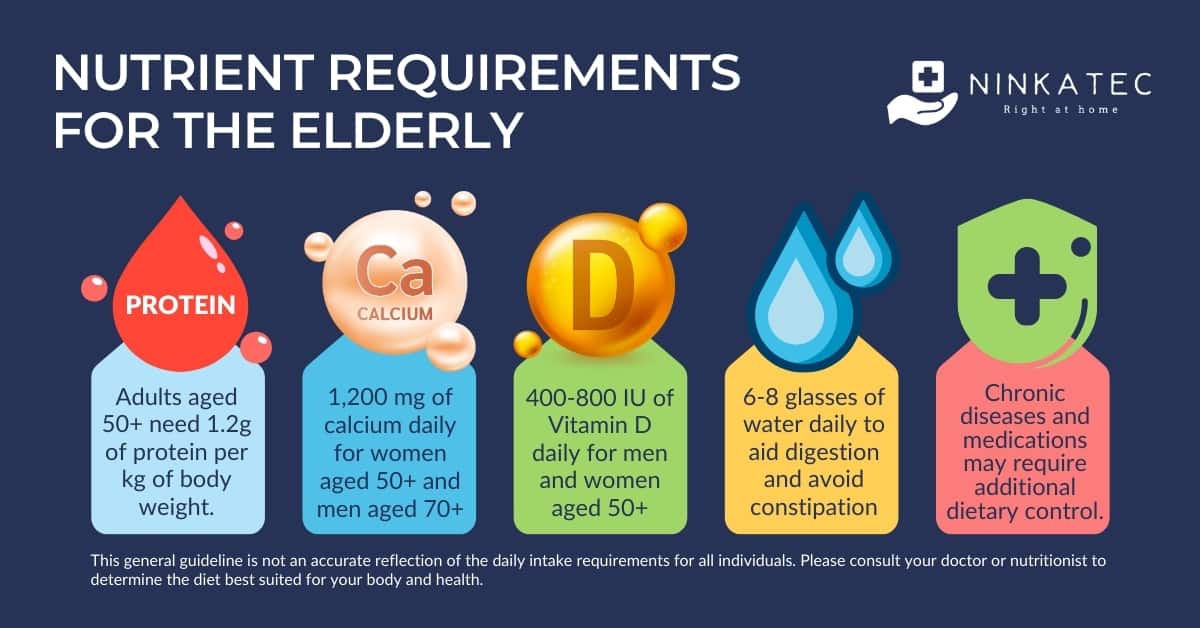
After age 50, bone density declines rapidly. The National Osteoporosis Foundation recommends 1,200 mg of calcium daily for women over 50 and men over 70. One cup of milk provides 300 mg, making it a top-tier source.
Compare that to broccoli (1 cup), which provides only about 70 mg. Spinach (1 cup) offers roughly 100 mg, but it is poorly absorbed due to oxalates. Without dairy, seniors must rely heavily on fortified foods or supplements, increasing the risk of deficiency and fractures.
High-Quality Protein to Prevent Muscle Loss
Sarcopenia, the age-related loss of muscle, affects up to 30% of adults over 60. To combat it, seniors need 1.0–1.5 g of protein per kg of body weight daily.
Milk delivers 8 g of complete protein per cup, containing all nine essential amino acids. It is also easy to consume for those with dental issues, reduced appetite, or swallowing difficulties. Greek yogurt (15–20 g protein per 6 oz) and cottage cheese are excellent alternatives for higher protein needs.
Vitamin D, B12, and Potassium
Milk is fortified with or naturally contains other critical nutrients. Vitamin D (100–120 IU per cup) enhances calcium absorption and immune function. Vitamin B12 (1.2 mcg per cup) is often deficient in seniors due to reduced stomach acid. Potassium (300–350 mg per cup) helps regulate blood pressure and counter sodium effects.
For older adults with limited diets, milk offers a nutrient-dense, single-serving solution.
Best Milk Types for Seniors
Regular Cow’s Milk Options
Low-Fat (1%) and Skim (Fat-Free)
These options are recommended for most seniors, especially those managing weight or heart health. They offer the same calcium, protein, and vitamins as whole milk but are lower in saturated fat and calories. They support cardiovascular wellness.
Whole Milk (3.25% Fat)
This option is best for underweight seniors or those needing extra calories. It is more satiating and helps maintain healthy weight. It contains fat-soluble vitamins (A, D, E, K). Use it in moderation if cholesterol or heart disease is a concern.
Specialty Dairy Milks
Lactose-Free Milk
This milk is identical in nutrition to regular milk but is pre-digested with lactase enzyme. It eliminates bloating, gas, and diarrhea in lactose-intolerant individuals. It has a slightly sweeter taste due to broken-down sugars. Popular brands include Lactaid and store generics.
A2 Milk
This contains only A2 beta-casein protein, avoiding the A1 variant linked to digestive discomfort in some studies. It may improve tolerance for sensitive individuals. It is not suitable for milk protein allergy. There are anecdotal reports of better digestion.
Ultra-Filtered Milk
This is a high-protein, low-lactose option (e.g., Fairlife). It provides 13 g protein per cup, 500 mg calcium, and only 2–3 g lactose (vs. 12 g in regular milk). It has lower sugar and higher nutrient density. It is ideal for seniors needing muscle support with minimal digestive issues.
Plant-Based Milks: Do They Measure Up?
Soy Milk: The Only True Alternative
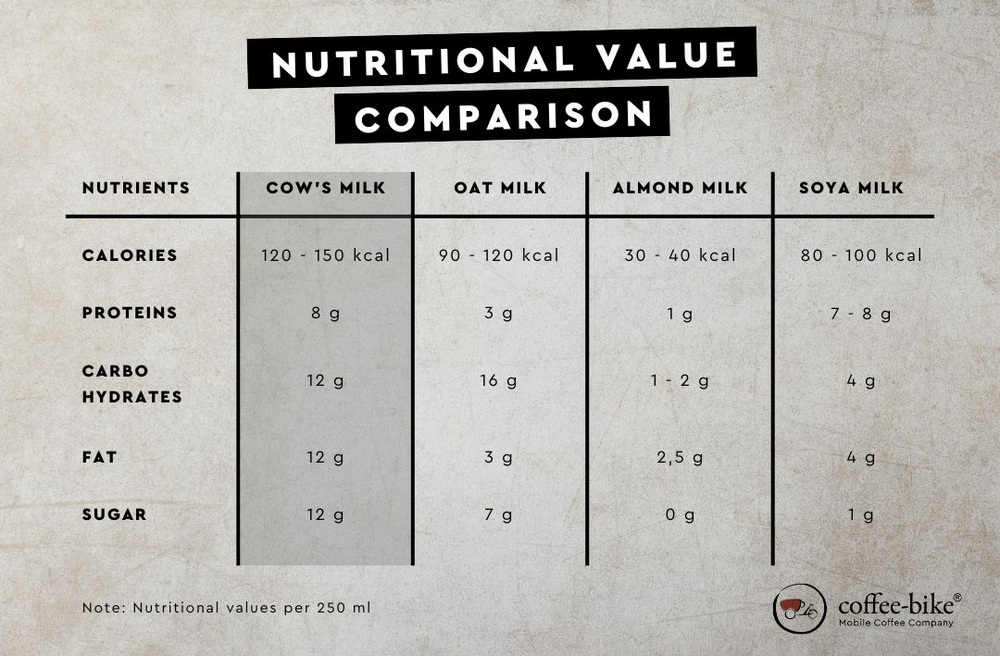
Unsweetened soy milk is the only plant-based option that matches cow milk in protein quality. It provides 7–8 g complete protein per cup. It is fortified with calcium and vitamin D. It contains isoflavones, which may support bone density. It is recommended as the top choice for vegans or those with milk allergy.
Almond, Oat, Coconut, and Rice Milks
These fall short as primary nutrition sources. Almond milk provides only 1–2 g protein and is mostly water. Oat milk has moderate calcium but is high in carbs and added sugars. Coconut milk (carton) provides about 1 g protein and is high in saturated fat. Rice milk has the highest sugar content, making it unsuitable for diabetics.
All rely on fortification for key nutrients, and bioavailability may be lower than in dairy. These can be part of a diet but must be paired with other protein and calcium sources to prevent deficiency.
Overcoming Common Barriers
Lactose Intolerance Solutions
Up to 70% of adults have reduced lactase production. But that does not mean dairy must be avoided. Choose lactose-free milk. Eat fermented dairy like yogurt and kefir, which contain live cultures that digest lactose. Try hard cheeses like Cheddar, Swiss, and Parmesan, which are very low in lactose. Use lactase pills (e.g., Lactaid) before consuming dairy.
Many seniors can tolerate small amounts of milk with meals without symptoms.
Milk Allergy vs. Intolerance
Lactose intolerance is a digestive issue and is common. Milk allergy is an immune reaction to casein or whey and is rare, affecting only about 0.1–0.5% of adults. Allergy requires complete avoidance of all dairy. Use fortified soy milk and consult a dietitian to replace missing nutrients.
Medication Interactions
Dairy can interfere with certain drugs. Tetracycline antibiotics: Calcium blocks absorption, so take them 2 hours apart. Levothyroxine: Wait 4 hours after medication before consuming milk. Iron supplements: Calcium inhibits iron absorption, so separate by 2 hours.
Plan timing carefully to avoid reduced drug efficacy.
Addressing the Risks and Myths
Does Milk Really Prevent Fractures?
While milk supports bone density, some studies show high-dairy countries have high hip fracture rates. This dairy paradox suggests physical activity, vitamin D, and fall prevention may matter more than calcium alone. Excess animal protein may increase acid load, though evidence is weak.
Still, adequate calcium and protein remain essential, and milk is one of the easiest ways to get both.
Cancer Risk: What the Data Says
Some observational studies link high dairy intake to prostate cancer, with a small increased risk possibly due to IGF-1 or calcium. High-fat dairy has been associated with endometrial cancer in some studies.
But these are associations, not causations. The absolute risk is low, and many studies show no increased risk or even protective effects from fermented dairy.
Saturated Fat and Heart Health
Full-fat dairy contains saturated fat, once blamed for heart disease. But recent research shows fermented dairy (yogurt, kefir) is linked to lower heart disease risk. Dairy fat may not be as harmful as once thought. Low-fat dairy is still recommended for those with cardiovascular concerns.
The American Heart Association supports low-fat or nonfat dairy as part of a heart-healthy diet.
How to Use Milk Daily
Easy Ways to Add Milk to Meals
Smoothies: Blend milk with banana, berries, and spinach. Oatmeal: Cook with milk instead of water. Soups and sauces: Use milk for creaminess in mashed potatoes or mac and cheese. Coffee or tea: Substitute milk for cream. Bedtime drink: Warm milk with cinnamon or turmeric for sleep and digestion.
For Specific Needs
For underweight seniors, use whole milk, full-fat yogurt, and cheese. For diabetes, choose unsweetened soy or almond milk and avoid sweetened oat milk. For dysphagia (swallowing difficulties), use thickened milk or pudding for safe swallowing. For recovery from illness, use high-protein milk or shakes for muscle repair. For kidney disease, limit phosphorus and potassium and consult a dietitian.
Coordinate with a registered dietitian for personalized plans, especially with chronic conditions.
Final Recommendations
Daily Nutrient Goals for Seniors
Calcium: 1,000–1,200 mg per day. Vitamin D: 600–800 IU per day. Protein: 1.0–1.5 g per kg body weight per day. One cup of milk contributes meaningfully to each.
Best Choices by Health Goal
For brain health, choose low-fat cow milk (3 cups per day). For bone strength, choose low-fat milk, yogurt, and hard cheeses. For heart health, choose fermented dairy and low-fat options. For lactose intolerance, choose lactose-free, A2, or ultra-filtered milk. For vegan diet, choose fortified unsweetened soy milk. For weight gain, choose whole milk and full-fat dairy. For weight management, choose skim milk and Greek yogurt.
Frequently Asked Questions About Seniors Drinking Milk
Is milk good for seniors’ brain health?
Yes, research shows drinking three cups of low-fat milk daily can increase brain glutathione levels by nearly 5% in adults aged 60–89. Glutathione is a powerful antioxidant that protects against cognitive decline and neurodegenerative diseases.
How much calcium do seniors need daily?
The National Osteoporosis Foundation recommends 1,200 mg of calcium daily for women over 50 and men over 70. One cup of milk provides about 300 mg, making it one of the most efficient sources available.
What if a senior is lactose intolerant?
Lactose-free milk, A2 milk, and ultra-filtered milk offer solutions. Fermented dairy like yogurt and kefir is often better tolerated. Hard cheeses are naturally low in lactose. Lactase enzyme supplements can also help.
Can plant-based milk replace dairy for seniors?
Only unsweetened soy milk comes close to matching dairy nutrition, with 7–8 g of complete protein per cup. Almond, oat, coconut, and rice milks are much lower in protein and should not be relied upon as primary nutrition sources.
Does milk increase the risk of heart disease in seniors?
Current evidence shows low-fat and fermented dairy is not harmful and may even be protective. The American Heart Association supports low-fat dairy as part of a heart-healthy diet for older adults.
Key Takeaways for Senior Milk Consumption
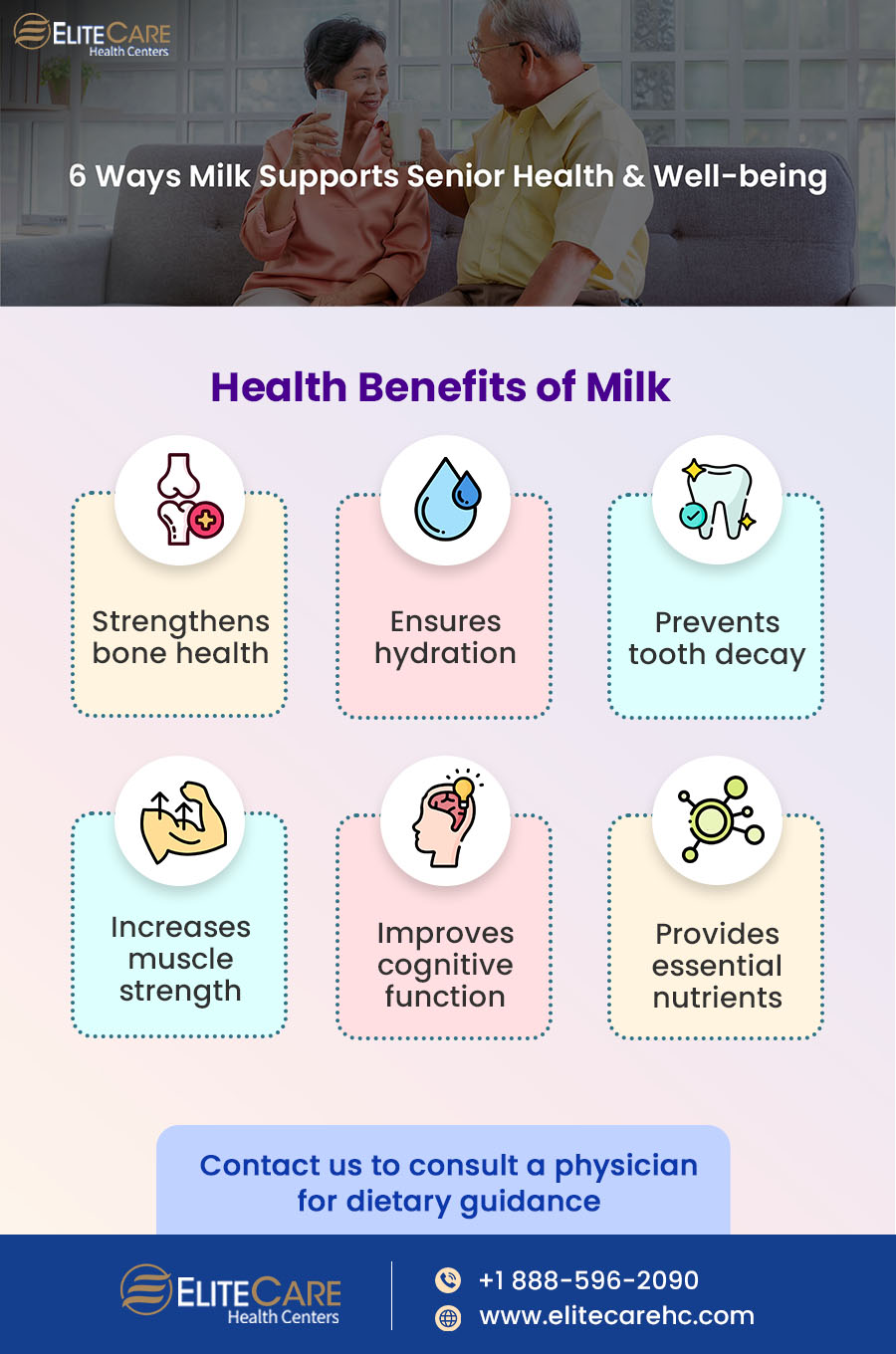
Yes, seniors should drink milk if they can tolerate it. It is a simple, affordable, and science-backed way to support brain function, prevent fractures, and maintain muscle mass. The research from the University of Kansas Medical Center demonstrates that three cups of low-fat milk daily can significantly increase brain antioxidants, helping older adults combat age-related cognitive decline.
For those who cannot tolerate dairy, unsweetened soy milk is the best alternative, though it does not fully replicate milk brain benefits. Choose the right type of milk based on individual health goals, digestive tolerance, and medical conditions. Low-fat options work best for heart health, while whole milk helps underweight seniors gain or maintain weight. Lactose-free and A2 milks address digestive concerns without sacrificing nutrition.
Work with a healthcare provider or registered dietitian to integrate milk safely into a senior diet, especially when taking medications or managing chronic conditions like diabetes, kidney disease, or heart disease. With the right choice and timing, milk can be a powerful ally in healthy aging.