
If you own a Boxer, you might wonder when your energetic companion officially becomes a senior dog. The answer may surprise you: a Boxer dog is considered a senior at 7 to 8 years old, not the 10 years that some size-based charts suggest. This earlier classification reflects the breed’s shorter lifespan of 9 to 12 years and their heightened risk for serious health conditions like cancer and heart disease.
Understanding when your Boxer enters their senior years matters because it triggers important changes in care, veterinary monitoring, and lifestyle adjustments. In this guide, you’ll discover exactly when Boxers become seniors, why they age faster than other medium breeds, what health risks to watch for, and how to provide the best care during their golden years.
Why Boxers Become Seniors Earlier Than Expected
The Size vs. Reality Disconnect
Boxers typically weigh 50 to 70 pounds and stand 21 to 25 inches tall, placing them in the medium breed category. However, their physiological aging mirrors large and giant breeds rather than other medium-sized dogs. This disconnect explains why most veterinarians recommend treating Boxers as seniors by age 7, despite official breed charts listing age 10.
Several factors contribute to this accelerated aging:
- Boxers have an average lifespan of only 9 to 12 years
- They face higher rates of cancer and heart disease than most breeds
- Their rapid growth and high metabolism place extra stress on organs
- Degenerative conditions often develop by age 7
Veterinary Consensus on Senior Status
Veterinarians increasingly base senior classification on individual health assessments rather than arbitrary age thresholds. Most veterinary professionals begin senior wellness protocols for Boxers between ages 6 and 7, which includes biannual checkups, advanced bloodwork, and heart monitoring.
This early intervention matters because conditions like arrhythmogenic right ventricular cardiomyopathy (ARVC) can develop silently long before visible symptoms appear. Waiting until age 10 to classify your Boxer as a senior could mean missing critical early detection windows.
Top Health Risks for Senior Boxers
Cancer: The Leading Threat
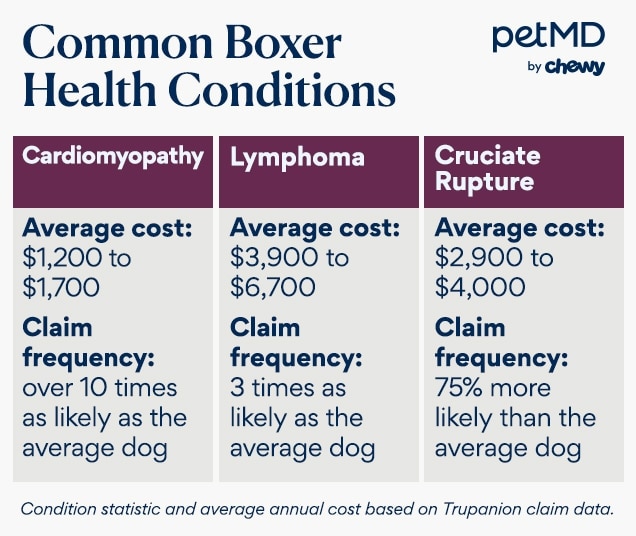
Boxers have one of the highest cancer rates among all purebred dogs. Mast cell tumors, lymphoma, and brain tumors commonly appear in Boxers over age 7. Monthly body checks for lumps become essential starting at this age. Any new growths should prompt immediate veterinary attention, as early surgical removal often offers the best prognosis.
Heart Disease: Silent but Deadly
Boxers are genetically predisposed to ARVC, a condition causing irregular heartbeats that can lead to sudden cardiac death. Annual ECG testing should begin by age 5 or 6, with Holter monitor monitoring recommended for early detection. Symptoms like fainting, coughing, or unusual lethargy warrant urgent veterinary evaluation.
Arthritis and Joint Degeneration
By age 8, many Boxers show signs of joint pain or arthritis. Watch for hesitation before jumping, stiffness after rest, or reluctance to climb stairs. Weight management, joint supplements containing glucosamine and chondroitin, and low-impact exercise help maintain mobility.
Additional Senior Health Concerns
Dental disease affects over 80% of dogs by age 3 and progresses rapidly in seniors. Untreated infections can spread to the heart, liver, and kidneys. Canine cognitive dysfunction similar to Alzheimer’s affects Boxers typically after age 9, causing confusion, pacing at night, and house-soiling. Hypothyroidism and kidney disease also become more common as Boxers age.
Caring for Your Senior Boxer
Veterinary Visit Schedule
Schedule checkups every six months starting at age 7. Each visit should include a full physical exam, bloodwork with CBC and chemistry panel, urinalysis, thyroid testing, and heart monitoring. Dental evaluations should occur during these visits, with professional cleanings every one to two years under anesthesia.
Exercise and Mobility
Maintain two daily walks of 20 to 30 minutes at a comfortable pace. Avoid intense exercise during hot weather, as Boxers overheat easily due to their brachycephalic nature. Swimming provides excellent low-impact exercise for dogs with joint issues. Consider ramps for beds and vehicles to reduce joint stress.
Nutrition for Aging Boxers
Transition to senior-formulated food by age 7 or 8. Look for high-quality protein to preserve muscle mass, glucosamine for joint support, and antioxidants for immune function. Adjust portions based on activity level and any health conditions like kidney disease. Smaller, more frequent meals help seniors with reduced appetites.
Home Environment Adjustments
Keep food, water, bed, and potty areas in consistent locations. Place rugs on hardwood floors to prevent slipping. Use night lights to help dogs with declining vision navigate after dark. Maintain a predictable daily routine, as seniors thrive on consistency and become anxious with changes.
Signs Your Boxer Is Entering Senior Years

Physical Changes to Watch
Graying around the muzzle and paws typically begins around age 7. Increased sleeping of 14 to 16 hours daily becomes normal. You may notice slower rising after rest, reduced enthusiasm for long walks, and decreased response to commands. Nail growth slows, requiring more frequent trimming every four to six weeks.
Behavioral Shifts
Senior Boxers may show decreased interest in play or new activities. Some dogs experience confusion or disorientation in familiar spaces. Night restlessness, including pacing or whining, often indicates cognitive decline or pain. Appetite fluctuations, both increases and decreases, require monitoring and potential veterinary consultation.
Sensory Changes
Hearing loss usually begins around age 9. Your Boxer may stop responding to their name or commands. Vision changes include lenticular sclerosis causing a blue-gray haze over the eyes, which is usually not vision-impairing. Cataracts may develop and sometimes require surgical correction.
Adopting a Senior Boxer: What to Know
Benefits of Senior Dog Adoption
Senior Boxers often make ideal companions. They tend to be calmer, already house-trained, and less destructive than puppies. These dogs form deep, grateful bonds with their new owners and show remarkable loyalty. Training older Boxers is often easier because they focus better than young dogs.
Rescue Programs for Senior Boxers
Austin Boxer Rescue offers a Silver Heart program specifically for Boxers 10 years and older. The adoption fee is waived, and the organization covers vaccinations, medical care, and end-of-life services. NorCal Boxer Rescue maintains a Wizened Wiggle Butts Fund supporting medical needs of senior rescues and promoting adoption of older dogs.
Frequently Asked Questions About Boxer Senior Age
At what age is a Boxer considered a senior dog?
A Boxer is considered a senior at 7 to 8 years old, not the 10 years suggested by some breed-size charts. This earlier classification reflects the breed’s shorter lifespan and higher risk for age-related conditions.
Why do Boxers age faster than other medium breeds?
Boxers age faster due to their higher metabolism, greater oxidative stress, and significant genetic predisposition to cancer and heart disease. Their average lifespan of 9 to 12 years is shorter than many other medium-sized breeds.
What is the average lifespan of a Boxer?
The average lifespan is 9 to 12 years. With excellent care including proper nutrition, regular veterinary checkups, and dental hygiene, many Boxers live to 13 or 15 years.
How often should senior Boxers see the vet?
Senior Boxers should visit the veterinarian every six months for wellness exams, bloodwork, and heart monitoring. This biannual schedule allows early detection of developing health issues.
What are the most common health problems in senior Boxers?
The most serious health risks include cancer, heart disease (especially ARVC), arthritis, hypothyroidism, kidney disease, and dental disease. Regular screening helps catch these conditions early.
Key Takeaways for Your Aging Boxer
Recognizing when your Boxer becomes a senior dog empowers you to provide optimal care during their golden years. At 7 to 8 years old, your Boxer needs biannual veterinary visits, adjusted nutrition, moderate exercise, and a consistent home environment. The transition to senior care isn’t about limitations; it’s about proactive management that extends both lifespan and quality of life.
Senior Boxers with dedicated care often live one to three years longer than those without. Whether you’re supporting your own aging companion or considering adopting a senior rescue, the bond formed in these years proves profoundly rewarding. Your Boxer gave you their best years; returning that love with attentive senior care represents one of the most meaningful commitments as a dog owner.