Many adult children face the difficult reality of monitoring aging parents, especially when cognitive decline like Alzheimer’s or dementia begins to set in. The fear of a loved one wandering off, getting lost, or suffering a fall without help nearby is real and growing. According to the CDC, over 3 million older adults visit the ER each year due to falls, with more than half happening at home.
Tracking your elderly parent isn’t about surveillance. It’s about safety, early intervention, and peace of mind. Whether they live alone, with you, or in assisted living, using the right tools can prevent tragedies before they happen. This guide covers warning signs that tracking is needed, top-rated tracking devices, how to introduce them without resistance, and layered safety strategies.
Recognize Warning Signs That Tracking Is Needed
Before choosing a device, assess whether your parent is at risk. Cognitive and physical changes often signal declining independence. Spotting these early allows for proactive intervention.
Signs of Cognitive Decline
Memory issues and disorientation are red flags for dementia-related wandering. Watch for:
• Repeating the same questions within minutes
• Forgetting familiar names, appointments, or locations
• Misplacing keys, wallets, or glasses frequently
• Getting confused about time or place
• Difficulty recognizing once-familiar routes or neighborhoods
• Returning home later than expected with no explanation
Driving and Navigation Concerns
Driving mistakes can indicate declining mental clarity. Look for hesitation at stop signs or intersections, receiving traffic citations or near-miss reports from family, expressing fear or frustration behind the wheel, or getting lost on familiar roads.
Physical and Self-Care Red Flags
Declining physical health can also point to deeper issues. Poor grooming such as unwashed hair or unkempt appearance, unchanged clothing or overgrown nails, accumulation of trash or dirty dishes, unpaid bills or missed medical appointments, and unintentional weight loss from poor nutrition are all concerning signs.
Choose the Right Tracking Device for Your Situation

Not all trackers are equal. Your parent’s lifestyle, location, and condition determine which solution works best. From smartwatches to hidden GPS units, here is what is available.
Apple AirTags for Urban Areas
AirTags use Bluetooth and Apple’s Find My network to locate items. When an AirTag comes near any iPhone, iPad, or Mac, its location is anonymously relayed to iCloud.
Pros include:
• Small, lightweight design fits in wallet, jacket, or purse
• No monthly fee
• Easy setup via iPhone
• Battery lasts about one year
Limitations include:
• No built-in GPS, relies on nearby Apple devices
• Useless in rural areas with few Apple users
• Location updates delayed if no device is nearby
Best for parents in cities or suburbs who carry a bag or jacket regularly. Not reliable for high-risk wanderers in remote locations.
Apple Watch With Cellular
The Apple Watch offers real-time GPS, fall detection, emergency SOS, and seamless integration with the Find My app.
Key features:
• Fall Detection automatically alerts emergency contacts if a hard fall occurs
• Emergency SOS calls 911 with a button press or voice command
• Live Location Tracking views your parent’s location in real time
• Water-resistant design can be worn while showering or swimming
• Comfortable Fit with silicone bands ideal for limited dexterity
Limitations:
• Must be charged every one to two days
• Requires cellular plan for standalone connectivity
• High upfront cost
• Only effective if worn consistently
Spytec Micro GPS Tracker
This standalone 4G device provides precise, real-time tracking perfect for rural and remote areas.
Specifications:
• Size: pocket-sized at 0.5″ x 1.25″ x 2.5″
• Battery life: Up to 12 days in normal mode or 34 days in power-saving mode
• Accuracy: Within 6 feet in open sky, 15 to 30 feet in urban areas
• Location updates as fast as every 5 seconds
• Stores up to one year of location history
Features:
• Emergency Button instantly sends location via SMS, email, and app
• Geofencing sets virtual boundaries around home or care facility
• Live Link Sharing shares real-time location with family
• Works anywhere with 4G coverage
Subscription is $8.95 per month annually or $14.95 monthly. Unlike AirTags, Spytec does not depend on third-party networks. It is ideal for high-risk wanderers in low-population areas.
Smartphone-Based Tracking Apps
If your parent carries a smartphone, built-in and third-party apps can provide location tracking.
Built-in Options:
• iOS: Find My iPhone locates, plays sound, and locks remotely
• Android: Find My Device offers similar functionality
Third-Party Apps:
• KidsGuard Pro provides real-time location, call, and SMS monitoring
• uMobix offers location and social media logs for iPhone
• iKeyMonitor includes call logs, SMS, and location with a free basic version
Important: These require consent or legal authority such as power of attorney.
Use Wearable GPS Devices for Maximum Safety
Watches and pendants combine location tracking with emergency response, offering peace of mind beyond simple GPS.
GPS Tracking Watches
These resemble smartwatches but are designed for safety.
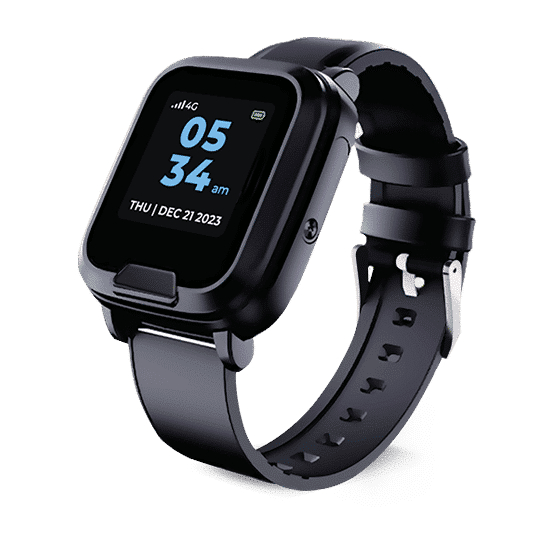
Features:
• Real-time location via app
• Fall detection and SOS button
• Two-way voice communication
• Geofencing alerts
• Lockable straps prevent removal, crucial for dementia patients
Examples include SureSafe Dementia Tracker with lockable strap and geofencing, and LifeStation GPS Watch with fall detection and emergency alerts. Subscription typically costs $20 to $50 per month.
GPS Pendants and Clip-Ons
Lightweight and easy to wear options include pendant-style devices like Philips Lifeline and SureSafeGO, or clip-ons that attach to belt, clothing, or bag.
Benefits:
• Simple one-touch SOS button
• Water-resistant models available
• Long battery life on some models
Limitation: Less likely to include fall detection than watches.
Combine Tracking With Medical Alert Systems
For parents with medical conditions, pairing GPS with professional monitoring adds a critical safety layer.
Philips Lifeline
A leading medical alert system with mobile GPS.
Features:
• Wearable pendant or wristband
• 24/7 emergency response center
• Fall detection with automatic help request
• Two-way voice communication
• Works at home and on the go
When activated, trained operators assess the situation and dispatch EMS if needed. No need to rely solely on family response.
LifeStation Medical Alert
Offers GPS-enabled mobile units with fall detection and real-time tracking.
Benefits:
• Free trial month available
• App allows family to monitor location
• Direct connection to emergency services
These systems are best for parents with heart conditions, mobility issues, or frequent falls.
Enhance Safety With Home Monitoring
Technology is not just for outdoor tracking. In-home tools help prevent wandering and ensure daily well-being.
Smart Cameras for Remote Check-Ins
Video monitoring gives situational awareness without constant presence.
TENVIS Wireless Camera offers motion-triggered 15-second clips, 360-degree view, and two-way audio. No continuous recording respects privacy.
Nest, Ring, or Arlo provide live streaming, motion alerts, and cloud storage. Doorbell cameras let you see visitors remotely.
Ethical Note: Always inform your parent before installing cameras. Covert surveillance can damage trust and may be illegal.
Pria Smart Pill Dispenser
Ensures medication adherence while enabling remote interaction.
Features:
• Automated dispensing at scheduled times
• Facial recognition or PIN verification
• Missed dose alerts sent to caregivers
• Built-in two-way video calling
Helps prevent health crises caused by missed medications, common in early dementia.
Prevent Wandering With Proactive Strategies
Tracking helps locate someone after they wander, but prevention is better than reaction.
Modify the Home Environment
Make it harder to leave unnoticed. Install double-keyed deadbolts placed high or low to hide, secure windows with locks or alarms, use motion-sensor lights to deter nighttime wandering, and add door alarms that sound when opened.
One caregiver shared: “I purchased a double-keyed lock for front door. That did not deter her. She went out thru the window.” Physical barriers alone are not enough. Combine with monitoring.
Hire Supervision During High-Risk Hours
Sundowning, increased confusion at dusk, is a common trigger for wandering.
Solutions:
• In-home caregivers for evening hours
• Adult Day Programs provide structured activities and supervision
• Needs assessments from local Area Agency on Aging
Professional support reduces caregiver burnout and keeps your parent engaged and safe.
Consider Memory Care Assisted Living
When wandering becomes frequent or dangerous, independent living is no longer safe.
Memory Care Facilities Offer:
• 24/7 supervision
• Secure, enclosed environments
• Staff trained in dementia care
• Structured routines to reduce anxiety
Even if your parent resists, safety must override autonomy when judgment is impaired.
Introduce Tracking Without Resistance
Many parents resist being tracked. Framing matters.
Focus on Independence, Not Control
Say: “This watch helps you stay safe when you are out walking. If you ever fall or feel unwell, it calls me automatically.”
Avoid words like track, monitor, or surveillance. Instead use safety device, help button, or personal alarm.
Involve Them in the Choice
Let them pick the device type, watch, pendant, or clip-on. Demonstrate how it works and let them test it.
Offer a short trial period to reduce pressure. Address concerns based on experience.
Highlight Convenience Features
Mention benefits like medication reminders, emergency calling, and staying connected with grandchildren via video.
Follow Ethical and Legal Guidelines
Tracking raises privacy and consent questions. Handle with care.
Get Consent When Possible
Best practices include explaining the purpose as safety not surveillance, showing how it works and what data is shared, reassuring about privacy, and involving them in the decision.
Know the Law
Tracking a person may violate privacy laws unless you are a legal guardian or have medical power of attorney. Tracking a device or asset is legal if you own it such as phone or tracker. Vehicle tracking is legal on a car you own.
In the UK, lockable trackers may require Deprivation of Liberty Safeguards authorization if the person lacks mental capacity.
Avoid Covert Monitoring
Hidden cameras or secret tracking can damage trust and lead to legal issues. Only justify in extreme cases like suspected abuse or severe dementia with high risk.
Maximize Device Effectiveness
A tracker only works if used correctly.
Ensure Daily Wear
Choose a comfortable, attractive design. Establish a routine such as putting it on after breakfast. Use lockable straps for dementia patients.
Set Up Geofences
Define safe zones like home, church, and grocery store. Get alerts when your parent leaves or returns.
Customize notifications so you are not overwhelmed but never miss critical exits.
Test Emergency Functions Monthly
Press the SOS button. Check fall detection sensitivity. Confirm connectivity with your phone.
Monitor Battery Levels
Enable low-battery alerts. Charge nightly. Keep backup power available.
Share Access With Family
Use apps that allow multiple caregivers to view location and receive alerts. Assign roles like primary responder and backup.
Combine Technology With Human Support
No device prevents wandering. Only supervision and environment do.
Build a Safety Net
Example layered approach includes Apple Watch for fall detection and real-time GPS, AirTag in wallet as backup tracker, door alarms at home, geofencing via Spytec, and in-home aide during evenings.
Multiple layers increase the chance of early detection.
Create a Neighborhood Watch
Ask a trusted neighbor to check in weekly, report unusual activity, and know your contact info.
Local connections are often the first to notice something is wrong.
Seek Community Resources
Contact Area Agency on Aging, Alzheimer’s Association, or local Council on Aging. They offer assessments, respite care, and guidance on long-term planning.
Key Takeaways for Tracking Elderly Parents

Tracking elderly parents is not about control. It is about preserving life, dignity, and peace of mind. Use technology wisely, involve your parent when possible, and combine tools with human care.
The most important points to remember are that warning signs often appear long before a crisis. Look for cognitive changes, driving concerns, and self-care decline. Choose devices based on your parent’s specific situation. Urban areas work well with AirTags while rural areas need dedicated GPS trackers like Spytec. Apple Watch provides the best fall detection for tech-comfortable seniors.
Layer your approach. No single device prevents wandering. Combine GPS tracking with home monitoring, environmental modifications, and human support. Start early while your parent still understands the need. Resistance grows as dementia progresses.
Memory care is not failure. It is responsible care when wandering becomes dangerous. Research facilities early and understand that your goal is not to restrict freedom but to protect it.
Take action now. Before a crisis forces your hand, equip yourself with knowledge, technology, and support. Your parent’s safety depends on it.
Frequently Asked Questions About Tracking Elderly Parents
What is the best GPS tracker for elderly parents with dementia?
The best tracker depends on your situation. For high-risk dementia patients in rural areas, Spytec Micro offers reliable 4G GPS with long battery life and emergency button. For urban areas with fall risk, Apple Watch provides fall detection, real-time GPS, and emergency SOS. SureSafe Dementia Tracker includes lockable straps specifically designed for wanderers.
Can I track my elderly parent’s phone without them knowing?
Tracking a phone you own is generally legal. However, tracking an adult without consent may violate privacy laws unless you have legal authority like power of attorney. Hidden tracking damages trust and may be illegal. Always inform your parent when possible.
How much does elderly tracking devices cost monthly?
Costs vary widely. AirTags have no monthly fee. Apple Watch requires $10 monthly for cellular. Spytec costs $8.95 to $14.95 monthly. Medical alert systems like Philips Lifeline run $30 to $50 monthly. GPS watches typically cost $20 to $50 monthly for subscription.
Do GPS trackers work for dementia patients who wander?
Yes, GPS trackers work for dementia patients, but they locate after wandering occurs rather than preventing it. For maximum safety, combine GPS tracking with lockable straps, door alarms, environmental modifications, and supervision during high-risk times like sundowning.
What should I do if my elderly parent refuses to wear a tracking device?
Frame the conversation around safety and independence. Focus on benefits like emergency calling and medication reminders. Involve them in choosing the device type. Start with a trial period. If refused due to dementia, safety must override autonomy when judgment is impaired.
At what point should I consider memory care instead of tracking?
Consider memory care when wandering becomes frequent or dangerous, when the person has gotten lost multiple times, when environmental modifications and supervision are no longer sufficient, or when the person poses a risk to themselves or others. Memory care provides 24/7 supervision in secure environments.