
Balance problems in older adults are alarmingly common, but they are not a normal part of aging. When seniors begin to feel unsteady on their feet, the reason usually involves multiple underlying systems breaking down simultaneously. The truth is that loss of balance in the elderly stems from interconnected declines in the inner ear, nerves, muscles, brain function, and circulation. Each year, one in four Americans over 65 suffers a fall, making balance issues a leading cause of injury, hospitalization, and loss of independence. The good news is that most balance decline can be prevented or reversed with the right interventions.
This guide breaks down exactly why balance fails with age, how to identify the real cause, and what you or a loved one can do to regain stability and confidence. You will learn about the key body systems involved in balance, the most common medical conditions that cause instability, and practical steps to improve or maintain equilibrium.
The Three Systems Your Body Uses to Stay Steady
Your body relies on three sensory systems working together to maintain balance. When one system declines, the others can compensate, but simultaneous deterioration across multiple systems overwhelms the body’s ability to adapt.
The vestibular system in the inner ear detects head motion and spatial orientation. It sends signals to the brain about body position and movement, and it is critical for maintaining equilibrium during motion or changes in posture. The visual system provides information about the environment, depth perception, and spatial orientation. It allows detection of obstacles, uneven surfaces, and movement cues. When vision impairs, environmental awareness drops significantly. The somatosensory or proprioceptive system conveys feedback about limb position, pressure, and movement from feet, legs, and trunk. This system enables subconscious adjustments to maintain posture and respond to surface changes.
The brainstem and cerebellum integrate these inputs and coordinate motor responses. Any disruption in signal transmission, processing, or execution leads to balance impairment. Age-related decline in all three systems explains why balance problems become more common as we get older.
Inner Ear Problems That Cause Balance Issues

The inner ear’s vestibular system begins to deteriorate around age 40, with progressive decline accelerating after age 65. Sensory hair cells in the inner ear degenerate over time, reducing responsiveness to head motion and positional changes. This diminished ability to detect angular and linear acceleration results in unsteadiness, especially during quick movements like turning the head or rising from bed.
Benign Paroxysmal Positional Vertigo, also called BPPV, is the most common cause of vertigo in older adults. This condition occurs when tiny calcium carbonate crystals, called otoconia, dislodge from their normal position and migrate into the semicircular canals. These crystals send false signals about head movement, triggering brief but intense episodes of spinning sensation when changing head position. Rolling over in bed, bending down to tie shoes, or looking up at shelves commonly trigger these episodes. The Dix-Hallpike maneuver diagnoses BPPV by triggering nystagmus and vertigo. Treatment involves the Epley maneuver, a series of head movements that reposition the crystals back to the utricle. Success rates exceed 90 percent, often resolving in just one or two sessions.
Ménière’s disease involves fluid buildup in the inner ear, causing episodes of vertigo lasting 20 minutes to several hours. Other symptoms include tinnitus (ringing in the ear), fluctuating hearing loss, and ear fullness. Management includes low-sodium diets, diuretics, and sometimes steroid injections.
Labyrinthitis and vestibular neuritis are inflammations, usually viral, that strike suddenly. Labyrinthitis affects both balance and hearing, while neuritis affects only balance. Both cause days of dizziness and require vestibular rehabilitation for recovery.
How Neurological Conditions Affect Stability
Brain and nerve conditions disrupt the signals needed for coordination and posture control. These disorders impair brain function, nerve conduction, or motor control, directly affecting balance and coordination.
Parkinson’s disease causes bradykinesia (slowness of movement), rigidity, resting tremor, and postural instability. Patients develop a forward-leaning posture and shuffling gait. They often experience freezing of gait episodes, where they suddenly cannot step forward. Balance worsens over time, increasing fall risk. While medication helps, neurological physical therapy is essential for safe mobility.
A stroke or transient ischemic attack can cause sudden dizziness, weakness, or loss of coordination. Red flags include facial drooping, slurred speech, and arm or leg weakness. Immediate medical care is critical. Post-stroke rehabilitation focuses on retraining balance and gait.
Multiple sclerosis damages nerve coverings in the brain and spinal cord, leading to ataxia (wobbly movements), muscle weakness, and tremors. Symptoms fluctuate, but vestibular rehabilitation helps maintain function.
People with Alzheimer’s or other dementias may not recognize hazards or understand their balance limitations. They are more likely to ignore assistive devices, wander into unsafe areas, and misjudge distances. Caregiver supervision and environmental safety become essential.
Vision and Hearing Loss Impact Balance
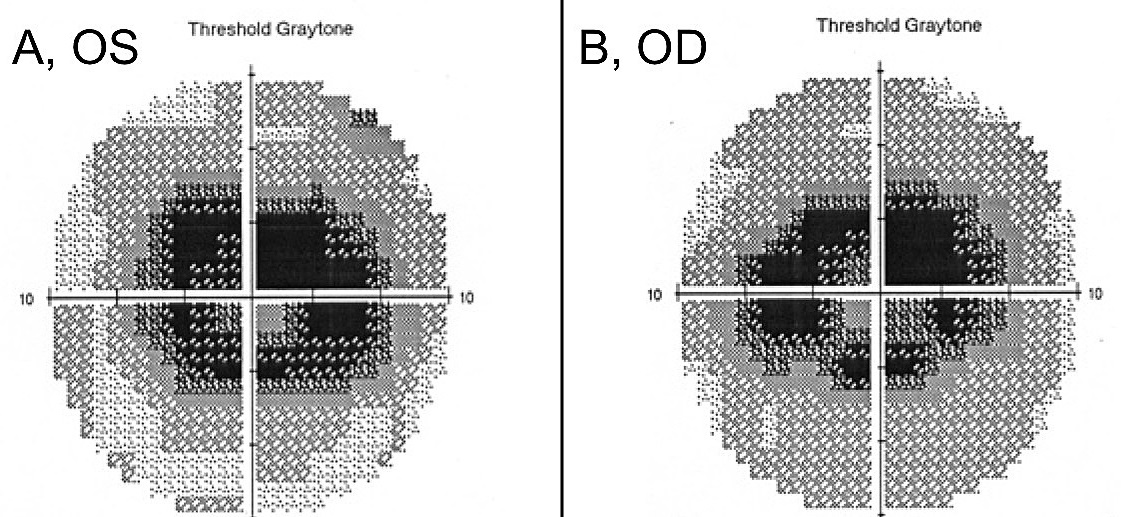
Your eyes and ears provide real-time feedback about your environment. When these senses fade, balance suffers significantly.
Age-related vision problems include cataracts (cloudy vision), glaucoma (loss of peripheral vision), macular degeneration (central vision loss), and diabetic retinopathy. A 2018 National Institute of Medicine study found that central vision loss increases fall risk by 2.4-fold. Even uncorrected glasses prescriptions or glare from lights can destabilize walking. Use high-contrast strips on stair edges and nightlights in hallways to boost visibility.
Diabetic neuropathy damages nerves in the feet, causing numbness. Without sensation, seniors cannot feel uneven pavement, slipping, or foot positioning. This silent imbalance leads to falls before they realize something is wrong. Test proprioception by standing with eyes closed. If you sway or fall, body position sense is likely impaired.
Hearing helps orient you in space. Studies show that untreated hearing loss increases fall risk by 30 percent per 10 decibels of loss. Hearing aids do not just improve conversation; they enhance balance by sharpening environmental awareness.
Muscle Weakness and Mobility Decline
Without strong legs and flexible joints, recovering from a stumble becomes impossible. Physical changes in muscles, bones, and joints reduce stability and recovery capacity.
Sarcopenia, the age-related loss of skeletal muscle mass and strength, begins in the 30s but accelerates after 60. By age 70, many individuals lose up to 50 percent of skeletal muscle mass. This loss is most pronounced in the lower limbs, which are critical for gait and balance. Consequences include slower reaction time, weak push-off when walking, difficulty standing from a chair, and fear of falling leading to less activity and more weakness. Resistance training two to three times per week rebuilds muscle. Even light weights or bodyweight exercises like sit-to-stands make a difference.
Osteoarthritis in hips, knees, and ankles causes pain with movement, stiffness, and altered gait. People compensate by shifting weight awkwardly, increasing instability. Use supportive footwear and consider physical therapy for joint-friendly movement strategies.
Blood Pressure Problems That Cause Dizziness
Your brain needs steady blood flow. When circulation falters, balance suffers immediately.
Orthostatic hypotension is a blood pressure drop when standing. It is defined as a systolic drop of 20 millimeters of mercury or a diastolic drop of 10 millimeters of mercury within three minutes of standing. Symptoms include lightheadedness, blurred vision, and fainting. Causes include aging autonomic system, dehydration, and medications like diuretics and blood pressure pills. Test by checking BP lying down, then again after standing. Rise slowly, stay hydrated, and review medications with your doctor.
Arrhythmias and low cardiac output reduce oxygen to the brain. Irregular heartbeats like atrial fibrillation or weak heart pumping cause palpitations, fatigue, and near-fainting spells. Diagnosis involves ECG, Holter monitor, or echocardiogram.
Medications That Worsen Balance
Polypharmacy, defined as taking five or more medications, is a top cause of unsteadiness in seniors. Drug interactions and side effects accumulate with each additional prescription.
Blood pressure drugs cause orthostatic hypotension. Benzodiazepines like Ativan cause drowsiness and poor coordination. Antidepressants like amitriptyline cause dizziness and sedation. Antipsychotics cause ataxia and low blood pressure. Opioids cause drowsiness and confusion. Gabapentin and pregabalin cause dizziness and blurred vision. Alcohol magnifies these effects dramatically.
Request an annual medication review with your doctor or pharmacist to identify and eliminate unnecessary or risky drugs.
Environmental Hazards and Fall Risks
Even minor risks become dangerous with poor balance. Environmental factors contribute significantly to fall incidents in older adults.
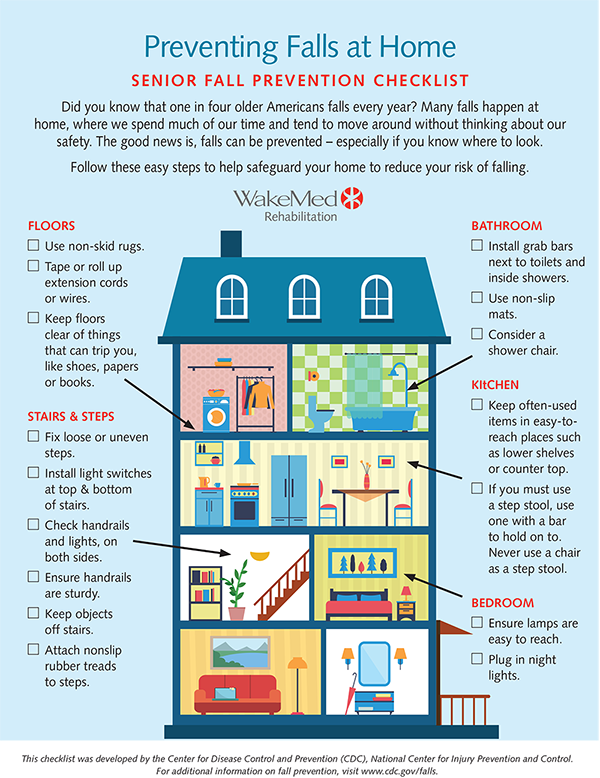
Common home dangers include loose rugs, cluttered floors, poor lighting, slippery showers, stairs without handrails, and electrical cords in walkways. Over half of falls happen at home. Walk through your home at night to see where lighting or clutter could cause a fall.
Fear of falling creates a vicious cycle. After one fall, up to 60 percent of seniors develop fear of falling. This leads to avoiding activity, losing more muscle, becoming more unstable, and increasing fall risk. Break the cycle by starting safe, supervised exercises to rebuild confidence.
How Doctors Diagnose Balance Problems
A proper diagnosis finds the root cause, not just labels dizziness. Doctors start by asking key questions about what the dizziness feels like, what triggers it, how long it lasts, and whether there are hearing changes or weakness.
Physical tests include the Timed Up and Go test. The patient walks three meters, turns, and returns. Taking more than 12 seconds indicates high fall risk. The Romberg test involves standing feet together with eyes closed. Swaying indicates sensory deficit. The single-leg stance test measures ability to hold for 10 seconds. Inability suggests weakness or imbalance.
Specialized testing includes VNG/ENG to track eye movements and assess inner ear function, audiometry to check hearing loss, MRI or CT to rule out stroke or tumor, and blood tests to check for anemia, glucose, electrolytes, and B12. Referrals to ENT, neurologist, cardiologist, or physical therapist may follow based on findings.
Ways to Improve and Prevent Balance Loss
Yes, most balance issues can be treated or significantly improved. Early intervention yields the best outcomes.
Vestibular rehabilitation therapy uses a physical therapist-designed custom exercise program. It includes gaze stabilization to keep eyes steady during head movement, habituation to reduce vertigo through repeated exposure, and balance drills on foam, with eyes closed, or on uneven surfaces. This therapy is proven effective for inner ear disorders, post-concussion, and chronic dizziness.
Daily movement is medicine. Try single-leg stands while holding a sink for support, heel-to-toe walking down a hallway, sit-to-stand from a chair for 10 repetitions, side-stepping with resistance bands, and Tai Chi, which reduces fall risk by up to 55 percent. Small, frequent movements throughout the day make the biggest impact. Brush teeth on one leg or wait for the kettle on your toes.
Assistive devices and home modifications prevent falls before they happen. Canes reduce fall risk by 20 to 40 percent. Walkers provide greater support. Grab bars and shower chairs are essential for bathrooms. Remove throw rugs, install handrails on stairs and in showers, add nightlights, use non-slip mats, and wear grippy, supportive shoes.
Key Takeaways for Preventing Balance Loss in Seniors
Balance loss in the elderly is complex but manageable. From BPPV and muscle weakness to medication side effects and home hazards, most causes can be identified and addressed. The three primary systems involved in balance are the vestibular system, visual system, and proprioceptive system, and deterioration in any of these can lead to instability.
Most balance issues are preventable or reversible with the right interventions. Vestibular rehabilitation, strength training, medication reviews, and home safety modifications all contribute to improved stability. Seniors who address balance problems early maintain independence longer and reduce their fall risk significantly.
If you or a loved one feels unsteady, do not wait. Talk to a doctor to identify the underlying cause, start targeted exercises, and make safety changes today. The earlier you act, the better the outcome.
Frequently Asked Questions About Why Elderly Lose Balance
What are the most common medical causes of balance loss in older adults?
The most common causes include inner ear disorders like BPPV, vestibular neuritis, and Ménière’s disease. Neurological conditions such as Parkinson’s disease, stroke, and multiple sclerosis also frequently cause balance problems. Additionally, sensory impairments (vision loss, hearing loss, neuropathy), muscle weakness from sarcopenia, and cardiovascular issues like orthostatic hypotension contribute significantly to balance decline.
Is losing balance a normal part of aging?
No, balance loss is not an inevitable consequence of aging. While the body does experience age-related changes, most balance problems have specific underlying causes that can be diagnosed and treated. Many seniors maintain excellent balance well into their 80s and beyond through exercise, proper medical care, and environmental modifications.
How does BPPV cause sudden vertigo episodes?
BPPV occurs when tiny calcium crystals in the inner ear become dislodged and float into the semicircular canals. These canals detect head movement, so when the crystals are in the wrong position, they send false signals to the brain about movement. This causes brief but intense spinning sensations, typically triggered by specific head movements like rolling over in bed or looking up.
Can medications cause or worsen balance problems in elderly patients?
Yes, many common medications worsen balance in older adults. Blood pressure medications can cause orthostatic hypotension. Sedatives and benzodiazepines cause drowsiness and poor coordination. Antidepressants, antipsychotics, and anticonvulsants also list dizziness and balance impairment as side effects. Annual medication reviews with a doctor or pharmacist can identify and address problematic prescriptions.
What exercises help improve balance in seniors?
Effective balance exercises include single-leg stands (using a sink for support), heel-to-toe walking, sit-to-stand repetitions, and Tai Chi, which reduces fall risk by up to 55 percent. Vestibular rehabilitation therapy, designed by a physical therapist, is particularly effective for inner ear-related balance problems. Small movements performed throughout the day, like standing on one foot while brushing teeth, also help maintain stability.