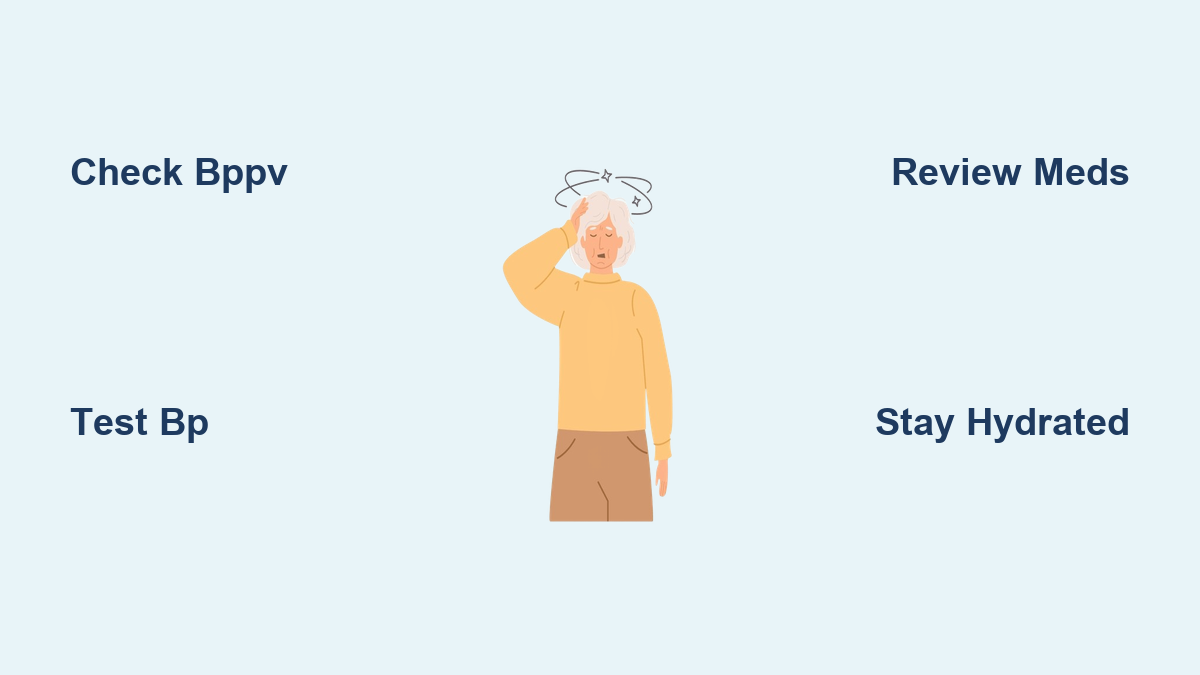
Dizziness in seniors is not a normal part of aging. It is a warning sign that something is wrong. Nearly 25% of adults over 72 experience dizziness or imbalance, and this number rises to over half of those aged 75 and older. These episodes significantly increase fall risk, and with 1 in 4 Americans over 65 falling each year, the consequences can be life-altering. Every 19 minutes, a senior dies from a fall. These numbers make one thing clear: when seniors feel dizzy, it is time to act.
This guide breaks down the top reasons seniors get dizzy, how to recognize dangerous signs, and what steps can restore balance and safety. You will learn about inner ear problems, blood pressure issues, medication effects, and other common triggers. Each section includes actionable steps to help you identify the cause and find the right treatment.
BPPV: The Most Common Cause of Vertigo in Seniors
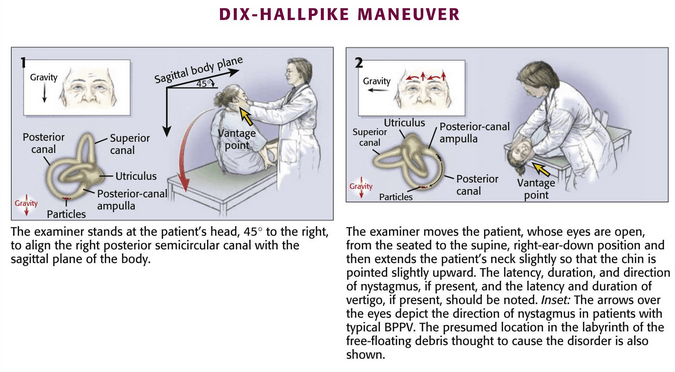
Benign Paroxysmal Positional Vertigo, or BPPV, is the leading cause of vertigo in older adults. It accounts for about 28% of all vertigo cases in seniors. BPPV happens when tiny calcium crystals in the inner ear, called otoconia, break loose and drift into the semicircular canals. When the head moves, these displaced crystals send false signals to the brain about motion, triggering sudden spinning sensations.
Recognize BPPV Triggers
BPPV strikes during everyday movements. Rolling over in bed often triggers intense spinning. Looking up to reach a high shelf can cause dizziness. Bending down to tie shoes or standing up quickly also commonly trigger episodes. Each episode typically lasts seconds to minutes but can be severe enough to cause nausea, imbalance, and fear of falling. About 50% of patients experience another episode within five years.
Confirm with the Dix-Hallpike Test
Doctors diagnose BPPV using the Dix-Hallpike maneuver. The patient is quickly moved from sitting to lying with the head turned and slightly extended. If BPPV is present, this triggers vertigo and nystagmus, which are involuntary eye movements that confirm the diagnosis. The test is safe and is typically performed by ENT specialists, neurologists, or vestibular therapists.
Treat with the Epley Maneuver
The Epley maneuver is the gold standard treatment for BPPV. It uses a sequence of head movements to guide the loose crystals back to their proper location in the inner ear. Performed by a trained clinician, it has an 80 to 90% success rate after one to three sessions. Some guided home versions exist, but professional treatment ensures accuracy and safety.
Orthostatic Hypotension: Blood Pressure Drops When Standing
A sudden drop in blood pressure when standing, called orthostatic hypotension, is a leading cause of lightheadedness in seniors. It affects up to 30% of older adults and is strongly linked to falls, fractures, and hospitalizations. This condition occurs because the body fails to regulate blood pressure quickly enough when you stand up.
Why Blood Pressure Falls on Standing
Normally, the body quickly adjusts blood flow when you stand. But aging, diabetes, Parkinson disease, or certain medications can impair the autonomic nervous system. The system cannot constrict blood vessels and increase heart rate fast enough. This delay causes reduced blood flow to the brain, leading to dizziness.
Diagnose with Orthostatic Vitals
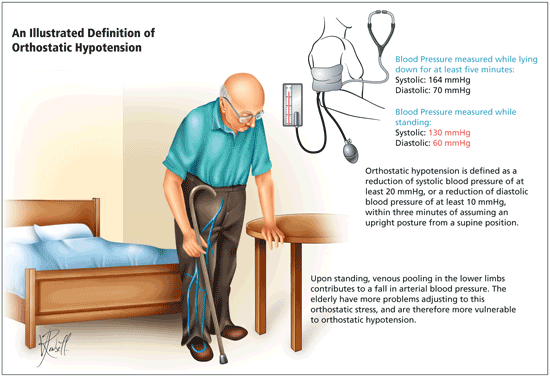
The condition is diagnosed by measuring blood pressure and heart rate in three positions: lying down, sitting, and standing. A drop in systolic blood pressure of 20 mm Hg or diastolic of 10 mm Hg confirms orthostatic hypotension. Symptoms include dizziness or lightheadedness, blurred vision, weakness, confusion, and fainting.
Prevent Falls with Simple Steps
Management starts with lifestyle changes. Rise slowly from lying or sitting positions. Sit for 30 seconds before standing. Increase fluids and salt intake if not contraindicated by other conditions. Wear compression stockings to improve circulation. Avoid long periods of standing or hot environments. These simple adjustments can significantly reduce dizziness episodes.
Medications That Cause Dizziness
Polypharmacy, meaning taking five or more medications, is common in seniors and a major contributor to dizziness. Many drugs affect balance, blood pressure, or brain function, often without the patient realizing the connection. Medication side effects are one of the most treatable causes of dizziness.
High-Risk Drug Classes to Watch
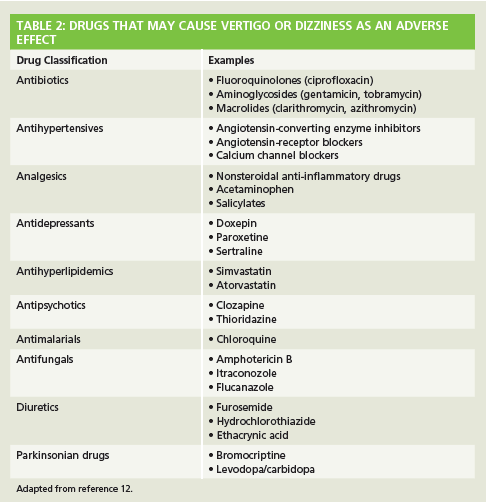
Certain medication types carry higher dizziness risk. Antihypertensives like lisinopril and amlodipine cause low blood pressure and orthostasis. Diuretics like furosemide lead to dehydration and electrolyte imbalances. Sedatives like lorazepam and zolpidem impair coordination. Antidepressants like amitriptyline and sertraline cause sedation and blood pressure drops. Opioids like oxycodone cause drowsiness and orthostasis. Alpha-blockers like tamsulosin, used for prostate issues, cause vasodilation.
Review Medications After Dizziness Starts
If dizziness begins shortly after starting a new medication, it may be the culprit. Even combinations of otherwise safe drugs can amplify side effects. A medication reconciliation, which is a full review of all prescriptions, over-the-counter drugs, and supplements, should be done by a doctor or pharmacist. This simple step can often identify the problem.
Deprescribe to Restore Balance
Deprescribing, which means safely reducing or stopping unnecessary medications, can dramatically improve symptoms. Never stop a drug without medical guidance. But ask your doctor: Is this still needed? Can the dose be lowered? Is there a safer alternative? These questions can lead to significant improvements.
Heart and Brain Issues: Red Flags Not to Ignore
Dizziness can signal life-threatening conditions like stroke, heart attack, or arrhythmias. These are medical emergencies and require immediate attention. Understanding these red flags could save a life.
Check for Stroke Symptoms
Vertigo with neurological signs is a serious red flag. Wallenberg syndrome, a brainstem stroke, presents with sudden vertigo without hearing loss, difficulty swallowing, one-sided weakness, Horner syndrome which causes a drooping eyelid and small pupil, and ataxia which is loss of coordination. Do not assume this is an ear issue. A stroke can mimic BPPV but is far more dangerous.
Detect Arrhythmias with Monitoring
Irregular heart rhythms like atrial fibrillation or bradycardia can reduce blood flow to the brain, causing dizziness or fainting. Symptoms may include palpitations, fatigue, and sudden lightheadedness. Diagnosis requires an ECG, Holter monitor worn for 24 to 48 hours, or an event recorder. Treatment includes medications, pacemakers for slow heart rates, or anticoagulants to prevent stroke.
Rule Out TIA or Heart Failure
Transient ischemic attacks, called TIAs, or reduced cardiac output from heart failure can also cause dizziness. Anyone with cardiovascular risk factors like high blood pressure, diabetes, or smoking should be evaluated promptly. Do not dismiss dizziness as minor when heart health may be at stake.
Inner Ear Disorders Beyond BPPV
While BPPV is the top cause of vertigo, other inner ear conditions contribute to dizziness in seniors. Understanding these conditions helps ensure proper diagnosis and treatment.
Meniere Disease: Vertigo with Hearing Loss
Meniere disease involves fluid buildup in the inner ear. It causes episodes of vertigo lasting 20 minutes to several hours. It also causes fluctuating hearing loss, usually in one ear, tinnitus which is ringing in the ear, and aural fullness which is a feeling of ear pressure. Over time, hearing loss may become permanent. Management includes a low-sodium diet under 2,000 milligrams per day, diuretics to reduce fluid, meclizine for acute attacks, and in severe cases, injections or surgery.
Age-Related Vestibular Decline
Natural aging reduces vestibular hair cell function and blood flow to the inner ear. This leads to chronic imbalance, especially in low light or on uneven ground. Unlike BPPV, symptoms are persistent rather than episodic. This type of decline is common but often treatable with the right therapy.
Rehab with Vestibular Therapy
Vestibular rehabilitation therapy, called VRT, helps the brain compensate for inner ear deficits. Exercises include gaze stabilization, balance training, and habituation drills. VRT is effective, often covered by Medicare Part B, and can be done in-clinic or at home. This therapy can significantly improve quality of life for seniors with chronic dizziness.
Dehydration and Low Blood Sugar
Simple metabolic issues like dehydration and hypoglycemia are often overlooked but easily treated causes of dizziness. These are among the most common and most treatable causes.
Dehydration Lowers Blood Pressure
Seniors have a weakened thirst response, making them prone to dehydration. Diuretics, illness, or hot weather increase risk. Symptoms include dizziness, dry mouth, fatigue, confusion, and dark urine. Prevention involves encouraging regular fluid intake. Monitor urine color. Pale yellow is ideal.
Hypoglycemia in Diabetic Seniors
Low blood sugar below 70 mg/dL is dangerous and common in diabetics on insulin or sulfonylureas. Triggers include missed meals, excessive medication, and alcohol. Symptoms include dizziness, sweating, tremors, confusion, and fainting. The immediate fix is giving four ounces of juice or glucose tablets. Long-term solutions include adjusting medications and monitoring blood sugar regularly.
Vitamin Deficiencies and Anemia
Nutritional deficiencies are surprisingly common in seniors and directly impact balance and brain function. These deficiencies are often easy to treat but frequently overlooked.
B12 Deficiency Causes Nerve Damage
Poor absorption due to aging or pernicious anemia leads to low B12. Effects include peripheral neuropathy, numbness, imbalance, cognitive changes, and dizziness. Treatment involves oral or injectable B12. Blood tests confirm diagnosis.
Vitamin D Deficiency Weakens Muscles
Up to 90% of seniors are deficient in vitamin D. Low levels cause muscle weakness, poor balance, and higher fall risk. The solution is supplementation with 800 to 1,000 IU per day. This is safe and effective for most seniors.
Anemia Reduces Brain Oxygen
Low red blood cell count due to iron, B12, or chronic disease means less oxygen to the brain. Symptoms include dizziness, fatigue, and pallor. Diagnosis involves a CBC blood test. Treatment depends on the underlying cause.
Vision and Muscle Loss Impact Balance
Even mild dizziness becomes dangerous when combined with poor vision or weak muscles. These factors significantly increase fall risk.
Poor Vision Increases Fall Risk
Conditions like cataracts, glaucoma, or macular degeneration impair depth perception and spatial awareness. Bifocals can also distort vision when walking. Fix these issues with regular eye exams, updated prescriptions, and improved home lighting.
Sarcopenia Causes Instability
Age-related muscle loss called sarcopenia reduces strength and balance. Seniors may feel unsteady even without dizziness. Prevent this with resistance training two to three times per week, adequate protein intake at 1.0 to 1.2 grams per kilogram of body weight, and weight-bearing activities.
Anxiety and Neck Arthritis as Hidden Causes
Sometimes dizziness is not from the ear or heart but from the mind or neck. These less obvious causes are important to consider.
Anxiety Triggers Hyperventilation
Panic attacks or chronic anxiety can cause non-specific dizziness. Hyperventilation lowers CO2 and constricts brain blood vessels. Heightened focus on bodily sensations makes the problem worse. Treatment includes cognitive behavioral therapy, breathing retraining, or SSRIs like sertraline.
Neck Arthritis Disrupts Balance Signals
Cervical spine degeneration is the second most common cause of dizziness after BPPV. Arthritis or disc disease distorts proprioception, which is the body sense of head position. Symptoms include dizziness with neck movement, disorientation, and imbalance. Management involves physical therapy, posture correction, and neck exercises.
When to Seek Emergency Care
Not all dizziness is the same. Some symptoms demand immediate medical attention. Knowing the difference could save a life.
Recognize Stroke and Heart Attack Signs
Call 911 if dizziness is accompanied by chest pain or pressure, which could indicate heart attack. Slurred speech, facial droop, or limb weakness could indicate stroke. Fainting, irregular heartbeat or palpitations, or fever with neck stiffness also require emergency care. Do not wait when these symptoms appear.
Act Fast to Save Lives
For suspected stroke, time is brain. Every minute counts. For cardiac arrest, start CPR with 100 to 120 compressions per minute, two inches deep. Use an automated external defibrillator if available. Follow device prompts. These actions can mean the difference between life and death.
Prevent Falls and Stay Independent
Falls are the most serious outcome of dizziness. But they are largely preventable with the right precautions and modifications.
Use Mobility Aids and Home Modifications
Install grab bars and non-slip mats in bathrooms. Improve lighting, especially at night. Remove tripping hazards like rugs and cords. Use canes or walkers when needed. Medicare Part B covers these as durable medical equipment.
Train Balance and Strength
Tai chi and yoga improve stability. Balance exercises like standing on one foot help. Strength training combats sarcopenia. Regular exercise reduces fall risk significantly.
Schedule Regular Wellness Visits
Medicare covers annual wellness visits, hearing and balance exams, physical therapy, and caregiver training. Use these benefits to catch problems early. Regular checkups can identify dizziness causes before they lead to falls.
Frequently Asked Questions About Why Seniors Get Dizzy
What is the most common cause of dizziness in seniors?
Benign Paroxysmal Positional Vertigo, called BPPV, is the most common cause. It accounts for about 28% of vertigo cases in older adults. BPPV happens when calcium crystals in the inner ear become displaced and trigger false signals about movement.
Why does blood pressure cause dizziness when standing?
When you stand up quickly, blood pools in your legs. The body normally responds by constricting blood vessels and increasing heart rate. But aging and certain conditions impair this response. The delay causes reduced blood flow to the brain, resulting in dizziness or lightheadedness.
Can medications make seniors dizzy?
Yes, medications are a leading cause of dizziness in seniors. High-risk drugs include antihypertensives, diuretics, sedatives, antidepressants, and opioids. Polypharmacy, meaning taking five or more medications, increases the risk. A medication review can often identify the culprit.
When is dizziness a sign of stroke?
Dizziness accompanied by neurological symptoms like slurred speech, facial droop, limb weakness, or difficulty swallowing could indicate stroke. Vertigo with these signs requires immediate emergency care. Do not assume it is just an ear problem.
How can seniors prevent falls from dizziness?
Prevent falls by rising slowly from sitting or lying positions. Stay hydrated. Review medications regularly. Use grab bars and improve home lighting. Consider balance training and strength exercises. These steps significantly reduce fall risk.
Does vitamin deficiency cause dizziness in seniors?
Yes, vitamin B12 and vitamin D deficiencies are common in seniors and can cause dizziness. B12 deficiency leads to nerve damage and imbalance. Vitamin D deficiency causes muscle weakness. Both are treatable with supplementation.
Key Takeaways for Understanding Senior Dizziness
Dizziness in seniors is never just part of getting older. It is a symptom with real causes and real solutions. The top causes include BPPV, orthostatic hypotension, and medication side effects. Other significant contributors include cardiovascular disease, inner ear disorders, nutritional deficiencies, and vision or muscle decline. Most causes are treatable with proper diagnosis and care.
The key is action. See a doctor to identify the specific cause. Review all medications with your healthcare provider. Check for BPPV and orthostatic hypotension. Stay hydrated and maintain proper nutrition. Make your home safe with grab bars and improved lighting. With the right care, most seniors can regain balance, prevent falls, and live independently longer. If you or a loved one feels dizzy, do not wait. Talk to your doctor today.