Seeing or hearing things that aren’t there can be deeply unsettling for older adults and their families. Yet hallucinations in the elderly are more common than many realize and are never a normal part of aging. They are warning signs of underlying medical, neurological, or environmental conditions that require attention. Understanding why do elderly hallucinate means looking beyond dementia to find reversible causes.
This guide breaks down the science behind elderly hallucinations, identifies the most common causes, and provides actionable steps for diagnosis, treatment, and caregiver support. Whether it’s visual disturbances from vision loss or warning signs of a urinary tract infection, early recognition can preserve dignity and quality of life.
Common Causes of Hallucinations in Seniors
Hallucinations in older adults stem from complex interactions between brain changes, sensory loss, medications, and illness. Recognizing the root cause is essential for proper treatment, especially since some causes are life-threatening while others are entirely reversible.
Dementia-Related Hallucinations
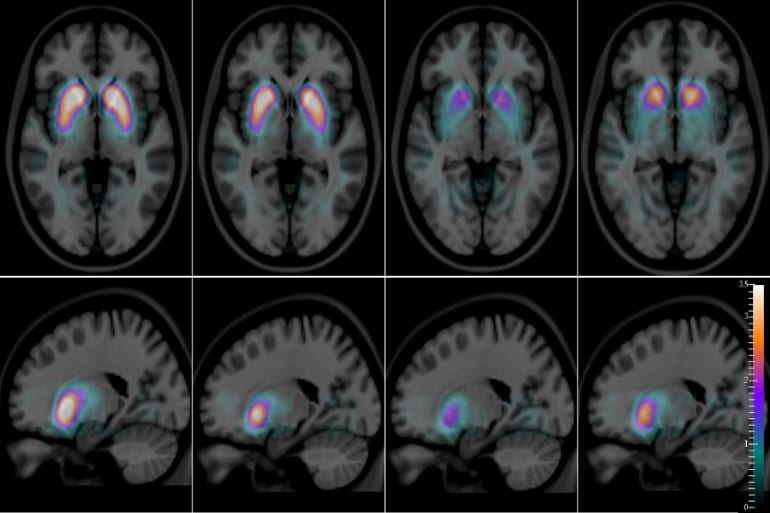
Neurodegenerative diseases are among the top causes of persistent hallucinations in older adults, but not all dementias carry the same risk.
Visual Hallucinations in Lewy Body Dementia
Dementia with Lewy bodies (DLB) is defined by recurrent, well-formed visual hallucinations, often one of the earliest symptoms. These are not fleeting shadows but detailed, lifelike scenes: children playing, animals wandering, or strangers sitting in chairs. Unlike in psychotic disorders, many DLB patients retain partial insight, acknowledging “I know it’s not real, but I see it.”
These episodes last minutes to hours and occur daily or weekly. They’re linked to abnormal protein deposits disrupting brain circuits involved in perception and attention. Parkinson’s disease dementia shares similar features, with 30 to 75 percent of patients developing hallucinations as the disease progresses.
Hallucinations in Alzheimer’s Disease
In Alzheimer’s, hallucinations typically emerge in moderate to severe stages, affecting 15 to 40 percent of patients. They’re often paired with delusions like believing caregivers are stealing. Visual and auditory types are most common. Brain atrophy in visual processing areas and neurotransmitter dysfunction contribute to these errors in perception.
Pro Tip: If hallucinations appear early in cognitive decline, suspect DLB over Alzheimer’s.
Charles Bonnet Syndrome: Vision Loss Hallucinations
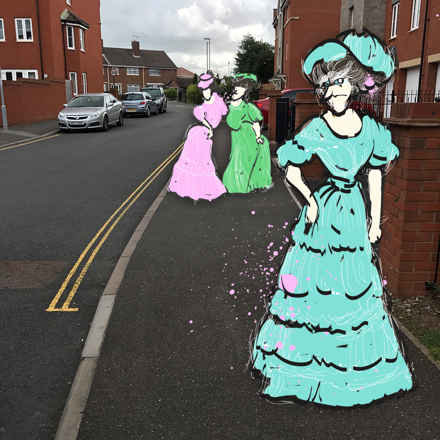
One of the most misunderstood causes is Charles Bonnet Syndrome (CBS), affecting 10 to 60 percent of older adults with significant vision loss from macular degeneration, glaucoma, or diabetic retinopathy.
How CBS Works
When vision deteriorates, the brain’s visual cortex becomes under-stimulated. In response, it “fills in the gaps” with spontaneous activity, leading to complex, vivid hallucinations. This is known as release hallucination or deafferentation phenomenon.
Hallucinations in CBS are visual only, well-formed and detailed, non-threatening in over half of cases, episodic lasting seconds to hours, and recognized as unreal. Patients have full insight that the experiences are not real.
Myth Busting: CBS is not psychiatric. It occurs in mentally healthy, cognitively intact individuals.
Medication-Induced Hallucinations
Polypharmacy, taking five or more medications, is a leading preventable cause of hallucinations in the elderly.
High-Risk Drugs
Several medication classes carry significant hallucination risk in older adults:
• Dopaminergics like levodopa and pramipexole, especially in Parkinson’s patients
• Anticholinergics like diphenhydramine and oxybutynin, which impair acetylcholine
• Opioids like morphine and fentanyl via NMDA activation
• Corticosteroids like prednisone with neuroexcitatory effects
• Benzodiazepines like zolpidem with paradoxical effects
• Certain antibiotics like ciprofloxacin with neurotoxicity
Anticholinergic burden is especially dangerous. Common in allergy meds, sleep aids, and bladder control drugs, these medications block acetylcholine, a key neurotransmitter for memory and perception.
Action Step: Sudden onset of hallucinations? Review all medications immediately, including OTC drugs and supplements.
Delirium: A Medical Emergency
Delirium is the most urgent cause of hallucinations in seniors. It’s an acute brain dysfunction characterized by confusion, inattention, and fluctuating consciousness.
Hallucinations in Delirium
Visual hallucinations are common, often frightening like seeing bugs, intruders, or monsters. They occur in up to 30 percent of cases, appear suddenly, and worsen at night, a phenomenon called sundowning. They are accompanied by disorientation, agitation, or drowsiness.
Common Triggers
• Urinary tract infections, often the only sign in elderly women
• Pneumonia or sepsis
• Dehydration
• Post-surgical confusion
• Metabolic imbalances like low sodium or high calcium
Critical: Delirium is reversible if caught early. Untreated, it can lead to permanent cognitive decline or death.
Sensory Impairments and Misperceptions
Not all hallucinations are true hallucinations. Many are misperceptions, distorted interpretations of real stimuli due to poor vision or hearing.
Vision-Related Misperceptions
Dim lighting, glare, or cluttered rooms can make a coat on a chair look like a person. Mirrors or reflections may be interpreted as intruders. Busy wallpaper or patterns trigger visual confusion.
Hearing Loss and Auditory Hallucinations
Musical ear syndrome causes hearing familiar songs with no source, common in hearing-impaired seniors. They may mishear background noise like fan hum as voices. Malfunctioning hearing aids can distort sound.
Key Insight: Improving lighting, reducing clutter, and maintaining hearing aids can prevent many so-called hallucinations.
Medical Conditions That Trigger Hallucinations
Beyond dementia and medications, numerous physical illnesses can disrupt brain function and cause hallucinations.
Infections and Systemic Illness
UTIs and Sepsis
In older adults, mental status changes may be the only sign of infection. Hallucinations, confusion, and agitation can precede fever or pain. Prompt antibiotic treatment often resolves symptoms within days.
Pneumonia
Hypoxia impairs brain function and leads to delirium with visual or auditory hallucinations.
Organ Failure and Toxins
Uremic Encephalopathy
Kidney failure causes buildup of uremic toxins affecting neurotransmitters. Symptoms include confusion, myoclonus, and hallucinations. Treatment involves dialysis.
Hepatic Encephalopathy
Elevated ammonia levels from liver failure disrupt brain chemistry, causing hallucinations, confusion, and asterixis. Treatment includes lactulose and dietary protein restriction.
Stroke and Brain Lesions
Occipital lobe strokes cause visual hallucinations like lights and shapes. Temporal lobe tumors may trigger music hallucinations or olfactory phantoms like smelling smoke. Sudden onset requires urgent neuroimaging.
Sleep and Mental Health Factors
Disrupted sleep and emotional distress significantly increase hallucination risk.
Sleep Deprivation and Disorders
Chronic insomnia or sleep apnea reduces prefrontal cortex function, impairing reality testing. Hypnagogic hallucinations occur when falling asleep, and hypnopompic hallucinations occur upon waking. REM sleep behavior disorder is a precursor to DLB and Parkinson’s disease dementia.
Bereavement and Loneliness
Grief-Related Hallucinations
Thirty to 60 percent of bereaved elderly report seeing or hearing their deceased partner. These are often comforting experiences like a spouse sitting on the bed and smiling. They typically resolve within weeks to months and are more common in long-term marriages and spiritual individuals.
Social Isolation
Lack of sensory input increases vulnerability to CBS and auditory hallucinations. Loneliness alters brain chemistry, heightening perceptual sensitivity.
Depression and PTSD
Severe depression can include psychotic features with hallucinations and delusions. PTSD may cause sensory flashbacks like war veterans hearing gunfire. Anxiety amplifies misperceptions and fear response.
How to Respond: Diagnosis and Management
Treating hallucinations starts with accurate diagnosis, not medication. A systematic evaluation can identify reversible causes and prevent unnecessary drug use.
Step-by-Step Evaluation
- Take a detailed history covering onset, content, frequency, duration, and triggers
- Review all medications including OTC drugs and supplements
- Assess cognition using MMSE or MoCA to screen for dementia
- Test sensory function with vision and hearing exams
- Order lab tests including CBC, electrolytes, glucose, renal and liver function, B12, folate, TSH, and urinalysis
- Perform neuroimaging with MRI or CT to rule out tumor, stroke, or atrophy
- Conduct neuropsychiatric screening to rule out primary psychiatric disorders
Screening Question: “Have you ever seen or heard something that others don’t?”
Non-Drug Treatments First
Before turning to medication, try these evidence-based, low-risk strategies.
Environmental Adjustments
• Improve lighting with bright, even lighting and add nightlights
• Reduce clutter by removing busy rugs, mirrors, or reflective surfaces
• Simplify decor to avoid complex patterns that confuse vision
• Label items like clocks, doors, and cabinets to help reduce confusion
Sensory Support
Ensure glasses are clean and up-to-date. Check hearing aids for proper fit and function. Encourage regular eye and hearing exams.
Communication Techniques
• Don’t argue by saying “that’s not real,” which increases distress
• Validate feelings by saying “I see you’re scared. I’m here to help.”
• Redirect gently by offering a snack, music, or a walk
• Join their reality briefly like saying “let’s ask the visitor to come back later”
Routine and Reassurance
Maintain a consistent daily schedule. Keep the person in a familiar environment. Avoid overstimulation from loud TV or crowded rooms.
When Medication Is Necessary
Drugs should be last resort, used only if hallucinations cause distress, danger, or sleep disruption.
Cholinesterase Inhibitors
Donepezil, rivastigmine, and galantamine are first-line for DLB and Parkinson’s disease dementia. They improve cognition and reduce hallucination frequency.
Memantine
This NMDA receptor antagonist is used in moderate to severe Alzheimer’s and may reduce behavioral symptoms.
Antipsychotics: Use with Caution
Antipsychotics carry a black box warning due to increased risk of stroke and death in dementia patients. Preferred options include quetiapine at 12.5 to 25 mg at night with lowest risk, or clozapine which is effective for DLB but requires weekly blood tests. Avoid haloperidol, risperidone, and olanzapine due to high risk in Lewy body disorders.
Rule: Review antipsychotic use every 6 to 12 weeks and taper if possible.
Caregiver Support and Safety
Caring for someone who hallucinates is emotionally taxing. Support is critical.
Document and Monitor
Keep a log recording what hallucinations occur, when, duration, triggers, and response. Note if hallucinations increase confusion or aggression.
Create a Safety Plan
Remove hazards if wandering or agitation occurs. Install locks, alarms, or GPS trackers if needed. Ensure supervision during high-risk times like night or post-illness.
Seek Professional Help
Consult a geriatrician, neurologist, or psychiatrist. Join support groups like the Lewy Body Dementia Association or Alzheimer’s Association.
Frequently Asked Questions About Elderly Hallucinations
Are hallucinations a normal part of aging?
No, hallucinations are not a normal part of aging. They are symptoms of underlying medical, neurological, or environmental conditions that require evaluation. While they become more common as people age, experiencing hallucinations should never be dismissed as just getting older.
What is the most common type of hallucination in the elderly?
Visual hallucinations are the most common type in older adults. They frequently occur in conditions like dementia with Lewy bodies, Charles Bonnet Syndrome from vision loss, and delirium. Visual hallucinations can range from simple flashes of light to complex, detailed scenes of people or animals.
Can hallucinations in the elderly be reversed?
Yes, many causes of hallucinations in the elderly are reversible. Delirium from infections like UTIs often resolves with antibiotic treatment. Medication-induced hallucinations typically improve when the offending drug is stopped. Charles Bonnet Syndrome may diminish over time. Even dementia-related hallucinations can sometimes be managed effectively with the right treatment approach.
How do I differentiate between dementia and other causes of hallucinations?
The timing and type of hallucinations provide important clues. In dementia with Lewy bodies, hallucinations often appear early, are well-formed and detailed, and the person may retain partial insight. In delirium, hallucinations appear suddenly and are accompanied by confusion and fluctuating alertness. In Charles Bonnet Syndrome, the person has full insight that the hallucinations are not real and has intact cognition.
When should I seek immediate medical attention for elderly hallucinations?
Seek immediate medical attention if hallucinations are accompanied by sudden onset or rapid worsening, confusion and disorientation, fever or signs of infection, head injury or stroke-like symptoms, seizures, or signs of dehydration. Delirium is a medical emergency that requires prompt evaluation.
Key Takeaways for Understanding and Managing Elderly Hallucinations
Hallucinations in the elderly are symptoms, not sentences. With careful evaluation, environmental support, and targeted treatment, most causes can be managed or reversed. Never dismiss them as just part of aging.
The most common causes include dementia with Lewy bodies, Charles Bonnet Syndrome from vision loss, delirium especially from urinary tract infections, medication side effects, sensory impairments, bereavement, sleep disorders, and various medical illnesses. Accurate diagnosis requires differentiating hallucinations from misperceptions, delusions, and illusions.
Treatment must prioritize non-pharmacological strategies first, including environmental modifications, sensory support, and communication techniques. Antipsychotics should be used only as a last resort with careful monitoring. Early intervention improves outcomes and reduces caregiver burden.
Your next step is to consult a healthcare provider for a comprehensive evaluation. Document any hallucinations with details about timing, frequency, and triggers to help with diagnosis. With proper care and support, hallucinations can be managed effectively while preserving dignity, safety, and quality of life for elderly individuals and their families.