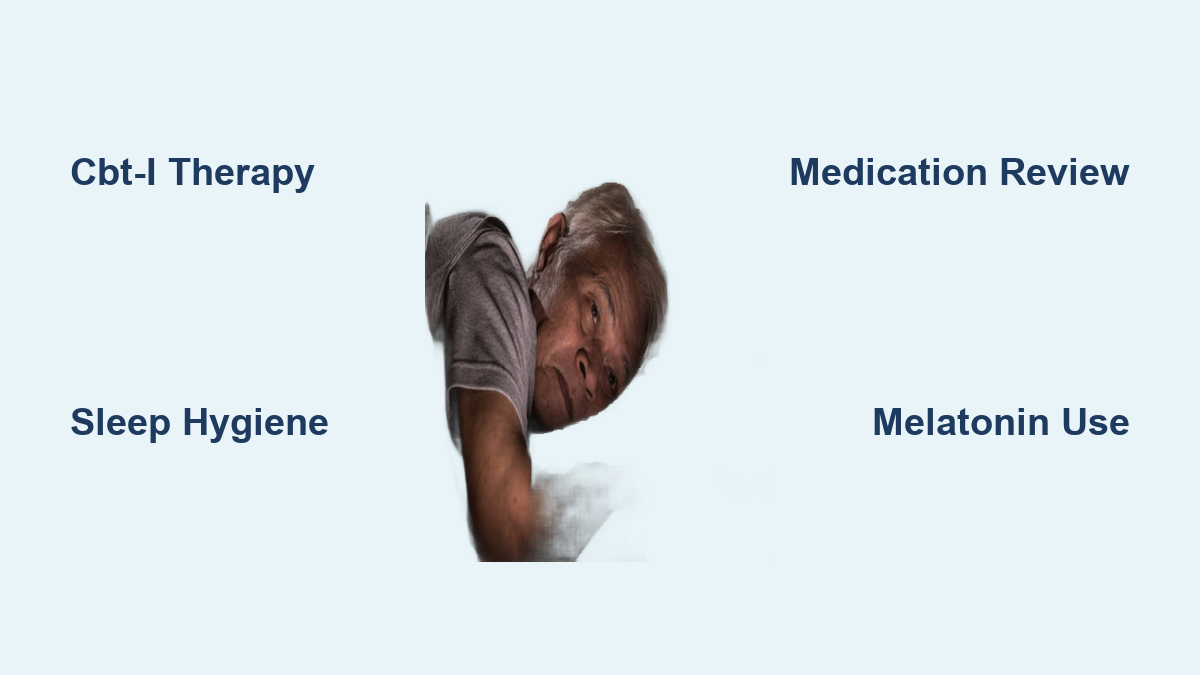
Insomnia affects nearly half of all older adults, making it one of the most common yet misunderstood health issues in aging. Contrary to popular belief, chronic sleep problems are not a normal part of growing older. They are a treatable condition with serious consequences when left unmanaged, including increased risks of falls, cognitive decline, depression, and heart disease. The good news is that effective, evidence-based treatments exist, especially when non-drug strategies come first.
This guide breaks down how to treat insomnia in elderly adults using practical, doctor-approved methods. From cognitive behavioral therapy and sleep hygiene to cautious medication use and natural remedies, you will learn actionable steps that address root causes rather than just symptoms. Whether you are helping yourself or a loved one, this comprehensive resource covers what works, what to avoid, and when to seek professional help.
Finding What Is Disrupting Your Sleep
Insomnia in older adults rarely has a single cause. It typically results from overlapping physical, psychological, and lifestyle factors that interact in complex ways. Treating it effectively starts with understanding what is actually disrupting sleep, because addressing the root cause often produces better results than treating the symptom alone.
Medical Conditions That Disrupt Elderly Sleep
Chronic health problems are major contributors to poor sleep in older adults. Common culprits that need evaluation include chronic pain from arthritis or neuropathy, neurological disorders like Parkinson or Alzheimer disease, heart and lung conditions such as heart failure or COPD, diabetes and thyroid issues, GERD that worsens when lying down, and nocturia which causes frequent nighttime urination due to prostate issues, diuretics, or heart disease.
Treating the underlying condition often improves sleep significantly. For example, managing blood sugar in diabetes or adjusting diuretic timing to morning hours can reduce nighttime awakenings. A thorough medical evaluation should be the first step in any insomnia treatment plan.
How Mental Health Affects Sleep in Older Adults
Depression and anxiety are strongly linked to insomnia in older adults. Bereavement, loneliness, or loss of independence can trigger both mood disorders and sleep problems. Cognitive decline also disrupts the sleep-wake cycle, especially in dementia where circadian rhythms become irregular.
If mood changes or persistent sadness accompany sleep issues, a mental health evaluation becomes essential. Treating depression through therapy, social support, or medication can significantly improve sleep quality. The connection between mental health and sleep works in both directions, so addressing one often helps the other.
Medications and Substances That Worsen Insomnia
Many commonly used drugs interfere with sleep in older adults. Beta-blockers like metoprolol may cause insomnia or nightmares, corticosteroids have a stimulating effect, cholinesterase inhibitors used for Alzheimer can cause nighttime agitation, and SSRIs may delay or fragment sleep. Diuretics increase nighttime bathroom trips, disrupting sleep continuity.
Beyond prescription medications, watch for substances that worsen insomnia. Caffeine should be avoided after noon because its effects last longer in older adults. Alcohol disrupts the second half of sleep and can worsen breathing problems. Nicotine is a stimulant that delays sleep onset. A medication review with a doctor can identify and adjust sleep-disrupting drugs.
Prioritizing Non-Drug Treatments First
The American Academy of Sleep Medicine and the American Geriatrics Society recommend non-pharmacological therapies as first-line treatment for insomnia in the elderly. These approaches are safer, more effective long-term, and do not carry the risks of falls, confusion, or dependence that medications can cause.
How CBT-I Works for Older Adults

Cognitive behavioral therapy for insomnia, known as CBT-I, is the gold standard for treating chronic insomnia. It is more effective than sleeping pills and provides lasting benefits because it addresses the thoughts and behaviors that perpetuate sleep problems.
The key components include cognitive restructuring where you challenge unhelpful thoughts like I will never sleep or one bad night will ruin my health. Stimulus control strengthens the brain association between bed and sleep by only going to bed when sleepy and getting up if you cannot fall asleep within 20 minutes. Sleep restriction limits time in bed to match actual sleep duration, building sleep pressure and increasing efficiency. Relaxation training uses techniques like deep breathing or meditation to calm the nervous system before bed.
CBT-I can be delivered in person, over the phone, or through digital programs like Sleepio or CBT-i Coach. Studies show 50 to 70 percent of older adults experience significant improvement. Because it addresses underlying patterns rather than just symptoms, benefits tend to last long after treatment ends.
Sleep Hygiene Habits That Improve Elderly Sleep
Good sleep habits make a significant difference for older adults. Focus on consistency and creating the right environment.
Maintain a fixed sleep schedule by going to bed and waking up at the same time every day, even on weekends. This stabilizes your circadian rhythm. Aim for 7 to 8 hours of sleep, but prioritize quality over quantity.
Limit daytime napping because naps longer than 30 minutes or taken later than 3 PM can interfere with nighttime sleep. If napping is necessary, keep it short and schedule it early in the afternoon.
Create a sleep-friendly bedroom by keeping the room cool at 60 to 67 degrees Fahrenheit, dark, and quiet. Use blackout curtains, earplugs, or a white noise machine. Reserve the bed for sleep and intimacy only, avoiding TV, reading, or phone use in bed.
Avoid pre-bed stimulants by not consuming caffeine after noon, avoiding alcohol and nicotine close to bedtime, and skipping heavy meals and large fluids 2 to 3 hours before bed to reduce GERD and nocturia.
Reduce screen time before bed because blue light from phones, tablets, and TVs suppresses melatonin. Stop using screens at least 1 hour before bed and replace with calming activities like reading with low light or gentle stretching.
Building a Relaxing Bedtime Routine
Wind down with consistent pre-sleep rituals that signal your body it is time to sleep. Effective routines include taking a warm bath, practicing mindfulness or meditation, listening to soothing music, or doing light stretching or yoga. These activities transition your mind and body from wakefulness to rest.
The key is consistency. Doing the same activities in the same order each night creates a powerful psychological cue that sleep is approaching. This routine should last 30 to 60 minutes and be maintained even when traveling or during unusual circumstances.
Daytime Activity and Light Exposure for Better Sleep
Physical activity boosts sleep quality substantially for older adults. Beneficial activities include walking 30 minutes daily, tai chi or yoga for flexibility and relaxation, and strength training to improve overall health. Exercise should be done at least 3 to 4 hours before bedtime to avoid overstimulation that could delay sleep.
Morning sunlight exposure helps regulate the internal clock. Spending 20 to 30 minutes outside in natural light, especially in the early morning, helps anchor your circadian rhythm and can be particularly helpful if you tend to wake too early.
Relaxation Techniques to Calm the Mind and Body
These practices reduce mental and physical arousal that interferes with sleep onset.
Progressive muscle relaxation involves tensing and relaxing muscle groups from toes to head. This reduces physical tension and promotes calm throughout the body.
Deep breathing using the 4-7-8 method works well: inhale for 4 seconds, hold for 7, exhale slowly for 8. Repeat 4 to 5 times. This activates the parasympathetic nervous system and counters the stress response.
Mindfulness meditation focuses attention on breath or body sensations. When your mind wanders, gently bring it back. Apps like Calm or Headspace offer guided sessions specifically designed for sleep.
Guided imagery involves visualizing a peaceful scene like a beach or forest to distract from racing thoughts. This technique is particularly useful when your mind won’t stop thinking about the day’s events or tomorrow’s tasks.
Safe Natural Remedies for Elderly Insomnia

Some supplements may help, but they are not regulated by the FDA and can interact with medications. Always discuss any supplement with your doctor before starting.
Using Melatonin for Sleep Onset
Melatonin is a hormone that regulates the sleep-wake cycle. In older adults, natural production declines, which may contribute to sleep difficulties.
The typical dose is 0.5 to 1 mg, taken 30 to 60 minutes before bed. Start with the lowest dose to assess effectiveness. Melatonin may reduce time to fall asleep by 5 to 7 minutes on average. It works best for circadian rhythm shifts like early waking, jet lag, or mild insomnia.
Ramelteon, a prescription melatonin receptor agonist, works similarly but provides more consistent effects. It has no abuse potential and minimal next-day effects.
Caution is warranted because over-the-counter melatonin varies in purity and potency. Choose reputable brands. Avoid high doses above 5 mg, which can cause grogginess the next day.
Using Valerian and Chamomile Carefully
Valerian root shows some benefit in studies, but results are inconsistent. It may cause stomach upset or daytime drowsiness. Chamomile tea has a mild calming effect but should be avoided if you are on blood thinners like warfarin because it may increase bleeding risk.
Neither remedy is as well-studied as melatonin for elderly insomnia. They may offer modest benefits for some people but should not replace first-line treatments like CBT-I and sleep hygiene.
When Medications Become Necessary for Insomnia
Drugs should be a last resort, used only when non-drug methods fail and insomnia severely impacts daily life. The elderly are more sensitive to medication side effects, including falls, confusion, and memory problems. The risks often outweigh benefits for many commonly prescribed sleep aids.
Following Safe Medication Guidelines
If medication becomes necessary, follow these principles: use the lowest effective dose, limit use to 2 to 4 weeks, avoid daily long-term use, and monitor closely for daytime drowsiness, dizziness, or confusion.
The 2019 Beers Criteria from the American Geriatrics Society explicitly warns against several common sleep aids in older adults due to their high risk-to-benefit ratio.
Safer Prescription Options for Elderly Insomnia
Low-dose doxepin at 6 mg or less is FDA-approved for sleep maintenance insomnia. It works by blocking histamine receptors without strong anticholinergic effects at low doses. It has minimal impact on cognition or balance. Avoid higher doses above 6 mg, which increase side effects significantly.
Ramelteon targets melatonin receptors and has no abuse potential. It is good for sleep onset issues and causes minimal next-day effects. A prescription is required.
Suvorexant is an orexin antagonist that blocks wake-promoting orexin receptors. It helps with both falling and staying asleep and is well-tolerated. However, it is a Schedule IV controlled substance with potential for complex sleep behaviors like sleepwalking. It also has high cost.
Medications to Avoid in Older Adults
Benzodiazepines like lorazepam and temazepam cause falls, fractures, dependence, and cognitive decline. Z-drugs like zolpidem and eszopiclone cause sleepwalking, confusion, falls, and rebound insomnia. First-generation antihistamines like diphenhydramine and doxylamine cause confusion, dry mouth, urinary retention, and delirium.
Even trazodone, though widely prescribed, lacks strong evidence for chronic use in older adults and increases fall risk due to orthostatic hypotension. It should not be considered first-line therapy.
Managing Insomnia in Elderly with Dementia
Insomnia is common in dementia, but sedatives can worsen confusion and increase fall risk. Instead, focus on non-drug approaches that work with the natural rhythms of the condition.
Maintain a consistent daily routine with the same wake-up time, meals, and bedtime. This predictability supports the circadian rhythm even when it is disrupted by dementia.
Use light therapy with morning bright light to help regulate circadian rhythms. Reduce nighttime disruptions by minimizing noise and limiting bathroom checks unless medically necessary.
Increase daytime activity through walks, music, or simple tasks to promote alertness during the day and natural tiredness at night. Create visual cues using clocks and windows to reinforce day-night cycles.
Avoid physical restraints or sedatives unless absolutely necessary. These interventions often worsen the very problems they attempt to solve.
Getting Professional and Caregiver Support
In assisted living or home care settings, staff and family members play a key role in supporting healthy sleep. Their involvement can determine whether treatment strategies succeed or fail.
Educate caregivers about sleep hygiene principles and the specific risks of sleeping pills in older adults. Many caregivers do not realize that common over-the-counter sleep aids are particularly dangerous for elderly individuals.
Reduce unnecessary nighttime interruptions for vital signs or toileting unless medically required. Often, routine checks disrupt sleep unnecessarily.
Encourage social engagement and physical activity during the day to prevent excessive daytime napping that interferes with nighttime sleep.
A multidisciplinary team including primary care, geriatrics, mental health, and sleep specialists can provide comprehensive care that addresses all contributing factors.
When to See a Doctor About Elderly Insomnia
Do not accept poor sleep as inevitable. See a doctor if insomnia lasts more than 3 weeks, affects mood, memory, or daily function, there are signs of depression or anxiety, OTC remedies or lifestyle changes are not working, or you suspect sleep apnea, restless legs syndrome, or nocturia.
A sleep diary tracked over 1 to 2 weeks can help your provider diagnose patterns and tailor treatment. Screening tools like the Insomnia Severity Index or Pittsburgh Sleep Quality Index may also be used.
If another sleep disorder is suspected, a sleep study called polysomnography may be recommended. This is particularly important if sleep apnea is suspected, as it is common in older adults and often goes undiagnosed.
Frequently Asked Questions About Treating Insomnia in Elderly
What is the most effective treatment for insomnia in older adults?
Cognitive behavioral therapy for insomnia, known as CBT-I, is the most effective treatment. It addresses the thoughts and behaviors that perpetuate sleep problems and provides lasting benefits. Studies show 50 to 70 percent of older adults experience significant improvement. This therapy is recommended as first-line treatment by the American Academy of Sleep Medicine and American Geriatrics Society.
Is insomnia normal in elderly people?
No, insomnia is not a normal part of aging. While sleep patterns do change with age, chronic sleep problems are treatable medical conditions. Many older adults accept poor sleep as inevitable, but this leads to increased risks of falls, cognitive decline, depression, and heart disease. Effective treatments exist, and seeking help can significantly improve quality of life.
What sleep medications are safest for elderly patients?
The safest options include low-dose doxepin at 6 mg or less, ramelteon, and melatonin. These have the lowest risk of falls, confusion, and dependence. However, all sleep medications should be used short-term and only after trying non-drug treatments. Medications like benzodiazepines, z-drugs, and diphenhydramine should be avoided entirely in older adults due to high risks.
How much sleep do older adults need?
Older adults generally need 7 to 8 hours of sleep per night, similar to younger adults. However, sleep efficiency often decreases, meaning more time is spent in bed but less time is actually sleeping. The focus should be on sleep quality rather than just quantity. Consistent sleep schedules and good sleep hygiene help maximize the quality of sleep obtained.
Can natural remedies help with elderly insomnia?
Melatonin is the most well-studied natural remedy and may help reduce sleep onset time by 5 to 7 minutes. It works best for circadian rhythm issues. Valerian root and chamomile have modest, inconsistent evidence. All supplements should be discussed with a doctor because they can interact with medications. Natural remedies are less effective than CBT-I and should not replace first-line treatments.
Key Takeaways for Treating Insomnia in Elderly
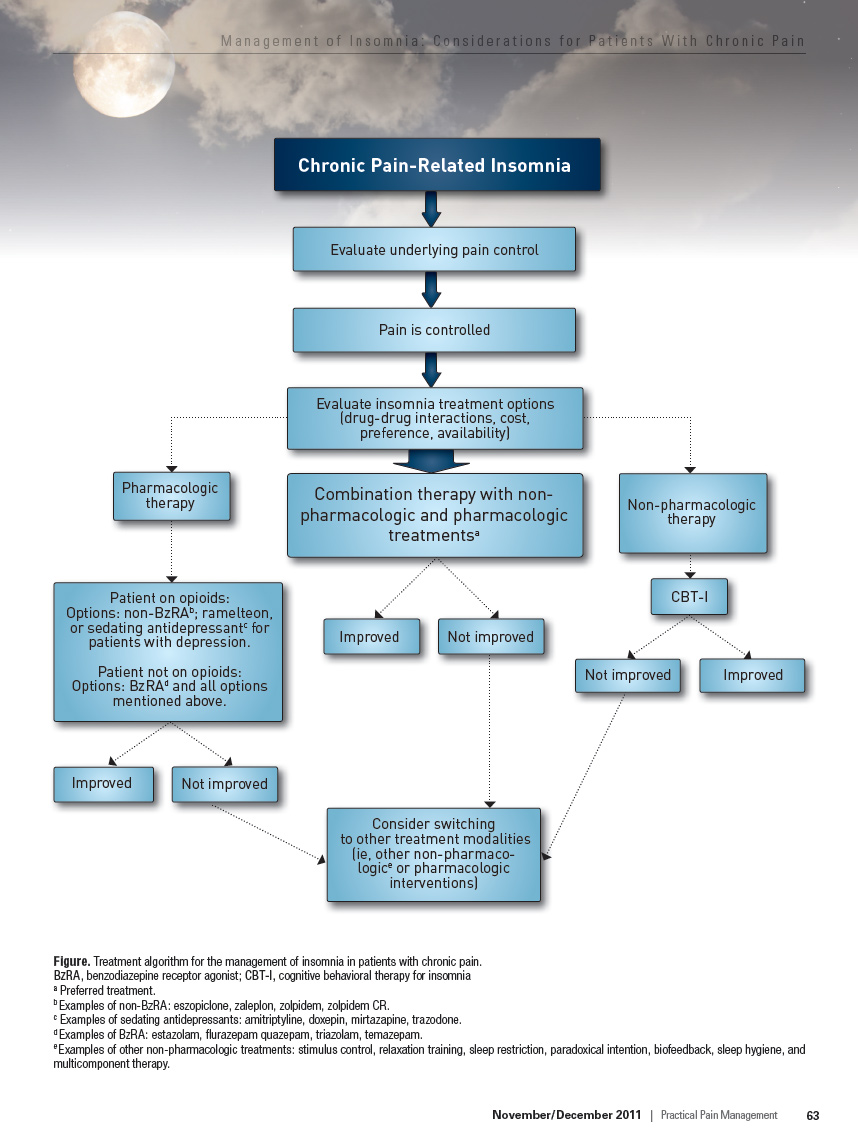
Treating insomnia in the elderly starts with the safest, most effective option: non-drug therapies like CBT-I and sleep hygiene. These approaches address root causes and provide lasting benefits without the risks of medications.
Identifying underlying causes is essential. Medical conditions, mental health issues, and medications all contribute to insomnia in older adults. Treating these root causes often improves sleep more effectively than treating the symptom alone.
Medications have a limited role and should be used with extreme caution. When necessary, stick to safer options like low-dose doxepin or ramelteon, and avoid benzodiazepines, z-drugs, and antihistamines per the Beers Criteria.
The key is to act early and never accept poor sleep as a normal part of aging. By addressing root causes, optimizing routines, and involving healthcare providers, older adults can achieve better sleep, improved health, and a higher quality of life.