

Muscle doesn’t just fade with age. It erodes silently, often unnoticed until a fall, a stumble, or the struggle to rise from a chair becomes a daily reality. This gradual loss, known as sarcopenia, affects up to half of adults over 80 and is a leading cause of disability and loss of independence. One powerful weapon against this decline is whey protein. But should seniors take whey protein, and is it safe, effective, and necessary?
The answer isn’t a simple yes or no. While whole foods should be the foundation of nutrition, many older adults fail to get enough protein due to poor appetite, dental issues, or difficulty preparing meals. That’s where supplementation can make a meaningful difference. This guide cuts through the noise. You’ll learn how much protein seniors really need, why whey stands out among supplements, who benefits most, and how to use it safely alongside exercise.
Sarcopenia: The Silent Muscle Thief Affecting Seniors
What Is Sarcopenia and Why It Matters
Sarcopenia is more than natural aging. It’s a clinical condition defined by progressive loss of muscle mass, strength, and physical function. First identified in 1989, it’s now recognized as a muscle disease affecting millions of older adults worldwide.
Starting as early as age 40, adults lose about 1% of muscle mass per year. This decline accelerates after 60, with prevalence ranging from 5-13% in those over 60 to 11-50% among those over 80. The consequences are serious: higher risk of falls, fractures, hospitalization, and loss of independence.
How Doctors Diagnose Muscle Loss
Medical professionals use three key criteria to diagnose sarcopenia:
- Low muscle strength: Measured by handgrip dynamometry or chair stand tests
- Low muscle mass: Assessed via DEXA scan, CT, MRI, or bioelectrical impedance analysis
- Poor physical performance: Evaluated through gait speed or walking tests
Meeting two of these criteria confirms sarcopenia. Early detection matters because once muscle is lost, rebuilding it becomes significantly harder.
Why Seniors Need More Protein Than Younger Adults
The Protein Gap in Older Adults
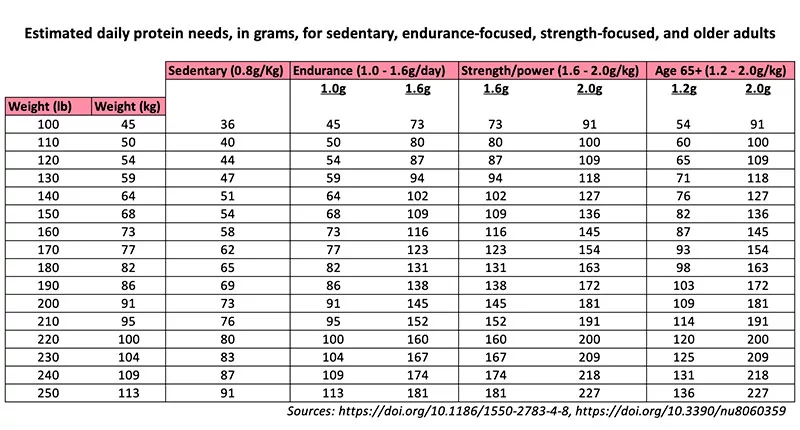
The standard Recommended Dietary Allowance of 0.8 grams per kilogram of body weight is outdated for older adults. Due to anabolic resistance, muscles in seniors respond poorly to protein unless intake is significantly higher. Experts now recommend 1.0 to 1.2 grams of protein per kilogram daily, which represents up to 50% more protein than the RDA.
For a 165-pound senior, that’s 75-90 grams of protein per day, ideally spread across meals. Yet nearly 46% of adults over 51 don’t meet these protein needs.
Common Reasons Seniors Fall Short
Several factors contribute to inadequate protein intake in older adults:
- Reduced appetite due to medications or age-related changes
- Dental or swallowing difficulties making meat consumption challenging
- Social isolation affecting meal preparation and enjoyment
- Increased satiety from protein leading to lower overall calorie intake
Without enough protein, muscle loss accelerates, especially during illness or periods of inactivity.
Whole Foods First: Building a Protein-Rich Diet
Best Dietary Protein Sources for Seniors
Food should remain the primary protein source. These options deliver protein plus essential vitamins, minerals, and fiber:
- Lean meats: Chicken, turkey, lean beef
- Fish: Salmon, tuna (also provides omega-3 fatty acids)
- Eggs: High-quality, affordable protein
- Dairy: Milk, yogurt, cheese
- Legumes: Beans, lentils, peas
- Nuts and seeds: Almonds, chia, flax
- Soy products: Tofu, tempeh, edamame
Spreading Protein Throughout the Day
Muscle protein synthesis peaks at 25-30 grams per meal. Seniors should aim for protein at each eating occasion:
- Breakfast: 2 eggs plus 1 slice whole grain toast provides approximately 14 grams
- Lunch: 4 ounces grilled chicken plus quinoa provides approximately 30 grams
- Dinner: 5 ounces salmon plus vegetables provides approximately 35 grams
This even distribution beats loading protein at dinner alone.
When Protein Supplements Make Sense for Seniors
Who Benefits Most From Supplementation
Protein supplements aren’t necessary for everyone, but they become critical for seniors who:
- Experience poor appetite or risk malnutrition
- Have chewing or swallowing difficulties
- Are recovering from surgery, illness, or hospitalization
- Have limited mobility or ability to prepare meals
- Struggle to meet protein needs through food alone
In these situations, a protein shake can be a practical lifeline.
Overcoming Common Barriers
Many seniors avoid protein powders due to misconceptions that they’re only for bodybuilders, concerns about taste or texture, or fears about kidney damage. Yet for those struggling to eat enough, supplements offer a convenient, digestible, and measurable way to meet protein targets.
Why Whey Protein Works Better Than Other Supplements

What Makes Whey Special
Whey is a complete protein derived from milk, containing all nine essential amino acids. It particularly excels in leucine content, the key trigger for muscle protein synthesis.
The advantages are substantial:
- Fast absorption: Delivers amino acids quickly to muscles
- High bioavailability: More efficiently used than plant proteins
- Proven muscle-building effects: Backed by research in older adults
What the Research Shows
A 2023 meta-analysis of 10 randomized controlled trials involving 2,498 seniors found no significant pooled improvement in sarcopenia markers from whey alone. However, important nuances emerged:
- Longer studies exceeding 12 weeks showed better results
- Younger seniors between 60-75 benefited more
- Combining whey with exercise doubled muscle gains
Individual trials reported meaningful results:
- Bauer et al. (2015): Improved muscle mass and leg strength
- Bo et al. (2019): Increased muscle mass and anabolic hormones
- Rondanelli et al. (2016, 2020): Better strength and physical function with whey plus exercise
- Verlaan et al. (2018): Gained muscle and improved mobility
While not a magic bullet, whey works, especially when paired with activity.
Real Results: Muscle Gains Without Exercise
supplements Alone Can Build Muscle
A study from McMaster University found men over 70 who took 30 grams of whey plus creatine, vitamin D, calcium, and fish oil for six weeks, without any exercise, gained 700 grams (1.5 pounds) of lean mass. When resistance training was added, gains were even greater.
This proves supplements can build muscle even in inactive seniors, making them vital during recovery or illness when exercise isn’t possible.
How Much Whey Should Seniors Take Daily
Optimal Dose and Timing
The recommended dose is 20-40 grams per serving, providing 2.5-3 grams of leucine. Frequency should be once or twice daily based on dietary intake.
Timing matters:
- Post-workout: Within 30-60 minutes after exercise
- Between meals: To boost total daily intake
- Morning or bedtime: To prevent overnight muscle breakdown
Avoid low-dose commercial drinks like Ensure, which provide only 9-10 grams of protein. That’s insufficient for meaningful muscle maintenance.
Sample Daily Protein Plan
A senior might consume:
- Breakfast: 2 eggs plus oatmeal plus 1 scoop unflavored whey provides approximately 30 grams
- Lunch: 4 ounces chicken plus vegetables provides approximately 30 grams
- Dinner: 5 ounces fish plus rice provides approximately 35 grams
- Evening shake: 1 scoop whey isolate provides 25 grams
- Total: Approximately 120 grams protein daily
Adjust based on body weight and activity level.
Other Protein Types Seniors Should Know About
Casein: The Slow-Release Option
Casein digests slowly, releasing amino acids over 6-8 hours. It’s ideal for bedtime use to prevent overnight muscle breakdown or for seniors with long gaps between meals.
Plant-Based Proteins
Best for lactose-intolerant or vegan seniors. Options include:
- Pea protein: High in arginine, supports circulation
- Soy isolate: Complete protein with proven muscle benefits
- Rice plus pea blend: Combines amino acid profiles
- Hemp: Rich in fiber and omega-3s
The limitation is lower leucine content, so higher doses may be needed.
Collagen: Joint and Skin Support
Collagen is not a complete protein and won’t build muscle. However, it excels at supporting joint health, reducing pain, improving mobility, and enhancing skin elasticity. Best used alongside whey, not as a replacement.
Why Exercise Is Essential With Protein
Protein Alone Isn’t Enough
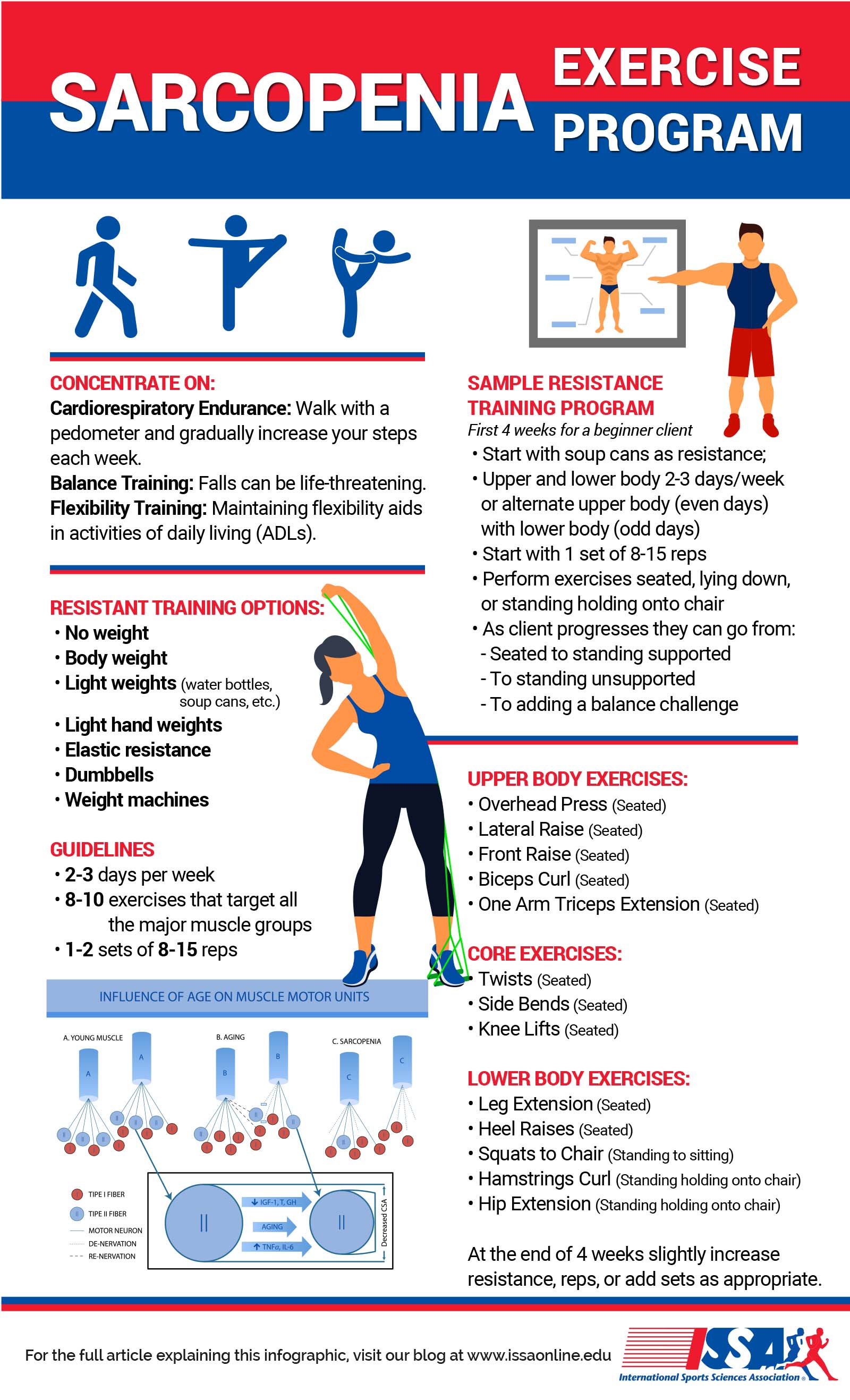
No amount of whey can replace the muscle-building power of resistance training. Exercise is the strongest stimulus for strength and function.
Research shows:
- Whey plus exercise produces twice the muscle gains of either alone
- Exercise alone improves balance, bone density, and metabolism
- Even frail seniors benefit from light resistance training
Best Exercises for Seniors
Effective options include:
- Progressive resistance training: Twice weekly using bands, weights, or bodyweight
- Lower-body exercises: Squats, lunges, seated leg presses
- Upper-body exercises: Push-ups, rows, shoulder presses
- Balance drills: To prevent falls
Start slow. Even 10-15 minutes daily makes a difference.
Safety: Who Should Avoid Whey Protein
Lactose Intolerance Concerns
Whey comes in three forms with different lactose levels:
- Concentrate: 70-80% protein with higher lactose, may cause gas or bloating
- Isolate: 90%+ protein with most lactose removed, safe for mild intolerance
- Hydrolyzed: Pre-digested, fast-absorbing, less allergenic
Seniors with lactose sensitivity should choose whey isolate or plant-based alternatives.
Kidney Health Considerations
High protein intake can stress impaired kidneys. Those with chronic kidney disease, reduced eGFR, or history of kidney stones should consult a doctor before starting whey. Healthy kidneys can handle higher protein, but monitoring is wise for long-term use.
Checking Labels for Additives
Many powders contain problematic ingredients:
- Added sugars up to 23 grams per scoop
- Artificial sweeteners like aspartame or sucralose
- Fillers, thickeners, and preservatives
Seniors should read labels carefully, avoid high-sugar products, choose third-party tested brands, and watch for milk, soy, or nut allergens.
Choosing the Right Whey Protein
What to Look For
When selecting a whey protein, prioritize:
- 20-30 grams protein per serving
- At least 2.5 grams leucine per serving
- Less than 5 grams added sugar
- Minimal artificial ingredients
- Third-party testing certification
- Clean label with recognizable ingredients
- Good mixability and taste
Recommended Types
- Whey isolate: Best for seniors, low lactose, high protein
- Grass-fed or organic: Higher quality with fewer additives
- Unflavored: Easier to mix into foods
- Flavored: Choose options sweetened with stevia or monk fruit
Brands like Naked Whey, Orgain, or Momentous meet these standards.
Simple Ways to Use Whey Every Day
Easy Incorporation Methods
- Smoothies: Blend with banana, spinach, and almond milk
- Oatmeal: Stir in while cooking
- Yogurt or cottage cheese: Mix in 1 scoop
- Baking: Add to pancake or muffin batter
- Soups or sauces: Use unflavored whey in savory dishes
Make it a habit. Consistency matters more than perfection.
Quick Muscle-Boost Smoothie Recipe
Combine 1 scoop vanilla whey isolate, half a banana, 1 cup spinach, 1 tablespoon almond butter, and 1 cup unsweetened almond milk. Blend and enjoy post-meal or post-exercise.
Key Takeaways for Seniors Considering Whey Protein
The Bottom Line
Yes, seniors should take whey protein if used correctly. It’s a safe, effective, and evidence-backed tool for slowing muscle loss, supporting recovery, and boosting strength and independence.
Whey works best when:
- Combined with resistance training
- Paired with a high-protein diet
- Chosen wisely (low sugar, high quality)
- Used by those who genuinely need it
Essential Points to Remember
- Sarcopenia is real and dangerous but preventable
- Seniors need 1.0-1.2 grams of protein per kilogram daily
- Whey is the most effective supplement for muscle maintenance
- Exercise multiplies benefits significantly
- Choose high-quality whey isolate with minimal additives
- Consult a doctor if kidney issues or allergies exist
For seniors aiming to stay strong, mobile, and independent, whey protein used smartly can be a game-changer. It’s not about looking like a bodybuilder. It’s about being able to carry groceries, climb stairs, and live life on your own terms.
Frequently Asked Questions About Seniors and Whey Protein
Is whey protein safe for seniors over 70?
Whey protein is generally safe for healthy seniors over 70. Those with kidney disease, lactose intolerance, or dairy allergies should choose whey isolate or plant-based alternatives. Always consult a healthcare provider before starting any new supplement.
How much whey protein should a 70-year-old take daily?
Most seniors benefit from 20-40 grams per serving, once or twice daily. This provides the 2.5-3 grams of leucine needed to trigger muscle protein synthesis. Total daily protein intake should reach 1.0-1.2 grams per kilogram of body weight.
Can whey protein help with sarcopenia?
Whey protein can help slow sarcopenia progression, especially when combined with resistance training. Studies show it improves muscle mass and strength in older adults, though results are better with longer use and when paired with exercise.
Does whey protein affect kidney function in seniors?
In healthy seniors, higher protein intake doesn’t harm kidney function. However, those with pre-existing kidney disease should consult a doctor before using whey protein, as excess protein can stress impaired kidneys.
Should seniors take whey protein with or without exercise?
Combining whey protein with resistance training produces significantly better results than either alone. However, supplements can still build muscle even without exercise, making them valuable during recovery periods when activity isn’t possible.