Many older adults wonder whether they should take a multivitamin to stay healthy. As we age, our bodies change in ways that can make it harder to get enough essential nutrients from food alone. Digestive efficiency declines, appetite often drops, and certain medications interfere with nutrient absorption. At the same time, the need for key vitamins like B12 and D actually increases. For these reasons, should seniors take a multivitamin is not just a common question, it is a critical one for long-term health.
Research shows that while a balanced diet should always come first, many seniors still fall short on vital nutrients. Deficiencies in vitamin B12, vitamin D, calcium, and magnesium are surprisingly common, and often go unnoticed until symptoms like fatigue, memory issues, or frequent falls appear. A multivitamin can help fill these gaps, but it is not a one-size-fits-all solution. In fact, for some seniors, especially those eating well and managing chronic conditions, unnecessary supplementation may do more harm than good.
This guide breaks down the science behind senior nutrition, identifies who truly benefits from a multivitamin, and offers practical, evidence-based advice for choosing the right supplement, or knowing when you do not need one at all.
Why Seniors Are at Risk for Nutrient Deficiencies
Aging affects every stage of nutrition: intake, digestion, absorption, and utilization. Understanding these changes helps explain why many older adults fall short on essential vitamins and minerals, even when they think they are eating well.
How Aging Changes Nutrient Absorption
Reduced stomach acid impairs B12 release from food. Less sun exposure and thinner skin lower vitamin D synthesis. Appetite diminishes due to slower metabolism, medication side effects, or dental issues. Chronic conditions like diabetes or kidney disease further restrict dietary options. These physiological shifts happen gradually, so many seniors do not realize they are becoming deficient until symptoms appear.
Additionally, many commonly prescribed drugs deplete essential nutrients. Proton pump inhibitors reduce B12 and magnesium. Diuretics flush out potassium and thiamine. Statins may lower coenzyme Q10. These interactions mean that even with good eating habits, seniors can develop silent deficiencies over time.
Top Nutrients Seniors Often Lack
Blood tests and population studies consistently show shortfalls in several key areas. Up to 30% of adults over 50 have trouble absorbing B12 from food due to reduced stomach acid. Over 40% of older adults are deficient in vitamin D, especially in winter months or with limited outdoor activity. Calcium needs actually increase after 70, yet intake often drops due to lactose intolerance or avoidance of dairy. Magnesium, found in nuts, seeds, and greens, is frequently under-consumed. Zinc is important for immunity, but absorption declines with age. Low omega-3 intake is linked to higher risk of cognitive decline and heart disease.
These are not minor oversights. Left unaddressed, they contribute to osteoporosis, neuropathy, muscle weakness, and weakened immune responses.
Critical Vitamins Seniors Cannot Ignore
Certain vitamins become non-negotiable as we age. They support core functions that keep seniors independent and resilient, and deficiencies in these areas can have serious consequences.
Vitamin B12: Nerve and Brain Health Support
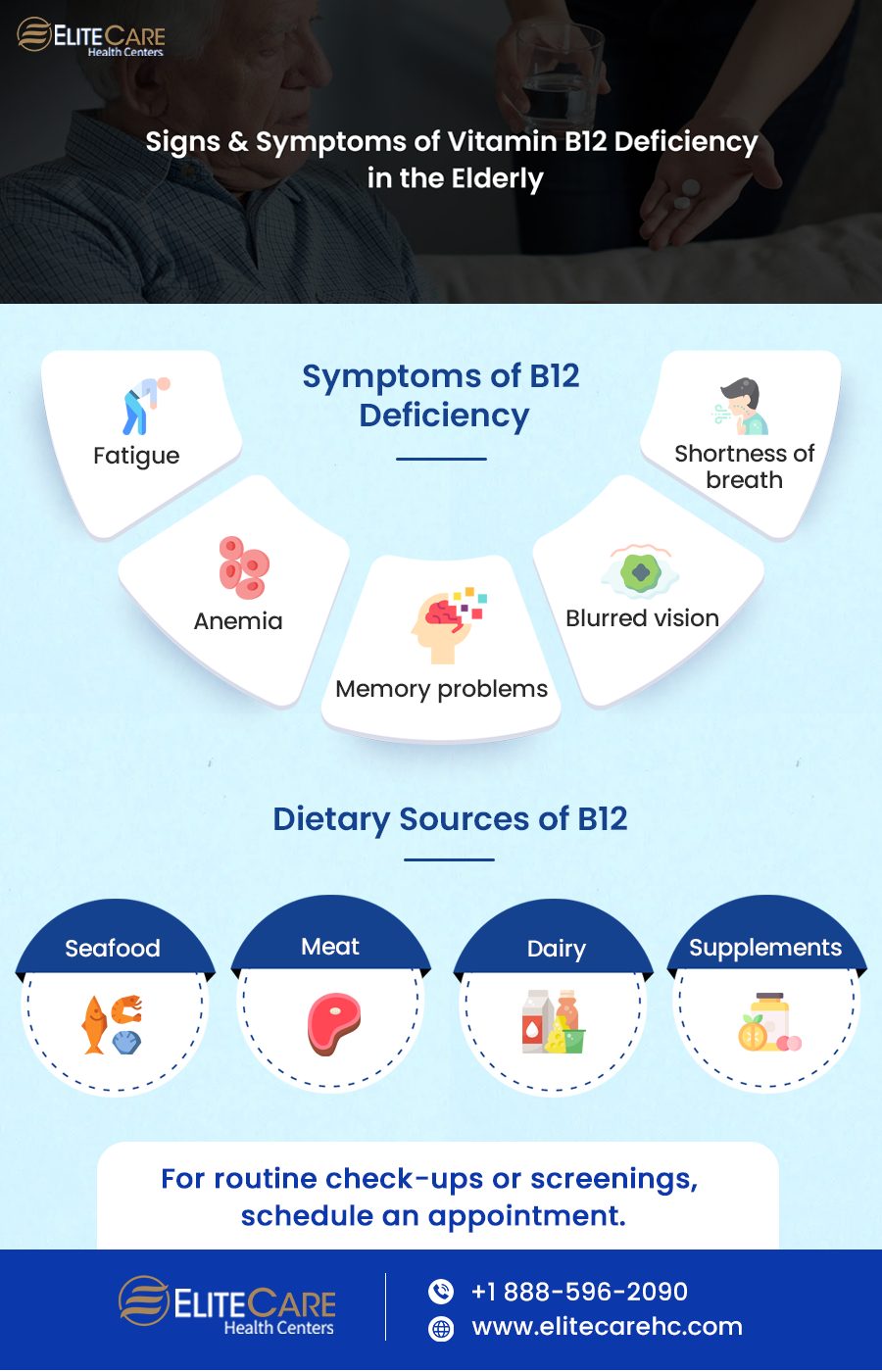
B12 is essential for nerve function, red blood cell production, and DNA synthesis. Deficiency can mimic dementia, causing memory lapses, confusion, and balance problems. The signs of low B12 include fatigue and weakness, numbness or tingling in hands and feet, difficulty walking, and mood changes or depression.
Because aging reduces stomach acid, which is needed to free B12 from food, supplements or fortified foods are often more effective than dietary sources alone. The RDA is 2.4 mcg per day, but many senior multivitamins provide 25 to 100 mcg to ensure adequate absorption.
Pro Tip: Look for cyanocobalamin or methylcobalamin in the ingredient list. Both are well-absorbed forms, especially when taken orally.
Vitamin D: Bones, Immunity, and Fall Prevention
Vitamin D helps the body absorb calcium and maintain strong bones. It also plays a role in immune regulation and muscle strength, key for fall prevention. Risks of deficiency include increased fracture risk, muscle weakness, higher infection rates, and mood disorders like seasonal depression.
Sunlight is a primary source, but older skin produces less vitamin D. Dietary sources like fatty fish and fortified milk are helpful, but often insufficient. That is why supplementation is frequently necessary. The RDA is 600 IU per day for ages 51 to 70, and 800 IU per day for those over 70. Optimal blood level is at least 30 ng/mL of 25-hydroxyvitamin D.
Many experts recommend testing levels before starting high-dose supplements, as too much vitamin D can cause hypercalcemia, a dangerous buildup of calcium in the blood.
Calcium: Preventing Osteoporosis and Fractures
Calcium maintains bone density and supports muscle and nerve function. With age, both men and women lose bone mass, increasing fracture risk. Daily needs after 50 are 1,000 mg for women 51 to 70, 1,200 mg for women 71 and older, 1,000 mg for men 51 to 70, and 1,200 mg for men 71 and older.
Dairy, leafy greens, and fortified plant milks are top food sources. However, calcium supplements should be used cautiously. High doses, especially without vitamin D, have been linked to kidney stones and possible cardiovascular concerns.
Expert Note: Split doses, 500 to 600 mg at a time, for better absorption. Take with food unless using calcium citrate, which can be taken on an empty stomach.
When a Multivitamin Makes Sense
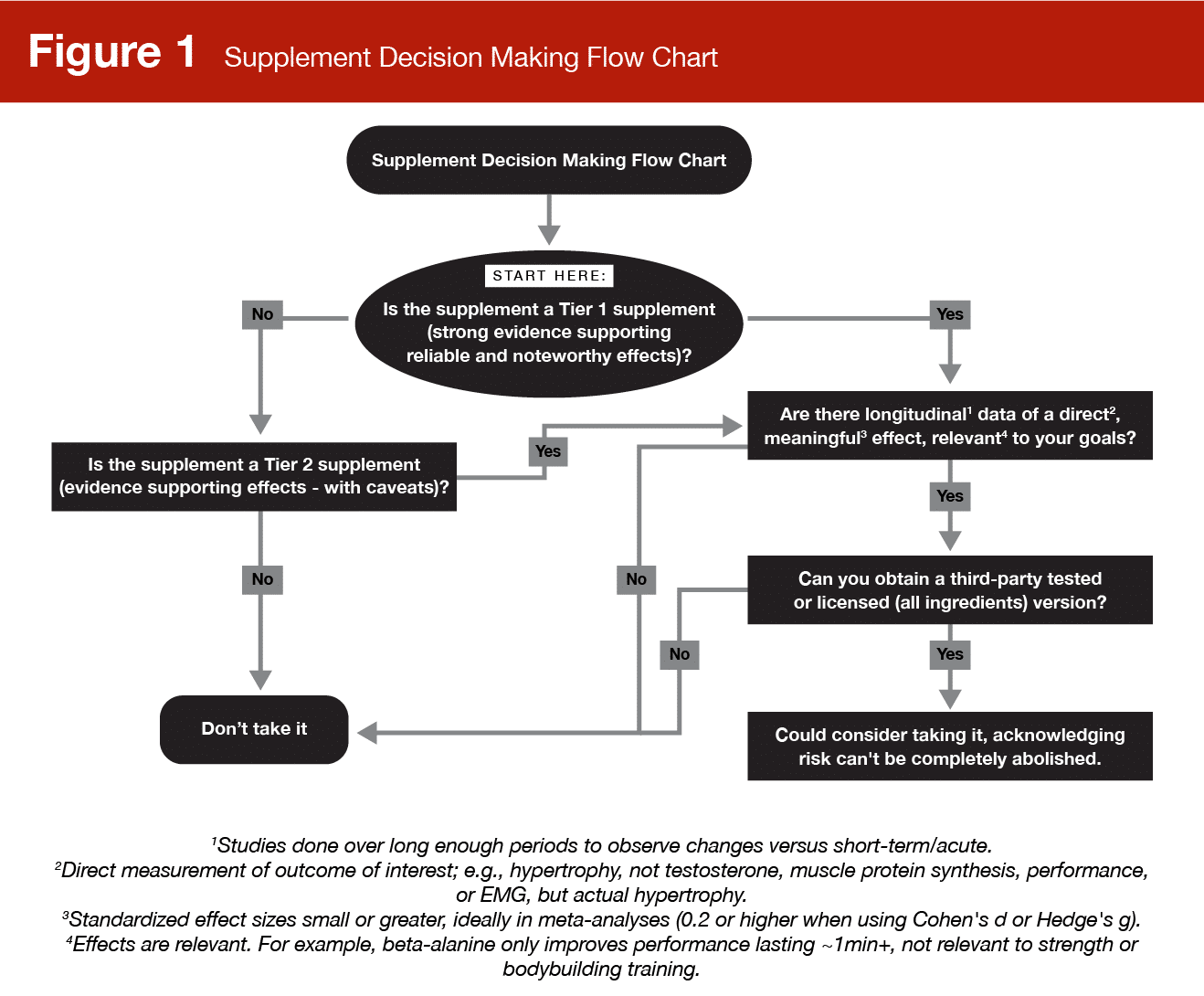
Not every senior needs a daily multivitamin. But for some, it is a smart safety net that can prevent serious health complications.
Who Benefits Most From Multivitamins
A multivitamin may be appropriate if you eat fewer than three balanced meals a day, follow a vegetarian or vegan diet, have digestive issues like Crohn’s, celiac, or gastric bypass, take medications that deplete nutrients like PPIs or diuretics, spend little time outdoors, live in assisted living or rely on pre-packaged meals, or have had lab-confirmed deficiencies. In these cases, a targeted multivitamin can prevent complications and improve energy, mood, and immunity.
For healthy, active seniors eating a varied diet, a multivitamin may offer little benefit, and could pose risks if it contains excess iron or vitamin A.
Real-World Scenarios That Warrant Supplementation
Different situations call for different approaches to supplementation. A 78-year-old woman on a PPI for acid reflux is at high risk for B12 and magnesium deficiency and would benefit from a multivitamin. An 82-year-old man with poor appetite after illness is likely missing multiple micronutrients and needs supplementation. A 70-year-old vegan needs B12, D, calcium, and omega-3s from supplements. A 75-year-old with osteoporosis requires consistent D and calcium support.
For healthy seniors eating a varied diet, a multivitamin may be unnecessary. The key is personalization based on individual health status, diet, and medications.
Risks of Over-Supplementing Seniors
While deficiencies are dangerous, so is taking too much. More is not always better when it comes to vitamins, and the consequences can be serious.
Dangers of Excessive Vitamin Intake
Fat-soluble vitamins, A, D, E, and K, are stored in the body and can accumulate to toxic levels. Water-soluble ones are excreted, but even they have limits.
Toxicity risks by nutrient include vitamin A, also called retinol, where over 3,000 mcg per day may cause liver damage and increase fracture risk. Vitamin D above 4,000 IU per day long-term can lead to kidney stones, nausea, and arrhythmias. Iron is not needed by most men or postmenopausal women, and excess iron harms the liver and heart. Niacin, B3, at high doses above 500 mg causes flushing, liver injury, and insulin resistance. Vitamin E above 1,000 mg per day may increase bleeding risk, especially on blood thinners.
Warning: Avoid mega formulas that exceed 100% of the Daily Value unless prescribed by a healthcare provider.
Medication Interactions With Supplements
Supplements can interfere with common drugs. Warfarin is affected by vitamin K, so keep intake consistent. Thyroid medications have reduced absorption when taken with calcium or iron, so separate them by at least four hours. Minerals like zinc and calcium bind to tetracyclines and fluoroquinolones antibiotics, reducing their effectiveness. High-dose antioxidants may reduce chemotherapy effectiveness.
Always tell your doctor about any supplements you are taking to avoid dangerous interactions.
Choosing the Right Senior Multivitamin

Not all multivitamins are created equal. The best ones are tailored to older adults’ unique needs and formulated to address age-related absorption challenges.
Features of a Senior-Safe Multivitamin
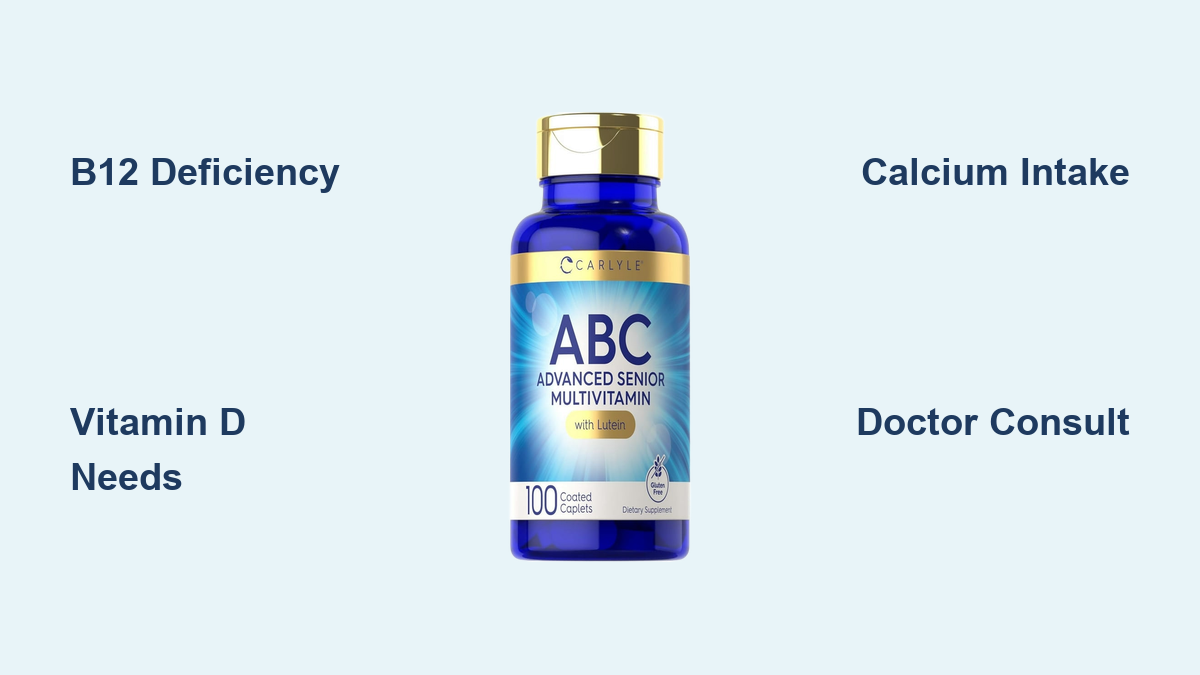
Look for multivitamins labeled 50 plus or Senior, which are designed for age-related changes. Choose formulas with no or low iron, since most seniors do not need extra iron. Ensure high B12 content of at least 25 mcg, preferably more. Check for adequate vitamin D, 800 to 1,000 IU per dose. The formula should include magnesium and zinc, which are often under-consumed. Avoid megadoses that stay within safe limits for fat-soluble vitamins.
Quality Certifications to Look For
Third-party testing ensures what is on the label is in the bottle. Look for USP Verified, which confirms potency, purity, and dissolution. NSF Certified tests for contaminants and label accuracy. UL or ConsumerLab provide reliable independent verification.
Avoid products with proprietary blends that hide ingredient amounts.
Building a Nutrient-Rich Diet First
Supplements should never replace real food. Whole foods deliver nutrients in balanced, absorbable forms, plus fiber, antioxidants, and phytochemicals that pills cannot replicate.
Best Diets for Senior Health
Two eating patterns stand out in research. The Mediterranean diet is rich in vegetables, fruits, whole grains, olive oil, fish, nuts, and legumes. It is linked to lower risks of heart disease, Alzheimer’s, and early death, and is naturally high in B vitamins, vitamin E, magnesium, and omega-3s.
The DASH diet is designed to lower blood pressure. It emphasizes potassium, calcium, magnesium, and fiber, while limiting sodium, added sugars, and saturated fats. Both support long-term vitality and reduce inflammation.
Simple Ways to Boost Nutrient Intake Through Food
Add smoothies with spinach, berries, Greek yogurt, and chia seeds. Sprinkle nutritional yeast on pasta or popcorn for B12. Eat fatty fish twice a week, such as salmon or sardines, for omega-3s and D. Choose fortified cereals or plant milks to increase B12 and D. Use olive oil and avocados for heart-healthy fats and vitamin E. Snack on nuts and seeds for magnesium, zinc, and protein.
Pro Tip: If swallowing pills is hard, try chewable or liquid multivitamins, but check sugar content in gummies.
Talking to Your Doctor Before Starting Supplements
Self-prescribing supplements can backfire. A healthcare provider can help you make informed choices based on your individual health status.
When to Schedule a Nutritional Consultation
See your doctor if you feel constantly tired or foggy, bruise easily or heal slowly, have frequent infections, take three or more medications, follow a restrictive diet, or notice changes in taste, smell, or appetite.
They may order blood tests to check B12 and homocysteine for nerve health, 25-hydroxyvitamin D for vitamin D status, ferritin for iron stores, and calcium and magnesium for bone and muscle function. This data guides whether you need a multivitamin and which nutrients to prioritize.
Personalized Recommendations by Profile
Healthy 68-year-old eating a Mediterranean diet likely does not need a supplement, but should monitor vitamin D. A 76-year-old on a PPI with fatigue should test B12 and start B12 supplementation if low. An 80-year-old vegan with osteoporosis needs B12, vitamin D, calcium, and DHA from algae. A 72-year-old on warfarin should avoid multivitamins with variable K and maintain a stable diet. A 65-year-old with poor appetite after surgery may benefit from a short-term multivitamin with iron and B12.
Personalization is key. One person’s essential supplement is another person’s unnecessary risk.
Safe Supplement Habits for Long-Term Health
If you do take a multivitamin, use it wisely and safely to get the most benefit without unnecessary risks.
Proper Storage and Expiration Management
Keep supplements in a cool, dry place, not the bathroom where humidity ruins pills. Check expiration dates, as potency fades over time. Use blister packs or daily organizers to avoid missed or double doses.
Regular Reassessment of Supplement Needs
Nutritional needs change. A supplement that helped last year may no longer be needed, or could now interact with a new medication. Schedule regular check-ins with your doctor to review symptoms and energy levels, update your medication list, repeat lab tests if indicated, and adjust or discontinue supplements as needed.
Final Advice: Treat your multivitamin like any other medication. Review it regularly and only keep what you truly need.
Frequently Asked Questions About Senior Multivitamins
Do all seniors need to take a multivitamin?
No, not all seniors need a multivitamin. Those who eat a balanced diet, have no nutrient deficiencies, and are not on medications that deplete nutrients may not benefit from one. However, many seniors do have gaps that supplementation can address, which is why individualized assessment is important.
What are the most important vitamins for seniors over 70?
Vitamin B12, vitamin D, calcium, and magnesium are the most critical for seniors over 70. B12 supports nerve and brain health, D and calcium work together for bone strength, and magnesium supports muscle function and blood pressure. Many seniors are deficient in these nutrients due to age-related absorption changes.
Can a multivitamin replace a healthy diet?
No, a multivitamin cannot replace a healthy diet. Whole foods provide nutrients in forms your body can absorb more easily, along with fiber, antioxidants, and phytochemicals that supplements cannot replicate. Supplements should fill gaps, not replace nutrient-dense foods.
Are senior multivitamins safe to take every day?
Most senior multivitamins are safe to take daily when used as directed. However, exceeding recommended doses can cause problems, especially with fat-soluble vitamins that accumulate in the body. Choose a formula that does not exceed 100% of the Daily Value unless your doctor recommends otherwise.
How do I know if I need a multivitamin?
Signs you may need a multivitamin include poor appetite, frequent fatigue, frequent infections, slow wound healing, or a restricted diet. Blood tests can confirm deficiencies. Talk to your doctor about whether supplementation is right for you based on your health status and medications.
Can taking too many vitamins be harmful?
Yes, taking too many vitamins can be harmful, especially vitamin A, D, E, and K, which are stored in the body. Excess iron is also dangerous for most seniors. Always follow dosage recommendations and talk to your doctor before starting high-dose supplements.
Key Takeaways for Senior Multivitamin Decisions
Should seniors take a multivitamin depends on individual factors like diet, health conditions, and medications. For some, especially those with poor diets, absorption issues, or specific deficiencies, a multivitamin provides important protection. For others, particularly healthy eaters with no nutritional gaps, supplementation offers little benefit and may pose risks.
The best approach combines three elements. First, focus on a nutrient-dense diet using Mediterranean or DASH eating patterns. Second, use targeted supplementation only when needed, based on lab tests or identified deficiencies. Third, work with your healthcare provider to choose the right product and reassess regularly.
By focusing on your individual needs rather than habits or marketing claims, you can support long-term health safely and effectively. A multivitamin is a tool, not a magic solution, and it works best when matched to your actual nutritional needs.