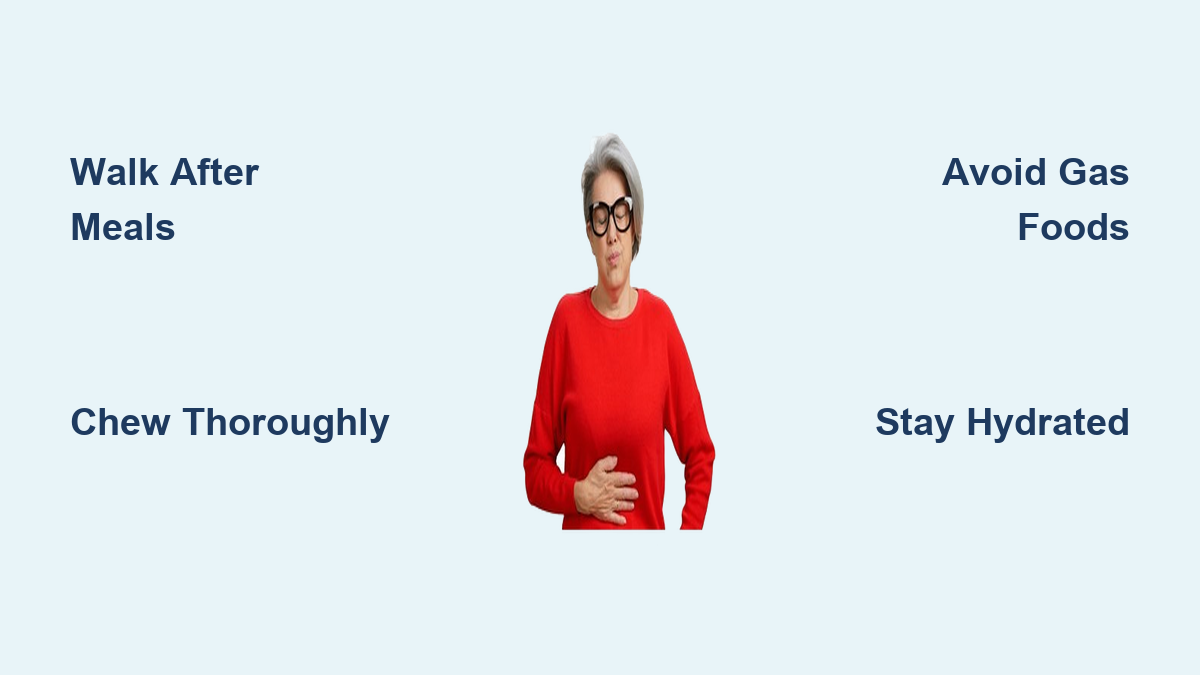
Bloating in the elderly is more than just discomfort. It is a common yet often overlooked issue that can significantly impact quality of life. As people age, changes in digestion, medication use, and physical activity levels make seniors especially prone to that tight, full feeling in the abdomen. You are not alone if your loved one frequently complains of gas, swelling, or discomfort after meals. Up to 70% of older adults report bloating as a recurring problem, often linked to constipation, slow digestion, or dietary triggers.
The good news is that most causes of bloating in seniors are manageable with simple, safe strategies. From gentle movement and targeted dietary tweaks to over-the-counter aids and medical evaluations, this guide gives you actionable steps to reduce bloating effectively. Whether it is a sudden bout after dinner or chronic discomfort that will not go away, you will learn how to identify the cause, apply immediate relief, and prevent future episodes.
Quick Ways to Relieve Bloating in Seniors
When bloating strikes, quick, non-invasive techniques can ease discomfort fast. These methods are safe, low-risk, and easy to perform at home.
Take a Walk After Meals
A 10- to 15-minute walk after eating helps stimulate intestinal contractions and move trapped gas through the digestive tract. Even light movement like pacing in the living room can make a difference. Studies show that physical activity boosts gastric motility, especially important for seniors with slowed digestion.
Best practices include:
– Starting the walk 10 to 20 minutes after eating
– Maintaining a comfortable, steady pace
– Making it enjoyable by pairing with music or a conversation
Practice Diaphragmatic Breathing
Also called belly breathing, this technique activates the parasympathetic nervous system, which supports digestion and reduces gut tension.
How to do it:
1. Sit or lie down comfortably
2. Place one hand on your chest, the other on your belly
3. Inhale slowly through your nose, letting your abdomen rise
4. Exhale slowly through pursed lips
5. Repeat for 5 to 10 minutes
Apply Heat to the Abdomen
Applying heat relaxes abdominal muscles and soothes cramping. Use a heating pad or hot water bottle on the lower abdomen for 15 to 20 minutes. A warm bath also helps by increasing blood flow to the digestive organs. Always place a cloth between the skin and heat source to prevent burns.
Massage Your Abdomen Gently
Gentle self-massage moves gas and stool along the colon is natural path. Lie on your back with knees slightly bent and use fingertips to make slow, circular motions following the colon route. Start lower right, move up to the ribs, go down the left side, and finish over the lower left. Repeat for 5 to 10 minutes with steady pressure.
Sip Soothing Herbal Teas
Certain herbal teas calm the digestive tract and reduce gas. Ginger tea promotes stomach emptying and reduces inflammation. Chamomile tea relaxes intestinal muscles and reduces spasms, best for evening use. Peppermint tea is a natural antispasmodic but should be avoided if GERD is present, as it can worsen acid reflux.
Try Bloating-Fighting Yoga Poses
Gentle yoga poses can relieve trapped gas and improve digestion. These are safe for most older adults, even with limited mobility.
Child’s Pose works well because it compresses the abdomen gently, encouraging gas release. Kneel on the floor, sit back on your heels, lean forward and rest your forehead on a pillow. Extend arms alongside your body and breathe deeply for 8 to 10 breaths.
Happy Baby Pose opens the hips and massages the lower abdomen. Lie on your back, bring knees toward your chest, grab the outside of your feet, and gently pull knees down toward your armpits. Hold for 6 to 8 deep breaths. Use a strap around the feet if reaching is difficult.
Food Strategies to Stop Bloating
Food choices play a major role in bloating. As digestion slows with age, even healthy foods can cause discomfort if not managed properly.
Avoid Common Gas-Producing Foods
Some foods are more likely to ferment in the gut and produce gas, especially in older adults.
Top bloating triggers include:
– Beans and lentils, which are high in oligosaccharides
– Cruciferous vegetables like broccoli, cauliflower, and Brussels sprouts
– Onions and garlic
– Carbonated drinks and sparkling water
– Dairy products if lactose intolerant
– Artificial sweeteners like sorbitol and mannitol
– Fried and fatty foods that slow stomach emptying
Pro tip: Introduce high-fiber foods gradually to avoid sudden bloating.
Eat Smaller, Frequent Meals
Large meals overload the aging digestive system. Instead, aim for 4 to 5 smaller meals throughout the day. This reduces pressure on the stomach, prevents early satiety, and is easier to digest than three big meals.
Chew Food Thoroughly
Poor chewing increases swallowed air and makes digestion harder. Aim for 20 to 30 chews per bite and take at least 20 minutes per meal. Avoid talking while chewing. Seniors with dentures should ensure proper fit to chew effectively.
Limit Salt and Stay Hydrated
Excess sodium causes fluid retention, which can mimic or worsen bloating. Avoid processed foods like canned soups and frozen meals. Use herbs and spices instead of salt. Drink 6 to 8 glasses of water daily to prevent constipation and flush excess sodium.
Consider a Short-Term Low-FODMAP Diet
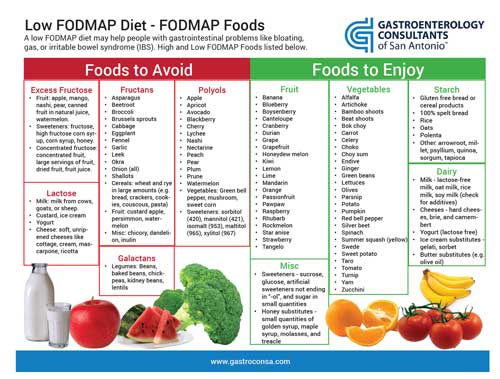
FODMAPs are fermentable carbs that cause gas in sensitive individuals. A short-term low-FODMAP diet may help if bloating is chronic. Common high-FODMAP foods to limit include apples, pears, milk, yogurt, soft cheeses, wheat bread, beans, and garlic. This diet is complex, so work with a registered dietitian to avoid nutrient deficiencies.
Lifestyle Changes That Reduce Bloating
Daily habits have a big impact on digestive health. Small adjustments can lead to lasting relief.
Stay Active Every Day
Physical activity keeps the bowels moving and prevents gas buildup. Walking for 30 minutes most days, split into 10-minute sessions if needed, is effective. Seated exercises like leg lifts, knee marches, and arm circles also help. Tai chi or chair yoga improves balance and digestion. Even standing up and stretching every hour makes a difference.
Improve Your Eating Posture
Sitting upright during and after meals prevents gas trapping and reflux. Eat at a table, never lying down or slouching. Stay upright for 1 to 2 hours after eating. Avoid tight clothing around the waist.
Reduce Swallowed Air
Aerophagia, or air swallowing, is a hidden cause of bloating. Avoid drinking through straws, chewing gum, eating too quickly, and smoking or using tobacco. Seniors with dentures should check for poor fit, which can increase air intake.
Manage Stress and Anxiety
Stress disrupts the gut-brain connection and worsens bloating. Calming techniques include deep breathing for 5 minutes, 2 to 3 times daily, guided meditation, listening to soothing music, and gentle stretching before bed. Even 5 minutes of quiet breathing can shift the body into rest and digest mode.
Safe Remedies for Senior Bloating
When lifestyle and diet are not enough, safe supplements and over-the-counter products can help.
Use Simethicone for Gas Relief
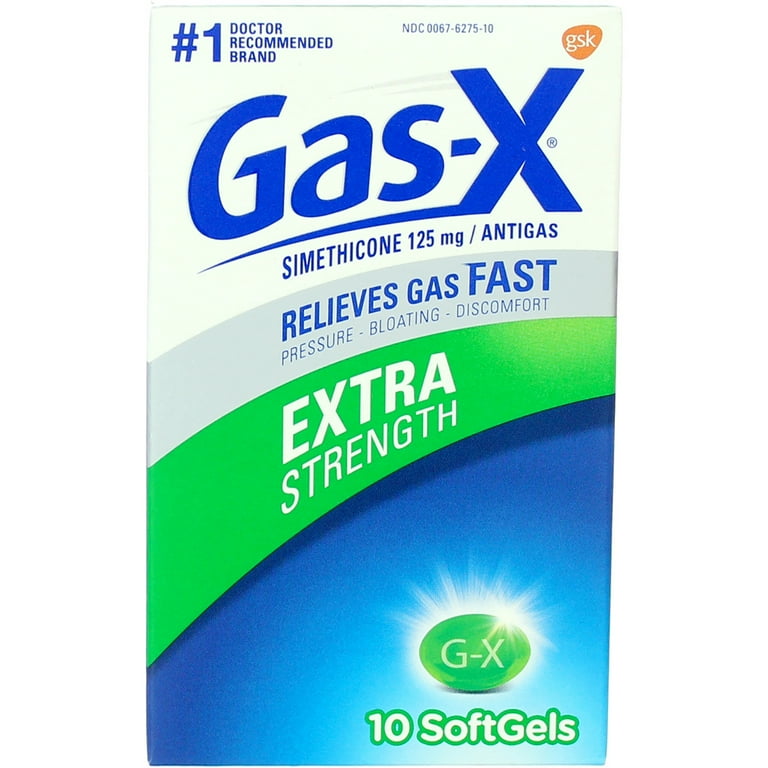
Simethicone products like Gas-X and Mylanta Gas break up gas bubbles in the stomach and intestines. Follow label instructions, usually 40 to 125 mg as needed. It works within 30 minutes and is safe for seniors, but not for long-term use without medical advice.
Consider Peppermint Oil Capsules
Enteric-coated peppermint oil reduces spasms and bloating, especially in IBS. The dose is 0.2 to 0.4 mL, 1 to 2 times daily before meals, for up to 4 weeks. Avoid if GERD is present. It must be enteric-coated to prevent heartburn.
Try Activated Charcoal With Caution
Activated charcoal may absorb excess gas, but evidence is limited. It can interfere with medication absorption. Use only occasionally and separate from medications by 2 hours. It is not recommended for daily use.
Use Flatulence Deodorizer Pads
For social comfort, activated charcoal pads neutralize odor during gas release. Insert them into underwear. They are reusable with washing and help reduce embarrassment and tension. Encourage natural gas release, as holding it in increases discomfort.
When Bloating Signals a Serious Problem
Most bloating is harmless, but some symptoms need medical attention.
Watch for Red Flag Symptoms
Seek immediate care if bloating is accompanied by:
– Unexplained weight loss
– Blood in stool
– Persistent vomiting
– Severe or worsening abdominal pain
– Fever
– Difficulty swallowing
– Loss of appetite for more than two weeks
– Hiccups lasting over 48 hours
– Chest pain or shortness of breath
These could indicate serious conditions like bowel obstruction, cancer, or heart disease.
See a Doctor for Chronic Bloating
Schedule an appointment if bloating happens daily or weekly, does not improve with diet or lifestyle changes, or there is a change in bowel habits. A primary care doctor can review medications, order tests, or refer to a specialist.
Get a Gastroenterology Referral
A GI specialist can diagnose and treat underlying causes. Common tests include hydrogen breath test for SIBO or lactose intolerance, colonoscopy to rule out polyps or cancer, abdominal ultrasound or CT scan for organ evaluation, and blood tests for celiac, infection, or liver function.
Review Medications That Cause Bloating
Many common prescriptions contribute to bloating and constipation.
High-Risk Medications in Seniors
| Medication Type | Examples | Bloating Risk |
|---|---|---|
| Opioids | Oxycodone, hydrocodone | High |
| Calcium supplements | Calcium carbonate | Moderate |
| Iron supplements | Ferrous sulfate | High |
| Diuretics | Furosemide | Can cause electrolyte imbalance |
| Antibiotics | Amoxicillin, ciprofloxacin | Disrupt gut bacteria |
| Anticholinergics | Oxybutynin, diphenhydramine | Slow motility |
Keep a full list of all medications and supplements. Review with a doctor or pharmacist at least once a year. Ask about alternatives if bloating started after a new prescription. Never stop a medication without medical advice.
Prevent Bloating With Daily Habits
Long-term prevention beats constant symptom management.
Drink Water First Thing in the Morning
Start the day with a glass of warm water. It jumpstarts digestion and softens stool. Add lemon or a pinch of baking soda if desired. Avoid cold water, which may slow digestion.
Establish a Bathroom Routine
Train the bowels with consistent timing. Try to go at the same time daily, ideally after breakfast. Use a small footstool to elevate knees above hips, which mimics squatting. Do not rush; allow 5 to 10 minutes. This supports complete evacuation and reduces bloating from retained stool.
Monitor Fiber Intake
Fiber prevents constipation but can cause gas if increased too fast. Aim for 25 to 30 grams daily and increase gradually over 2 to 4 weeks. Pair with plenty of water. Good sources include oatmeal, apples, pears, carrots, brown rice, and flaxseeds.
Frequently Asked Questions About Reducing Bloating in Elderly
What causes bloating in seniors?
Bloating in seniors is caused by several age-related factors. Slowed digestion and gastrointestinal motility allow gas to build up more easily. Loss of muscle mass affects the abdominal muscles that move food through the gut. Many medications, including opioids, calcium supplements, and antibiotics, cause bloating as a side effect. Reduced physical activity and dietary choices also contribute significantly.
Is bloating dangerous for elderly individuals?
Occasional bloating is usually not dangerous, but persistent bloating can signal a serious problem. Watch for red flag symptoms like unexplained weight loss, blood in stool, severe pain, vomiting, fever, or difficulty swallowing. These require immediate medical attention as they could indicate bowel obstruction, cancer, or heart disease.
What foods should elderly people avoid to reduce bloating?
Elderly individuals should limit foods that produce gas. This includes beans and lentils, cruciferous vegetables like broccoli and cauliflower, onions and garlic, carbonated drinks, dairy if lactose intolerant, artificial sweeteners, and fried or fatty foods. Introduce any new high-fiber foods gradually to prevent sudden bloating.
How can seniors get immediate bloating relief?
Quick relief methods include taking a 10- to 15-minute walk after meals, practicing deep diaphragmatic breathing, applying a heating pad to the abdomen, gently massaging the abdomen in circular motions, and drinking ginger or chamomile tea. Over-the-counter simethicone products also work within 30 minutes to break up gas bubbles.
When should I take my elderly parent to the doctor for bloating?
Take your parent to the doctor if bloating is chronic or daily, does not improve with diet and lifestyle changes, or is accompanied by changes in bowel habits. Also seek care if bloating starts after beginning a new medication, if there is unexplained weight loss, or if any red flag symptoms like blood in stool, severe pain, or persistent vomiting occur.
Can medications cause bloating in older adults?
Yes, many medications commonly prescribed to seniors cause bloating. Opioids, calcium and iron supplements, diuretics, antibiotics, and anticholinergics are all known to cause gas, constipation, and abdominal discomfort. Review all medications with a doctor or pharmacist to identify potential culprits.
Key Takeaways for Reducing Bloating in Elderly
Bloating in the elderly is common, but it is never just a normal part of aging that must be endured. With the right combination of dietary adjustments, gentle physical activity, and medical awareness, most seniors can experience significant relief.
The most effective approach starts with immediate relief techniques like walking after meals, diaphragmatic breathing, and abdominal massage. These provide quick comfort without medication. Long-term success comes from dietary modifications, including avoiding gas-producing foods, eating smaller meals, chewing thoroughly, and staying hydrated. Regular physical activity and proper posture during and after meals prevent gas from building up.
Always monitor for warning signs that require medical attention, and review medications regularly with a healthcare provider. Small, consistent changes lead to better digestion, greater comfort, and improved quality of life for your loved one.